Attractions & Natural Wonders · Marshall Islands
Marshall Islands: Six Attractions and Natural Wonders
A necklace of 29 coral atolls in the central Pacific — one of them a sunken WWII fleet turned dive site, another the ground zero of the Cold War's nuclear age, and a seafaring navigation tradition that guided outrigger canoes across open ocean
By Worldlore Editorial · 30 September 2026
Twenty-nine atolls, one navigation tradition
The Marshall Islands are 29 low coral atolls and five single islands scattered across the central Pacific, with a total land area about the size of Washington, DC, spread over hundreds of thousands of square miles of ocean. About 42,000 people live here, in free association with the United States, which maintains a military presence and provides significant funding under a compact that also paid compensation for US nuclear testing at Bikini and Enewetak. Marshallese seafarers were historically renowned for wave-piloting — reading ocean swells reflected off unseen islands to navigate without instruments.
The six below are spread thin across a vast ocean territory; travel between atolls is limited to small planes and infrequent field-trip ships. It is warm and humid year-round, driest roughly December to April.
1. Majuro
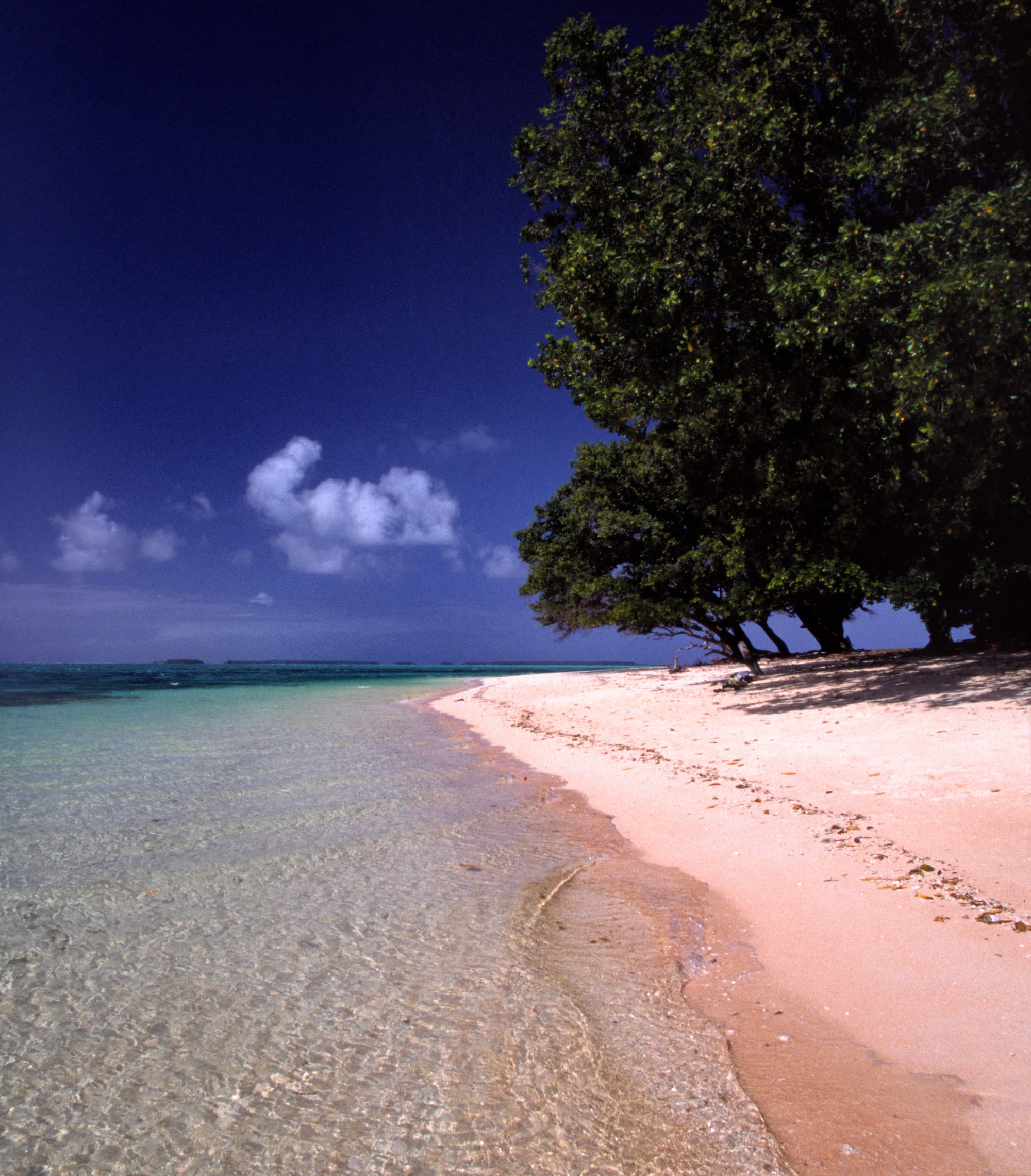
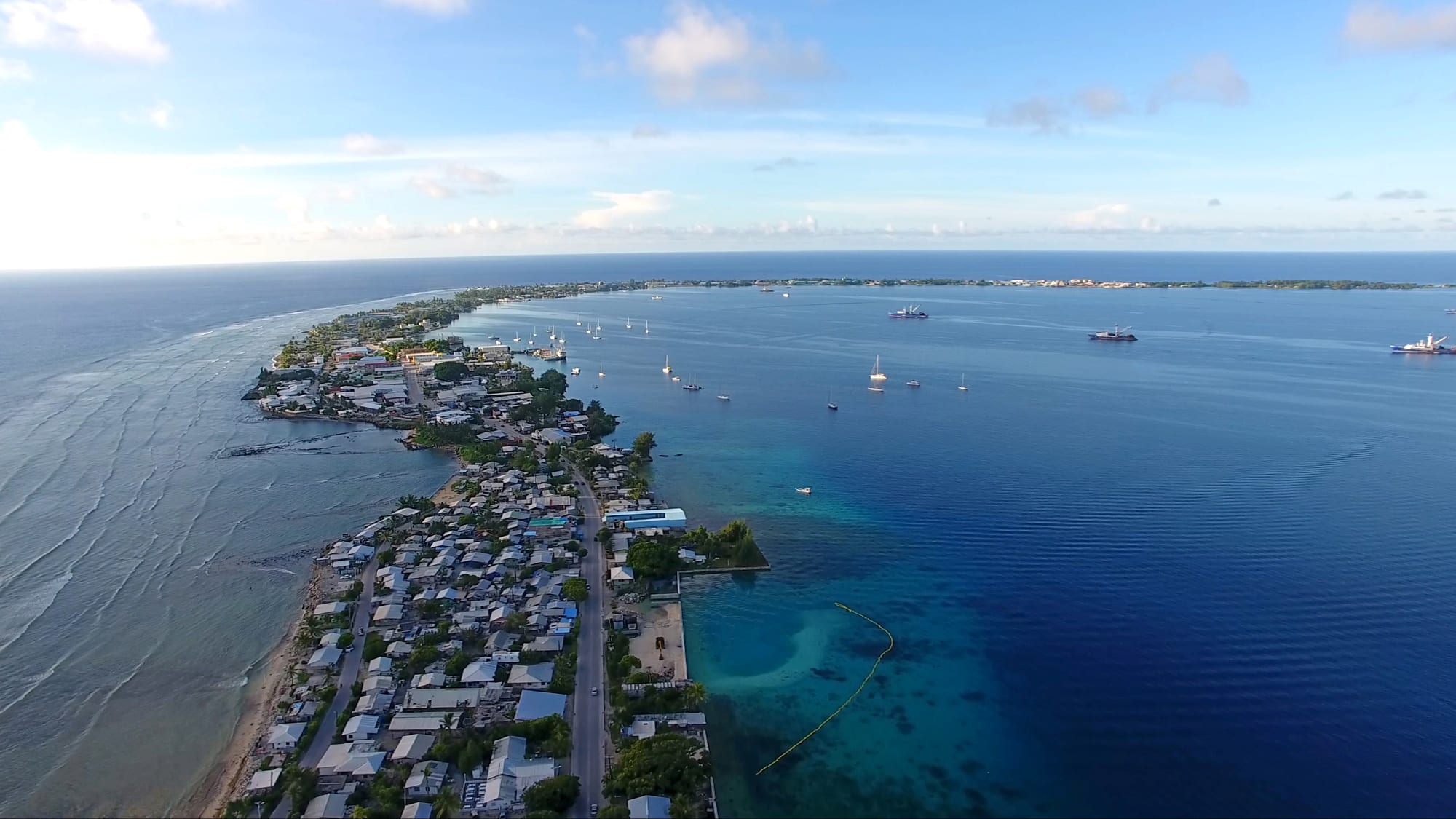
Majuro, the capital atoll, strings a narrow ribbon of land — in places barely wider than the road — around a lagoon of some 114 square miles. Its main strip holds government buildings and shops; the quieter western end, around Laura village, has the best beaches and a slower pace. Traditional outrigger canoes are still built in Majuro and raced on its lagoon.
It is the country's main transport hub, with flights to Honolulu, Guam, and a few Pacific neighbours such as Nauru and Kiribati.
2. Bikini Atoll
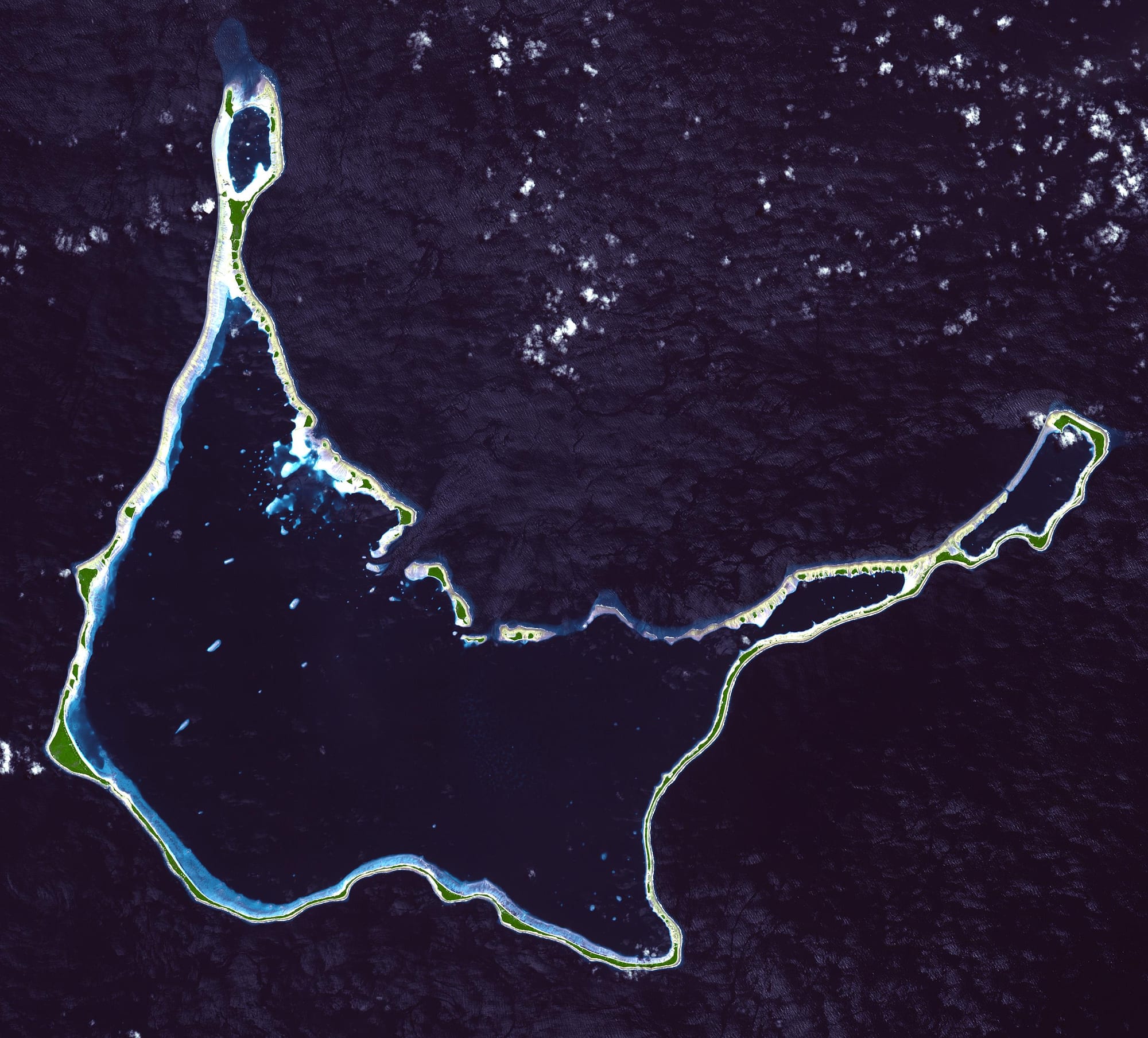
Bikini Atoll, evacuated in 1946 so the US military could test 23 nuclear weapons here over the following twelve years — including Castle Bravo in 1954, the most powerful nuclear device the United States has ever detonated — remains one of the most significant sites of the nuclear age, and its former residents and their descendants have still not been able to permanently resettle it. It is a UNESCO World Heritage Site for that history, and the sunken fleet of target ships in its lagoon, including the aircraft carrier USS Saratoga, draws experienced wreck divers from around the world.
Access is by specialist liveaboard dive trips from Majuro, when they run.
3. Arno Atoll
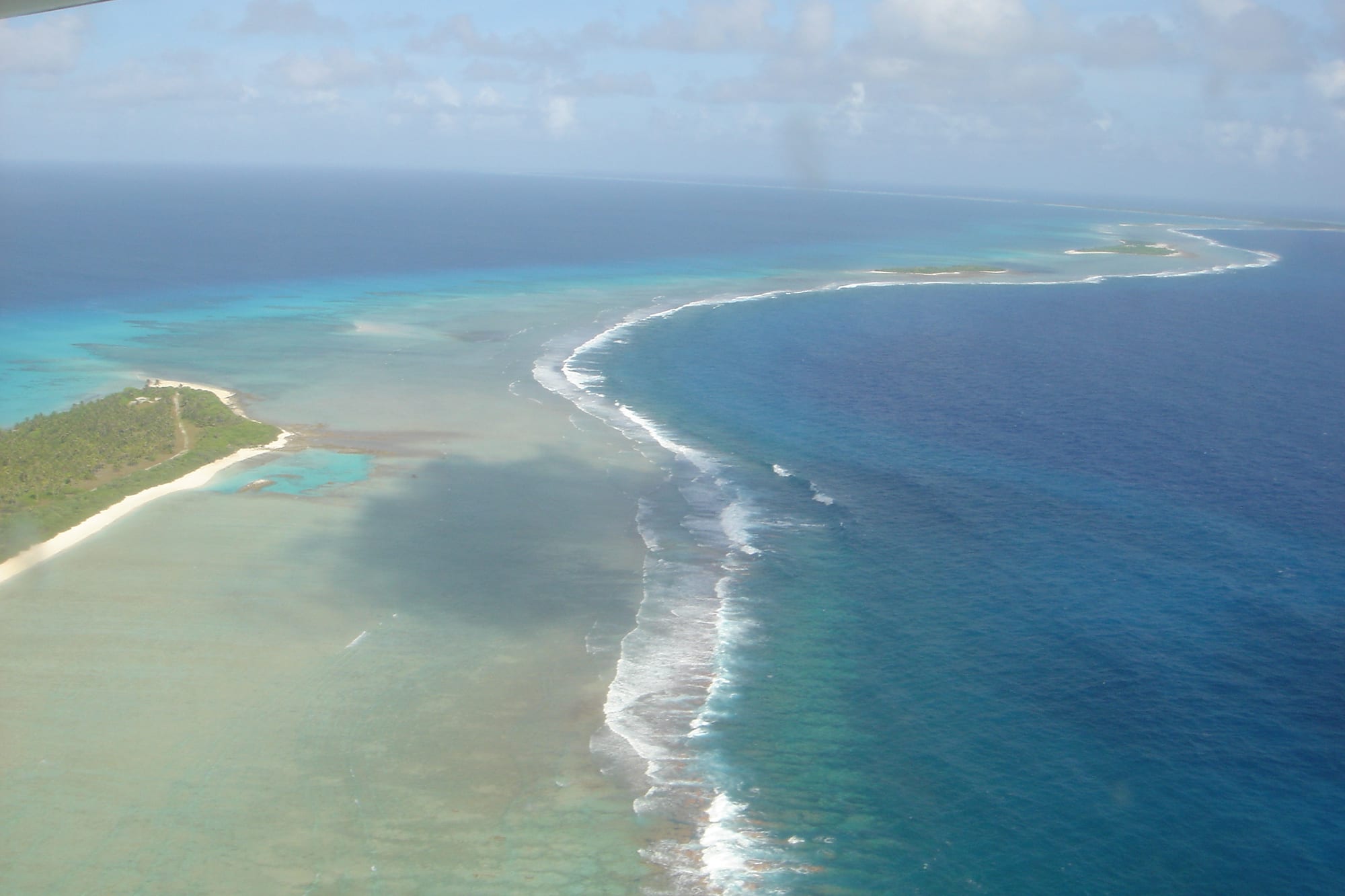
Arno, a short boat ride from Majuro and only about 12 miles away, is a quieter, more traditional atoll of small villages, quiet beaches, clear water, and Second World War relics. It offers a glimpse of outer-island Marshallese life without the long-haul flights needed to reach the far-flung western and northern atolls.
Facilities are simple.
4. Traditional canoe culture and wave-piloting
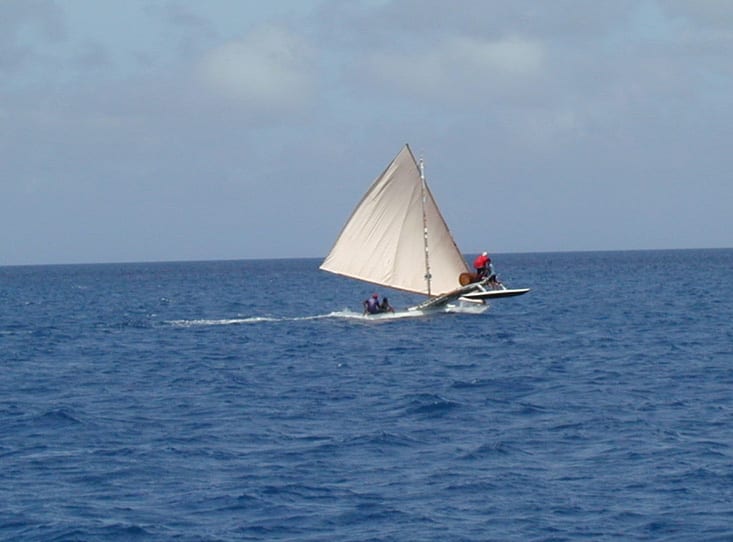
Marshallese navigators developed a unique open-ocean wayfinding system, reading subtle patterns in ocean swells refracted and reflected by distant islands — recorded on "stick charts" woven from palm ribs and shells that mapped these wave patterns rather than geography as most maps do. Though the tradition nearly died out, canoe-building and sailing has seen a revival, and traditional outrigger canoes are still built and raced in some communities.
Examples of stick charts are held in the Alele Museum in Majuro.
5. Jaluit Atoll
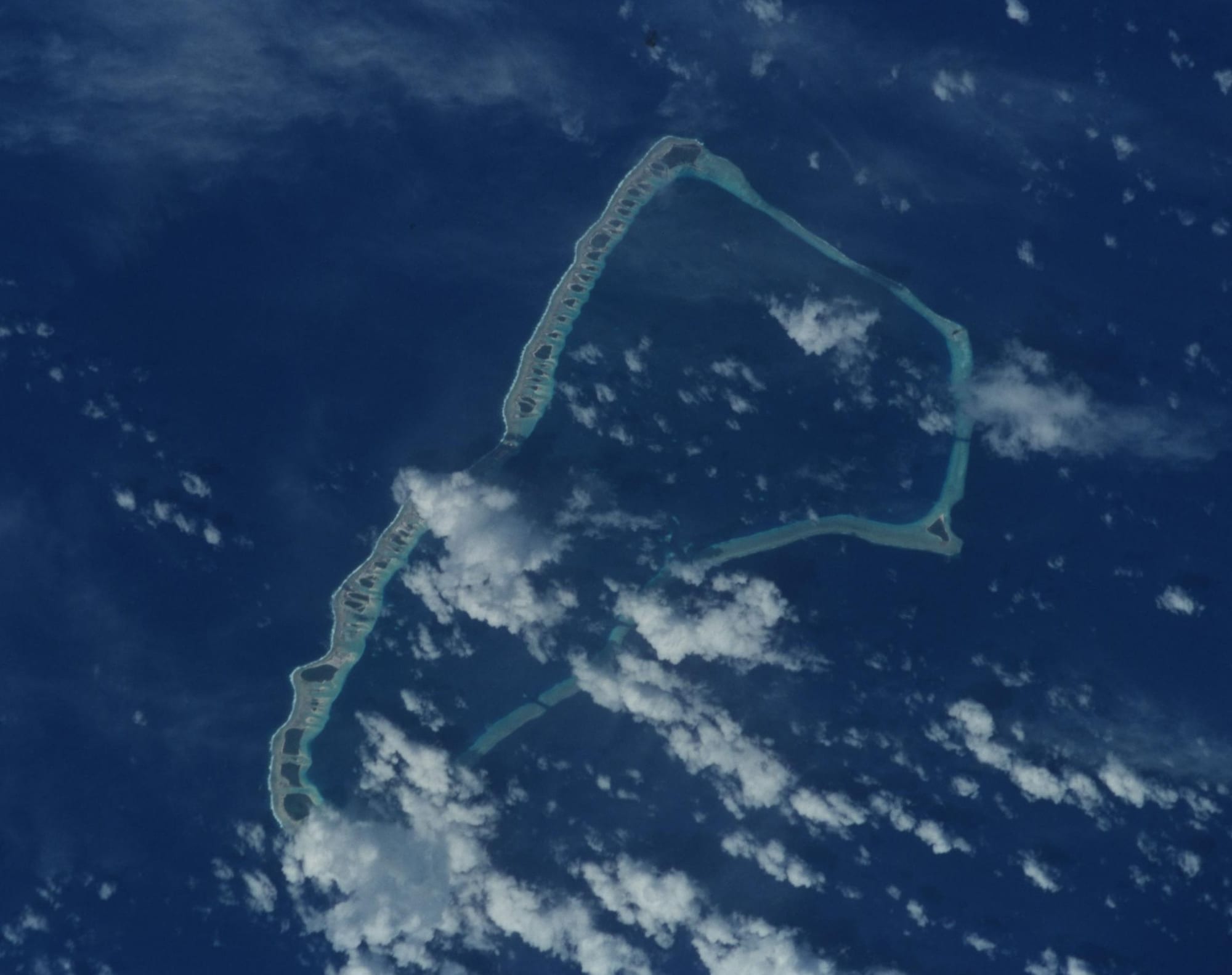
Jaluit was the administrative capital of the islands under both German and Japanese colonial rule and a significant Japanese military base in the Second World War, bombed repeatedly by US aircraft from late 1943. On the islet of Imiej, once a Japanese seaplane base, ruins of the power station, barracks, anti-aircraft guns, and a Shinto shrine remain, a quieter and less visited counterpart to the Pacific's better-known WWII battle sites.
It is reached by small plane from Majuro, with very limited facilities.
6. The lagoons and reef life
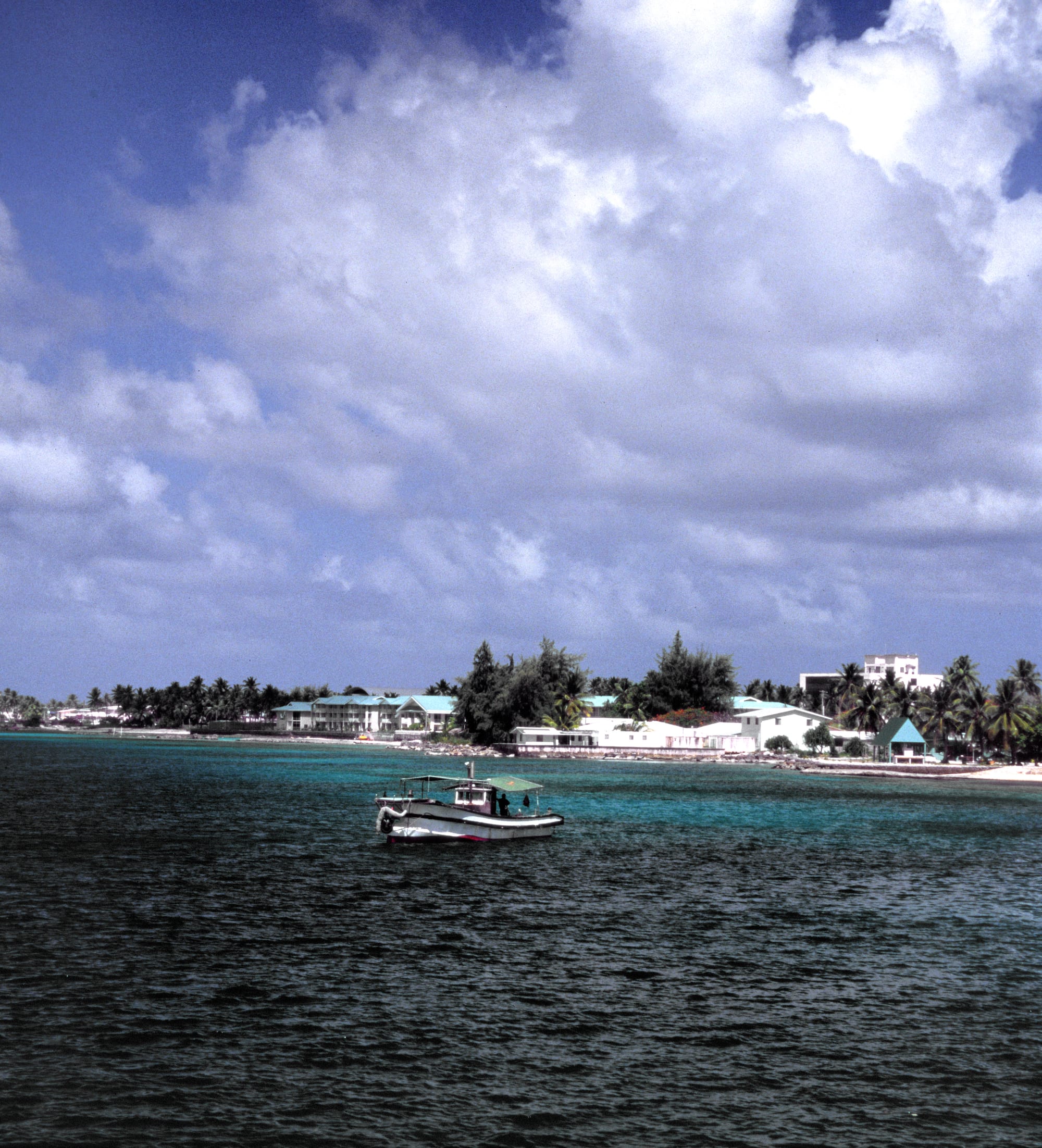
Beyond the named sights, the Marshall Islands' real draw for the few travellers who make it here is the ordinary lagoon and reef environment itself — sport fishing for big ocean fish, some of the Pacific's least-visited reefs, and a degree of isolation few other countries can match. Fishing charters and small dive operators run out of Majuro to nearby reefs and channels.
It rewards travellers who want somewhere genuinely far from anywhere else.
A note on the sea and its history
The Marshall Islands are, like Kiribati and the Maldives, extremely low-lying and highly exposed to sea-level rise — a matter the government has raised prominently in international climate forums. They also carry the lasting legacy of Cold War nuclear testing: several islands remain contaminated or off-limits, and the health and land-rights consequences for the Marshallese people are still being addressed through ongoing compensation processes. Visitors will find these subjects present in local conversation, museums, and memorials, not just history.
Travel here is genuinely remote and requires real planning around infrequent flights; a trip usually centres on Majuro, with a specialist add-on (diving, fishing, or an outer-atoll visit) for those with more time and budget.