Food · Marshall Islands
Marshall Islands: Food and the National Dish
A Pacific atoll nation with almost no farmland, where fish, coconut and breadfruit carry the everyday diet and tuna fishing quietly anchors the economy
By Globeway Editorial · 30 September 2026
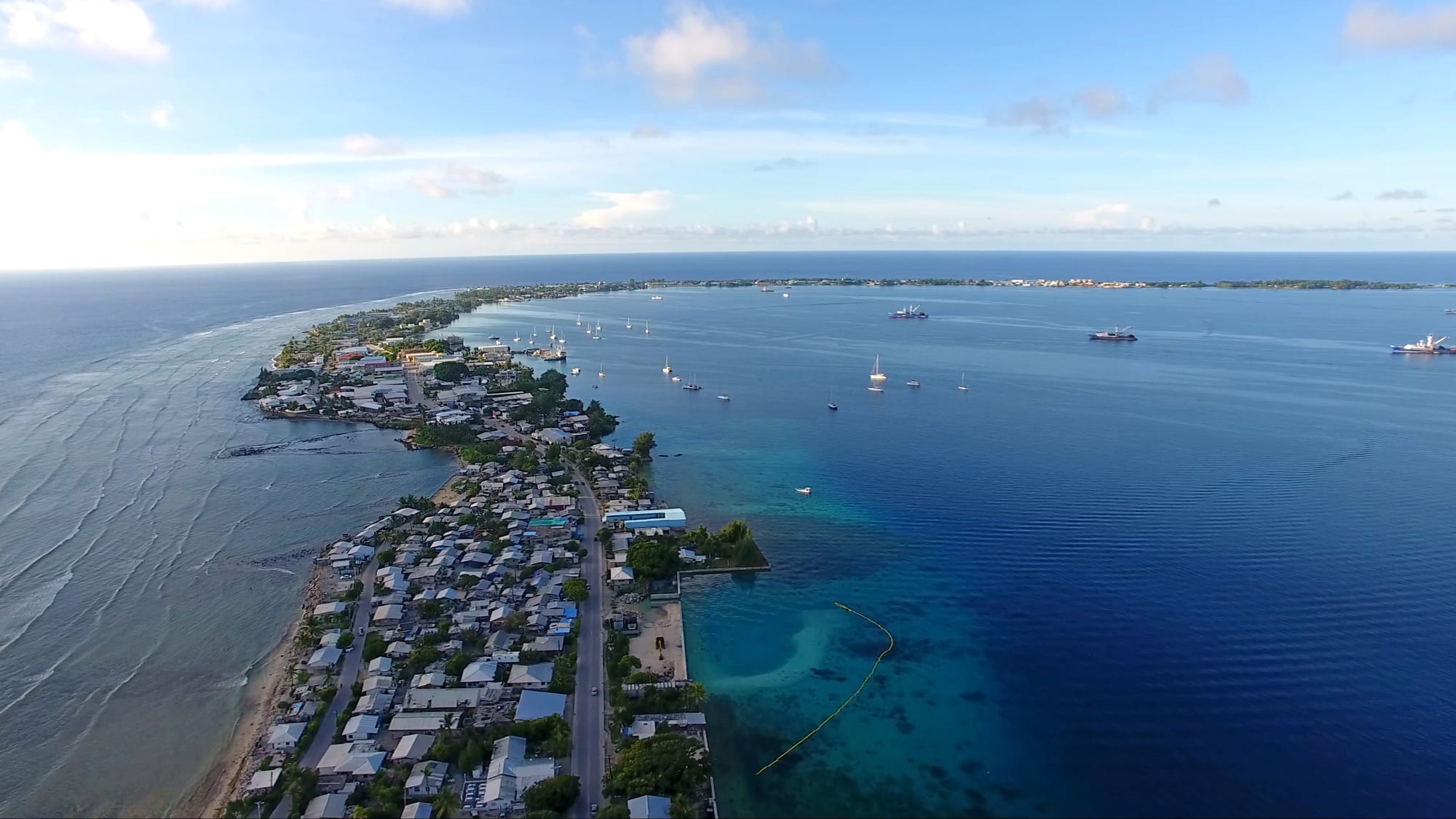
Food from an ocean nation with almost no land
The Marshall Islands are spread across low-lying coral atolls in the central Pacific, with almost no soil suitable for farming, so food here centres overwhelmingly on the ocean and the coconut palm. No single dish has a confidently documented claim as an official national dish, so this article describes what is actually eaten rather than reaching for one.
Fish, coconut and breadfruit
Fresh fish, caught locally and often prepared simply, fried, grilled or eaten raw as sashimi, is the most common everyday protein; Marshallese has dozens of words and phrases for fishing techniques alone. Coconut, breadfruit, pandanus, bananas and taro, crops that can be grown on the atolls, round out the traditional Marshallese diet, supplemented today by imported rice, flour, sugar and packaged goods given how little can be grown locally.
Tuna and the modern Marshallese economy
The Marshall Islands controls a vast exclusive economic zone in the Pacific and has become a significant player in regional tuna fishing. Fishing licence fees, mostly for tuna, bring the government notable income, and Majuro hosts transshipment operations and tuna processing for export. Alongside copra, the dried coconut kernel pressed for oil, fisheries are one of the country's main economic activities.
Dishes to know
Five staples worth recognising in the Marshall Islands:
- Coconut crab — a large land crab eaten as a delicacy; hunting has
reduced its numbers across its range.
- Breadfruit — a starchy staple, roasted or mashed, and eaten at
most meals.
- Pandanus — a fibrous fruit, eaten fresh or dried into a paste
(mokwan or jããnkun) that keeps for years.
- Bwiro — fermented breadfruit paste wrapped in banana leaves and
cooked in an underground oven, which can keep for months.
- Chukuchuk — golf-ball-sized balls of rice and shredded coconut,
served as a side dish or on special occasions.
Eating as a traveller
The Marshall Islands imports a substantial share of its food given how little can be grown locally, so rice and tinned goods sit alongside fresh fish and coconut on most tables, especially in Majuro. Tap water safety varies by atoll; bottled or boiled water is the safer default. Outer atolls, reachable mainly by small boat or infrequent flights that are often delayed, offer a more traditional, fish-and-coconut-based diet than the capital.
What to take from the table
Fresh fish with coconut and breadfruit is the truest picture of everyday food in the Marshall Islands — plain, resourceful cooking from a nation whose land amounts to only a thin, scattered strip of coral across an enormous stretch of ocean.