Attractions & Natural Wonders · Martinique
Martinique: Eight Attractions and Natural Wonders
A volcano that wiped out a city in two minutes flat, its ruins still standing, a rock fortified by the Royal Navy, and rum distilleries on old plantation estates
By Globeway Editorial · 30 September 2026
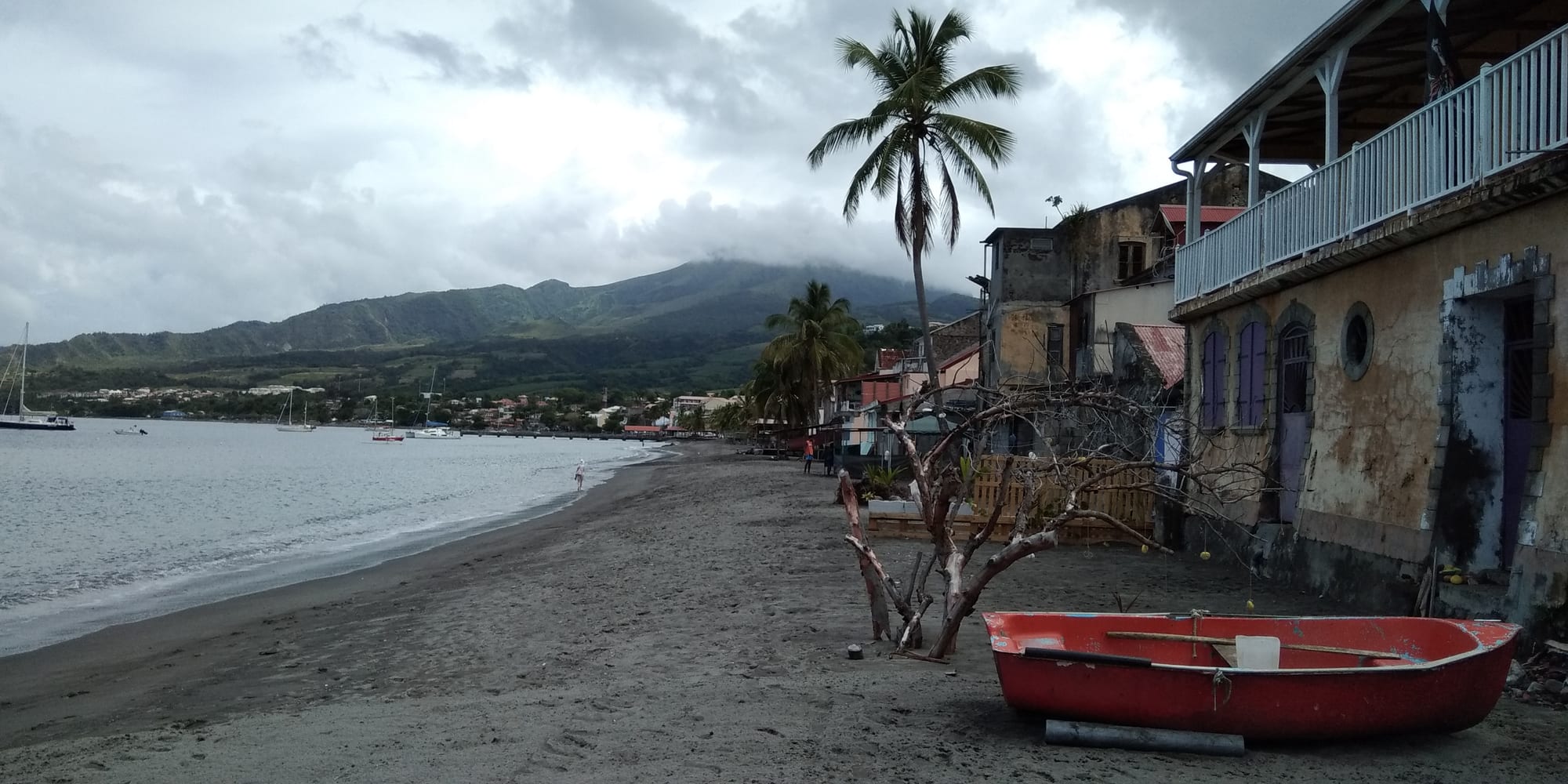
The island of flowers
Martinique, an overseas region of France in the Lesser Antilles, is a volcanic island of rainforest peaks, black- and white-sand beaches, and a Creole culture shaped by French, African, and Caribbean influences — it uses the euro, sends deputies to the French parliament, and is part of the European Union. About 350,000 people live here, and it was the childhood home of Empress Joséphine, wife of Napoleon.
The eight below run from the volcanic north to the beaches of the south. It is warm year-round; the dry season (December to April) is the most popular, with a hurricane risk from June to November.
1. Saint-Pierre
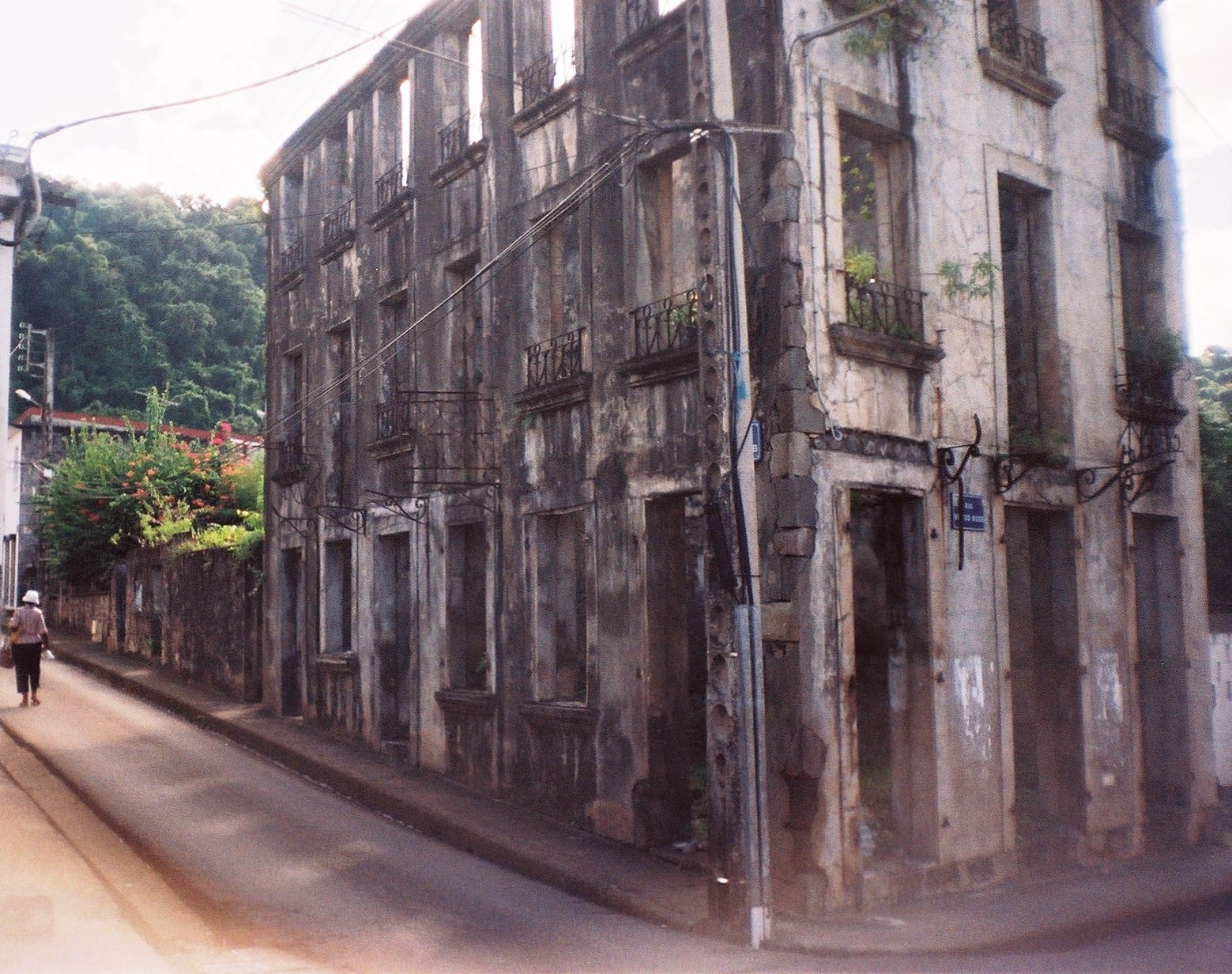
Saint-Pierre was once the "Paris of the Caribbean", Martinique's largest city and cultural capital, until Mount Pelée erupted on 8 May 1902 and destroyed it in minutes, killing an estimated 28,000–30,000 people — one of the deadliest volcanic disasters in recorded history. Only a handful survived, including a prisoner shielded in a thick-walled cell. The rebuilt town today, much smaller, keeps many ruins of the old city, including the prison, alongside the volcanological museum (Musée Frank-A.-Perret) documenting the disaster.
2. Mount Pelée
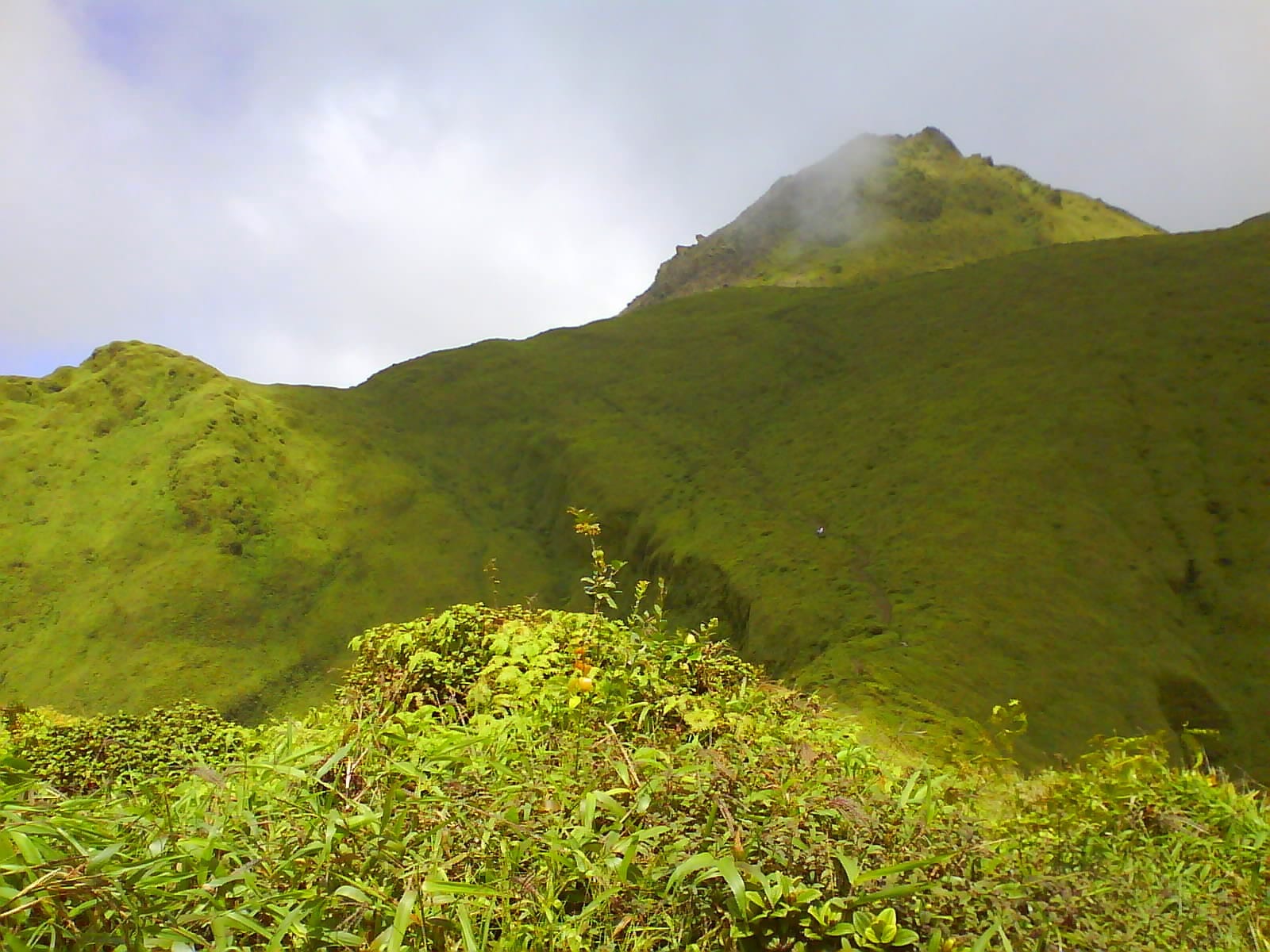
Mount Pelée, at 1,397 metres, is still an active volcano, watched by the island's volcano observatory, and since 2023 its volcanoes and forests, with the peaks of northern Martinique, have been a UNESCO World Heritage Site. Paths climb towards the summit, weather and cloud cover permitting.
The mountain's shadow, quite literally, falls over everything else in this part of the island.
3. Fort-de-France
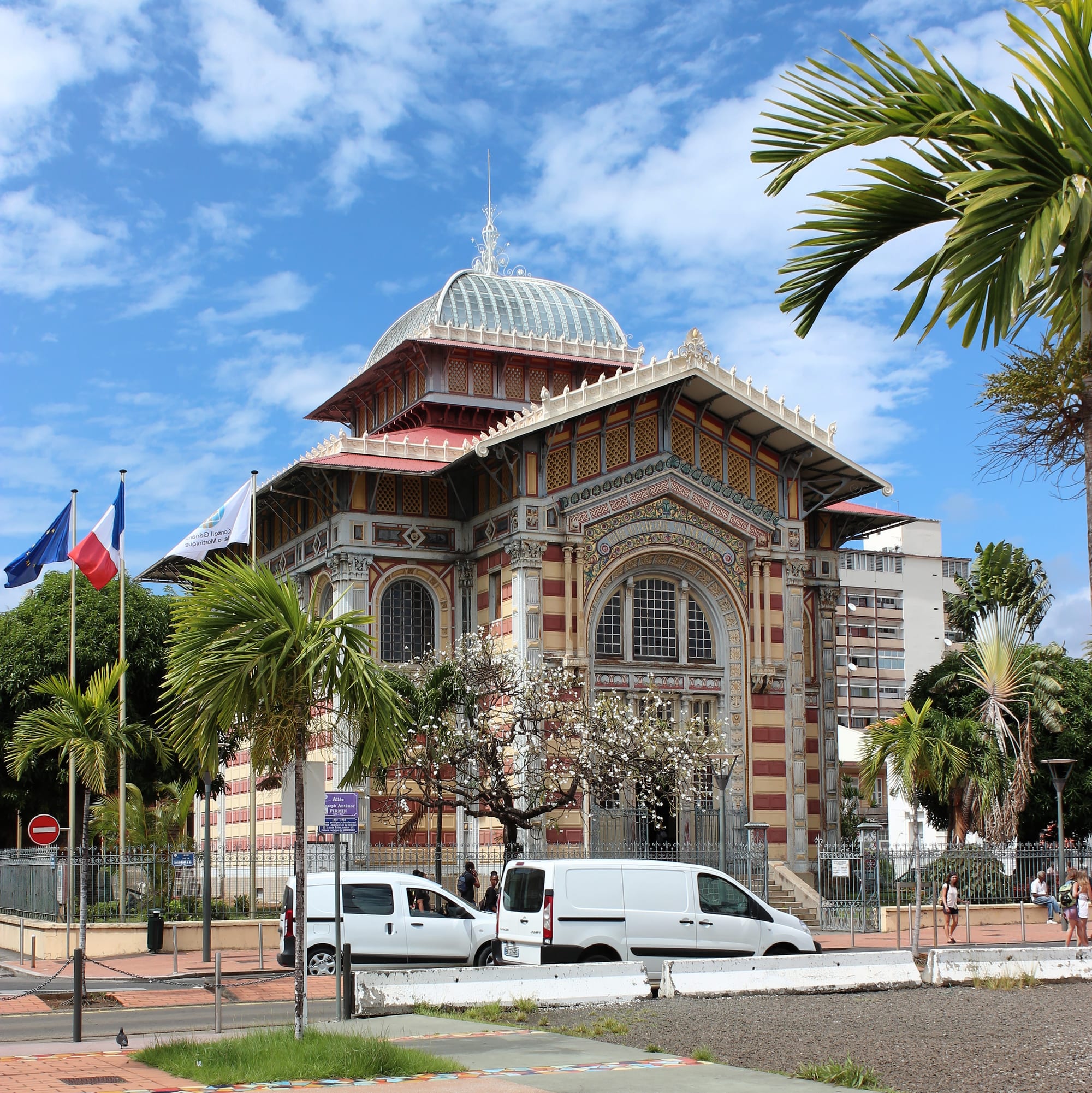
Fort-de-France, the capital, has been Martinique's main city since Saint-Pierre's destruction — a lively port with the ornate Schœlcher Library (named for the French abolitionist, built for the 1889 Paris Exposition and shipped over piece by piece), the Vauban-style Fort Saint-Louis, still an active naval base, on the harbour, the Savane park, and busy markets.
Its hillside suburbs and traffic give it a more workaday feel than the beach resorts elsewhere on the island.
4. Habitation Clément
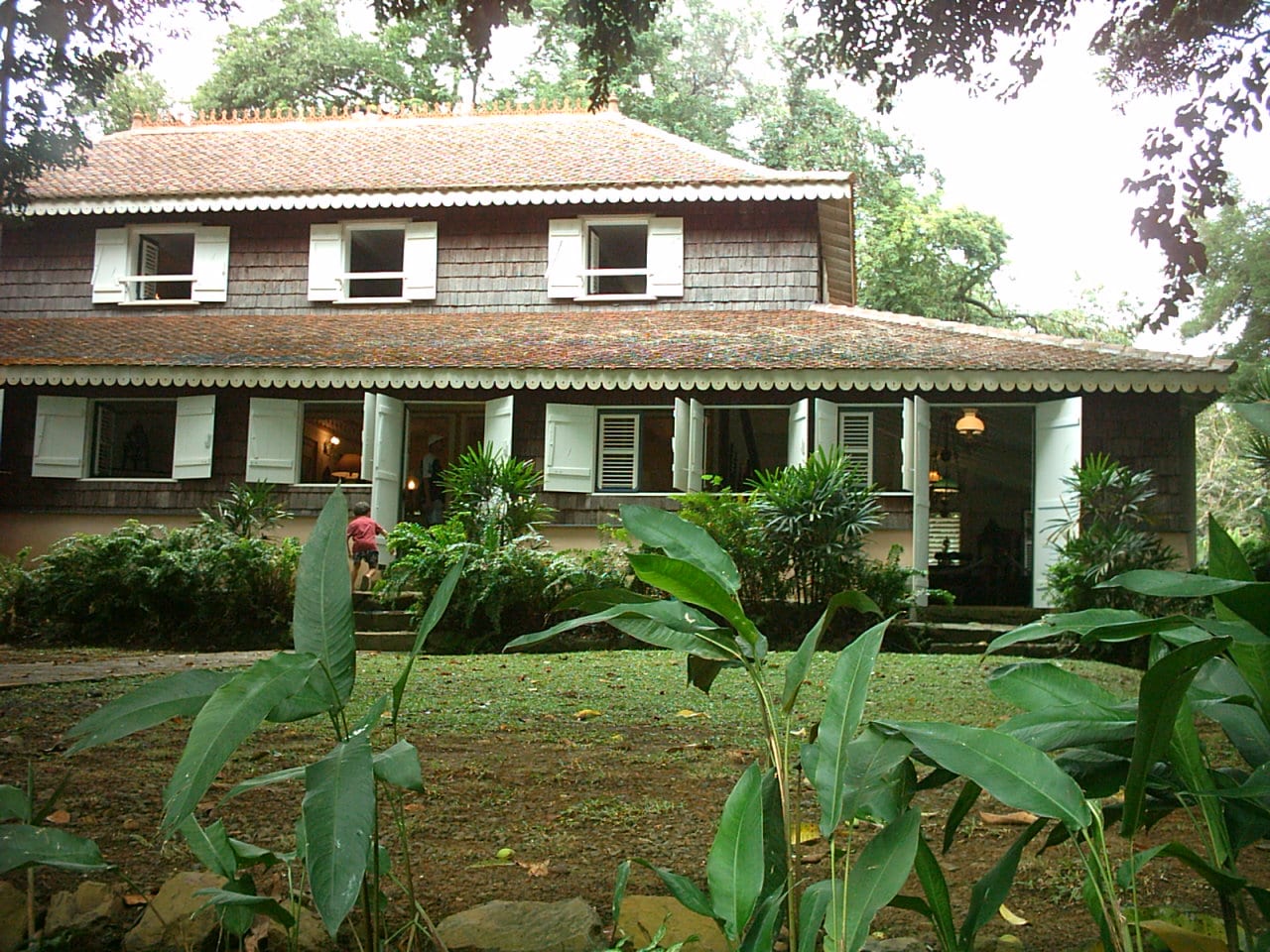
Martinique produces rhum agricole — distilled from fresh-pressed cane juice rather than molasses, and the only rum in the world with its own French AOC designation. Habitation Clément, a restored 19th-century plantation estate near Le François, tours its distillery, aging cellars, botanical gardens, and grand Creole house (host to a 1991 US-French summit between George Bush and François Mitterrand), and is the best-known of several distilleries open for tastings across the island.
Depaz and Saint James, in the north of the island, are other historic estates worth a stop.
5. Diamond Rock
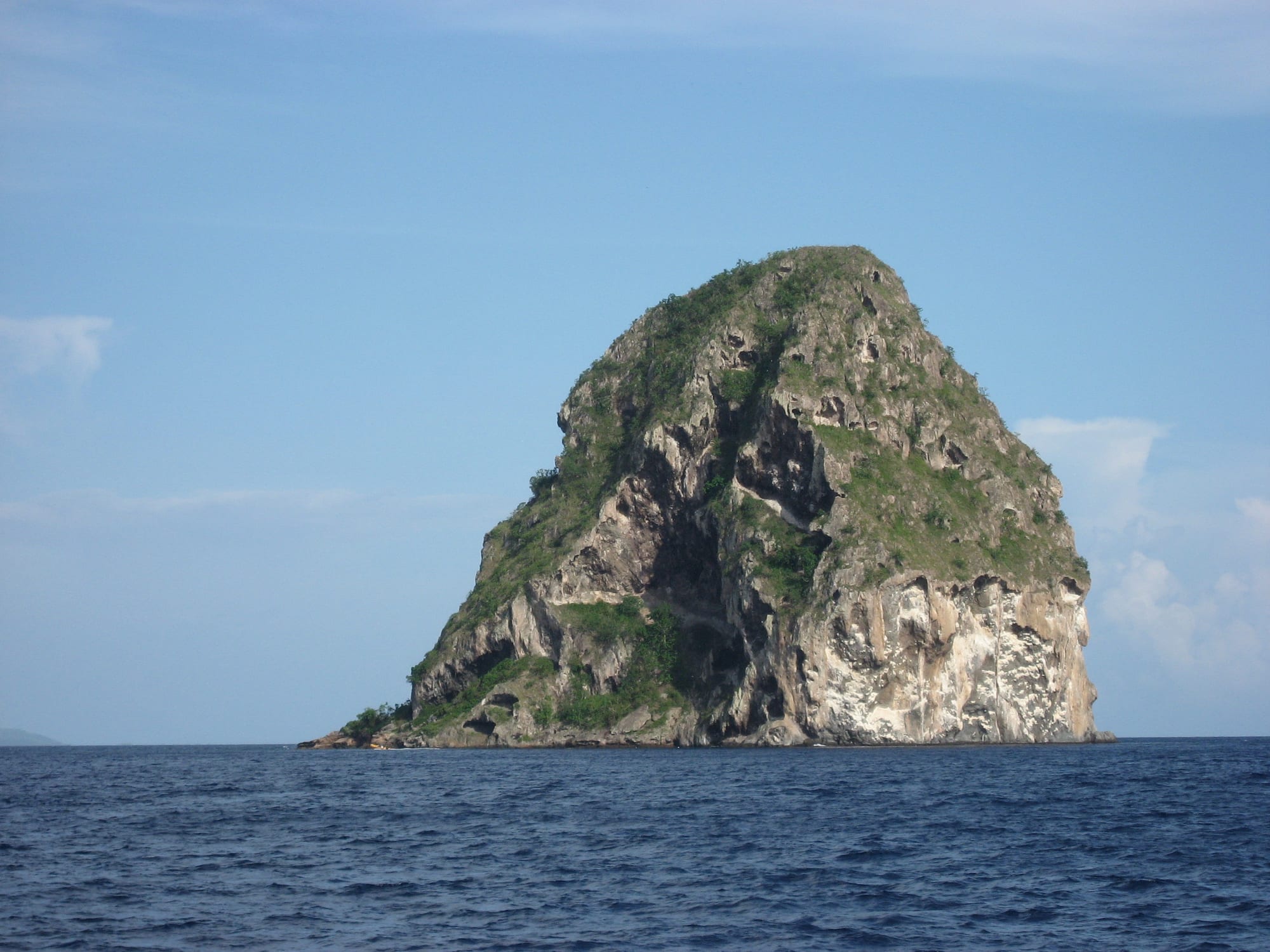
Off the southern coast near Le Diamant, a steep, uninhabited volcanic islet rises 175 metres straight from the sea. In 1804, during the Napoleonic Wars, the British Royal Navy fortified it with cannon and formally commissioned it as HMS Diamond Rock, using it to harass French shipping for over a year before a Franco-Spanish squadron captured it in mid-1805. It remains a striking landmark, and its underwater cavern draws experienced divers, though currents are strong.
It is best viewed and photographed from the beach at Le Diamant, with Diamond Rock as the backdrop.
6. Grande Anse des Salines
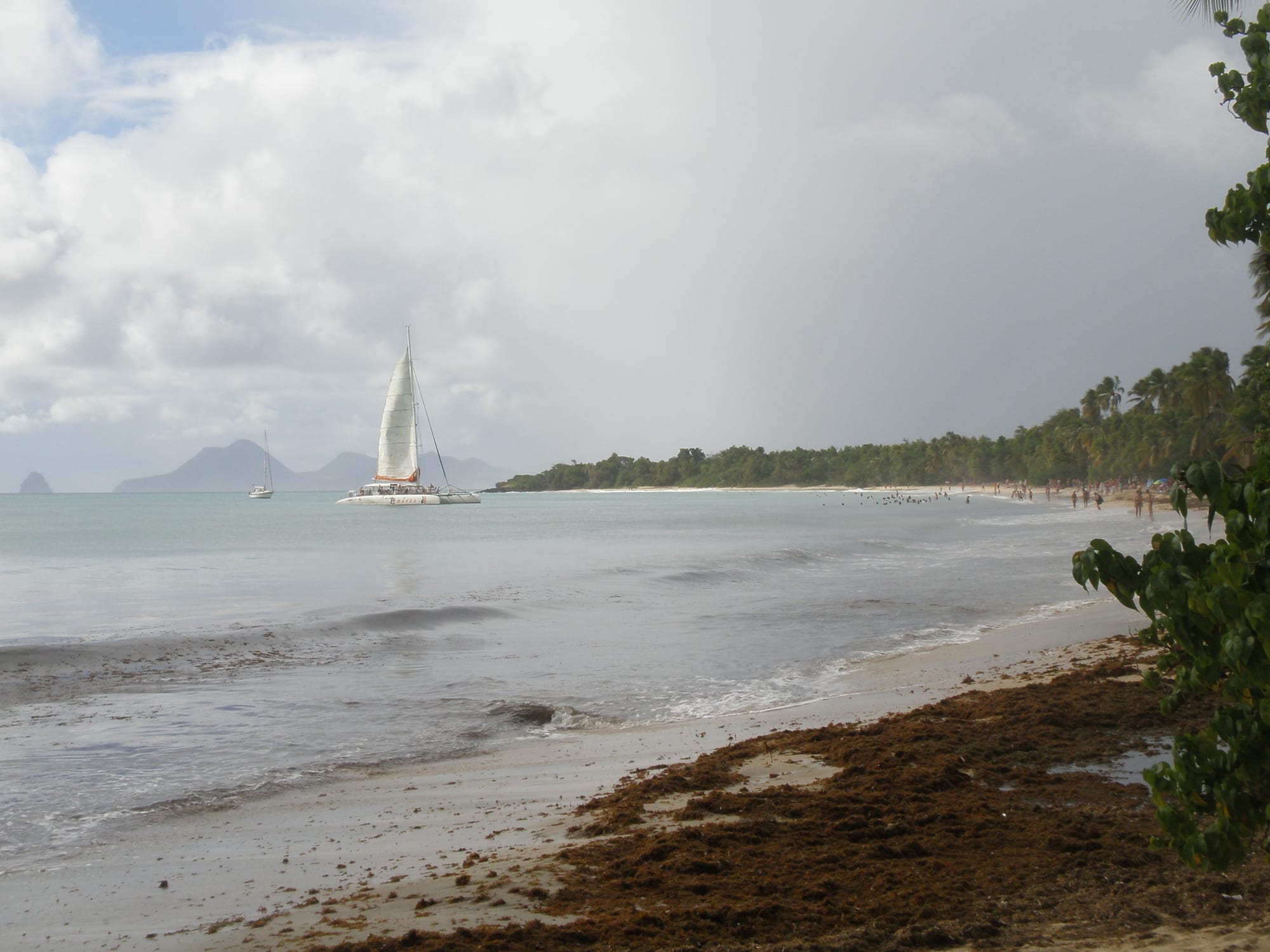
Grande Anse des Salines, near the town of Sainte-Anne on the island's southern tip, is a long, palm-lined white-sand beach with calm, shallow water — one of the best-known beaches in the south, where most of the island's tourism is found. It gets busy on weekends and holidays with local families, but the crescent is long enough to find space.
The drive down through Sainte-Anne, past smaller coves, is part of the appeal.
7. Les Anses d'Arlet
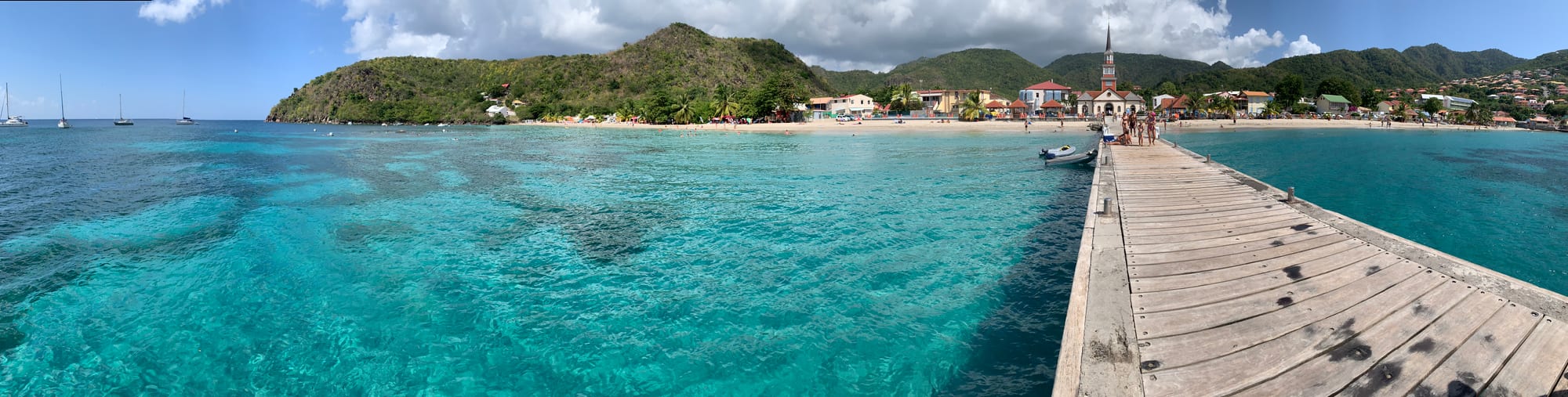
Les Anses d'Arlet, on the sheltered west (Caribbean) coast, is a cluster of small fishing villages and coves with a relaxed, unhurried feel, and calm clear water good for snorkelling, with sea turtles often seen in coves such as Grande Anse. It is quieter and more local than the busier resort beaches further south.
It makes a good day out from Fort-de-France or a base in its own right.
8. The Jardin de Balata
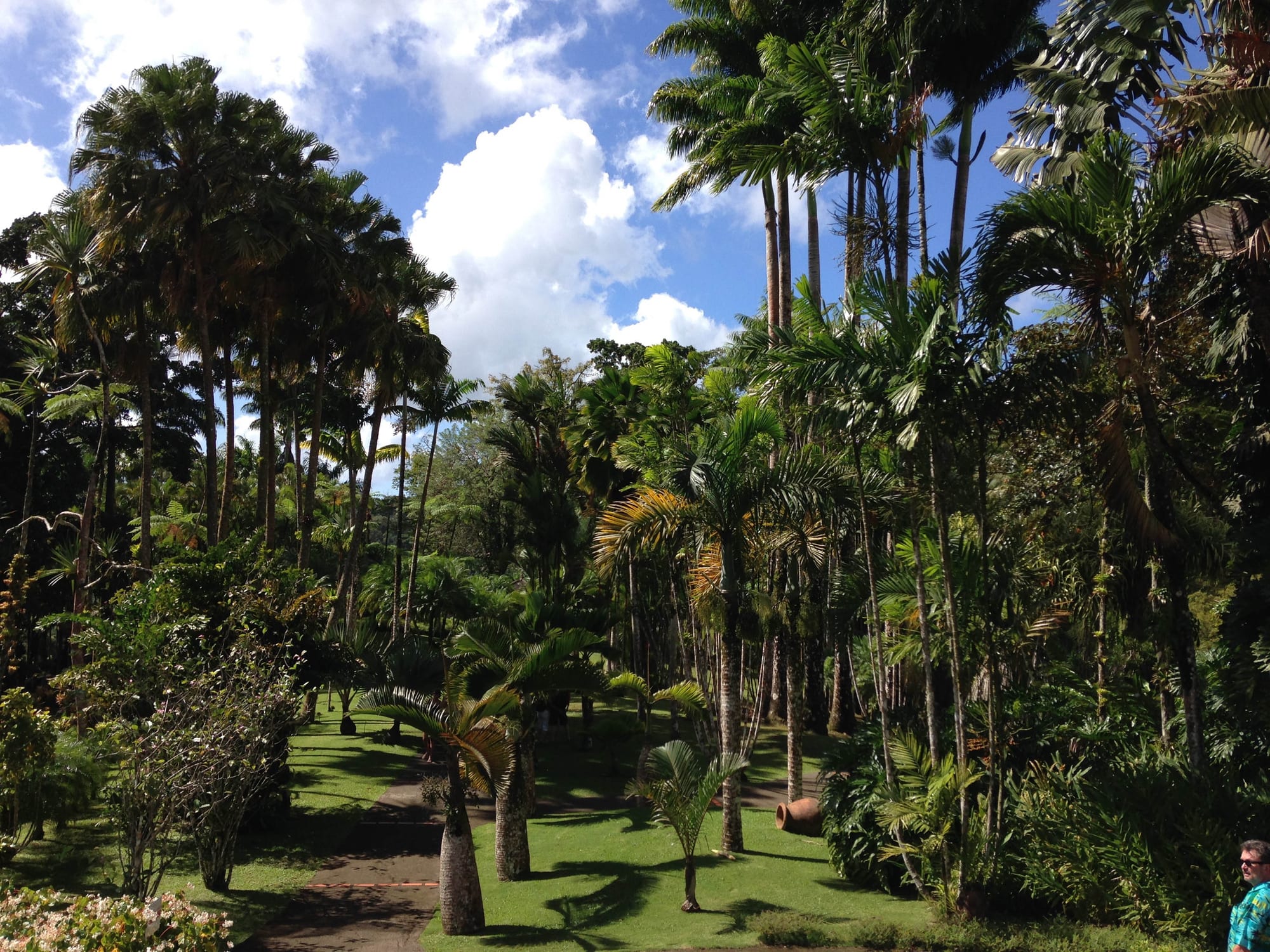
The Jardin de Balata, begun in 1982 by the horticulturist Jean-Philippe Thoze and opened in 1986, packs about 3,000 varieties of tropical plants, including 300 kinds of palm, into three hectares in the hills. It is a popular sight and a good introduction to Martinique's plant life before heading into the wilder rainforest.
It sits on the Route de Balata, about 10 kilometres outside Fort-de-France.
Martinique suits a car-based week: a few days around Fort-de-France and the volcanic north (Saint-Pierre, Mount Pelée, Balata), then south to the beaches around Sainte-Anne and Les Anses d'Arlet.