History · Martinique
Martinique: The Island of Césaire and Pelée
A French sugar colony where slavery was never interrupted, whose leading city was destroyed by a volcano in 1902 — birthplace of Négritude, and a department of France still arguing about it
By Globeway Editorial · 30 September 2026
A department, and an idea
Martinique is a mountainous, volcanic island in the eastern Caribbean, about 350,000 people on 1,100 square kilometres. Like Guadeloupe, it is a full department of France, inside the European Union. And it has an outsized place in intellectual history: it is the home of Aimé Césaire, Frantz Fanon and Édouard Glissant — thinkers, respectively, of Négritude, of the psychology of colonialism and anti-colonial revolt, and of Caribbean creole identity. Its history — sugar, slavery, a volcano, and a long argument about its relationship with France — runs through all their work.
A short history
- pre-1635
The Kalinago
Carib people call the island Madinina.
- 1635
French colony
France begins settlement; wars with the Kalinago follow.
- 1700s
The sugar peak
Martinique is one of France's richest slave colonies.
- 1794–1802
British occupation
Planters keep slavery, which France had abolished.
- 1848
Abolition
A slave uprising forces early emancipation.
- 1902
Mount Pelée
The eruption destroys Saint-Pierre, killing around 28,000.
- 1946
Departmentalisation
Martinique becomes a department of France.
- 1945–2001
The Césaire era
The poet-politician is mayor of Fort-de-France.
Sugar, slavery, and the British
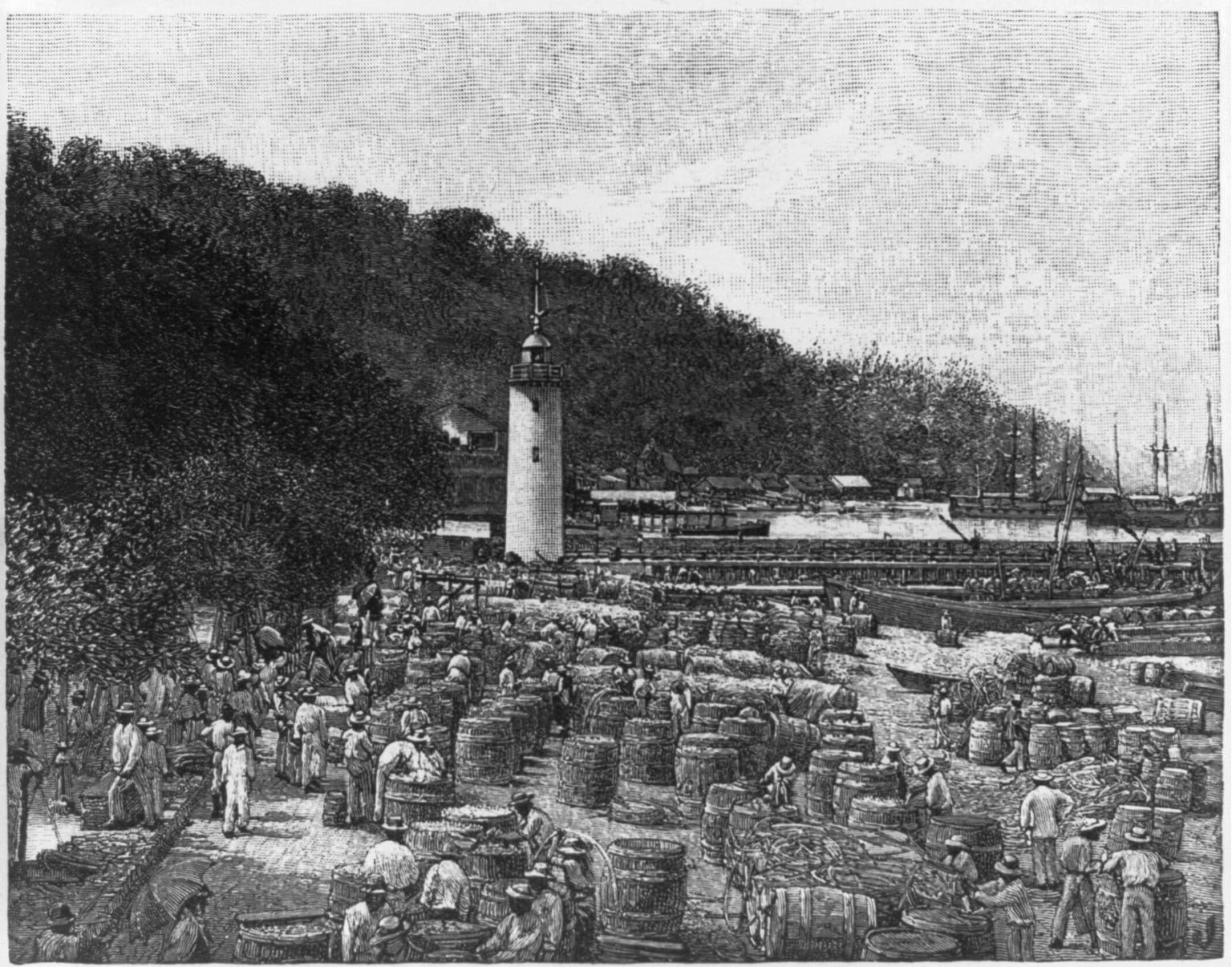
The Kalinago resisted European settlement, and France, arriving in 1635, fought them over the following decades, driving the survivors from their lands. Sugar plantations worked by enslaved Africans followed, and by the 1700s Martinique was one of France's most valuable colonies. Britain occupied it repeatedly; during the occupation of 1794–1802 the white creole planters — the békés — cooperated with Britain precisely to keep slavery, which revolutionary France had just abolished. So, unlike in Guadeloupe, slavery in Martinique was never interrupted.
After Napoleon reimposed it elsewhere, it continued in Martinique until the final French abolition of 1848 — hastened on the island by a slave uprising in May 1848 that forced local officials to proclaim emancipation before the decree arrived. Indentured labourers from India were then brought in, while the békés kept the plantations.
The destruction of Saint-Pierre
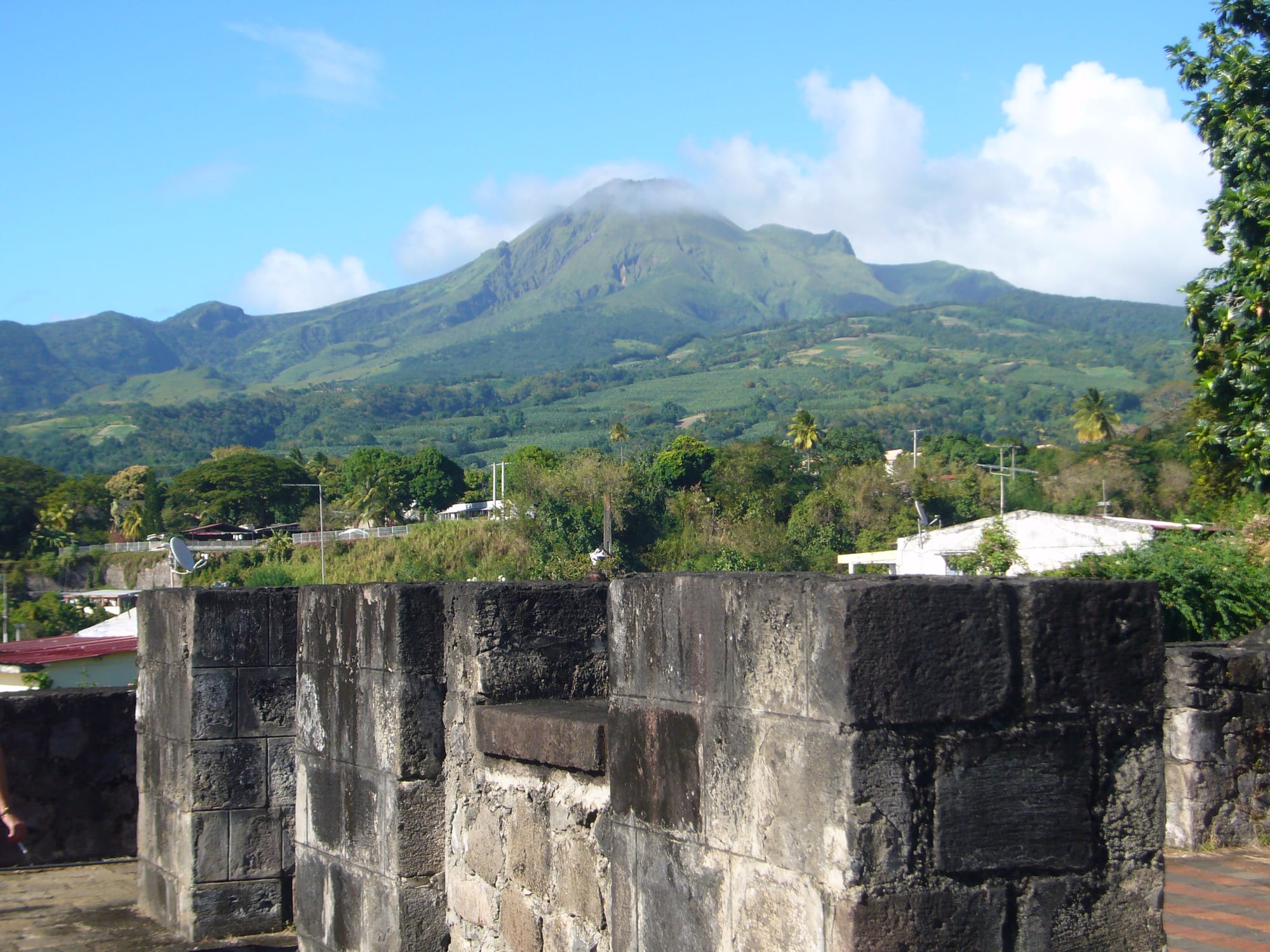
Saint-Pierre, in the north, was the island's economic and cultural capital — "the Paris of the Caribbean". On 8 May 1902, Mount Pelée erupted with a searing pyroclastic flow that destroyed the city in minutes, killing around 28,000 people — the deadliest volcanic disaster of the 20th century. Weeks of warning activity had not led to an evacuation. Fort-de-France, already the administrative capital, took its place as the island's leading city.
Départementalisation, and Césaire
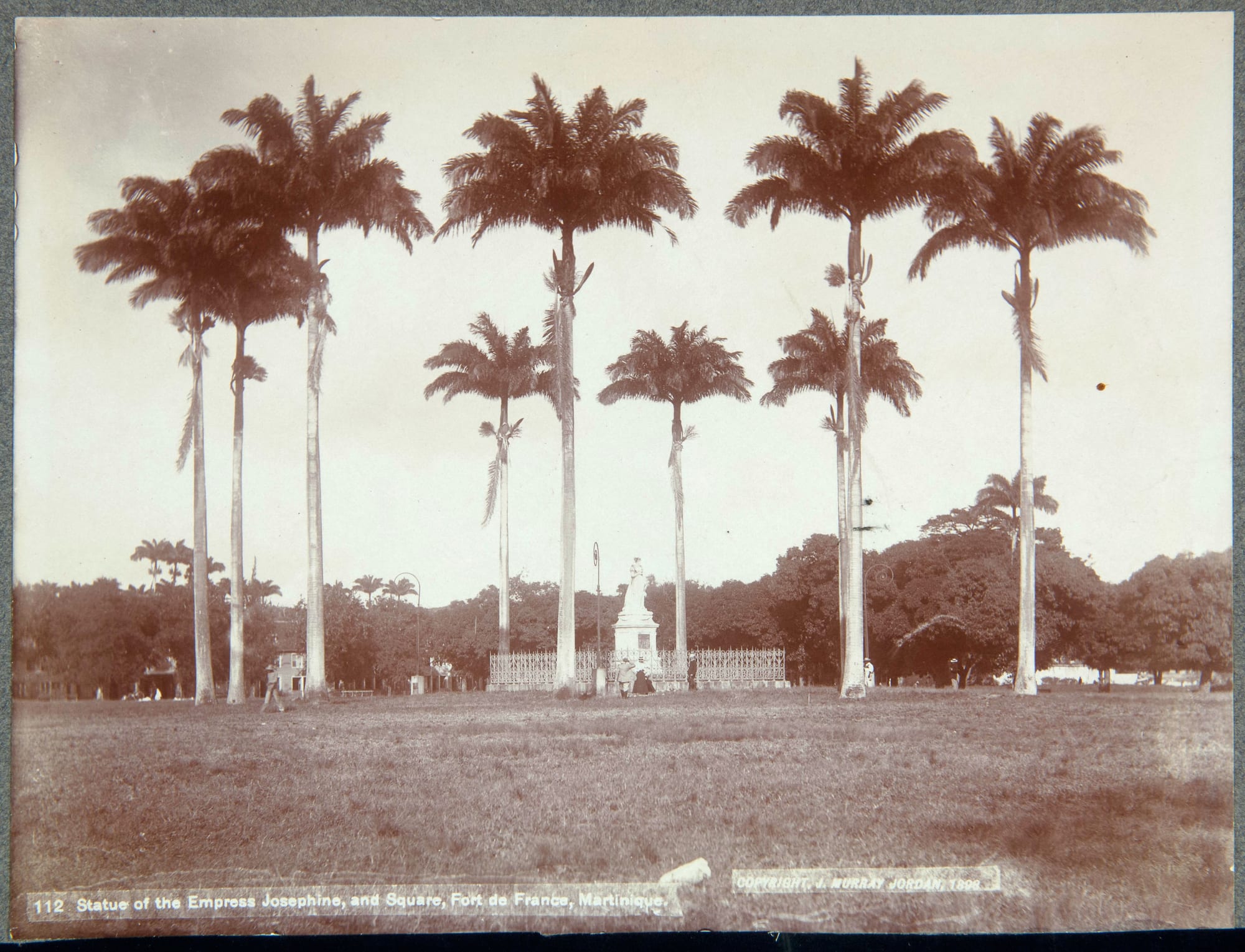
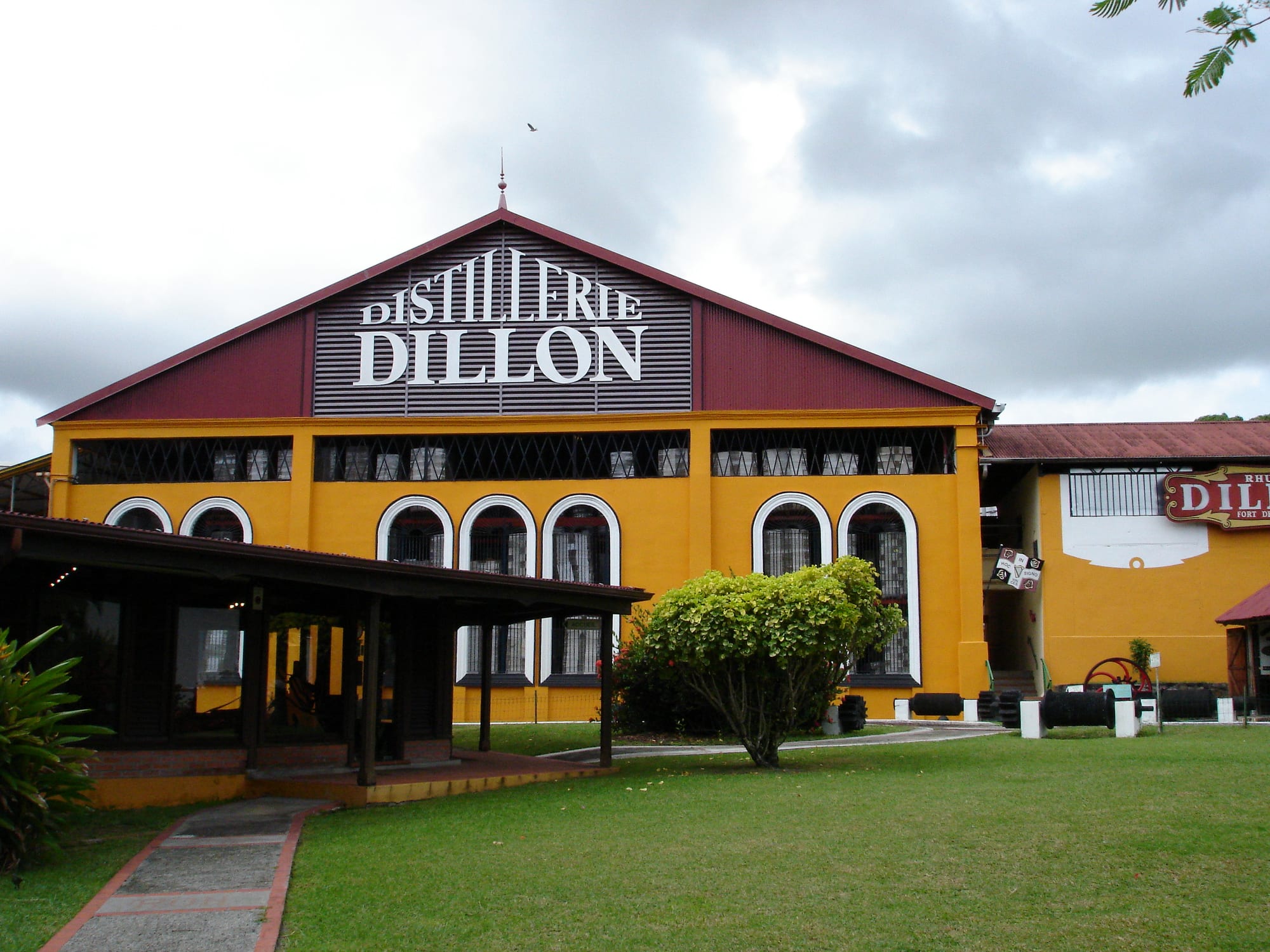
After the Second World War, Martinique became a French overseas department on 19 March 1946. The law's reporter in the National Assembly was Aimé Césaire — poet, co-founder of the Négritude movement, and mayor of Fort-de-France from 1945 until 2001. Departmentalisation brought French social benefits and wages, and also deeper assimilation, dependence on transfers from Paris, the collapse of local sugar in favour of bananas and rum, very high unemployment, and organised emigration to mainland France. Césaire himself moved from favouring assimilation toward autonomy, but independence never won a majority, and a 2010 referendum on greater autonomy was rejected.
Martinique now
Martinique's modern grievances mirror Guadeloupe's: the pesticide chlordécone, used on the banana plantations until 1993 and now found in the blood of more than 90 per cent of Martinicans, and the subject of a long legal fight over responsibility; the cost of living and the béké families' hold on land and commerce, which brought a general strike in 2009 and renewed protests in 2024; and a shrinking, ageing population as young people leave for France.
What Martinique carries
Martinique's plantation past was unusually unbroken — slavery never interrupted, the béké elite never dislodged — and that continuity is exactly what its thinkers, from Césaire to Glissant, set out to name and confront. Departmental status resolved the constitutional question in 1946 and left the deeper ones — land, memory, the chlordécone poisoning of the island itself — for the generations since.