Attractions & Natural Wonders · Mayotte
Mayotte: Six Attractions and Natural Wonders
One of the largest and deepest lagoons in the world, ringed by a barrier reef, a volcanic peak dropping straight to turquoise water, and a green crater lake unlike anywhere else in France
By Worldlore Editorial · 30 September 2026
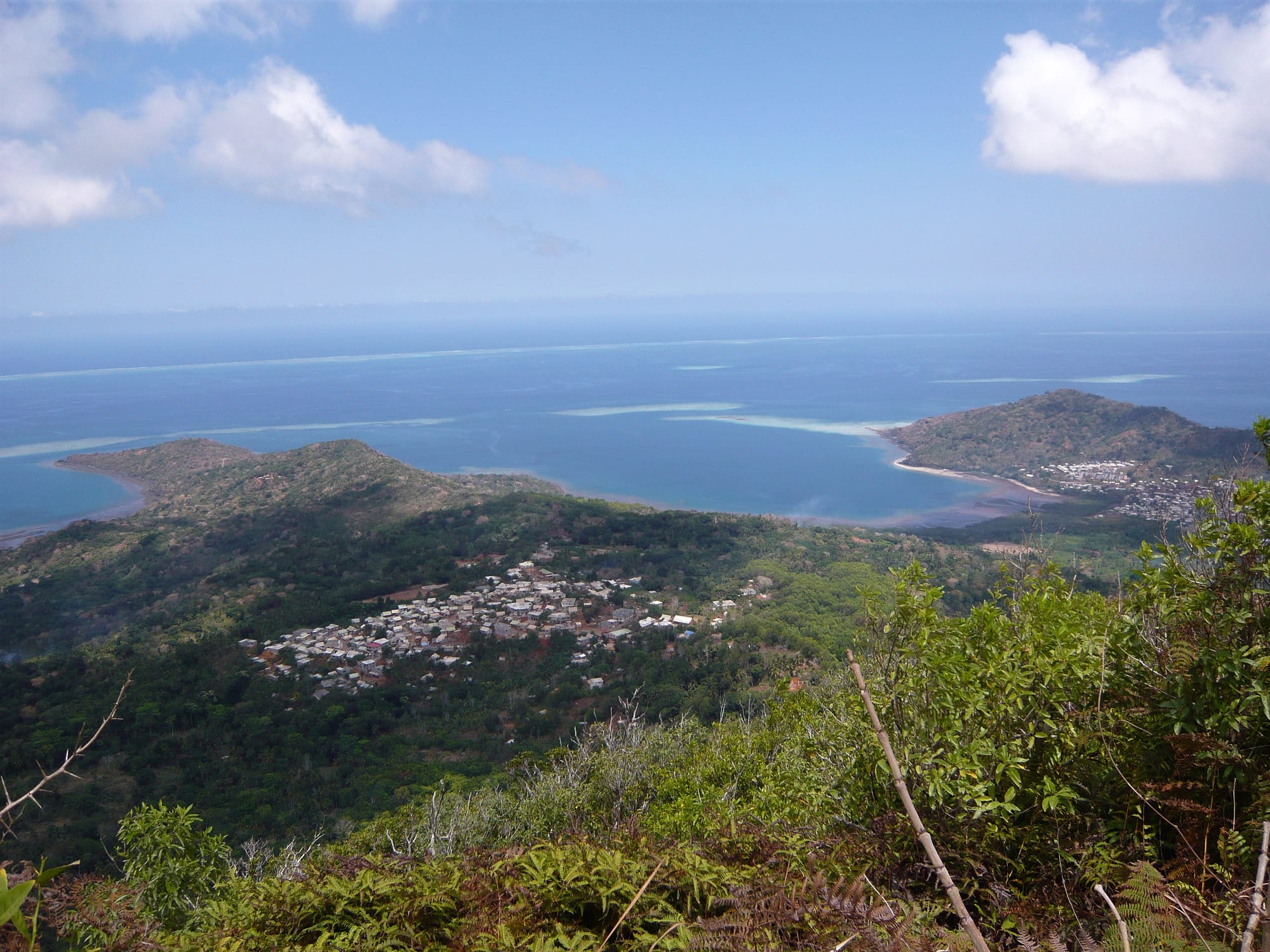
An island of France in the Comoros archipelago
Mayotte is an overseas department of France in the Mozambique Channel, part of the Comoros archipelago geographically and culturally but, unlike its neighbours, voted repeatedly to stay French — making it part of the European Union, using the euro; a full department since 2011, it is France's poorest. It has about 320,000 people, mostly Mahorais of Bantu and Malagasy descent and practising Islam, and one of the largest and deepest lagoons in the world, ringed by a nearly continuous barrier reef.
The six below are almost all built around that lagoon. It is warm year-round; the dry season (May to October) is the most comfortable for hiking and diving. Cyclone Chido struck the island hard in December 2024, and recovery is ongoing in places.
1. Mont Choungui
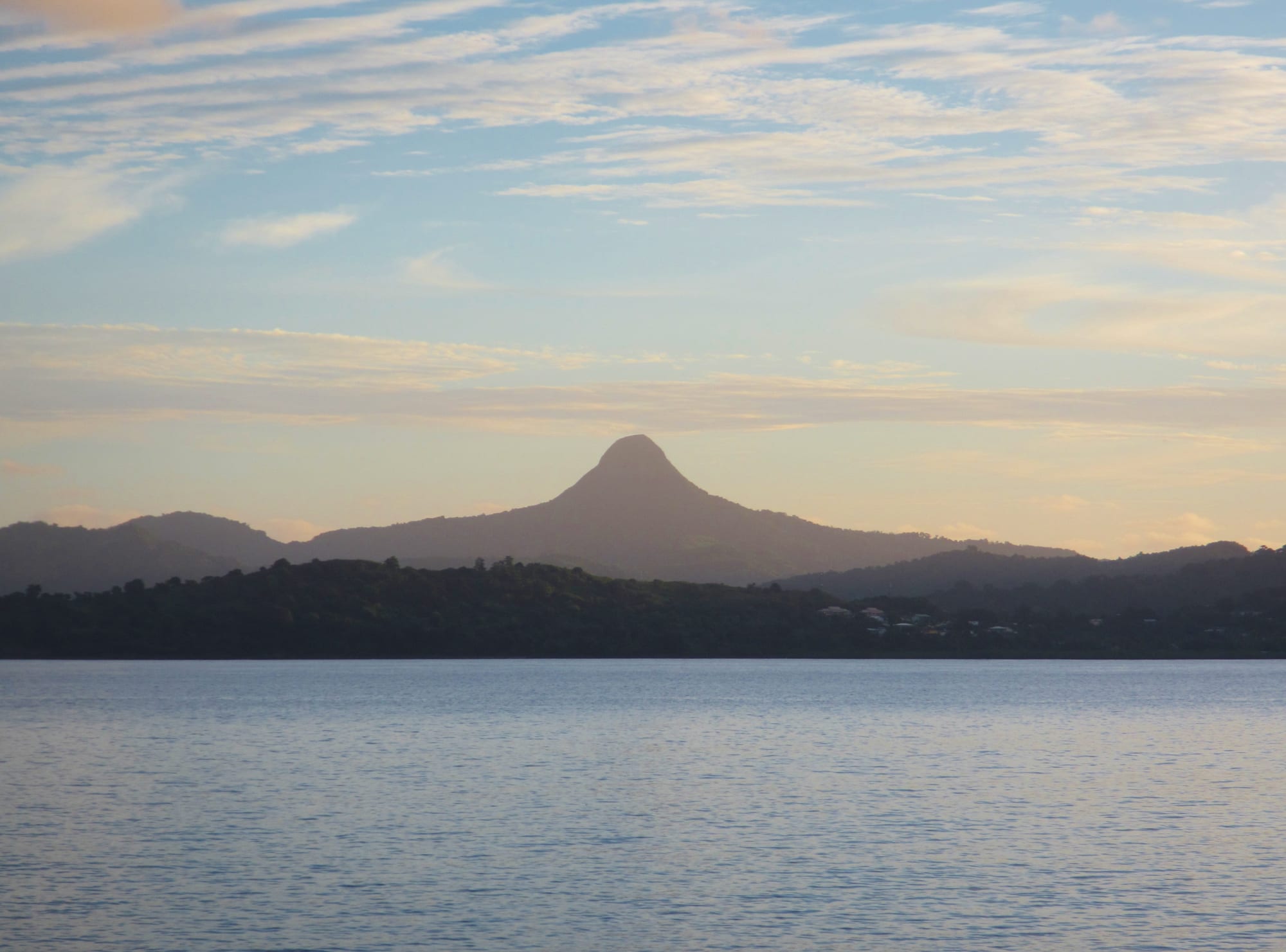
Mont Choungui, a sharp volcanic plug rising to 594 metres in the south of the main island (Grande-Terre), is Mayotte's most recognisable landmark and its best short hike — a steep climb through forest to a summit with sweeping views over the lagoon and the reef.
It is visible from far out at sea and dominates the island's southern peninsula.
2. Sakouli Beach
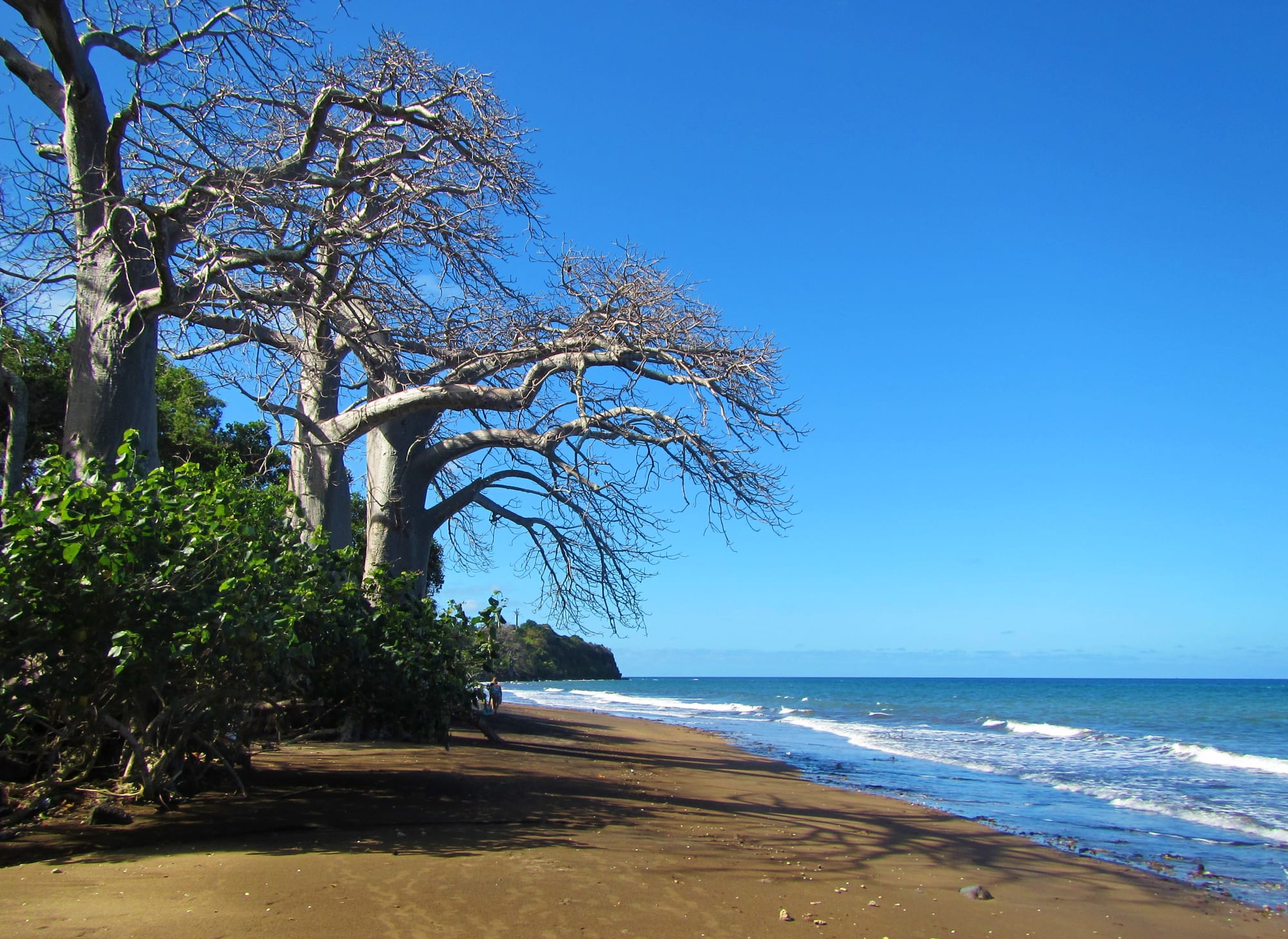
Sakouli, on the southeast coast, is one of Mayotte's most scenic beaches — a long curve of sand studded with baobab trees and backed by hills, looking out to the reef. It is a popular weekend spot for Mahorais families and a good base for exploring the nearby Saziley peninsula, where green turtles nest on more remote beaches accessible only on foot or by boat.
The Saziley trail is one of the best coastal walks on the island.
3. Dziani Dzaha
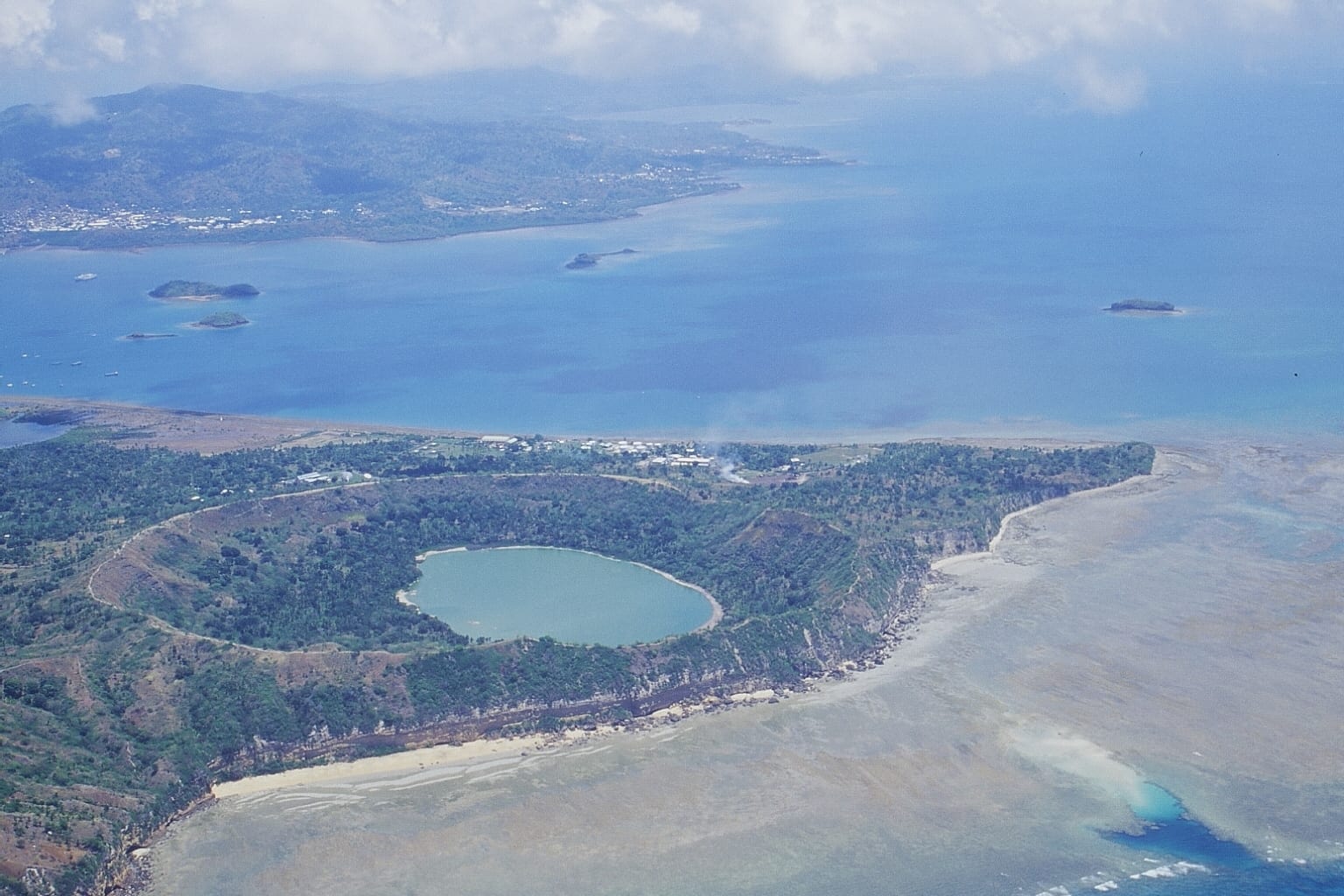
On the small island of Petite-Terre, the crater lake Dziani Dzaha fills an extinct volcano with startlingly green, alkaline, and mineral-rich water — home to microbial communities that scientists study as an analogue for very early life on Earth. Paths along the crater rim give views down into the lake and out over the surrounding coast, with flying foxes, the island's only native mammal, sometimes seen in the trees.
It is one of the more unusual short walks anywhere in the Indian Ocean.
4. Petite-Terre and Dzaoudzi
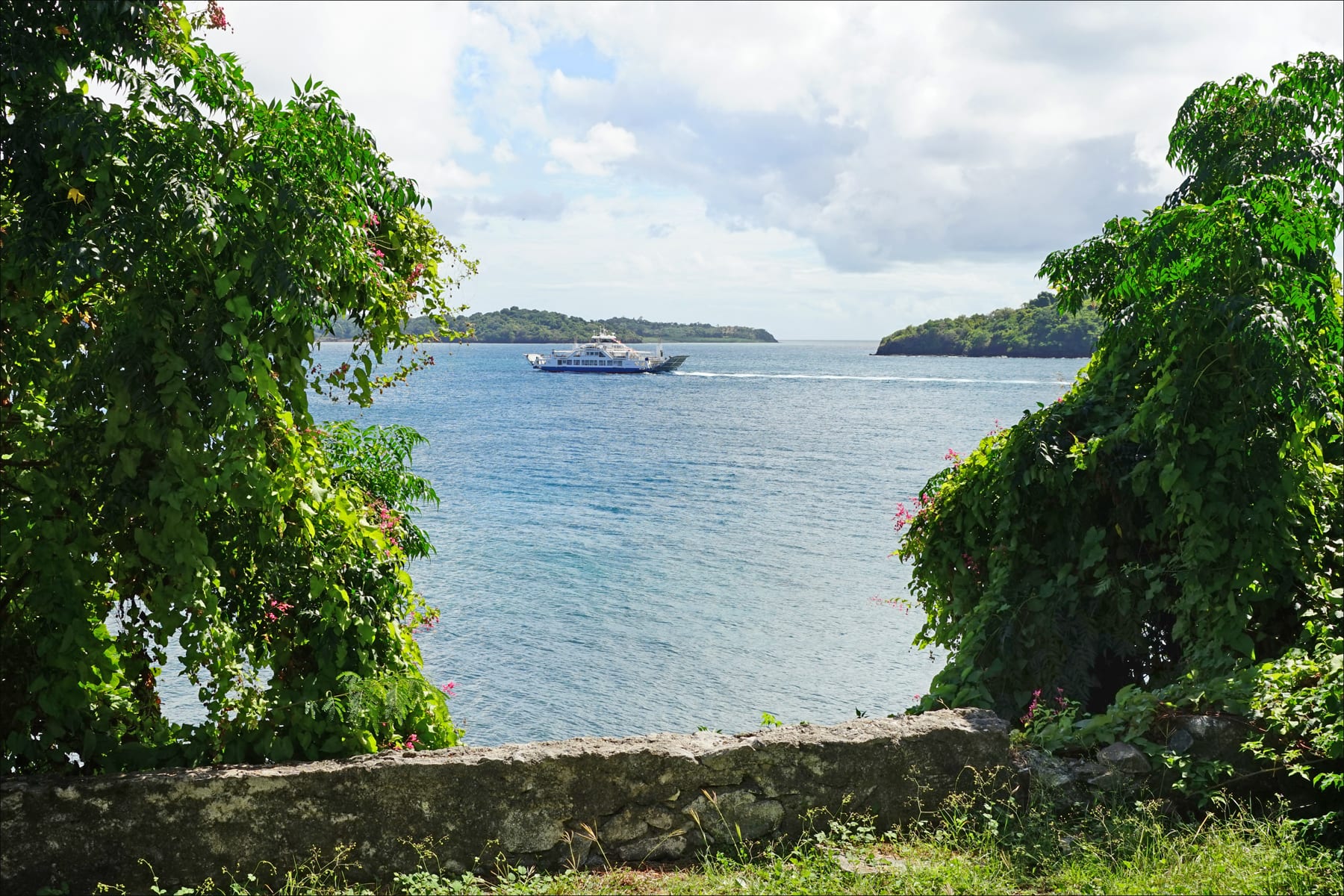
Petite-Terre holds Mayotte's airport and the old colonial town of Dzaoudzi, capital of the territory until 1977. It is also the departure point for lagoon boat trips — to swim with sea turtles, snorkel the reef and, in season, spot humpback whales, which come to the lagoon to give birth.
Boats connect the two "Terres" (islands) frequently and cheaply.
5. The lagoon and barrier reef
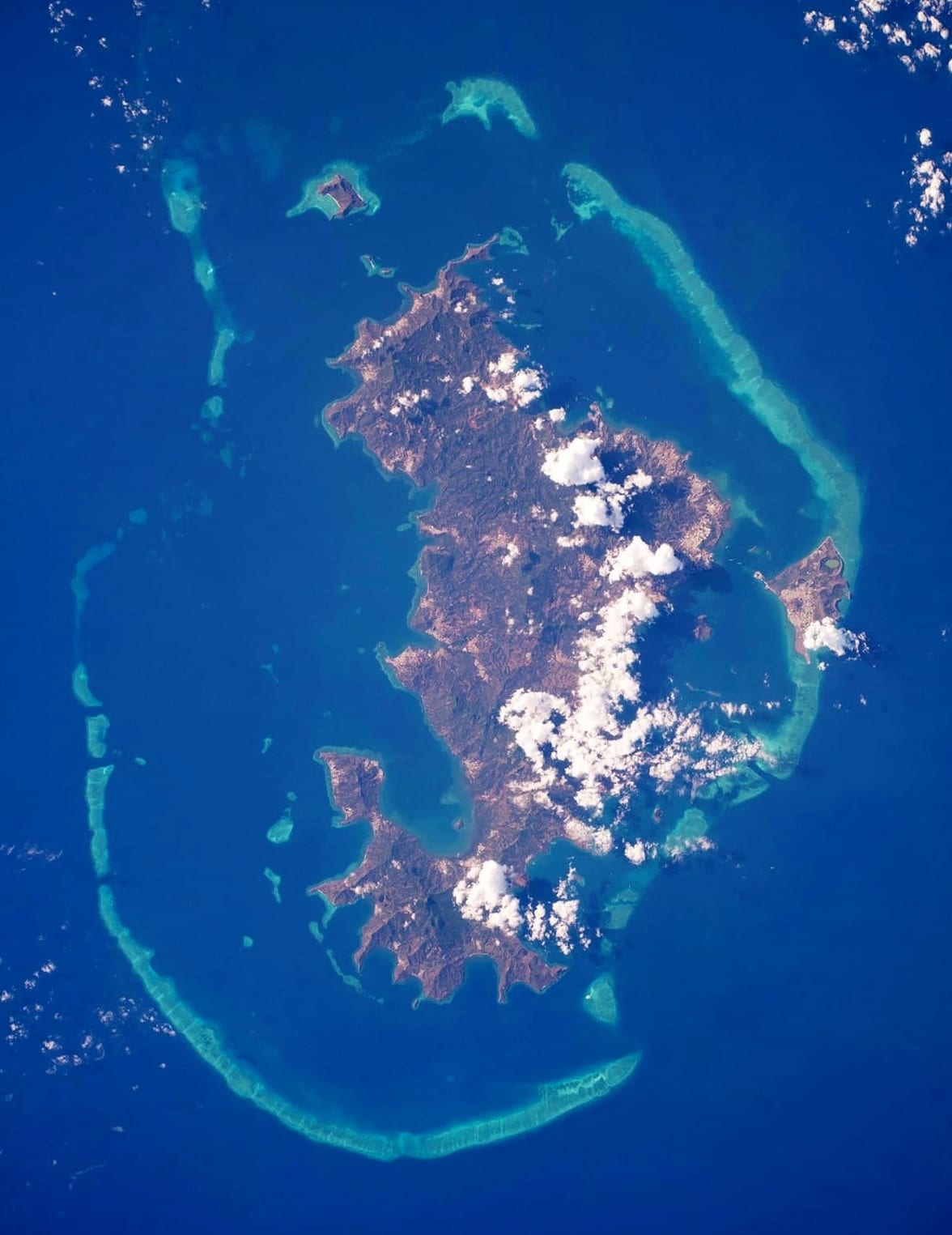
Mayotte's lagoon — among the largest and deepest closed lagoons in the world — is enclosed by an almost unbroken barrier reef some 160 kilometres around, protected as a marine nature park. It holds around 2,000 turtles, dugongs (rare but present), dolphins and, seasonally, humpback whales, and its calm inner waters suit learning to sail, dive or kayak.
Boat trips and dive centres operate from both Mamoudzou and Dzaoudzi.
6. Mamoudzou
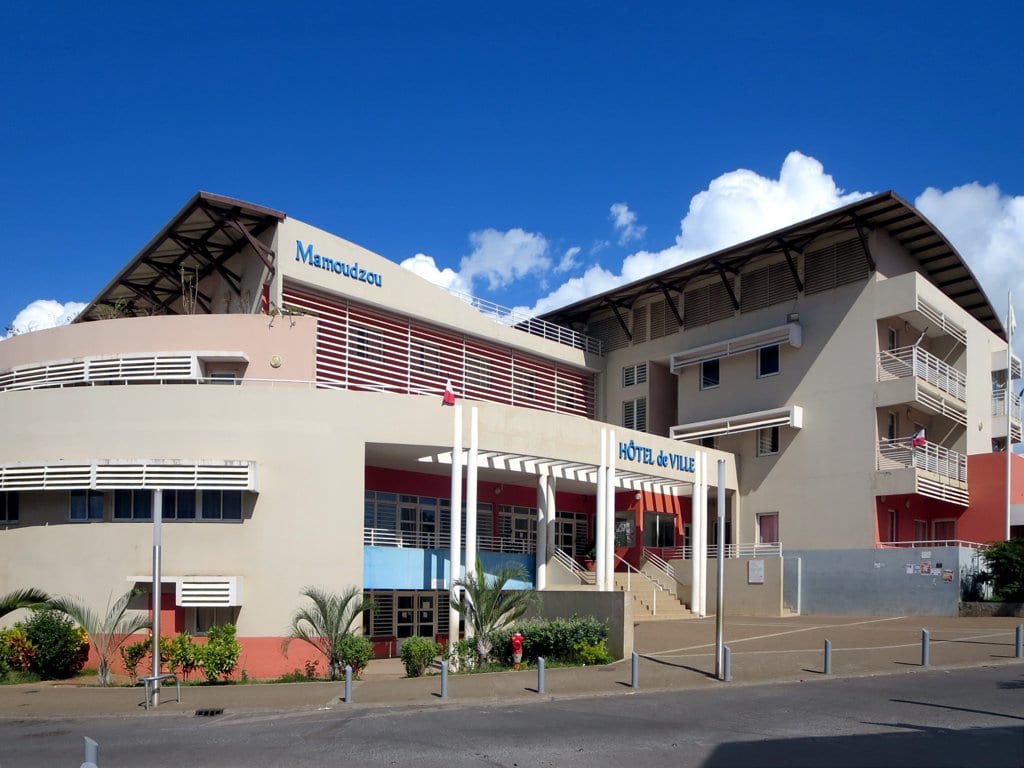
Mamoudzou, on Grande-Terre, is Mayotte's largest town and commercial centre — with busy markets and the departure point for the ferry across to Petite-Terre. It is more a functional hub than a sightseeing destination, but gives the clearest sense of everyday Mahorais life, including the striking presence of women in colourful salouva wraps and traditional ground msindzano face paste.
Cyclone Chido caused serious damage here in December 2024; some infrastructure and housing repairs were still ongoing at the time of writing.
Mayotte is a small, slow-paced destination best suited to a week combining the lagoon (boat trips, snorkelling, whale watching in season) with a couple of hikes — Mont Choungui and the Saziley coast — and a day around Petite-Terre.