History · Mayotte
Mayotte: The Island That Chose France
A Muslim, Comorian island in the Mozambique Channel that voted to stay French when the rest of the Comoros left in 1975 — now the poorest, and most contested, department of France
By Worldlore Editorial · 30 September 2026
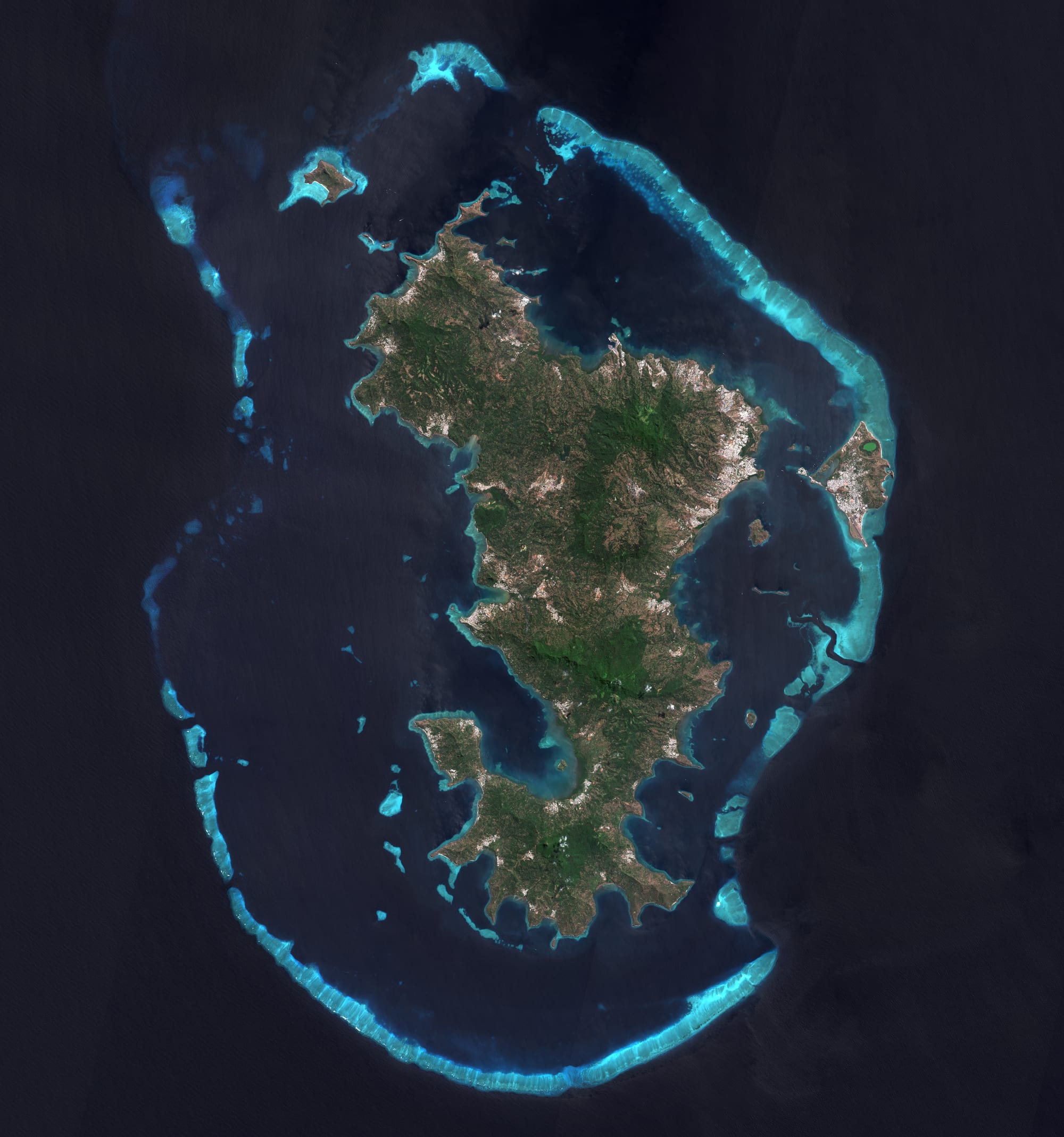
A piece of the Comoros inside France
Mayotte is a small island — Grande-Terre and Petite-Terre inside a huge lagoon — that is geographically, culturally and religiously part of the Comoro Archipelago: mostly Sunni Muslim, speaking Comorian and a Malagasy dialect, African. It is also a department of France and a region of the European Union — and by far the poorest part of both, with the youngest population in France and vast informal settlements. The Union of the Comoros claims Mayotte as its own, and a series of non-binding UN General Assembly resolutions have backed that claim. The people of Mayotte have repeatedly voted, by huge margins, to stay French.
A short history
- 1st millennium CE onward
Settlement
Swahili-Comorian and Malagasy peoples; part of the Indian Ocean trade.
- c. 1500
Sultanate
Long Muslim by now, Mayotte gains its own sultanate.
- 18th–19th centuries
Raids
Malagasy slave raiders and rival sultans repeatedly attack Mayotte.
- 1841
Cession to France
Sultan Andriantsoly hands Mayotte to France.
- 1886
The Comoros
France makes the other islands protectorates, ruled with Mayotte.
- 1974–1975
The split
The Comoros vote for independence; Mayotte votes to stay French.
- 1976
Confirmed
Further referendums keep Mayotte French; the UN objects.
- 2011
Department
Mayotte becomes France's 101st department.
Sultanates and slavers
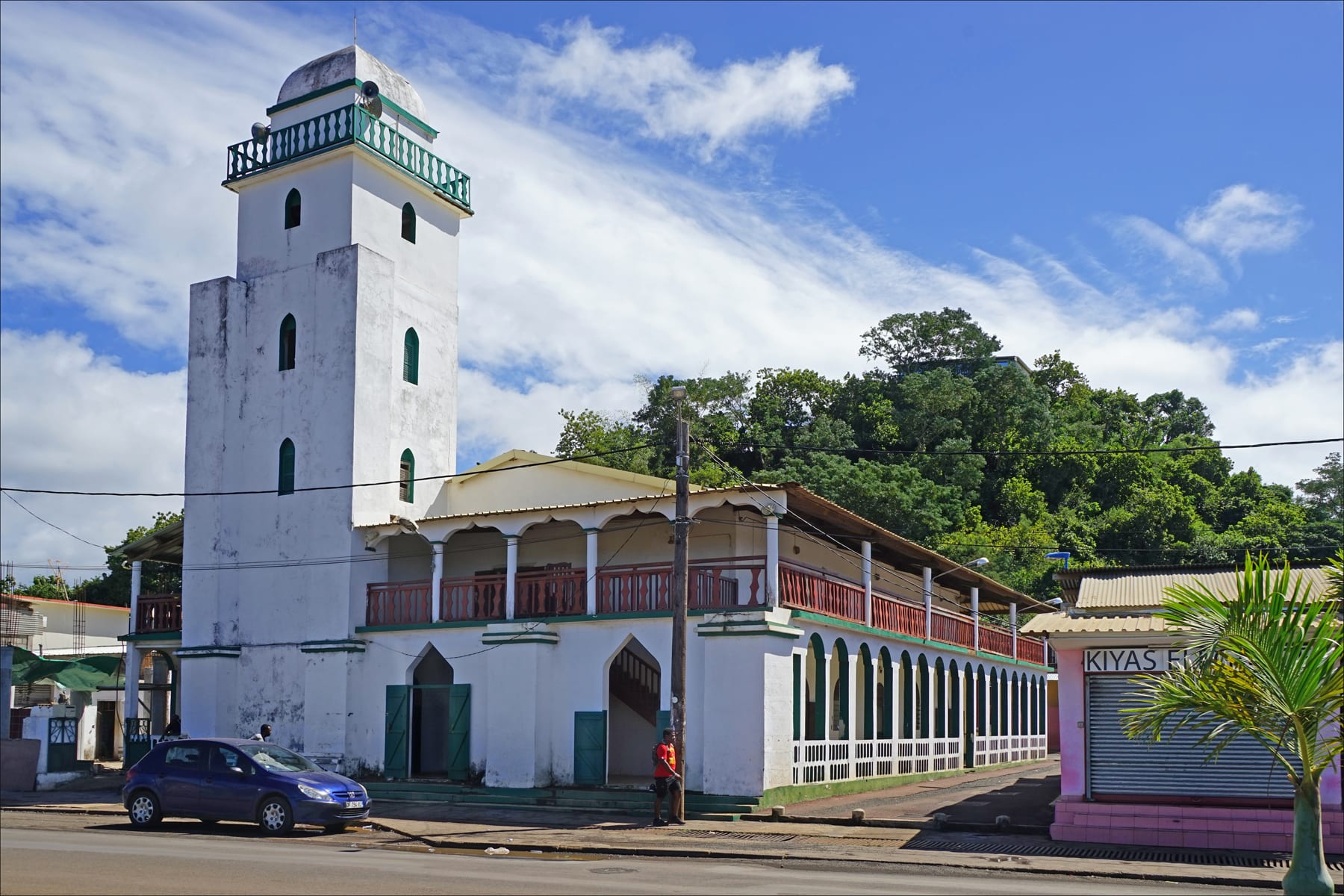
The Comoro islands were settled over the first millennium and more by Bantu Swahili-Comorian and Malagasy peoples, and drawn into the Indian Ocean trading world. Islam took hold from around the 11th century, and by about 1500, when Mayotte's own sultanate was founded, the islands had become a patchwork of small sultanates. In the late 18th and early 19th centuries, Mayotte was repeatedly raided by Malagasy slavers and fought over by neighbouring sultanates, and it was left thinly populated.
The French foothold
In 1841 the sultan of Mayotte, a Malagasy prince who had seized power there, ceded the island to France for a pension and protection. It was France's first foothold in the Comoros.
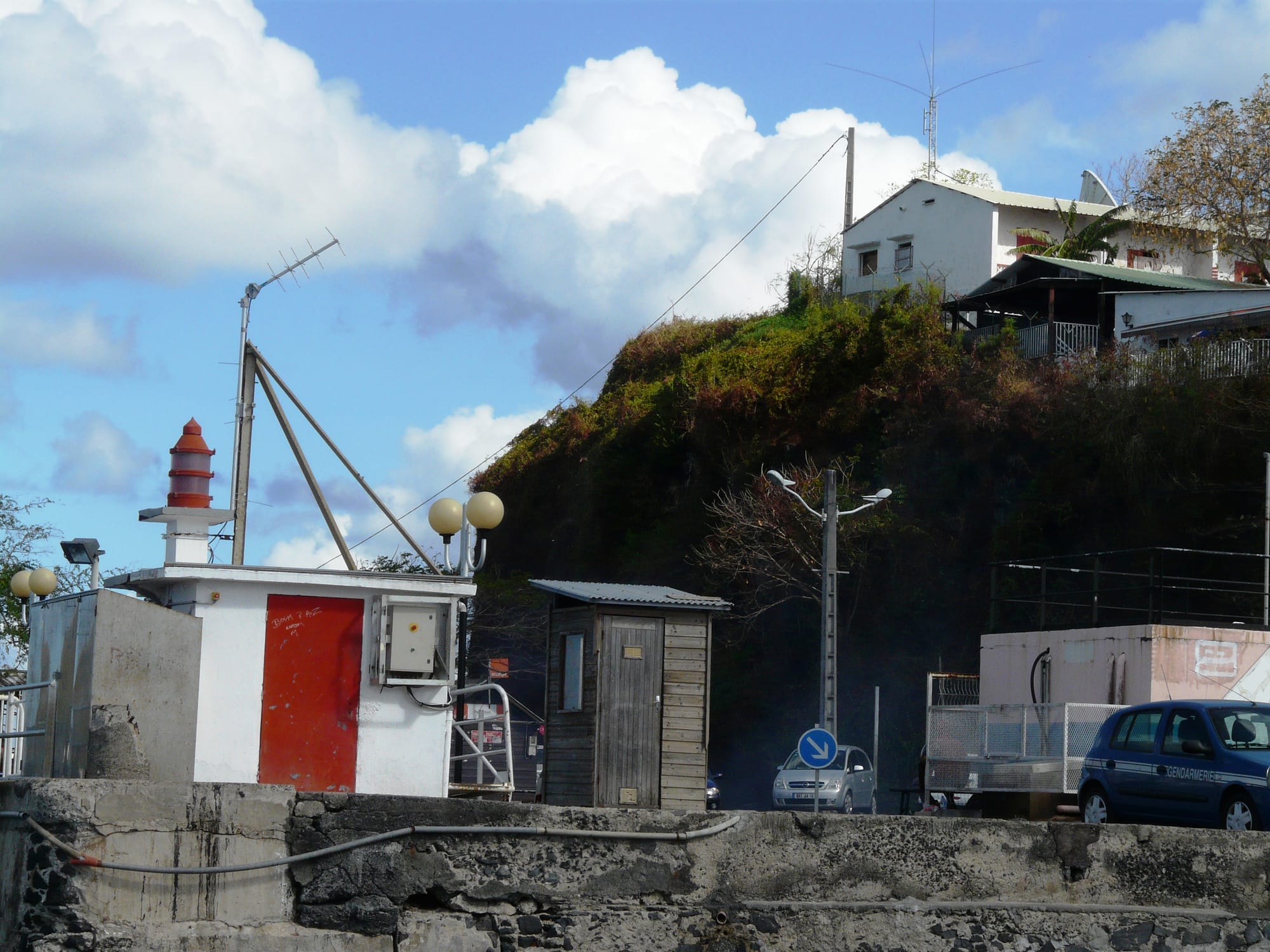
France made the other three Comoros protectorates in 1886 and administered all four islands together, first from Mayotte. France soon abolished slavery on the island, and sugar plantations, later replaced by vanilla, copra and ylang-ylang, were worked by labourers brought in from Africa.
The split
In a December 1974 referendum, the Comoros as a whole voted about 95 per cent for independence — but Mayotte voted roughly 63 per cent against. The other three islands declared independence in 1975; France counted the vote island by island and kept Mayotte, holding further referendums there in 1976 in which nearly everyone chose to remain French. The UN General Assembly has condemned this as a violation of Comorian territorial integrity in a series of resolutions.
The independent Comoros then went through some twenty coups and secession attempts, a chaos that hardened Mahorais determination to stay with France — and drew growing numbers of Comorian migrants toward Mayotte's higher wages and French services.
Department, and crisis
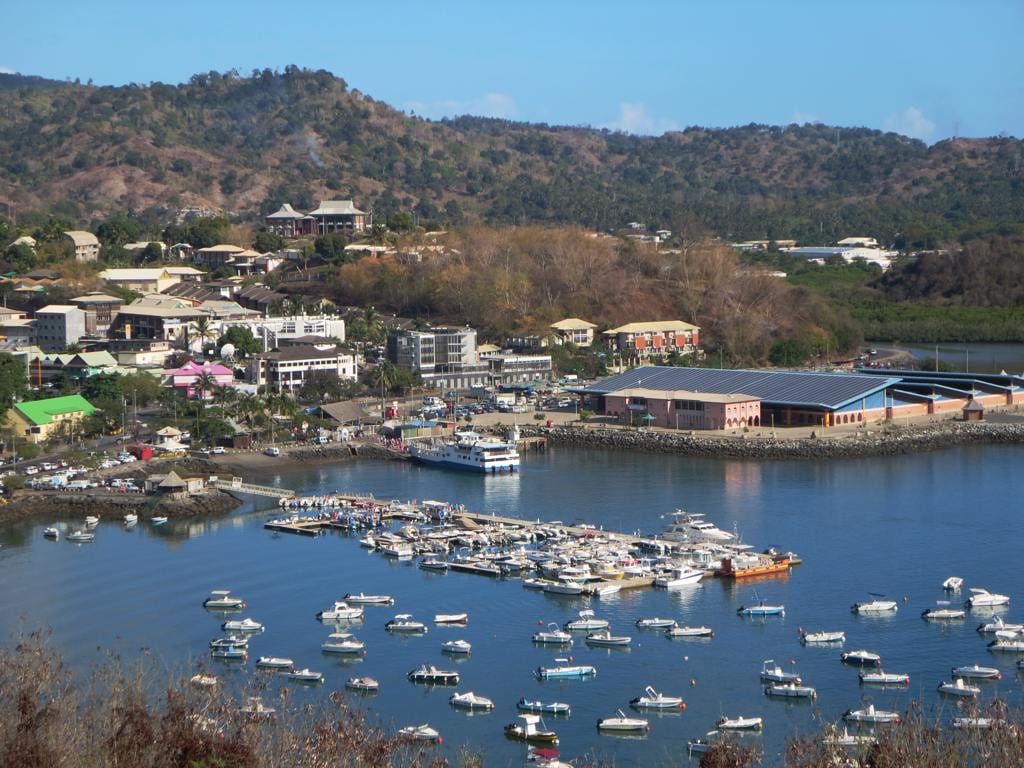
Departmental status aligned Mayotte's laws with mainland France's and extended parts of the welfare system — and made the island an even stronger magnet for migration from the Comoros and mainland Africa. Roughly half the residents are foreign nationals, many of them undocumented, and the pressure on housing, water and schools is acute, producing recurrent social crises, vigilante violence, and mass expulsions. In December 2024, Cyclone Chido — the strongest storm in about 90 years — flattened the informal settlements, with an official toll of 40 dead and a true figure that is still debated.
What Mayotte carries
Mayotte's history poses a hard question about self-determination. Its people, given the choice in the 1970s, chose to remain part of the country that had colonised them rather than join the newly independent nation they belong to by geography, language and faith — and they have reaffirmed that choice every time since. France has kept the island, and with it one of the most intractable development and migration crises anywhere in the European Union.