Attractions & Natural Wonders · Federated States of Micronesia
Micronesia: Five Attractions and Natural Wonders
A ruined stone city built on artificial islets in a lagoon, a sunken WWII fleet now explored by divers, and giant stone discs that once served as money — four states scattered across the western Pacific
By Worldlore Editorial · 30 September 2026
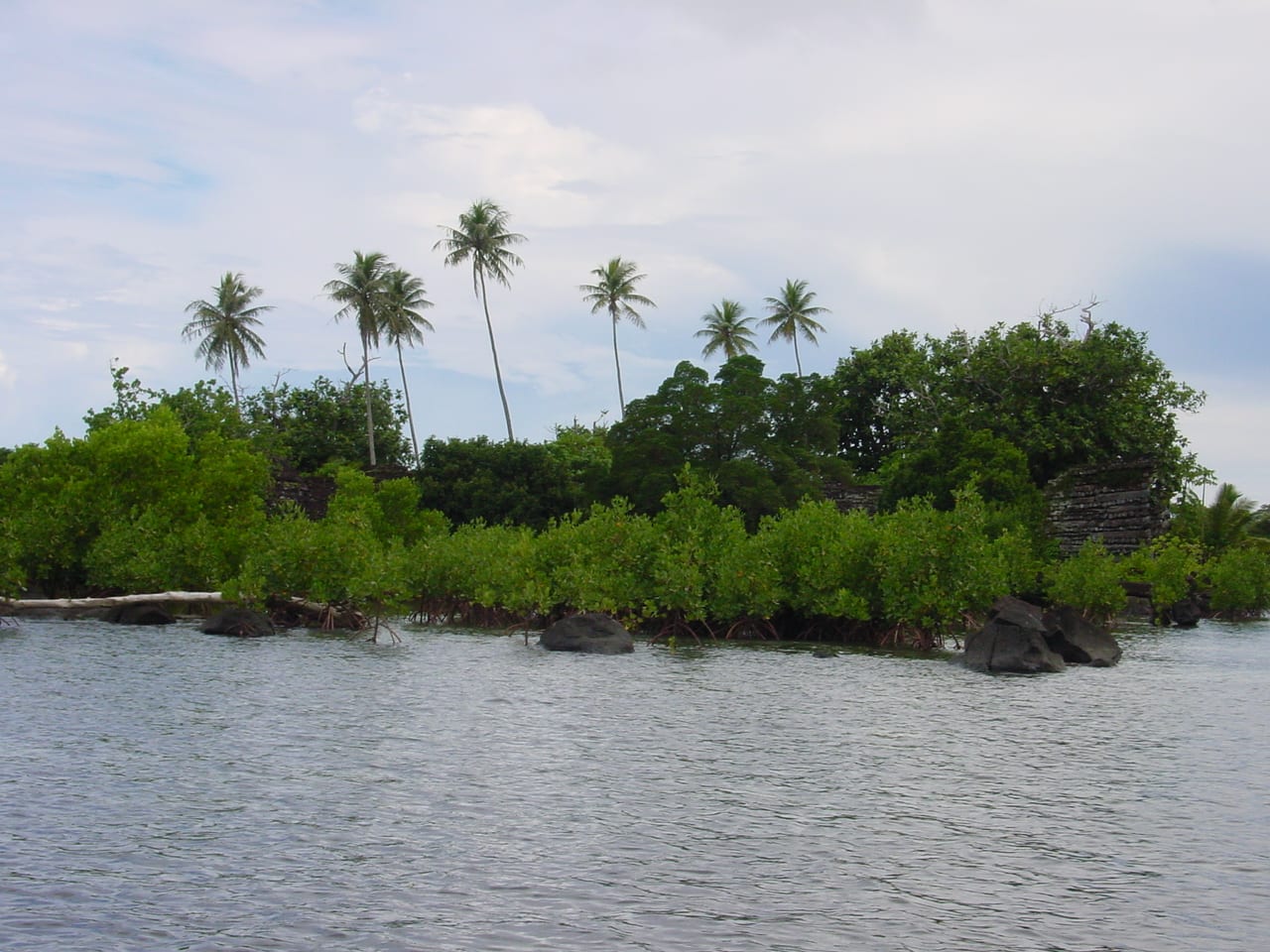
Four states, thousands of islands
The Federated States of Micronesia is a loose union of four states — Yap, Chuuk, Pohnpei, and Kosrae — spread across some 600 islands and a vast stretch of the western Pacific, in free association with the United States. It has about 100,000 people and cultures that differ significantly state to state, from Yap's strongly maintained traditional caste system to Chuuk's status as one of the world's great wreck-diving destinations. Travel between states means island-hopping flights on a limited schedule.
The five below are spread across the different states. It is warm and humid year-round, with a slightly drier season from roughly December to April.
1. Nan Madol, Pohnpei
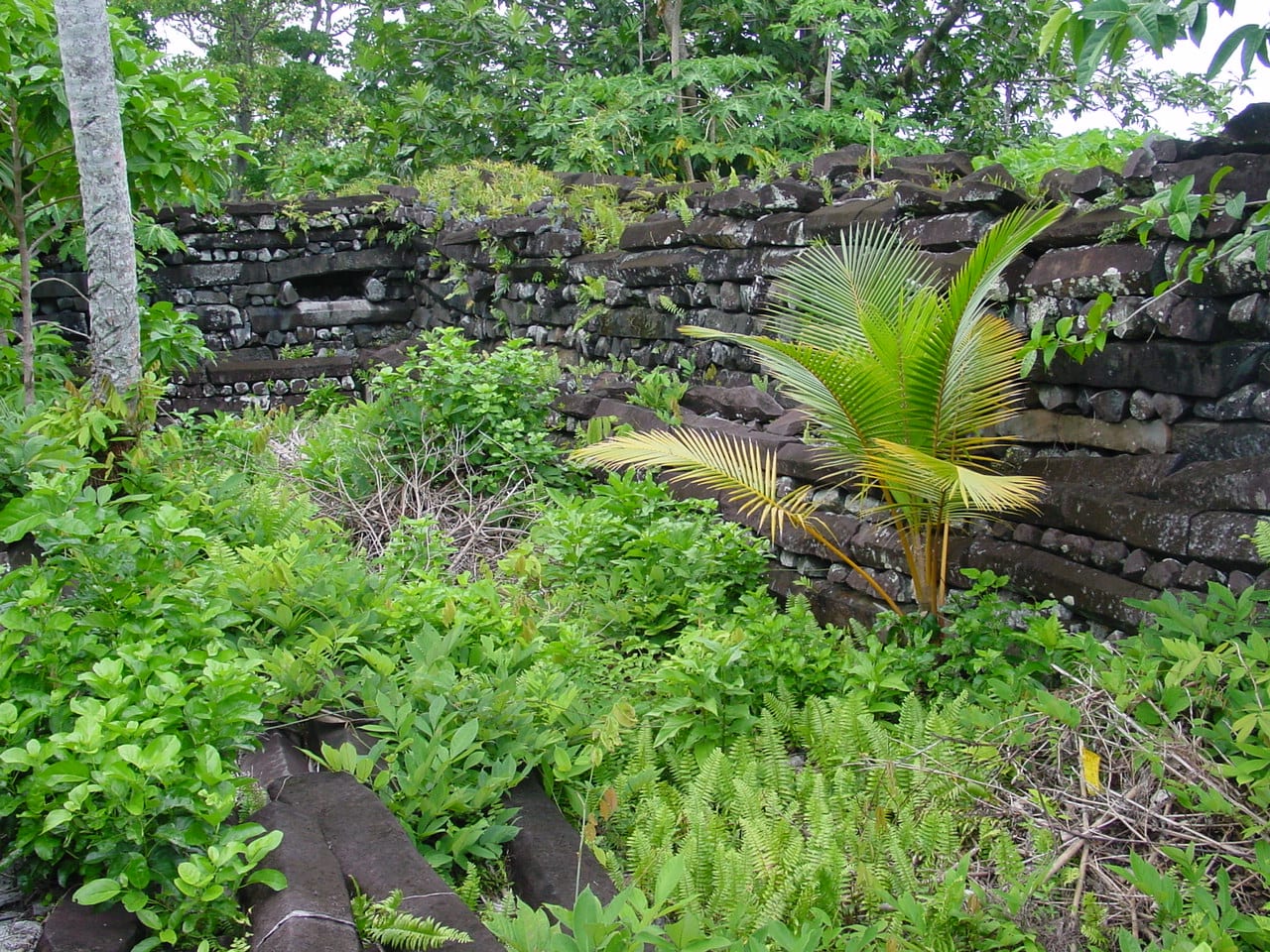
Nan Madol, off the coast of Pohnpei, is one of the Pacific's most extraordinary archaeological sites — a ceremonial and administrative city built between roughly the 12th and 17th centuries on nearly 100 artificial islets, connected by canals, and walled with massive stacked columns of naturally hexagonal basalt, brought from a volcanic plug on the far side of the island. It was inscribed as a UNESCO World Heritage Site in 2016 and placed at once on the List of World Heritage in Danger, largely because mangroves and silting canals threaten the ruins.
It lies along the shore of Temwen Island on Pohnpei's east coast; a local guide is recommended.
2. Chuuk Lagoon
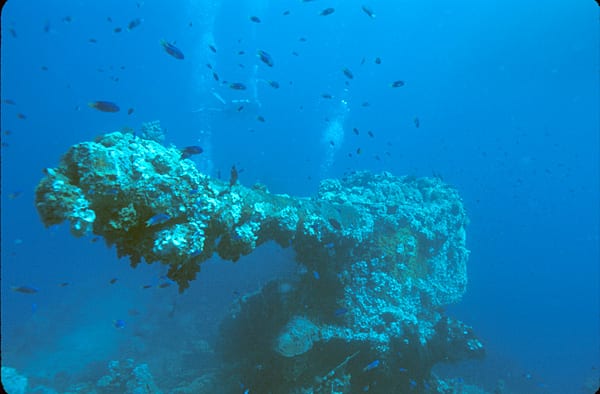
Chuuk (Truk) Lagoon holds one of the greatest wreck-diving sites on earth: on 17–18 February 1944, in "Operation Hailstone", US carrier aircraft struck the Japanese base here, sinking 12 smaller warships and 32 merchant ships and destroying some 275 aircraft; the largest warships had been withdrawn a week before. Decades later, the wrecks — now grown over with coral — sit largely intact on the lagoon floor, making this a pilgrimage site for wreck divers worldwide.
It is also, sobering as a war grave, treated with corresponding respect by operators and divers.
3. Yap and its stone money
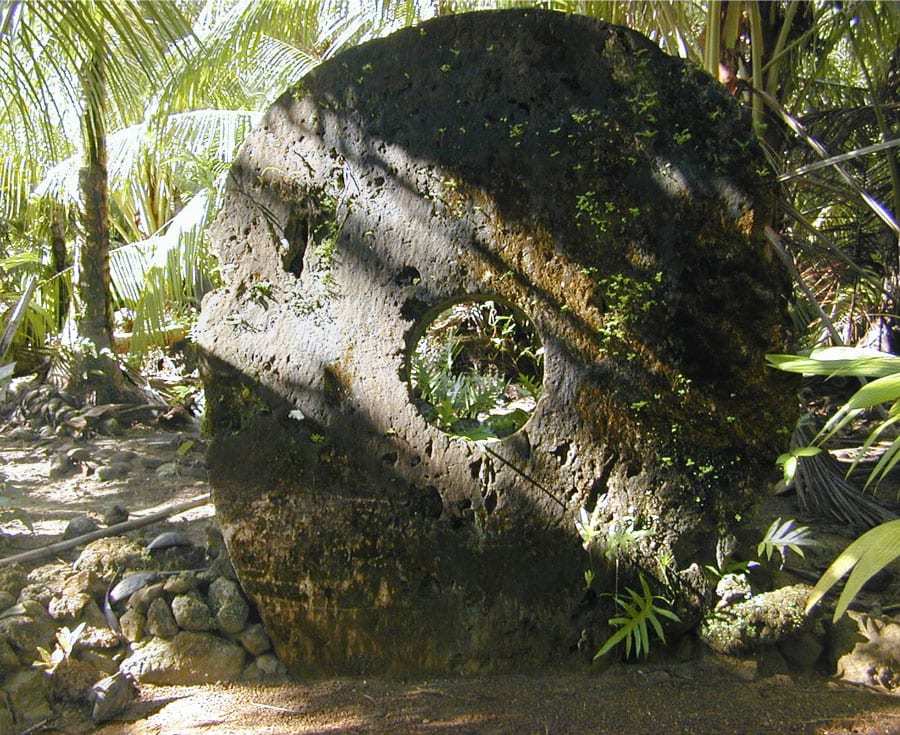
Yap maintains one of the most intact traditional societies in the Pacific, including a complex, still-living caste system, and is famous for rai — enormous carved limestone discs, the largest about 12 feet across, quarried mainly on Palau hundreds of miles away and transported by canoe and raft as a form of currency still symbolically used in major transactions today, though they stay put and simply change ownership. Around 6,000 large rai stones remain on the island.
Village visits require local protocol and are best arranged through a guide or homestay host.
4. Kosrae
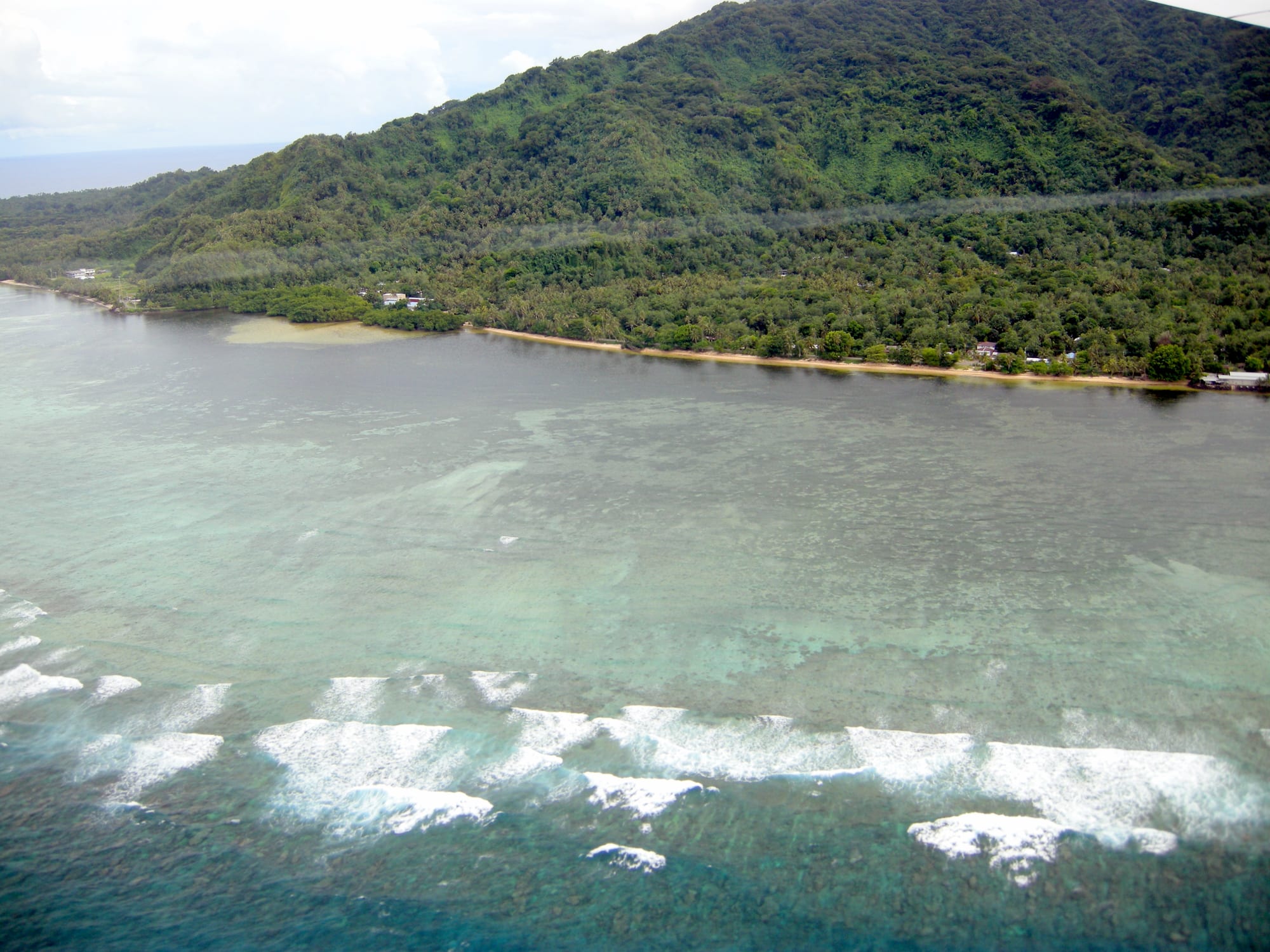
Kosrae, the smallest and easternmost state, is mountainous, densely forested, and ringed by some of the best-preserved coral reef in Micronesia, with mangrove channels, waterfalls, and the ruined stone city of Leluh on Lelu Island, a smaller counterpart to Nan Madol. It is the only one of the four states made up of a single main island.
Its remoteness is its main appeal, for those with the time to reach it.
5. Palikir and Pohnpei
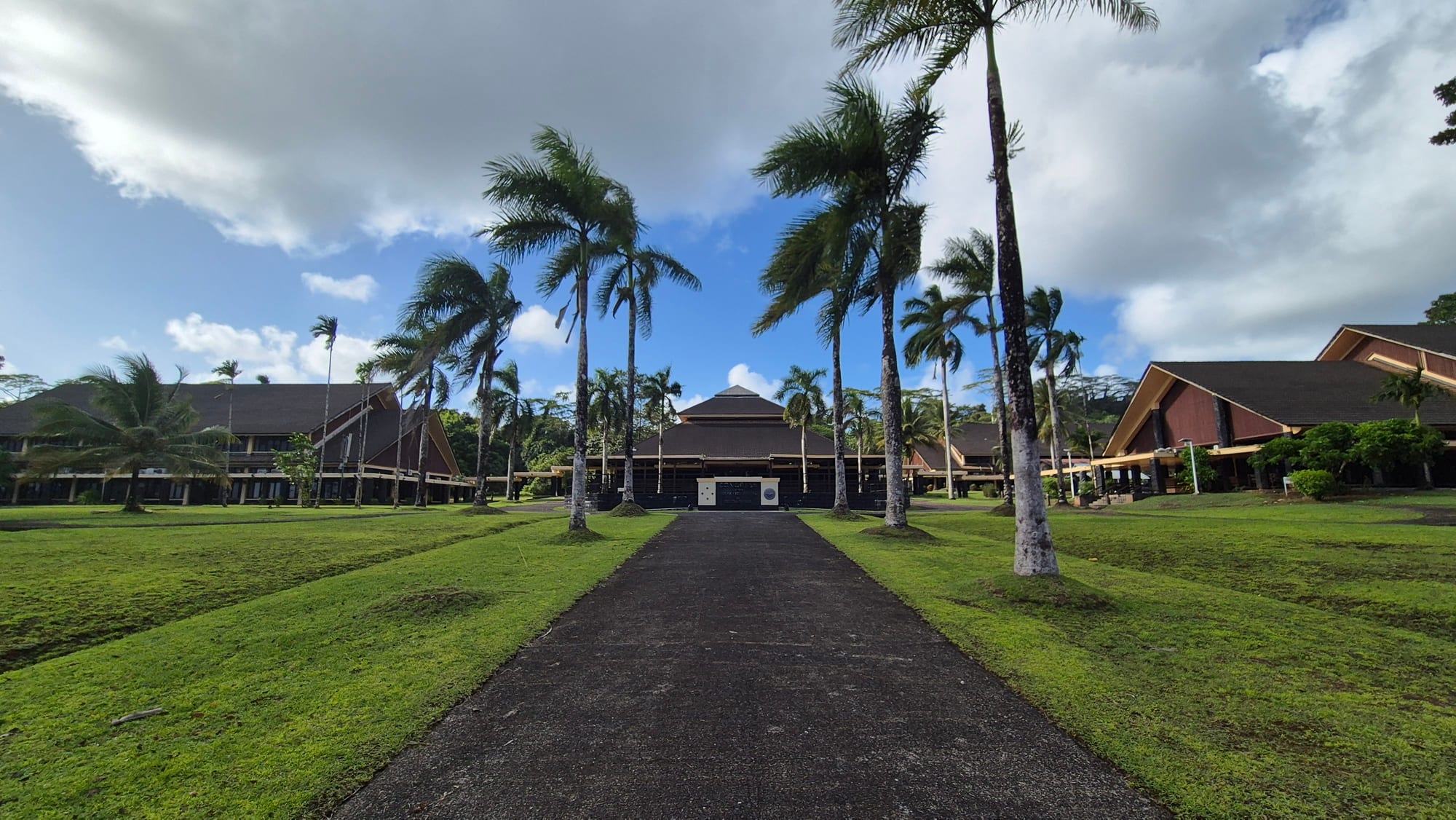
Palikir, a small purpose-built capital on Pohnpei, holds the national government buildings in a quiet, green setting; most travellers actually stay in nearby Kolonia, the state capital and main town, with its markets, sakau (kava) ceremony bars, and access to the mountainous Sokehs peninsula and the island's waterfalls and rainforest interior.
Pohnpei's airport is a stop on the Island Hopper flights that link the states.
The Federated States of Micronesia is a genuinely remote destination with limited, infrequent inter-island flights. Most trips focus on one or two states — Chuuk for diving, or Pohnpei and Yap for culture and Nan Madol — rather than attempting to see all four in a single visit.