Attractions & Natural Wonders · Monaco
Monaco: Six Attractions and Natural Wonders
A Belle Époque casino that made a tiny principality rich, a Formula 1 circuit run through ordinary city streets, and an oceanographic museum founded by a prince who was also a marine scientist
By Globeway Editorial · 30 September 2026
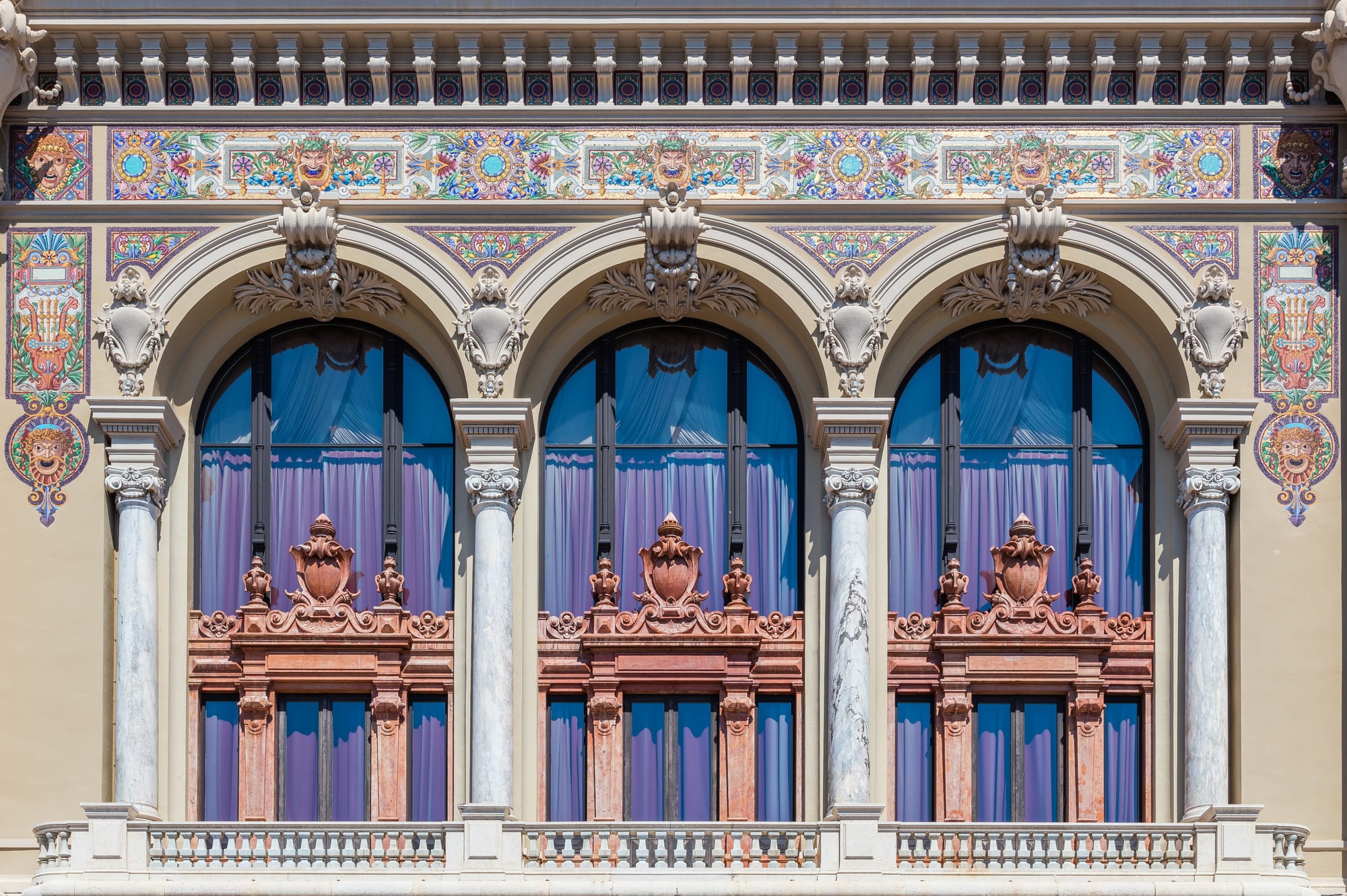
The world's second-smallest country
Monaco, wedged onto a sliver of the French Riviera between the Alps and the Mediterranean, is the world's second-smallest country (after Vatican City) and its most densely populated — about 38,000 people in barely two square kilometres, kept afloat since the 19th century by a casino that saved the ruling Grimaldi family from bankruptcy and, since then, by finance, real estate, and glamour rather than gambling revenue alone (Monégasque citizens are in fact barred from the casino floor). It has been ruled by the same family, with brief interruptions, since 1297.
The six below can be covered in a single dense day, on foot or by the public lifts and escalators that climb the principality's steep terrain. It is mild year-round; the Grand Prix, held since 2026 on the first weekend of June, is the busiest and most expensive time to visit.
1. The Prince's Palace
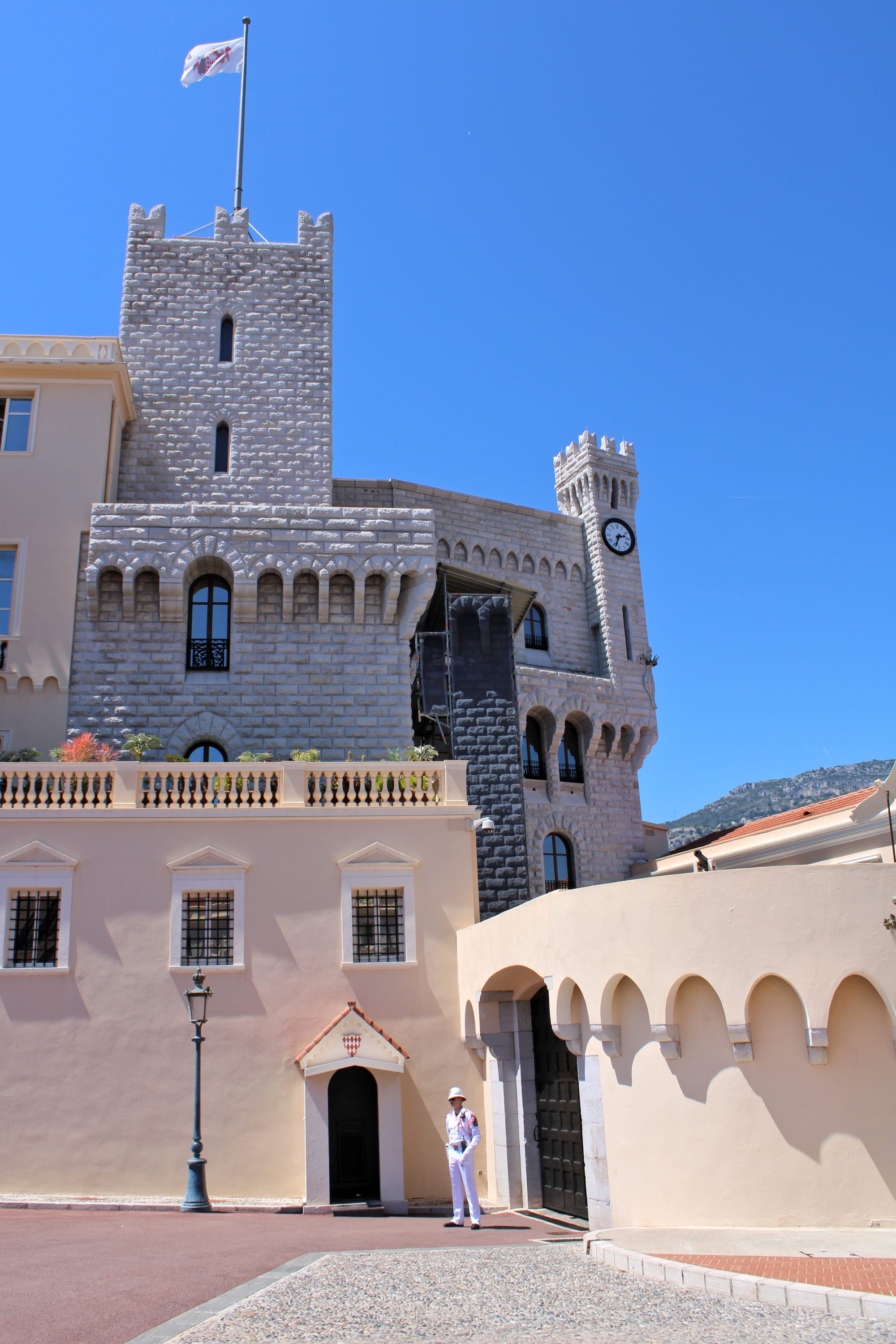
The Prince's Palace, on the rocky promontory of Monaco-Ville, has been the seat of the House of Grimaldi since 1297 — one of the longest-ruling dynasties in Europe. Its state apartments can be visited, and the changing of the guard at the entrance is a free spectacle. The old town around it keeps narrow medieval lanes largely untouched by the modernity of the rest of the principality.
The palace square gives sweeping views over the harbour and coast.
2. The Casino de Monte-Carlo
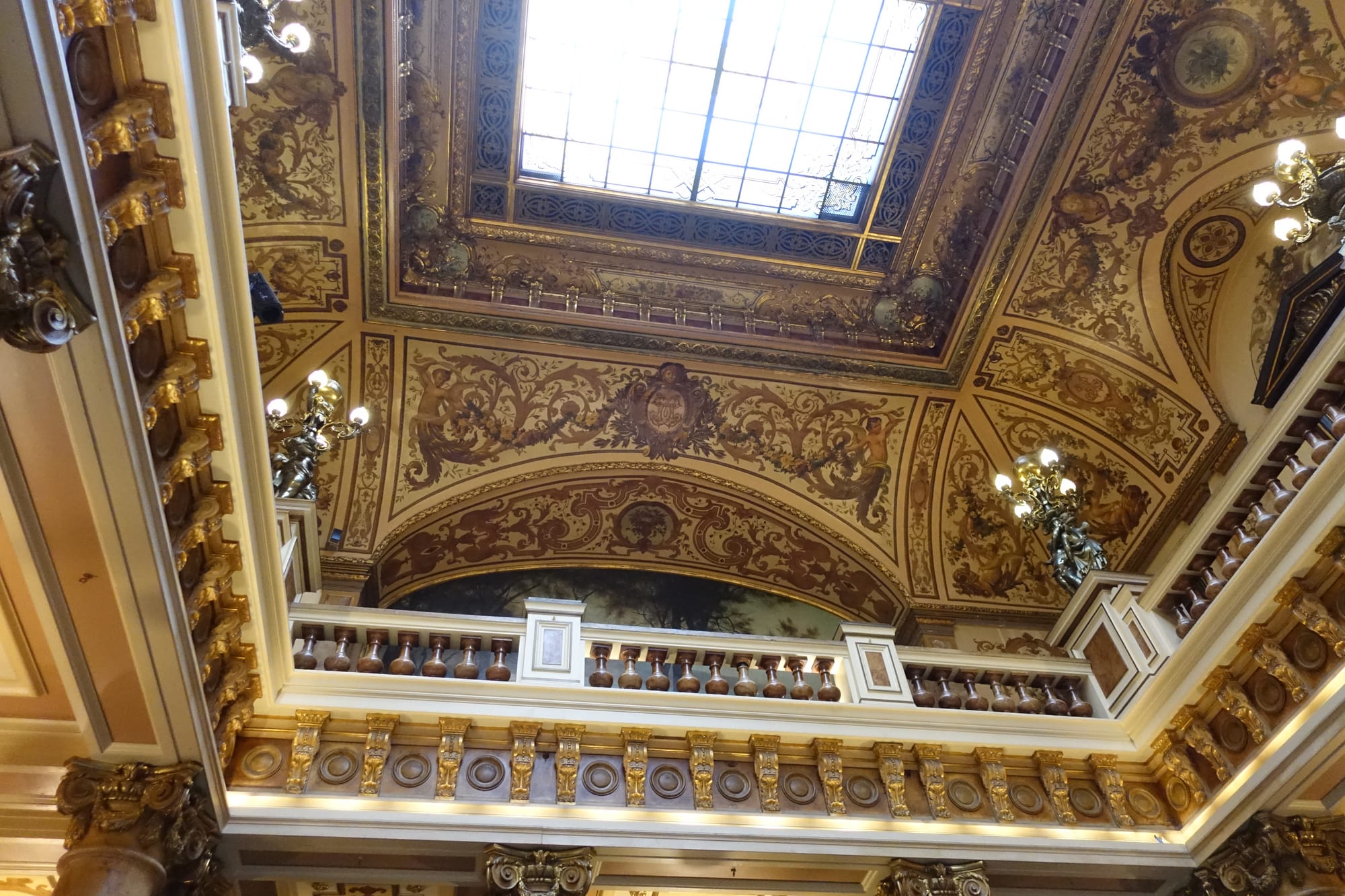
Opened in 1863 to rescue the Grimaldi family's finances after they lost territory to France, the Casino de Monte-Carlo became so profitable that Monégasque citizens have paid no income tax since 1869 — and are themselves banned from gambling inside it. Its Belle Époque gaming rooms, designed in part by the architect of the Paris Opéra, are open to paying visitors, even those who do not play a hand.
The surrounding Casino Square, with the Café de Paris and Hôtel de Paris, is Monaco's most photographed corner.
3. The Monaco Grand Prix circuit
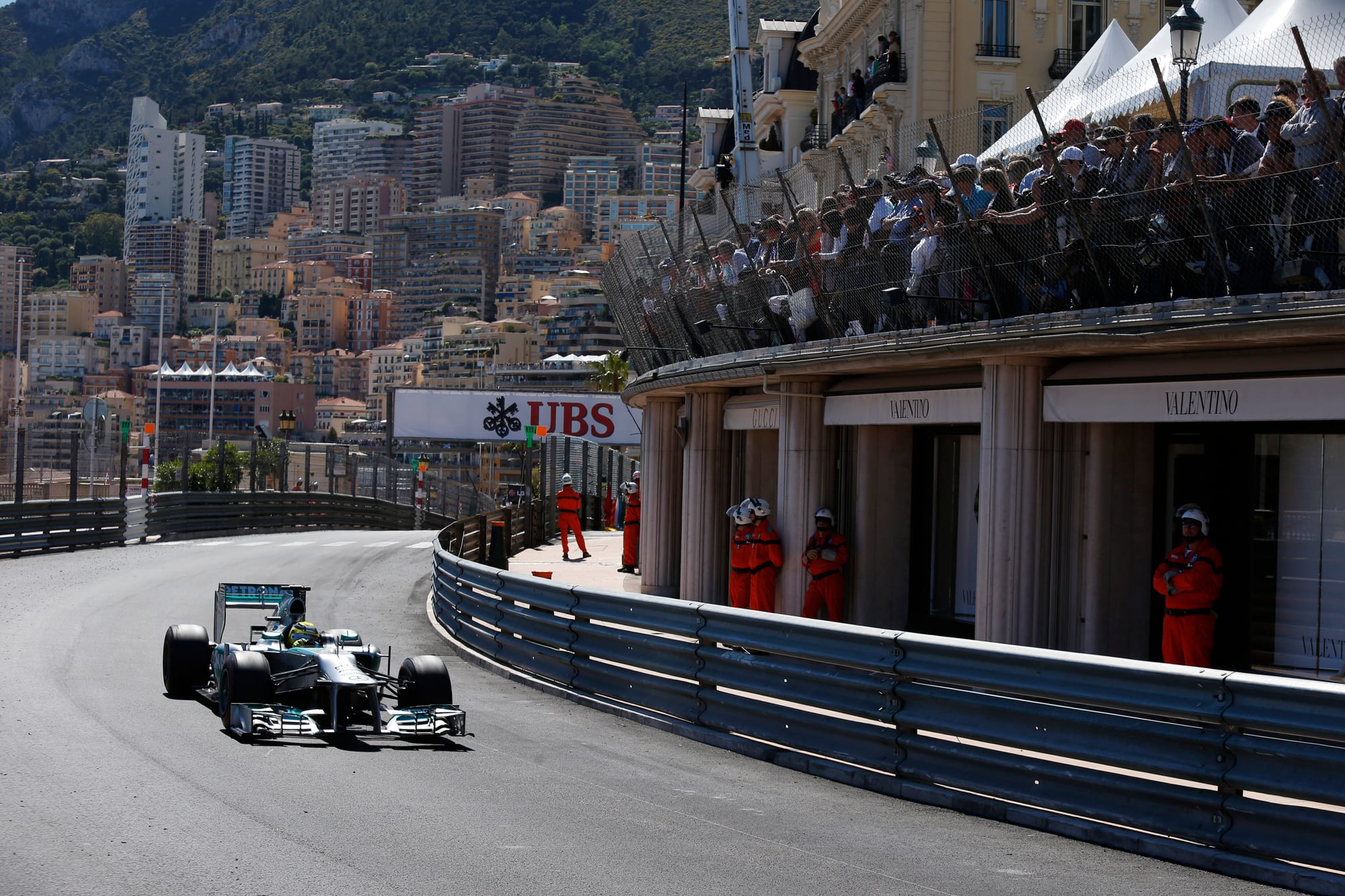
Since 1929, Monaco has hosted one of the most prestigious races in motor sport, run not on a purpose-built track but through the ordinary streets of the principality — past the harbour, through the famous Casino Square, and into a tunnel beneath the Fairmont hotel. Even outside race week, you can walk or drive the circuit and recognise its landmarks, from the harbour-front straight to the tunnel.
Hotel and viewing prices climb steeply during the race weekend, now held in early June.
4. The Oceanographic Museum
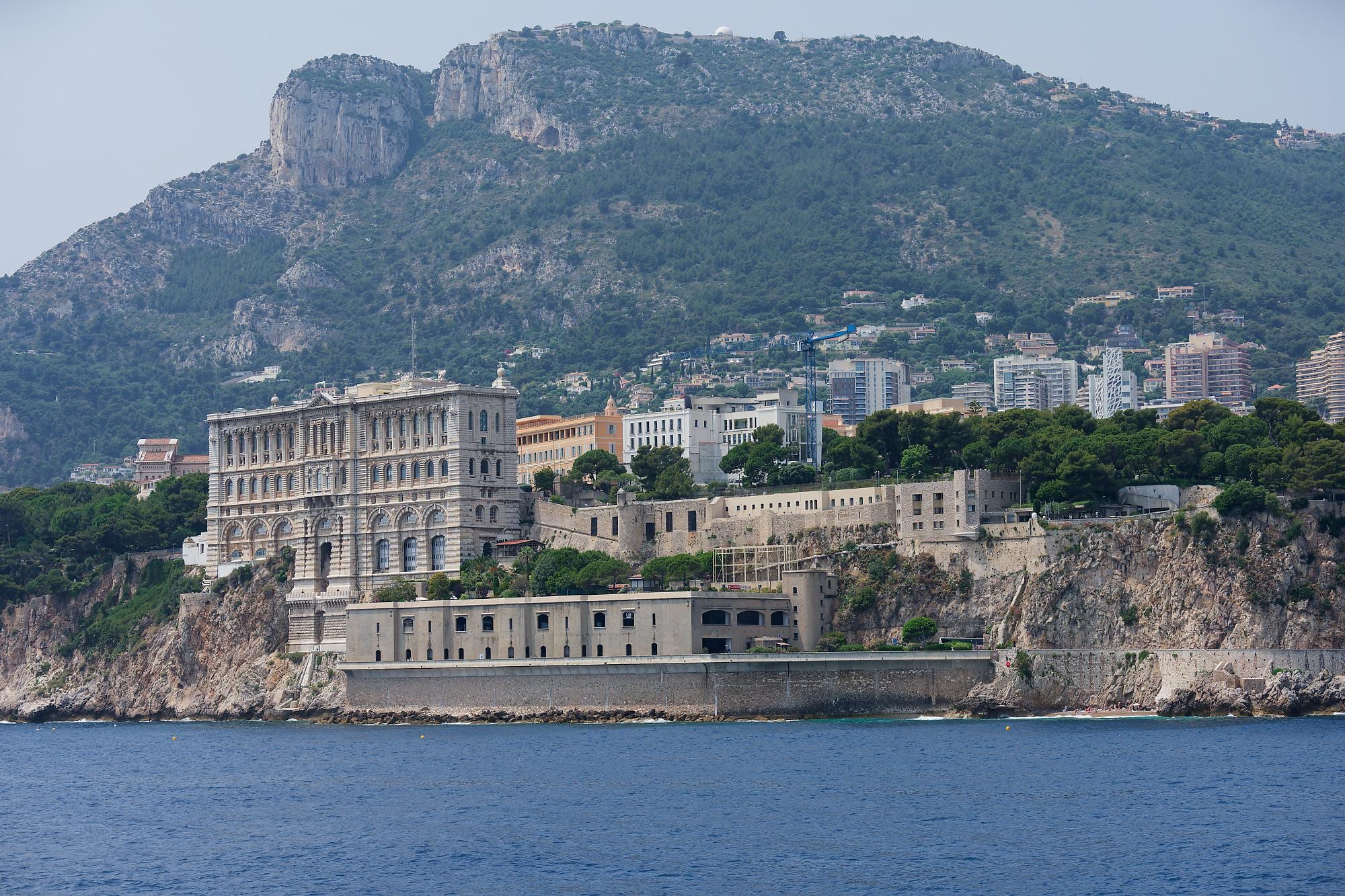
Built into the cliff below the palace, the Oceanographic Museum was inaugurated in 1910 by Prince Albert I, an avid marine explorer in his own right, and later directed from 1957 to 1988 by Jacques Cousteau. It holds a large aquarium, the laboratory from Albert I's first research yacht, model ships and sea-animal skeletons, and its rooftop terrace gives one of the best views in the principality.
Its cliff-edge setting makes the building itself one of Monaco's landmarks.
5. The Cathedral of Monaco
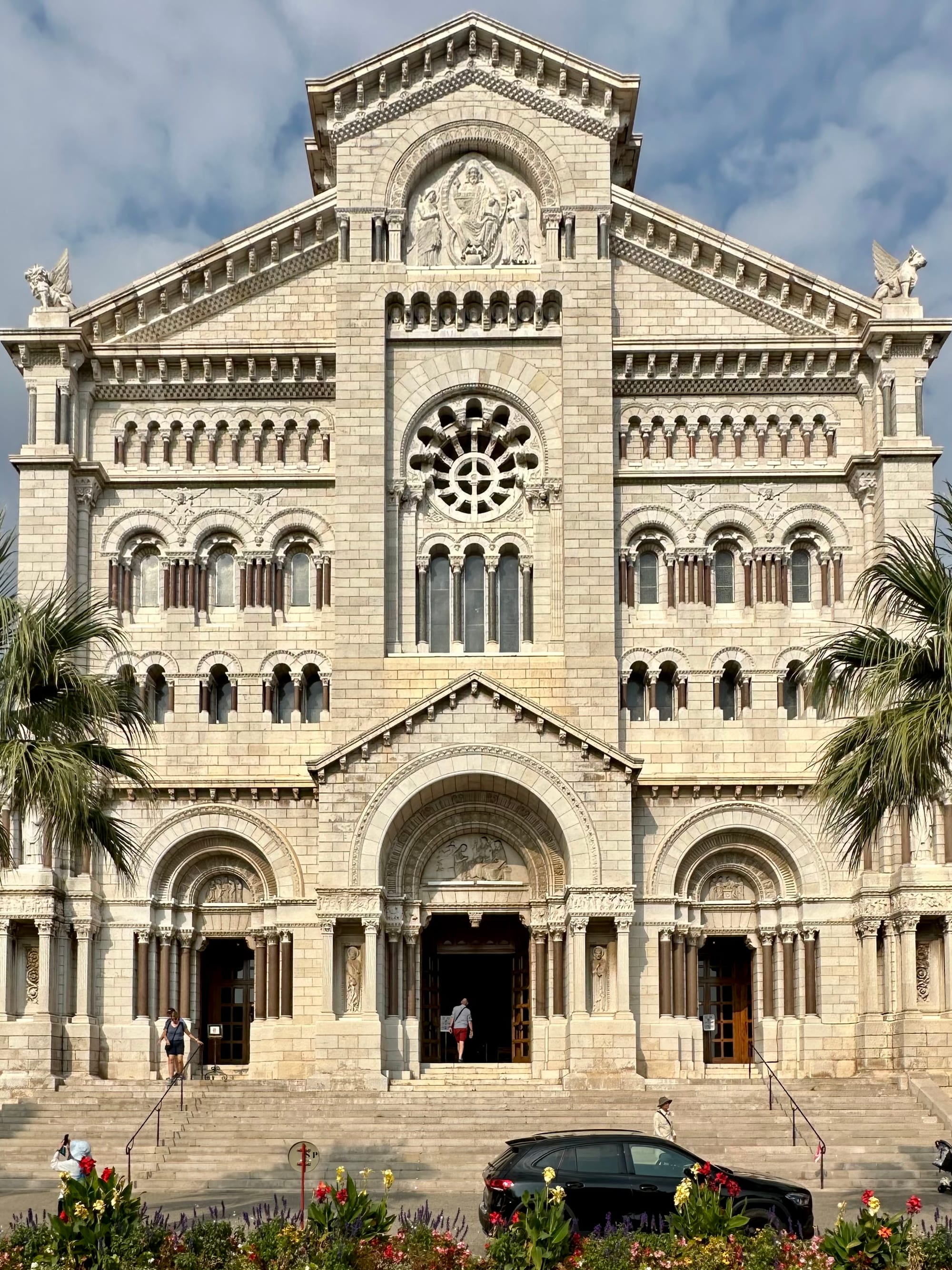
The Cathedral of Monaco, a white stone church built between 1875 and 1903, holds the tombs of Monaco's princes, including Rainier III and his wife, American actress Grace Kelly, whose grave remains a point of quiet pilgrimage for visitors. Its position on Monaco-Ville puts it a short walk from the palace and the Oceanographic Museum.
6. The Jardin Exotique
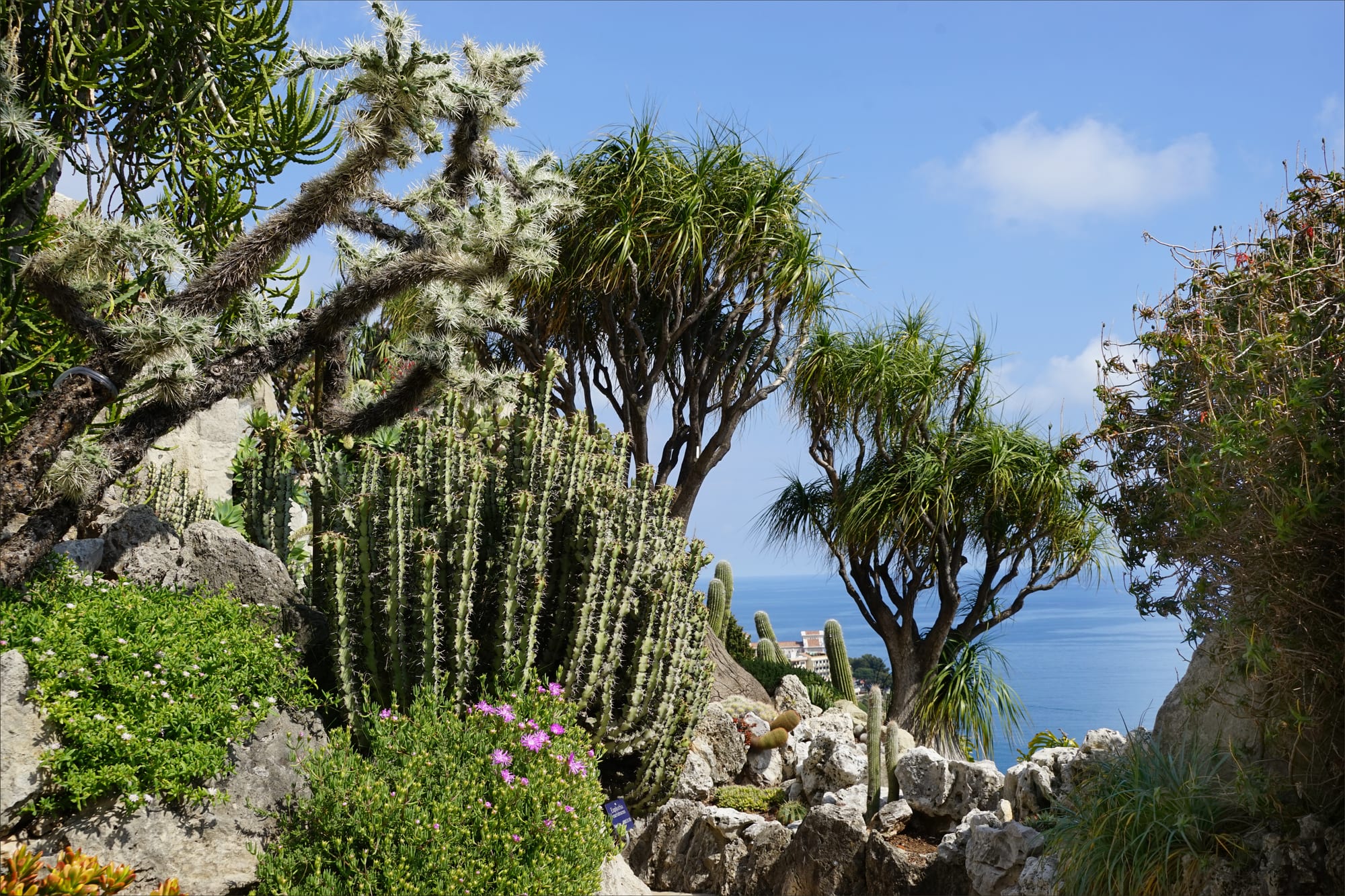
The Jardin Exotique, terraced into a cliff in the Moneghetti district, has grown a striking collection of succulent plants from around the world since it opened in 1931, and reopened in March 2026 after six years of closure for safety and renovation works, with paths giving some of the most dramatic photographic views over Monaco's high-rises and harbour below. A cave (Grotte de l'Observatoire) and the Museum of Prehistoric Anthropology, whose finds came from that cave, sit within the garden.
It sits above the centre and is usually less crowded than the harbour-side sights.
Monaco is compact enough to see everything in a single busy day, though most visitors base themselves nearby on the French Riviera (Nice, Èze, or Menton) and treat Monaco as a half- or full-day excursion.