Attractions & Natural Wonders · Netherlands
Netherlands: Ten Attractions and Natural Wonders
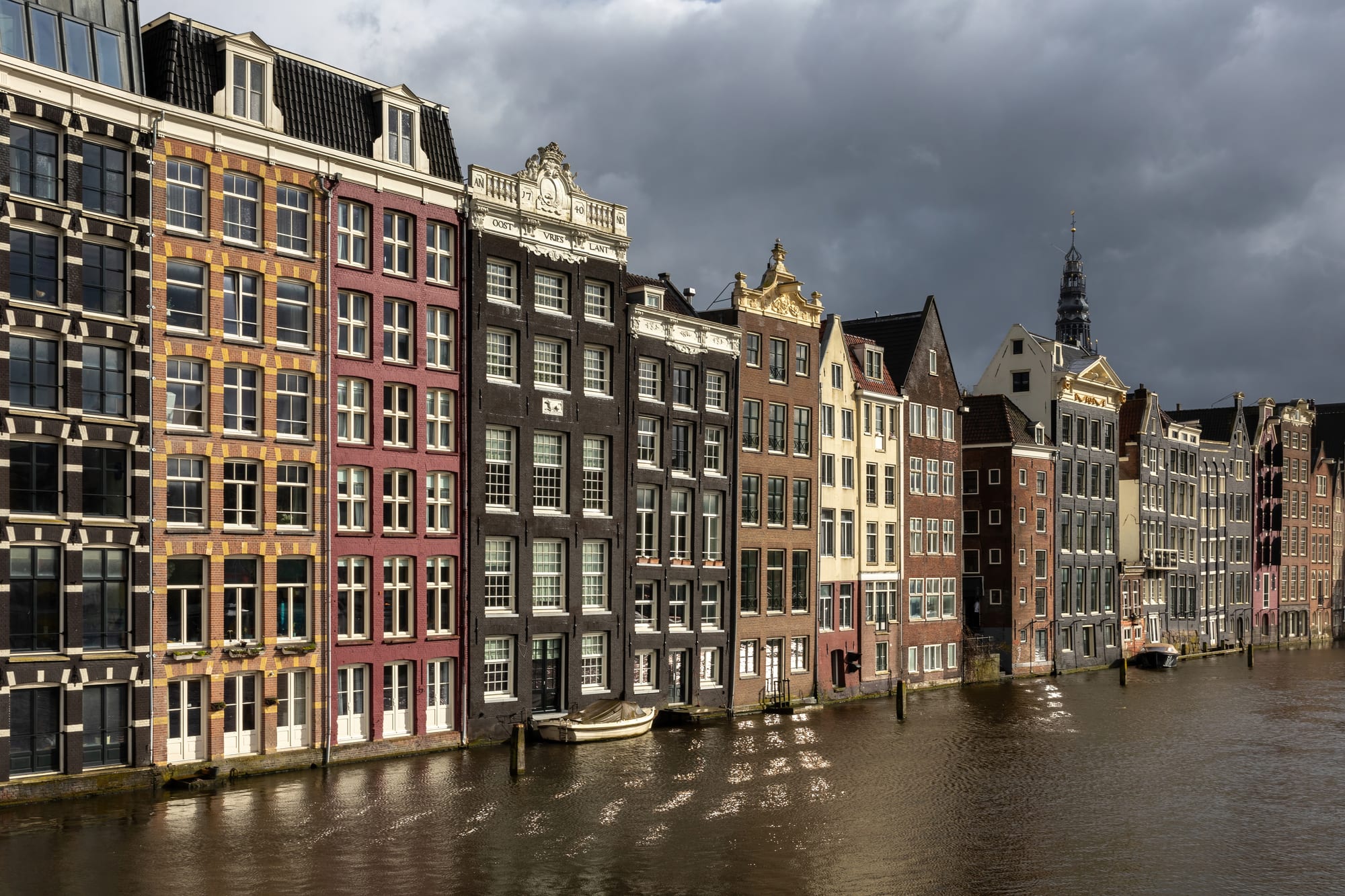
Canal houses leaning over the water, windmills that once kept the sea at bay, fields of tulips stretching to the horizon, and a village built on canals instead of roads
By Worldlore Editorial · 30 September 2026
A country built partly below the sea
The Netherlands is one of the most densely populated countries in Europe and one of the flattest — about a quarter of its land lies below sea level, protected by a centuries-old system of dikes, pumps, and windmills that has shaped both its landscape and its national character. It has about 18 million people, a seafaring and trading history that made 17th-century Amsterdam one of the richest cities on earth, and a modern reputation for cycling, flowers, and liberal social policy.
The ten below run from Amsterdam out into the flat countryside. Spring (especially April) is famous for the tulip season; the rest of the year suits the cities and canals equally well, with a fairly mild, wet climate throughout.
1. Amsterdam
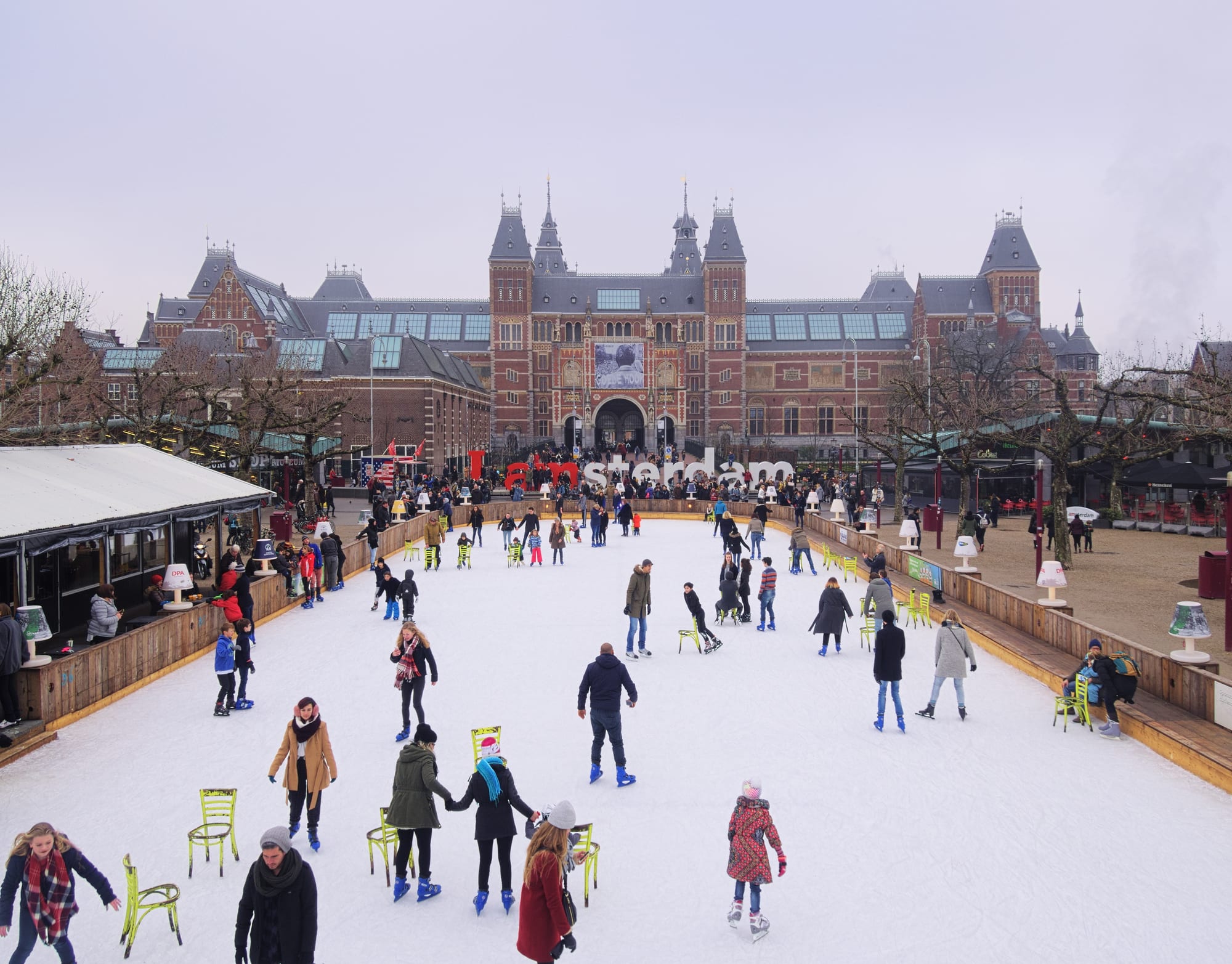
Amsterdam's 17th-century canal ring, a UNESCO World Heritage Site, is best explored on foot, by bike, or by boat past gabled merchant houses built during the Dutch Golden Age. The Rijksmuseum holds Rembrandt's The Night Watch and masterpieces by Vermeer; the Van Gogh Museum and Anne Frank House are among the country's most visited museums; and the Jordaan district, the flower market, and countless canalside cafés fill out a stay.
Renting a bike, as locals do for nearly everything, is the fastest way to get around.
2. Kinderdijk
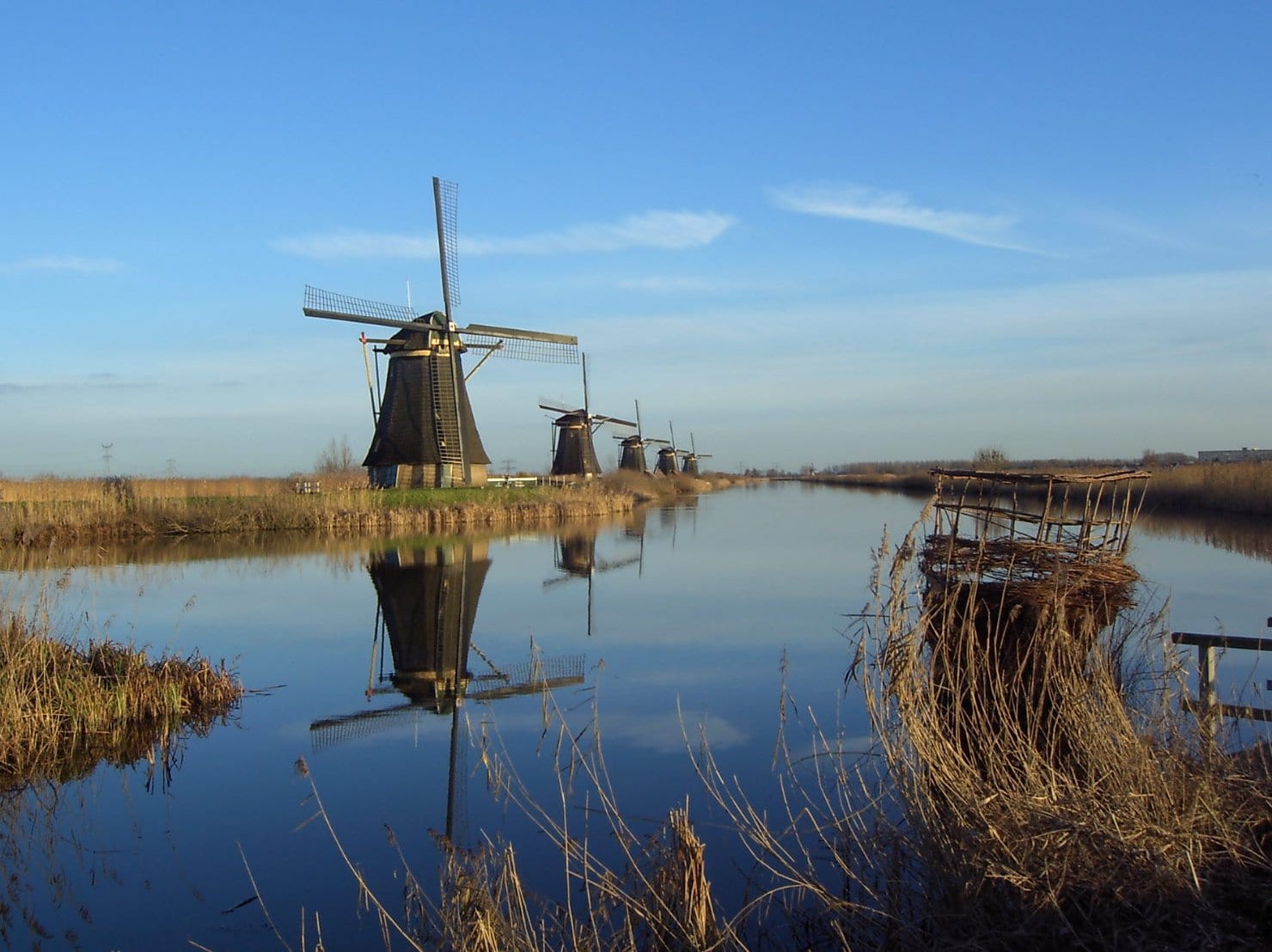
Kinderdijk, near Rotterdam, has the largest concentration of historic windmills in the Netherlands — 19 of them, built around 1740 as part of a still-functioning system for draining the low-lying polder into the river. It is a UNESCO World Heritage Site and can be toured on foot, by bike, or by a canal boat that weaves directly among the mills.
It is an easy day trip from Rotterdam or Amsterdam.
3. Zaanse Schans
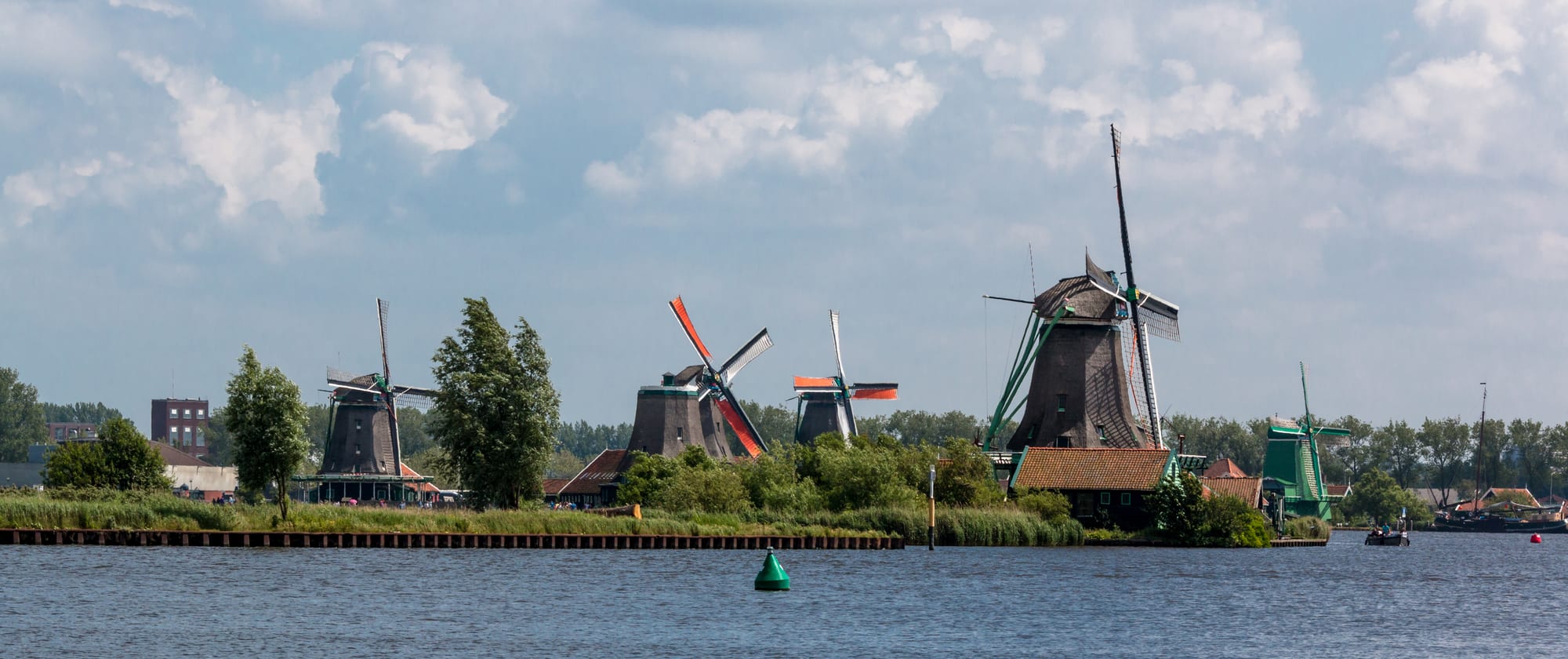
Zaanse Schans, a short train ride from Amsterdam, gathers historic windmills and green wooden houses relocated from around the Zaan region into an open-air museum village — working mills alongside a cheese factory and a clog-making workshop. It is more visited and more "curated" than Kinderdijk, but correspondingly the easiest windmill experience for a short visit.
It makes a popular half-day trip for those without time to venture further.
4. The Keukenhof and the tulip fields
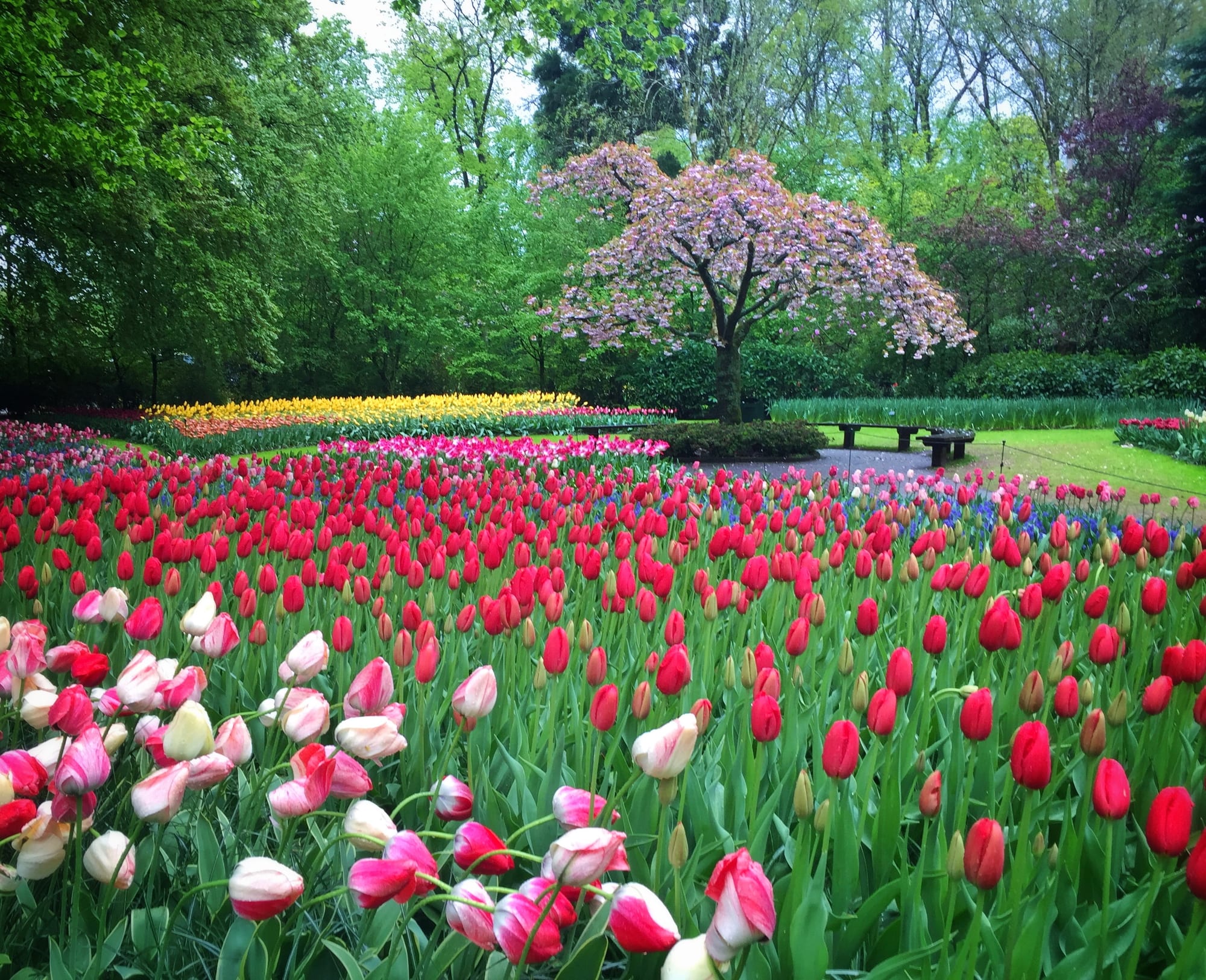
Keukenhof, near Lisse, is one of the world's largest flower gardens, planting around seven million bulbs each spring into elaborate, ever-changing displays — open only for about eight weeks, usually mid-March to mid-May. Beyond its gates, the surrounding Bollenstreek region turns into vast striped fields of tulips, hyacinths, and daffodils, best seen by bike.
The exact bloom period shifts with the weather each year, with the peak usually around mid-April.
5. Giethoorn
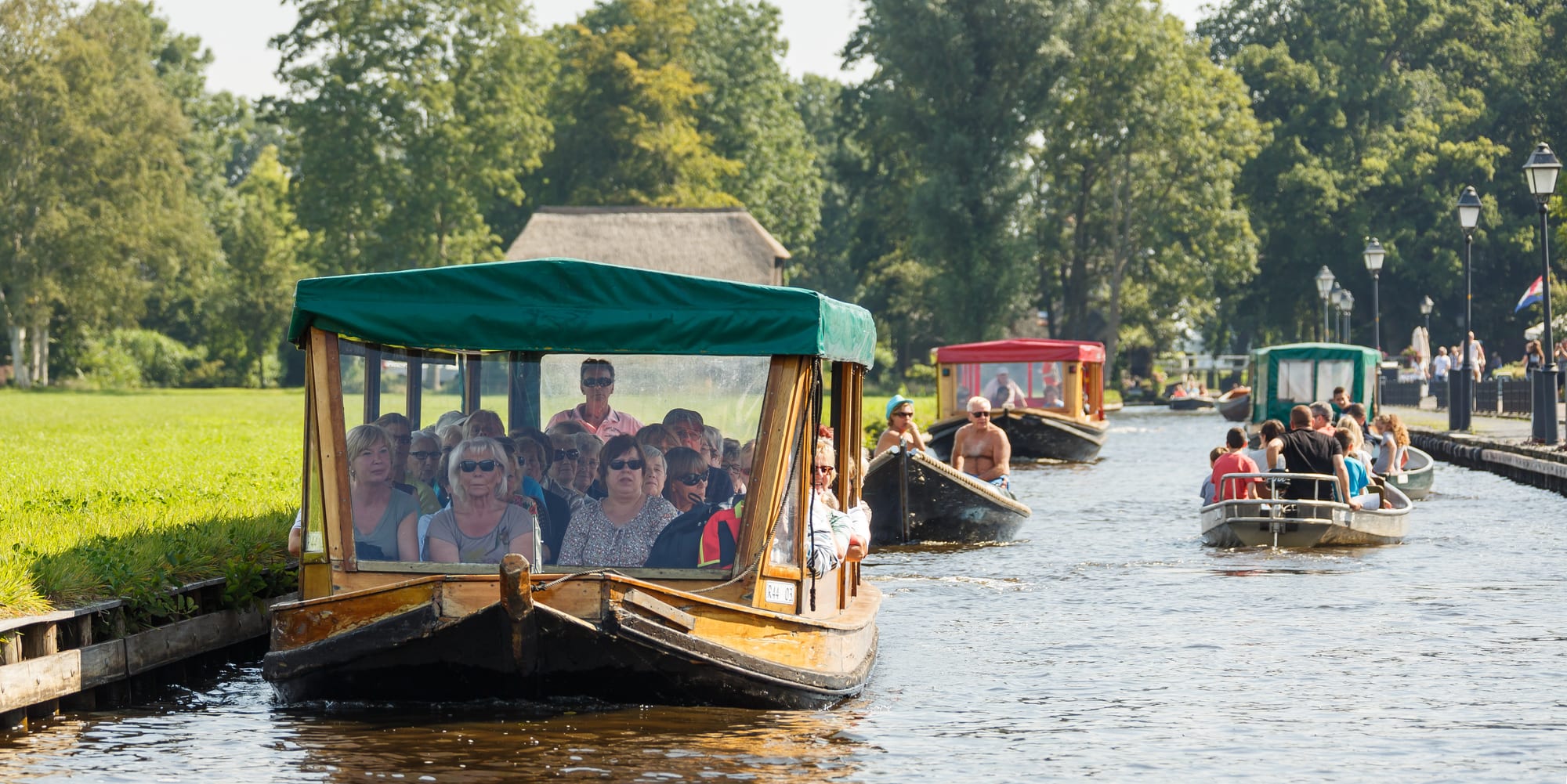
Giethoorn, in the province of Overijssel, grew up around waterways dug by peat cutting, and its old centre had no roads at all — thatched farmhouses linked by small wooden footbridges (176 of them in the village), with transport by boat; visitors can rent small boats themselves. It has become one of the best-known villages in the country.
It is popular enough in summer that an early morning or off-season visit gives a much quieter version of the same scene.
6. Delft
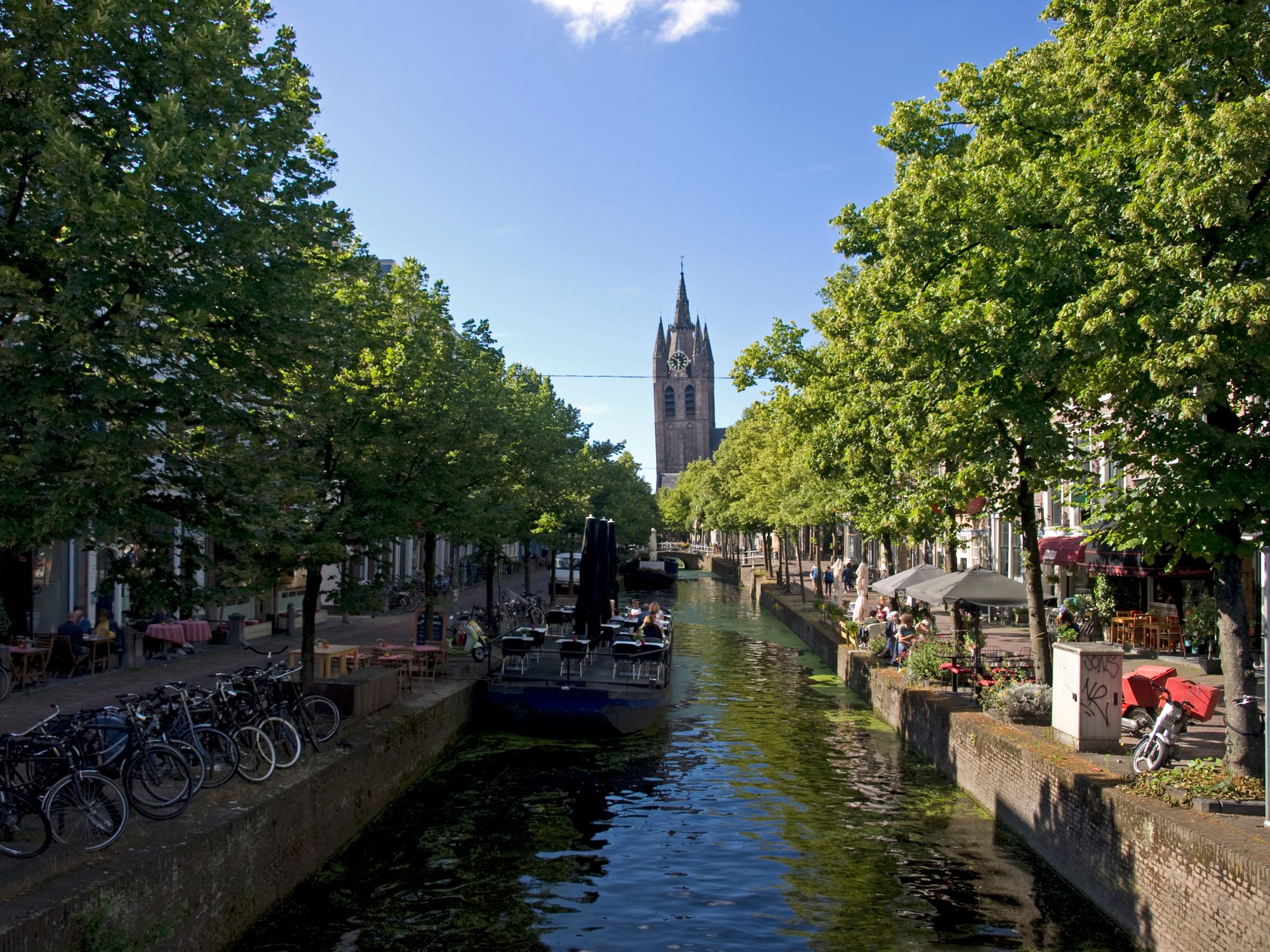
Delft, a small, elegant canal town between The Hague and Rotterdam, is famous for the blue-and-white pottery that bears its name (still made at the historic Royal Delft factory), for being the setting of Vermeer's paintings and the Vermeer Centre dedicated to his work, and for the Nieuwe Kerk, burial place of the House of Orange. Its compact old centre, quieter than Amsterdam's, is easy to see on foot in a day.
It is a straightforward train trip from either Amsterdam or Rotterdam.
7. The polder landscape
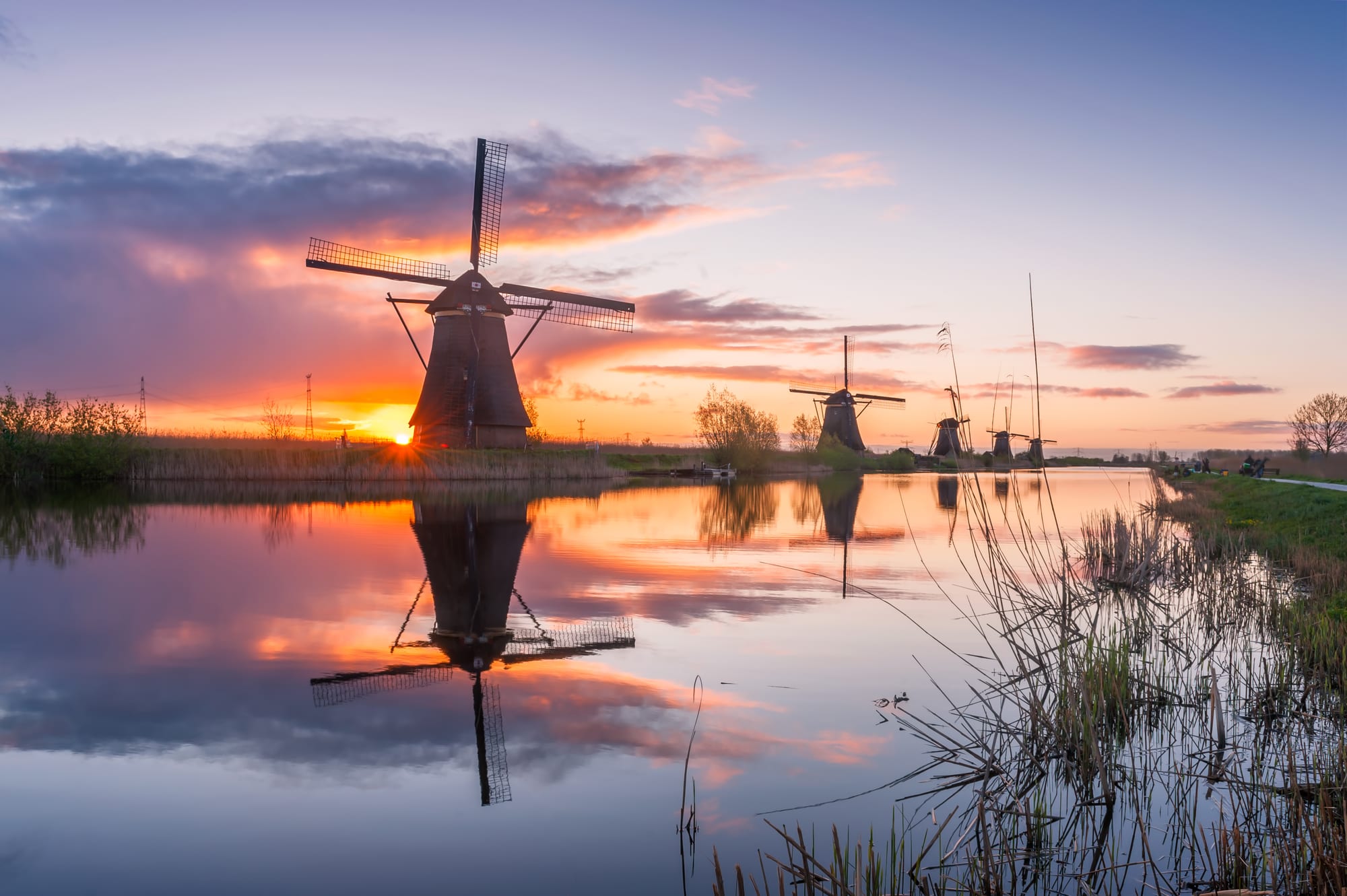
Beyond any single sight, much of the pleasure of the Netherlands is the flat, engineered landscape itself — polders reclaimed from the sea and lakes, criss-crossed by canals and dikes, grazed by dairy cattle and cut by cycling paths that make it one of the most bike-friendly countries on earth. Renting a bicycle and simply riding between towns, windmills, and fields is, for many visitors, the most memorable way to experience the country.
The Dutch rail network makes it easy to combine train travel with cycling day trips from almost any base.
8. The Wadden Sea
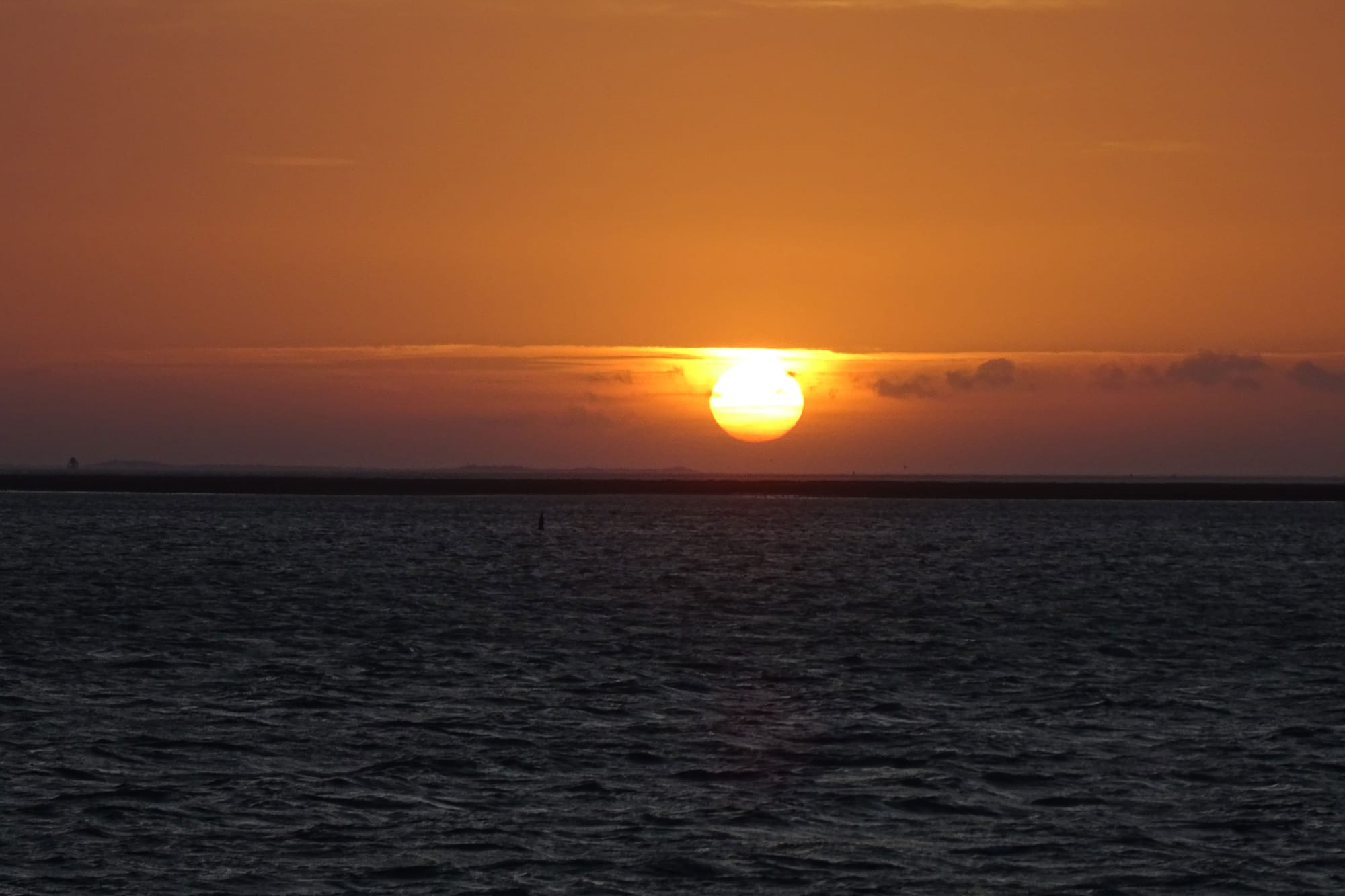
North of the mainland, the Wadden Sea's vast tidal flats are exposed twice a day at low tide, forming one of the largest systems of tidal sand and mud flats in the world — a UNESCO World Heritage Site and a haven for migratory birds, seals, and the guided "wadlopen" mudflat walks that let visitors cross to the barrier islands on foot.
The Frisian islands (Texel, Terschelling, Ameland, Schiermonnikoog) offer dunes, beaches, and a much quieter pace than the mainland cities.
9. Hoge Veluwe National Park
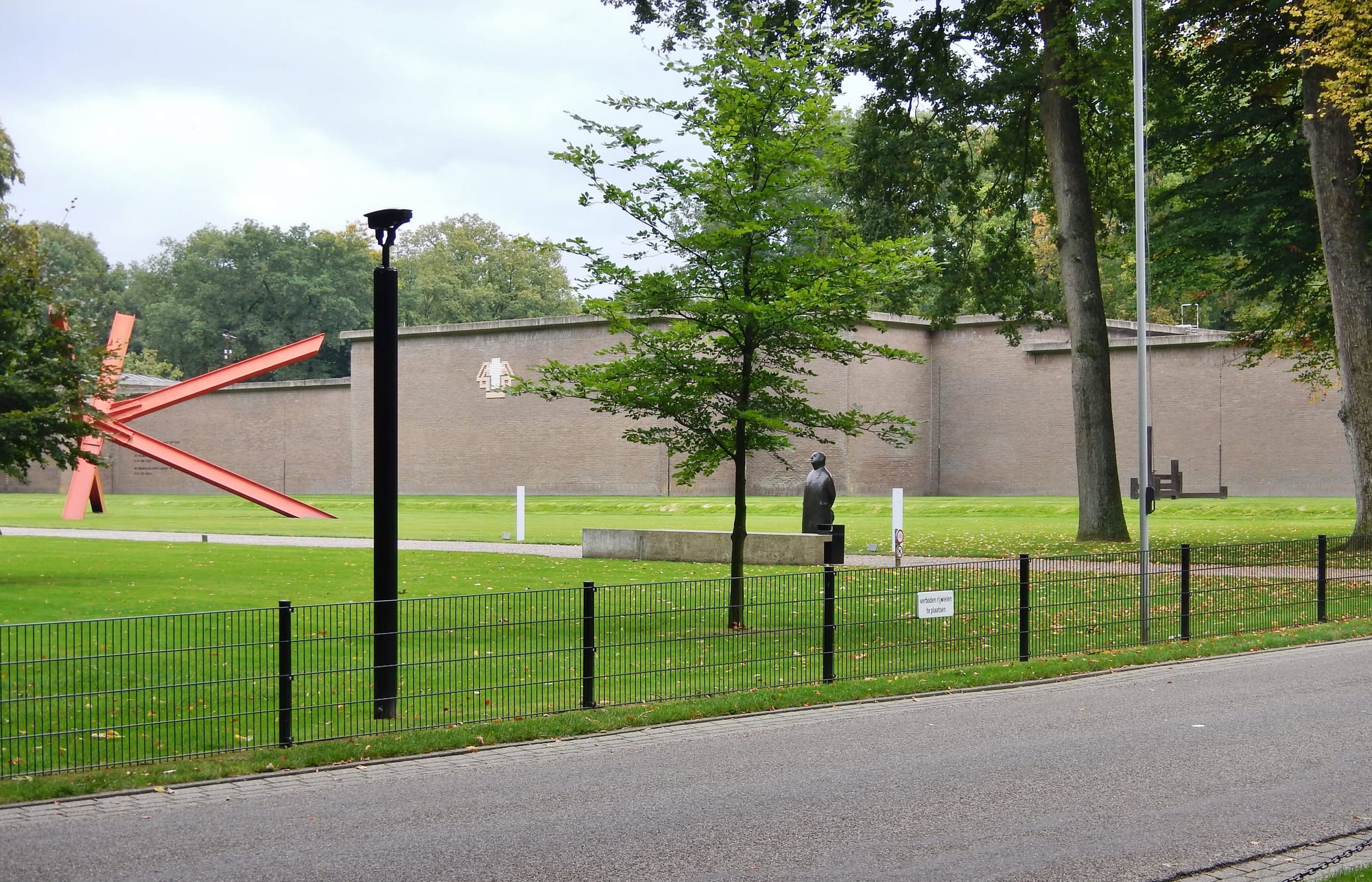
The Hoge Veluwe, one of the Netherlands' largest national parks, combines heath, forest, and drifting sand dunes with one of the country's finest art collections: the Kröller-Müller Museum inside the park holds the second-largest Van Gogh collection in the world alongside a large outdoor sculpture garden, all reachable by free white bicycles left around the park for visitors.
Red deer, roe deer and wild boar roam the park's heathland and woods, best seen at dawn or dusk; wolves have returned to the area in recent years.
10. Utrecht
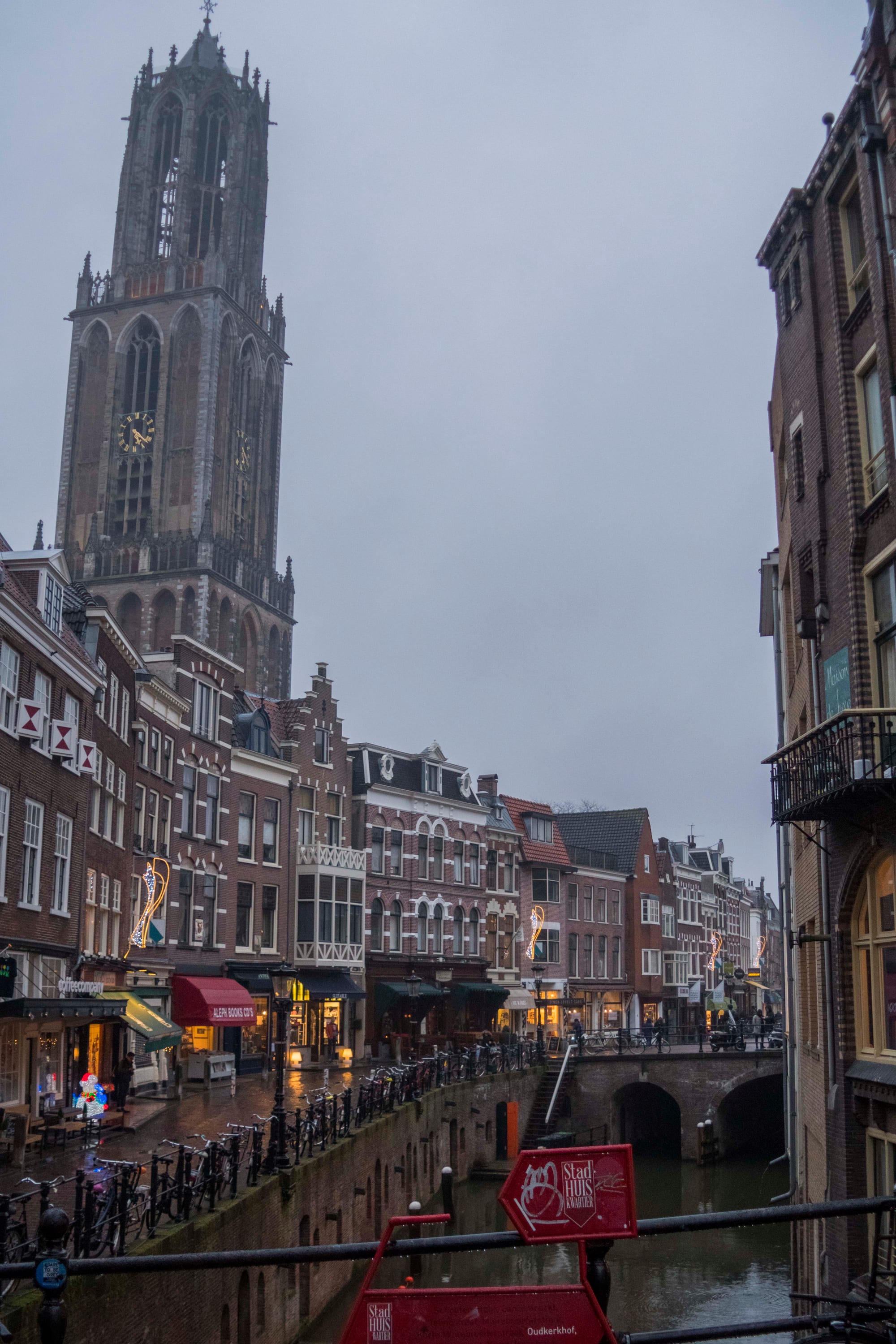
Utrecht, the Netherlands' fourth-largest city and a short train ride from Amsterdam, has a distinctive two-tiered canal system — wharves at water level once used for unloading barges now hold cafés and restaurants below street level — and the Dom Tower, at 112 metres the tallest church tower in the country, all standing after the nave of its cathedral was destroyed by a tornado in 1674.
With a large student population, Utrecht has a livelier, less tourist-oriented feel than Amsterdam while remaining just as walkable.
The Netherlands is compact and well connected by train, making Amsterdam a practical base for the whole country: three or four days in the city, with day trips to Kinderdijk or Zaanse Schans, Keukenhof (in season), and Delft or Giethoorn.