Food · Netherlands
Netherlands: Food and the National Dish
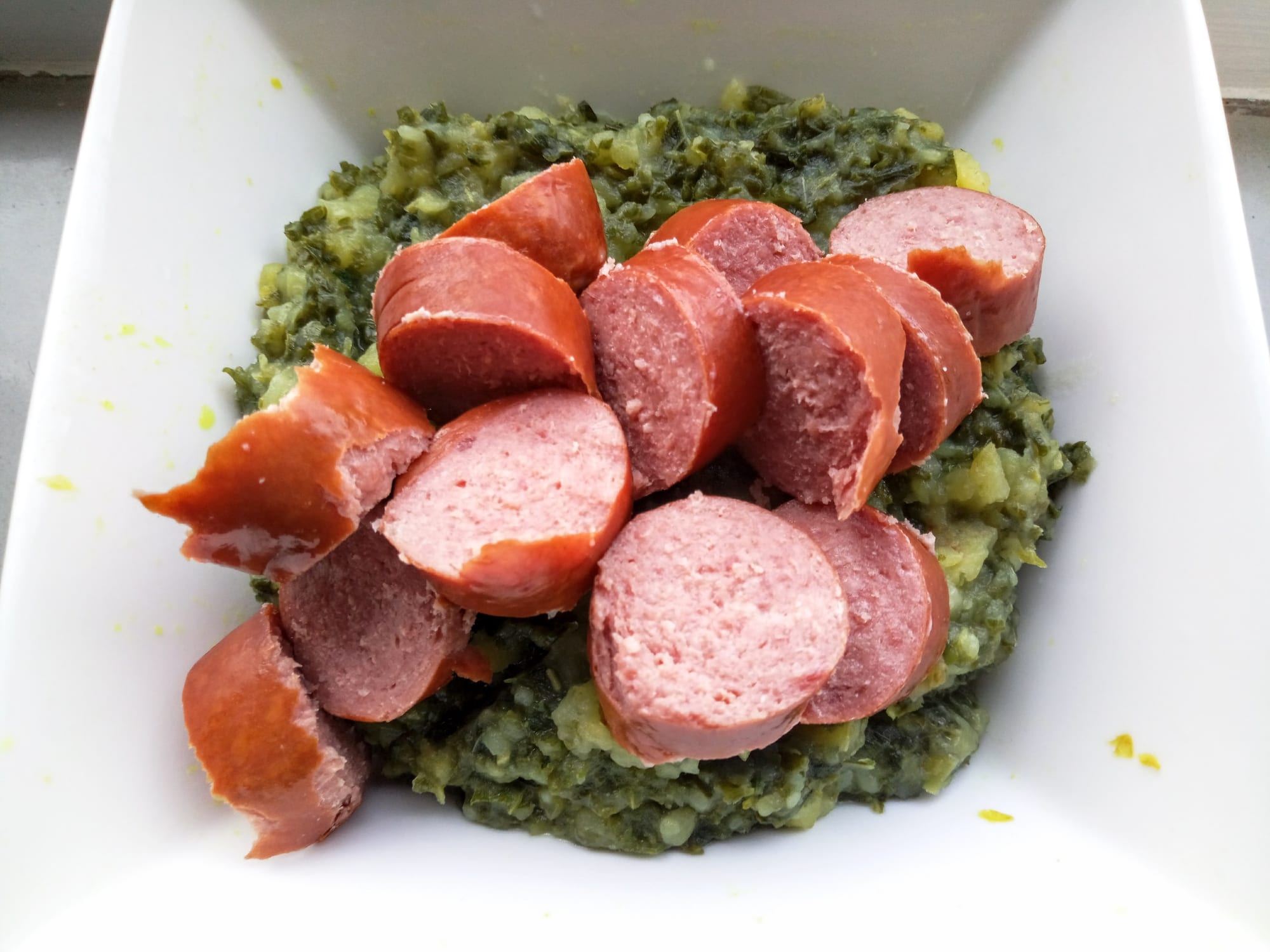
Mashed potato and kale topped with a ring of smoked sausage, in a country whose cheese trade shaped its towns long before tourism did
By Globeway Editorial · 30 September 2026
Plain, practical food from a trading nation
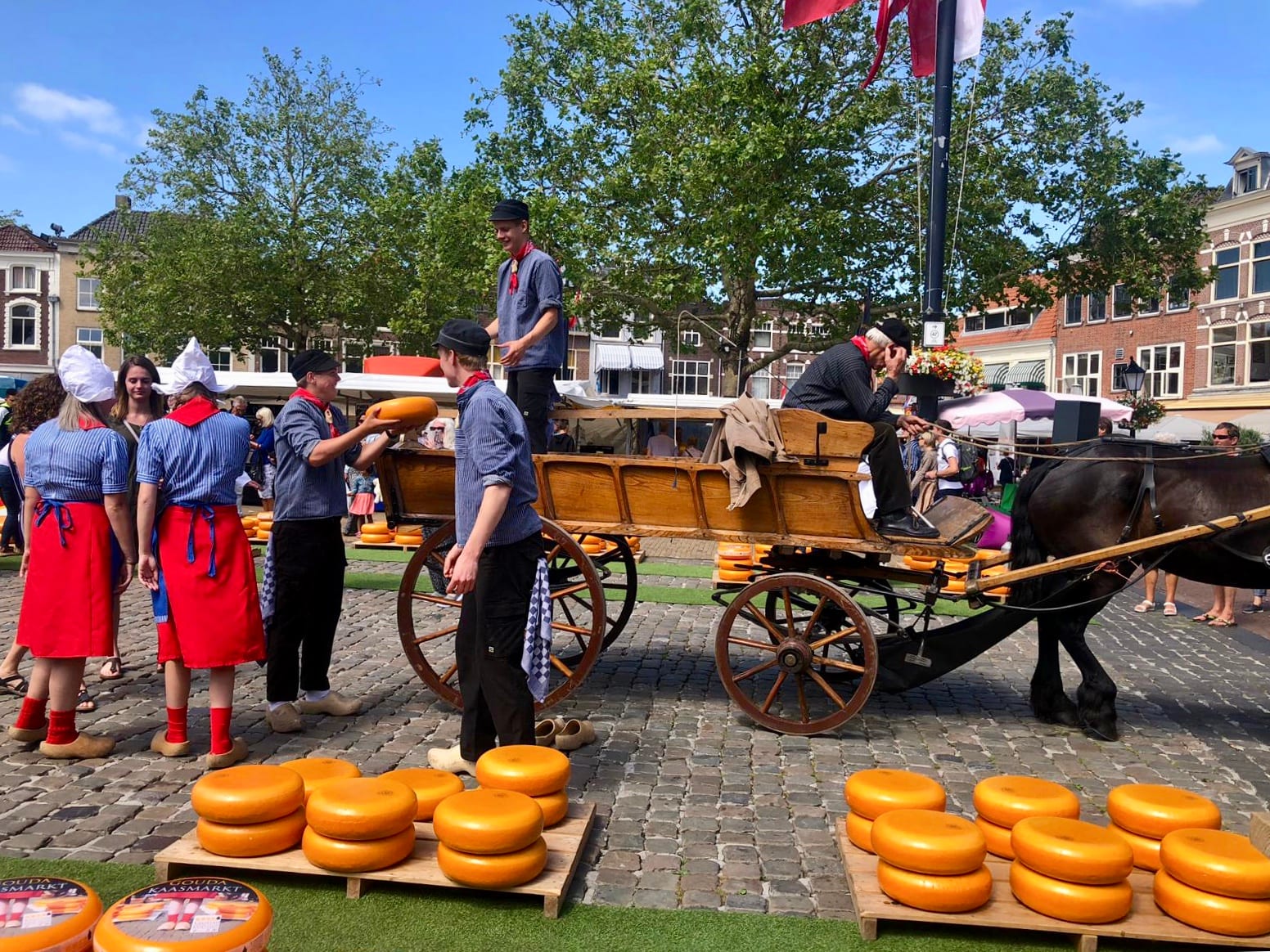
Dutch food is unpretentious by design, built on potatoes, dairy and simple vegetable dishes suited to a flat, wet country whose low-lying grasslands favoured dairy farming. What the Netherlands lacked in dramatic cuisine it made up for in trade, particularly cheese and dairy, which shaped entire towns and remains a genuine source of national pride today.
The national dish: stamppot
Stamppot, mashed potato mixed with a vegetable, most classically kale (boerenkool) but also endive, sauerkraut or carrot and onion depending on the version, and topped with a ring of smoked sausage called rookworst, is a traditional Dutch dish often called the national dish. A genuine winter comfort food, stamppot varies by household and region but keeps the same basic structure: mash, vegetable, sausage, and often a well of gravy poured into the middle.
Cheese, herring and the Dutch pantry
Dutch cheese, Gouda and Edam among the best known internationally, anchors much of the country's food identity, alongside dairy more broadly. Lightly brined raw herring, traditionally eaten by lifting the fish by its tail and lowering it into the mouth, and bitterballen, deep-fried, breaded meat ragout balls served as a bar snack, round out a pantry built on simple, hearty flavours over elaborate technique.
History behind the trade
The Netherlands' 17th-century Golden Age, built on maritime trade including spices brought back through the Dutch East India Company, left its clearest mark on Dutch eating through the former colonies: Indonesian dishes and Dutch-Indonesian fusion such as rijsttafel, a meal of many small dishes, became popular in the Netherlands, especially after Indonesian independence. Dairy and cheese trade, by contrast, shaped Dutch towns directly, with markets like Alkmaar's, whose cheese carriers' guild dates from 1593, remaining a genuine tourist and trading institution today.
Dishes to know
Five more to recognise across the Netherlands:
- Bitterballen — deep-fried, breaded balls of meat ragout, a classic
Dutch bar snack.
- Haring — lightly brined raw herring, often eaten by hand with chopped
raw onion and pickles.
- Poffertjes — small, fluffy pancakes, dusted with powdered sugar and
butter.
- Stroopwafel — two thin waffle layers joined by a syrup filling, often
warmed on top of a hot drink.
- Erwtensoep — a thick split pea soup, another classic Dutch winter
dish alongside stamppot.
Drinks
Beer has a long Dutch brewing tradition, with brands like Heineken and Grolsch known internationally alongside a growing craft beer scene. Jenever, a juniper-flavoured spirit and forerunner to gin, is the Netherlands' traditional liquor, and coffee, taken throughout the day, remains a genuine daily habit.
Eating as a traveller
Vegetarians will find stamppot variations, cheese and bread manageable, though meat and fish, herring especially, are common in traditional Dutch food. Tap water is safe throughout the country. Trying stamppot at a traditional "eetcafe" during the colder months is the most authentic way to taste Dutch comfort food as it's meant to be eaten.
What to take from the table
Stamppot, mashed and topped with sausage, is the dish that best represents Dutch food's plain, practical character — and a wedge of Gouda from Alkmaar's market is a direct taste of the trade that built much of the country around it.