Attractions & Natural Wonders · Nigeria
Nigeria: Seven Attractions and Natural Wonders
Africa's largest city by some counts, a monolith of bare granite outside the capital, a sacred forest devoted to a river goddess, and a cool mountain ranch high on a plateau near the Cameroon border
By Worldlore Editorial · 30 September 2026
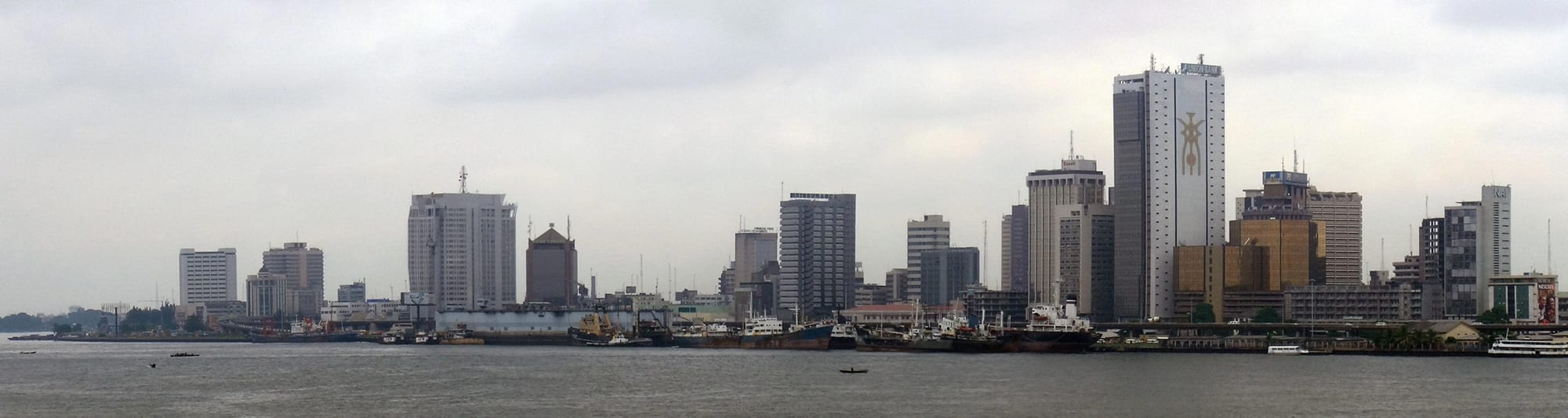
Africa's most populous country
Nigeria, with more than 240 million people, is Africa's most populous country and one of its largest economies, home to more than 250 ethnic groups and a cultural output — Nollywood film, Afrobeats music, literature — that reaches far beyond its borders. It stretches from the Atlantic coast and the creeks of the Niger Delta to Sahelian savanna in the north, and its cities, especially Lagos, move at a pace and scale that can overwhelm first-time visitors in the best and most demanding ways.
The seven below run from the commercial capital through the political capital to the southwest and the eastern highlands. The dry season (November to March) is generally the easiest time to travel; the rains from April to October are heaviest in the south.
1. Lagos
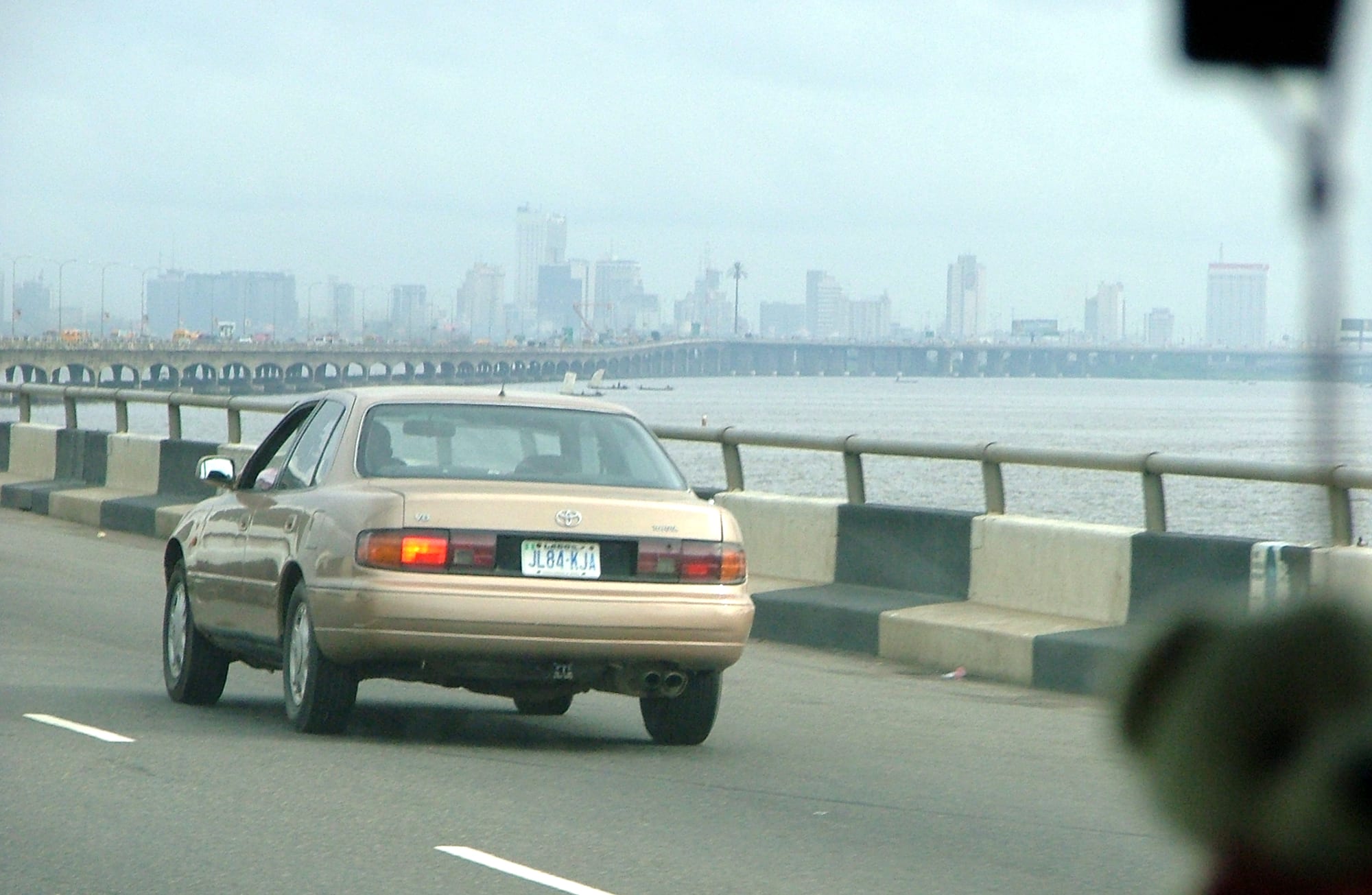
Lagos, Nigeria's commercial capital and, by some counts, the largest city in Africa, is a sprawling, energetic megacity built around a lagoon — the art and nightlife of Victoria Island and Lekki, the Nike Art Gallery, the National Museum, and the beaches at Tarkwa Bay and further along the coast. It is also the centre of Nollywood, rated by UNESCO in 2009 as the world's second-largest film industry by output, and of Afrobeats, the music genre that has become a global export.
Traffic is notoriously heavy; plan for it and build spare time into any itinerary.
2. Zuma Rock
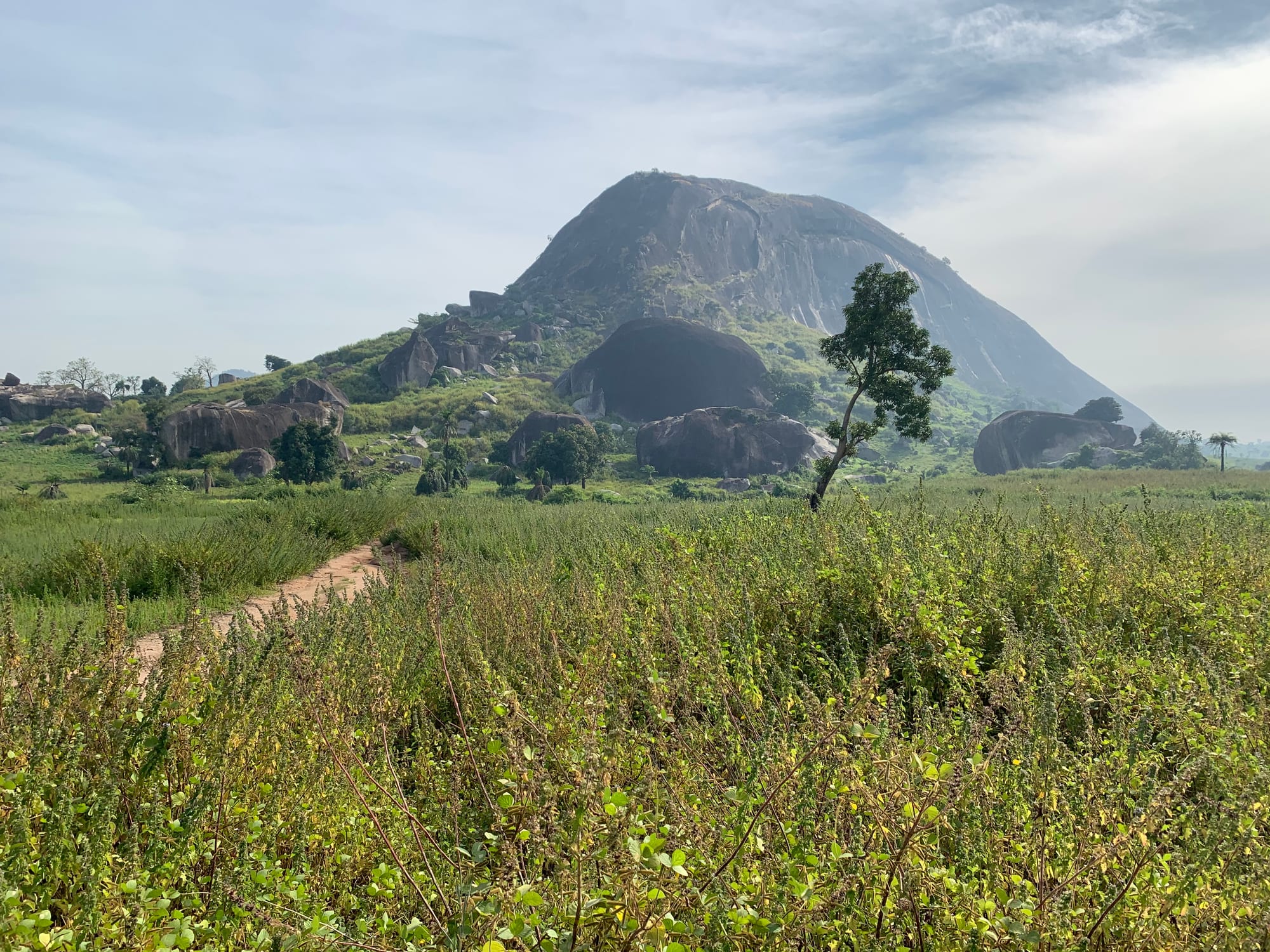
Zuma Rock, a sheer granite monolith rising to about 725 metres above sea level just outside Abuja, appears on the 100-naira banknote and is sometimes called the "Gateway to Abuja" for its position beside the main road between Abuja and Kaduna. Local tradition holds various spiritual beliefs about the rock, including tales of spirits dwelling within it. It is best appreciated from viewpoints along the highway rather than climbed.
3. Abuja
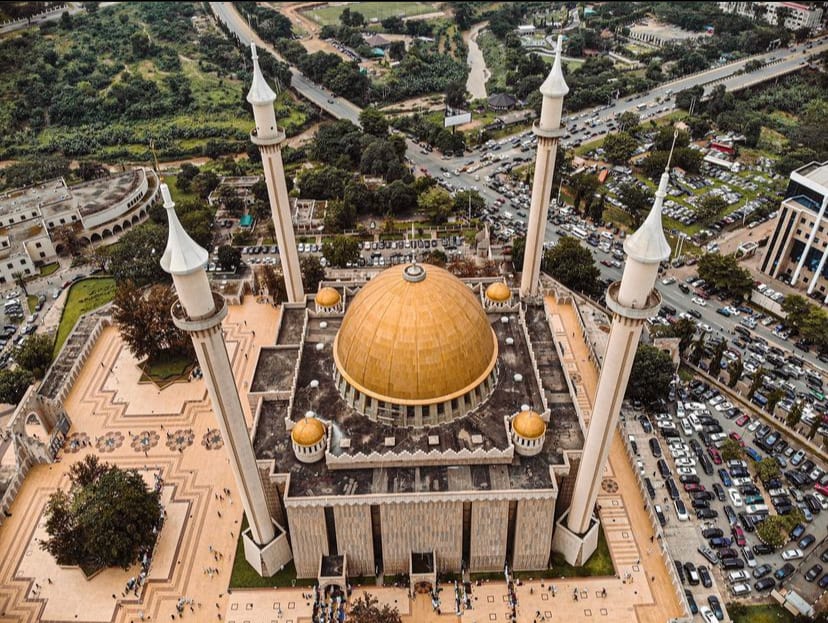
Abuja, Nigeria's purpose-built capital since 1991, is a planned, orderly city of wide boulevards very different from Lagos's chaos — the golden-domed National Mosque and the National Christian Centre standing almost opposite each other as a deliberate symbol of religious balance, alongside the Aso Rock presidential complex at the foot of Aso Rock itself.
It is calmer and easier to navigate than Lagos, though as the seat of government it has its own security considerations.
4. The Osun-Osogbo Sacred Grove
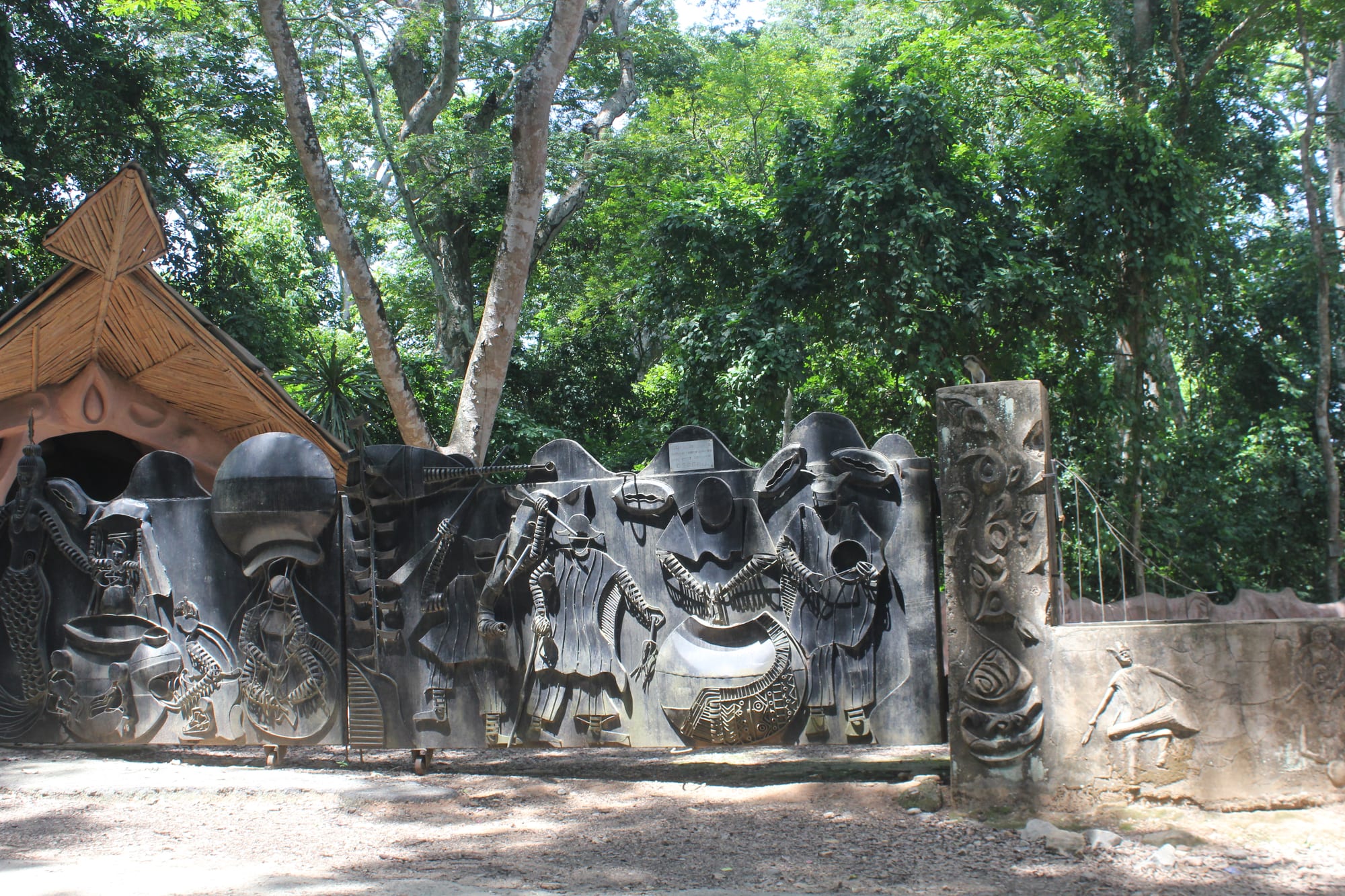
The Osun-Osogbo Sacred Grove, on the edge of Osogbo in the southwest, is one of the last surviving remnants of the once-widespread sacred forests that ringed Yoruba towns, dedicated to Osun, the river goddess of fertility. It holds shrines, sculptures, and artworks (many by the Austrian-born artist Susanne Wenger and local collaborators), and hosts an annual festival each August drawing thousands of devotees and visitors. It is a UNESCO World Heritage Site.
The grove remains an active site of worship, not simply a historical monument.
5. Yankari National Park
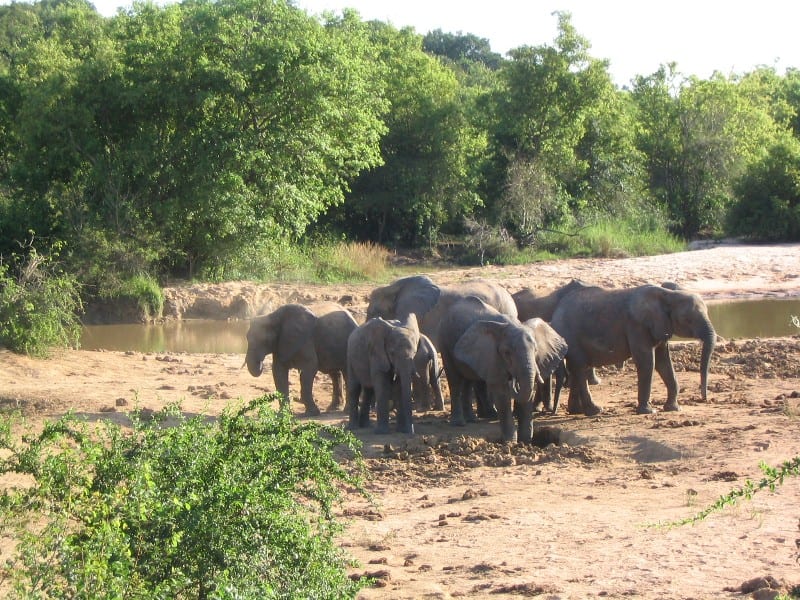
Yankari, a game reserve (and former national park) in Bauchi State in the northeast, is Nigeria's most popular wildlife destination — savanna and riverine forest holding elephants, baboons, hippos, and antelope, along with several natural warm-water springs. It has faced periods of reduced visitor numbers linked to the wider security situation in the northeast, so checking current conditions before planning a visit is worthwhile.
6. Olumo Rock
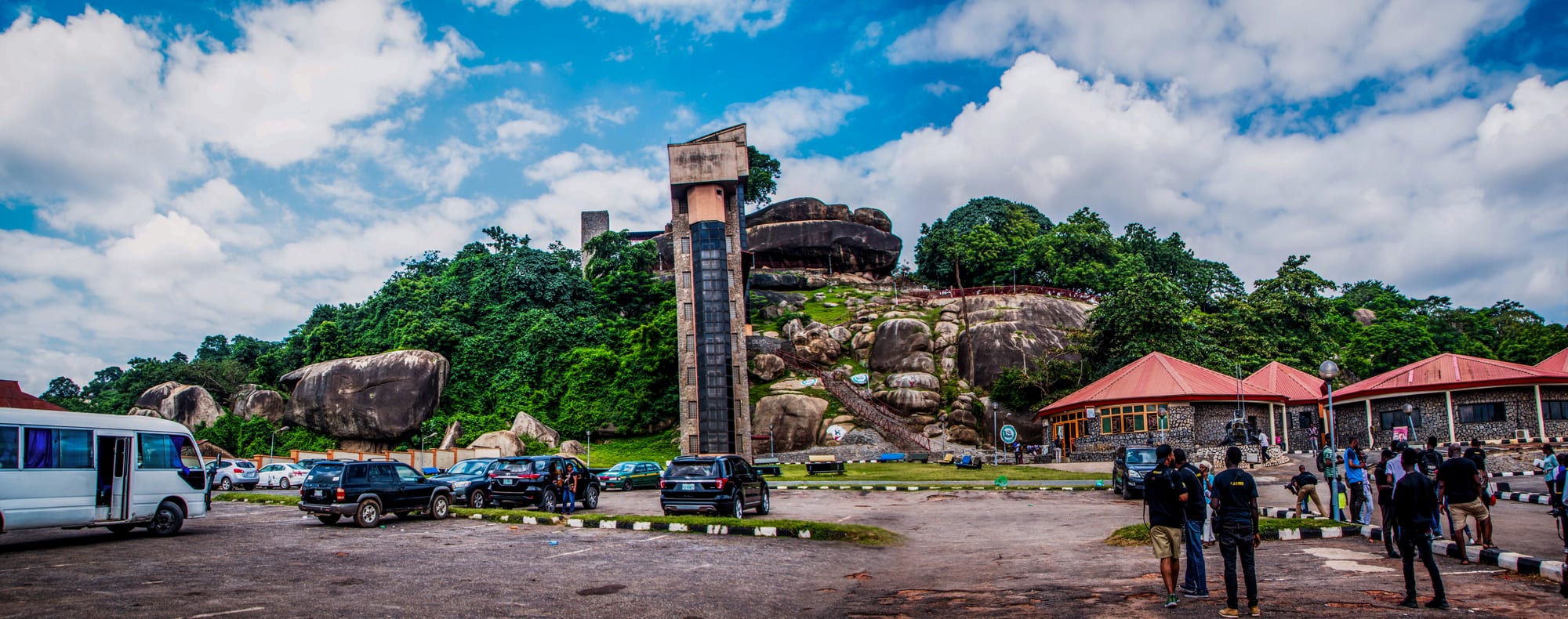
Olumo Rock, in Abeokuta (whose name means "under the rock"), is a granite outcrop that sheltered the Egba people during 19th-century intertribal wars — its caves and ledges give a panoramic view over the town below, and the rock remains held in high esteem by the Egba, whose refuge it was.
It is within day-trip range of Lagos, linked to it by expressway and rail.
7. Obudu Cattle Ranch
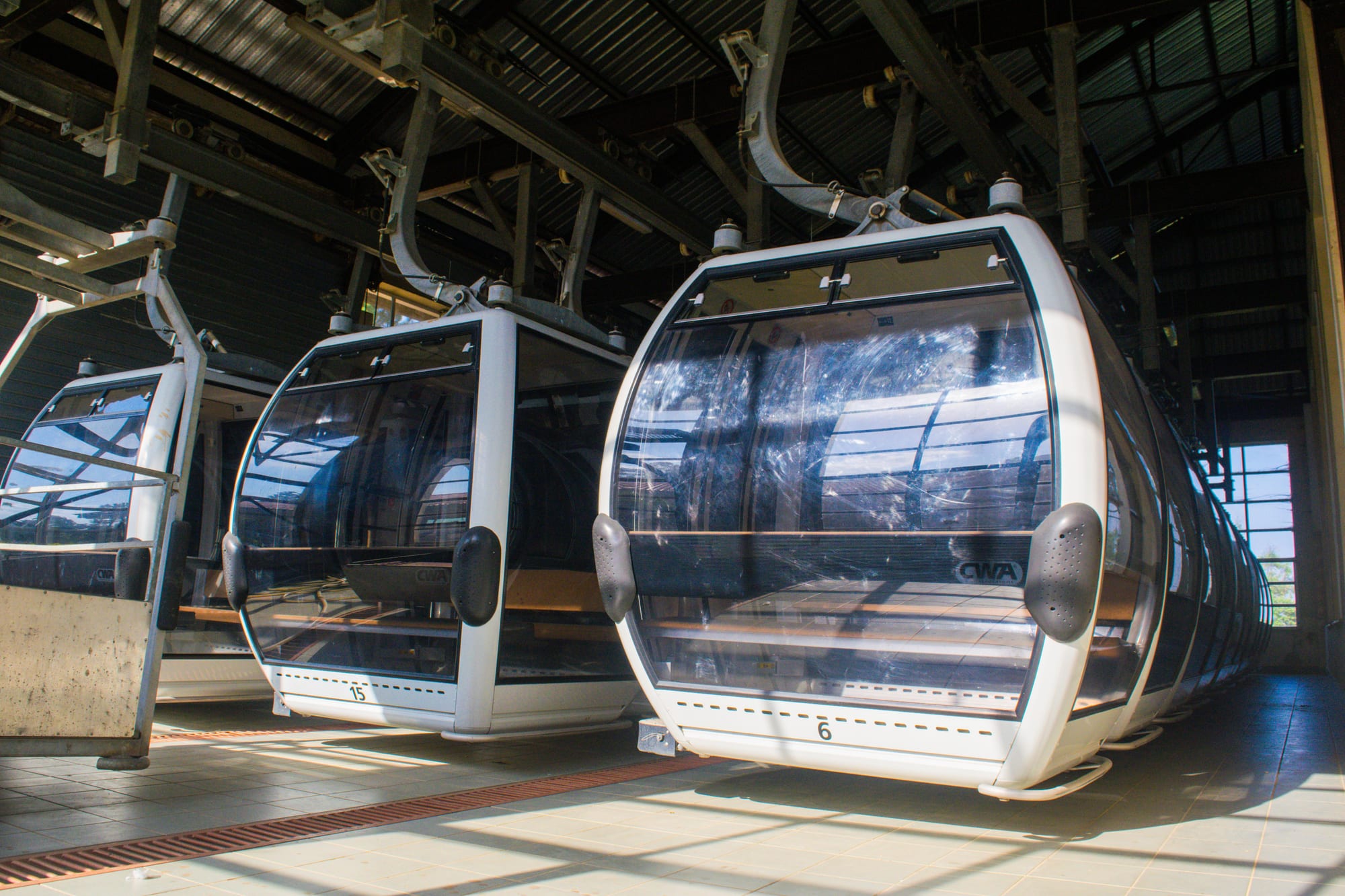
Obudu, on a cool highland plateau near the Cameroon border in Cross River State, was developed as a cattle ranch in 1951 by a Scottish rancher and is now a resort (renamed Obanliku Mountain Resort) on a plateau of grassland and a noticeably cooler climate than the lowlands below. Its cable car, which climbs some 870 metres from the base, has long been out of service for lack of maintenance; the state government retook the resort in 2025 with plans to restore it.
It combines well with Cross River's rainforest reserves and gorilla habitat further south, for those extending a trip.
A practical note
Nigeria's security situation varies significantly by region: the northeast (Boko Haram/ISWAP insurgency), parts of the north-central and northwest (banditry and kidnapping), and parts of the southeast and Niger Delta have all carried heightened travel advisories in recent years, while Lagos, Abuja, and the southwest generally see substantial normal travel and business activity, with standard big-city precautions. Check current, region-specific government advice before planning a route, and consider a reputable local guide or fixer, particularly outside the main cities.