Food · Nigeria
Nigeria: Food and the National Dish
A tomato-based rice dish claimed with real pride across West Africa's most populous country, alongside a spiced street-meat tradition just as loved
By Globeway Editorial · 30 September 2026
Africa's most populous country, and one of its biggest food cultures
Nigeria, home to more than 200 ethnic groups and Africa's largest population, has a food culture as varied as its people, Yoruba, Igbo, Hausa and dozens of other traditions each contributing distinct dishes. What unites much of the country is a shared reliance on rice, yam, cassava and a deep love of well-seasoned, often spicy food.
The national dish: jollof rice
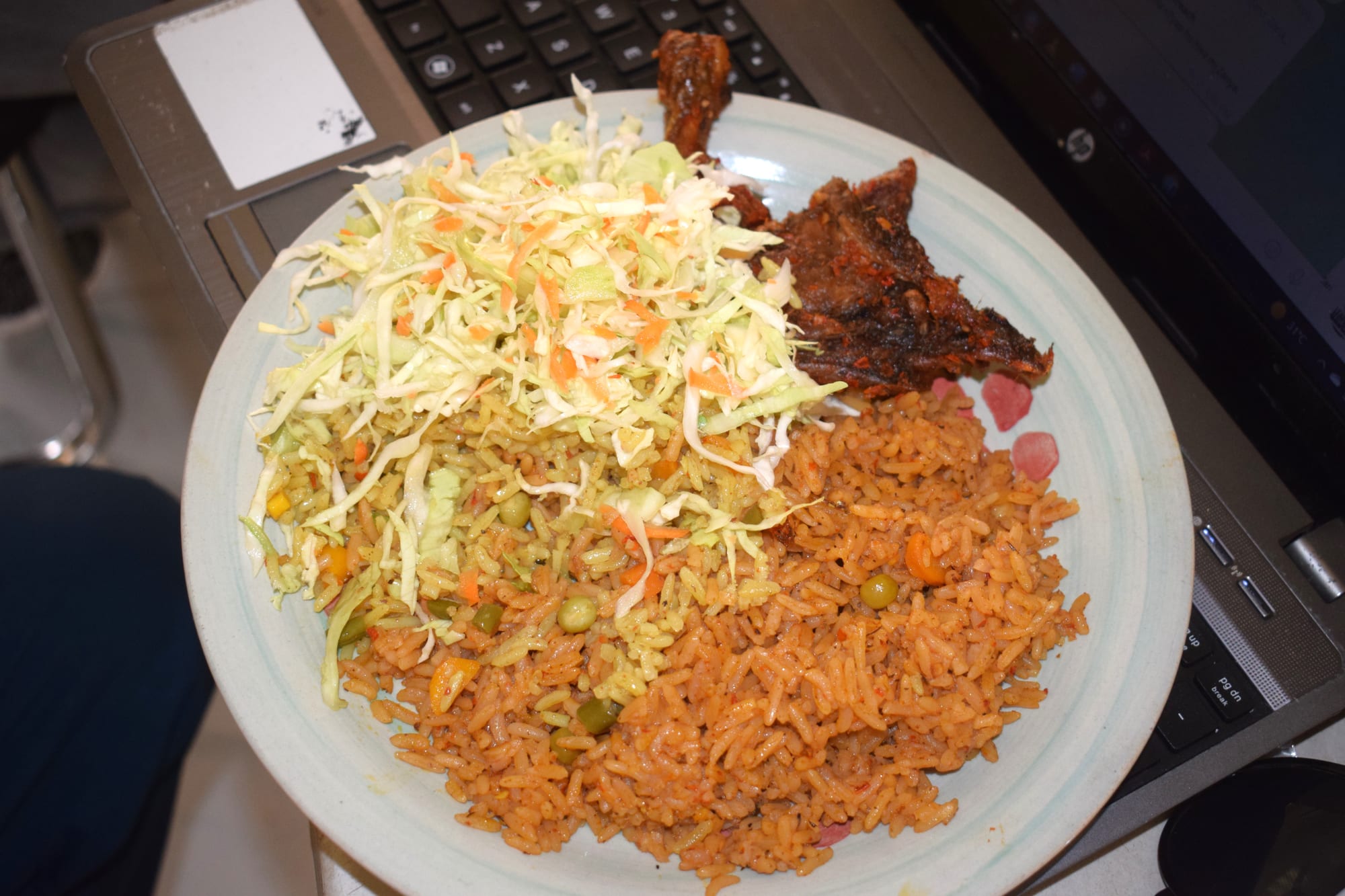
Jollof rice, a one-pot tomato-based rice dish cooked with onion, pepper and spices, is widely regarded as Nigeria's national dish and the centrepiece of a long-running, largely good-natured rivalry with Ghana over whose version is superior, sometimes called the "Jollof Wars." In Nigeria, jollof rice is treated as genuinely essential to celebrations and parties, and the smoky "party jollof" is traditionally cooked outdoors over a wood fire in large quantities for weddings and other major gatherings.
Yam, cassava and the everyday pantry
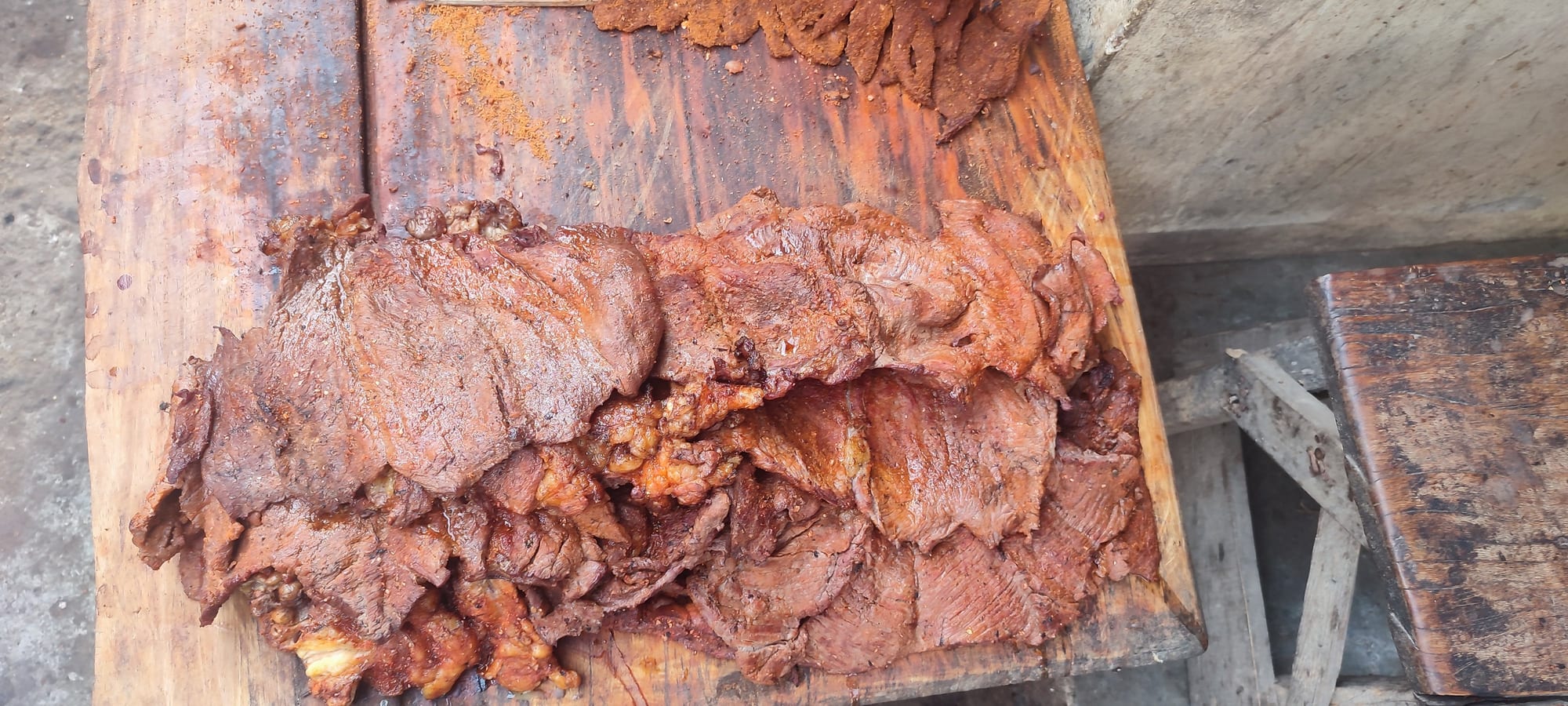
Yam and cassava, pounded into smooth, stretchy doughs and eaten with soup, form the backbone of much everyday Nigerian cooking, alongside rice and a wide range of leafy greens, beans and palm oil. Suya, thinly sliced meat coated in a spiced peanut mixture and grilled on skewers, is one of Nigeria's most beloved street foods, a Hausa speciality now sold especially as an evening snack.
History behind the rivalry
Jollof rice is generally traced to Senegal and takes its name from the Wolof people, though its exact origins are debated; it spread across West Africa, taking on distinct national identities in Nigeria, Ghana and elsewhere along the way. Nigeria's own regional diversity, Yoruba, Igbo, Hausa and beyond, has also produced deep culinary variation within the country itself, well beyond jollof rice's national fame.
Dishes to know
Five more to recognise across Nigeria:
- Suya — thinly sliced meat marinated in yaji, a spice mix with ground
peanut cake, then skewered and grilled, a hugely popular street food.
- Egusi soup — a soup thickened with ground melon seeds, often served
with pounded yam or fufu.
- Pounded yam — yam boiled and pounded into a smooth, stretchy dough,
eaten with soup.
- Moin moin — a steamed bean pudding made from ground peeled beans such
as black-eyed peas, with onions and peppers.
- Akara — deep-fried fritters of ground black-eyed peas, a Yoruba dish
and a common breakfast food.
Drinks
Zobo, a tart red drink made from dried hibiscus flowers and often boiled with ginger and cloves, is a widely loved traditional Nigerian refreshment. Palm wine remains a traditional drink in many communities, and Nigerian beer brands like Star, first brewed in Lagos in 1949, and Gulder are widely drunk. Alcohol is far less visible in the twelve northern states that apply sharia law.
Eating as a traveller
Vegetarians will find bean, vegetable and yam-based dishes manageable, though meat and fish feature heavily in most traditional soups. Tap water is not reliably safe outside major hotels; stick to bottled or boiled water. Trying suya from a well-known roadside vendor, served with sliced onions and tomatoes, is a genuine and widely recommended way to experience Nigerian street food.
What to take from the table
Jollof rice, cooked for celebrations nationwide, is the dish that best represents Nigerian food — and a stick of suya from a roadside grill is the friendliest way into everything else Nigeria's many food traditions have to offer.