Food · Niue
Niue: Food and the National Dish
A prized coconut crab hunted in the forest, on a raised coral island with no lagoon and a food culture rooted in taro, coconut and the reef
By Globeway Editorial · 30 September 2026
An island built from raised coral, not a typical atoll
Niue is one of the world's largest coral islands, a geology genuinely different from the low-lying lagoon atolls common elsewhere in the Pacific: no surrounding lagoon, but a landscape riddled with limestone caves and forest that shapes what islanders have traditionally foraged and hunted, alongside what the surrounding reef and ocean supply.
The signature delicacy: uga
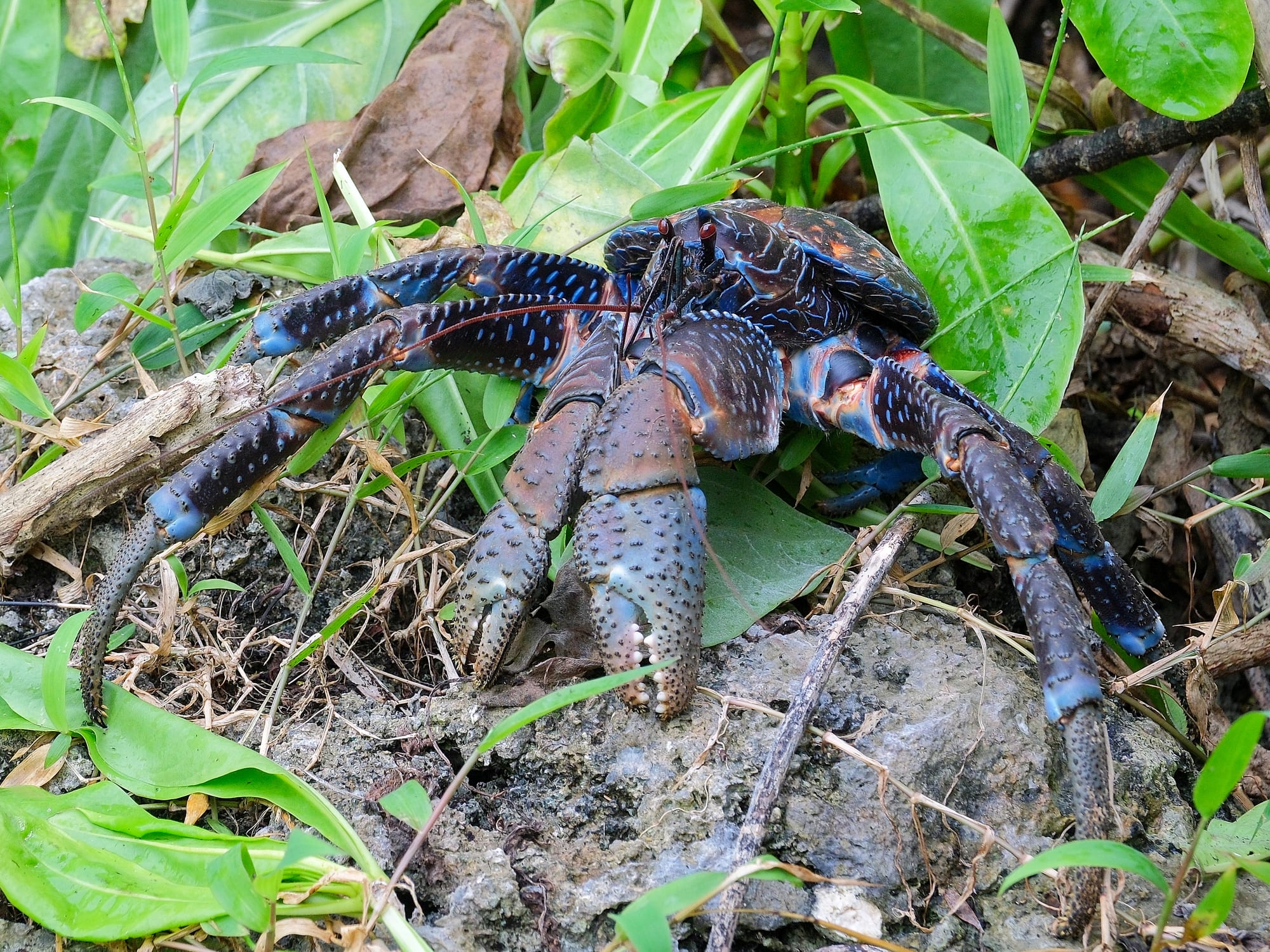
Uga, the local name for coconut crab, is Niue's most celebrated food delicacy, traditionally hunted in the island's forests and coastal limestone terrain rather than caught at sea. Its rich, prized meat and the genuine skill involved in finding and catching it make uga a dish reserved for special occasions rather than everyday eating, and harvesting is managed with a minimum size limit and, since 2015, a ban on export, given how slowly the crabs grow.
Coconut, taro and forest foraging
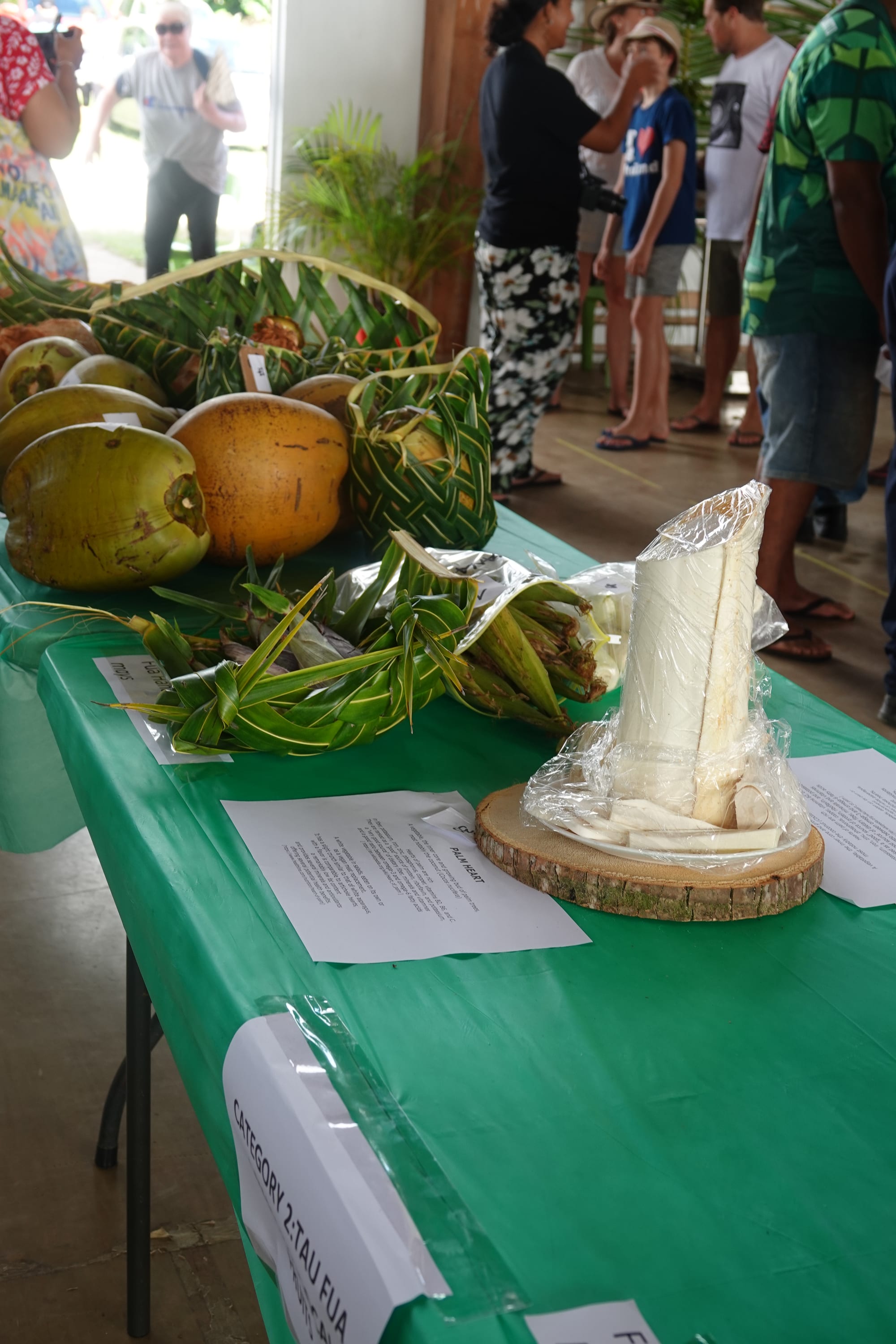
Coconut, taro and fish form the everyday base of Niuean food, alongside yams, cassava, breadfruit, bananas and pawpaw grown on family plantations. Nearly every household keeps a taro plantation, and takihi, thinly sliced taro and pawpaw layered with coconut cream and baked, traditionally in an umu earth oven, is often considered the island's national dish.
The Wild Food Festival
Niue has held food festivals celebrating the island's traditional forest and reef-based diet, including a Wild Food Festival in April 2024, and each village's show day around Constitution Day in October displays local crops and food. These events reflect a still-practised local food identity built around what the island itself provides.
Dishes to know
Five more to recognise in Niue:
- Takihi — thinly sliced taro and pawpaw layered with coconut cream
and baked, often eaten with raw fish.
- Fish — tuna, mahi mahi, parrotfish and barracuda, roasted, grilled,
raw or in soups, the staple everyday protein.
- Taro — a starchy root grown by nearly every household; Niue's pink
taro is exported to New Zealand.
- Breadfruit — one of the most popular starches at the market.
- Coconut — used in milk, cream and flesh form across much of Niuean
cooking.
Eating as a traveller
Niue imports a share of its food given its small population and limited local production capacity, so imported staples sit alongside fresh fish, coconut and, when in season, uga. Tap water, fed by rainwater, is generally safe. Visiting during a food festival or a village show day, if the timing allows, is a genuine way to see the island's traditional food culture celebrated in full.
What to take from the table
Uga, hunted in Niue's forests rather than caught at sea, is the food that most distinctly represents the island — a genuine reflection of a raised coral landscape unlike almost anywhere else in the Pacific.