History · Oman
Oman: The Frankincense Coast and the Indian Ocean Empire
An ancient trading land on the tip of Arabia — an early convert to a distinctive form of Islam, a maritime empire that ran Zanzibar and the East African coast, near-collapse under an isolationist sultan, and a rapid modern transformation
By Worldlore Editorial · 30 September 2026
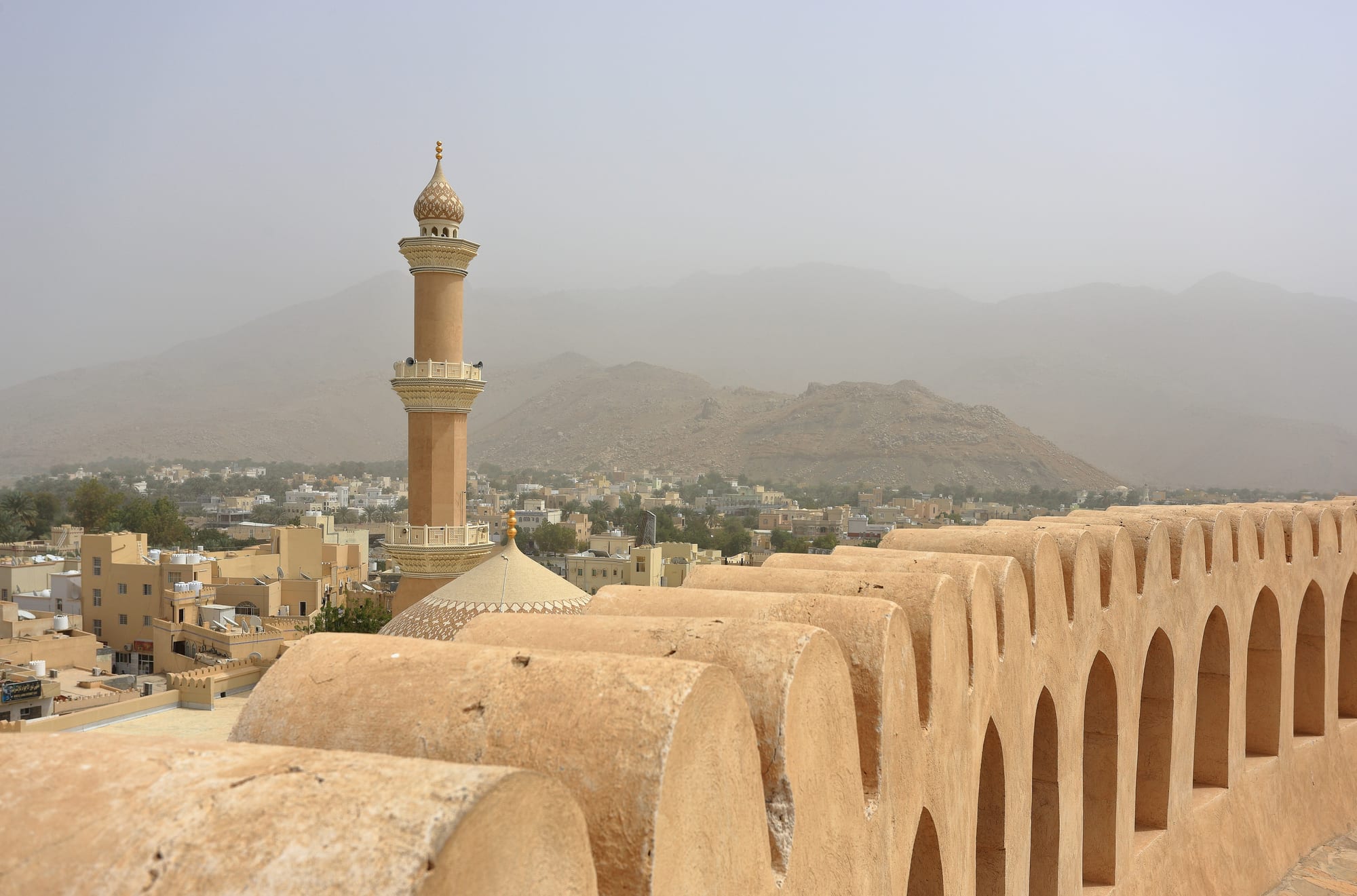
Coast and interior
Oman occupies the south-eastern corner of the Arabian Peninsula, with a long Indian Ocean coastline, a mountainous north, and the wide desert and monsoon-fed hills of Dhofar in the south. Its roughly 5.5 million people include a large share of foreign workers, and Oman is the centre of Ibadi Islam, a branch distinct from both Sunni and Shia that is followed by around half the population and the ruling family. Oman's history has two poles that were often at odds: a cosmopolitan, seafaring coast centred on Muscat, and a conservative religious interior governed by elected imams.
A short history
- antiquity
Frankincense
Dhofar's resin is traded to Egypt, Rome and India.
- 7th–8th centuries
Ibadi Islam
Oman adopts a distinctive branch of the faith; the Imamate emerges.
- 1507–1650
The Portuguese
Muscat and the coastal forts are held by Portugal.
- 1650s
Expulsion
The Yaruba imams drive out the Portuguese and take the war to sea.
- 1749
The Busaidi dynasty
Ahmad ibn Said founds the line that still rules.
- 1840
The Zanzibar empire
Said bin Sultan moves his capital to Zanzibar.
- 1861
Division
Oman and Zanzibar are split into two sultanates.
- 1954–1959
The Jebel Akhdar war
The sultan, with British help, crushes the revived Imamate.
- 1965–1976
The Dhofar rebellion
A leftist insurgency in the south is defeated.
- 1970
The coup
Qaboos deposes his father and opens the country.
Frankincense and Ibadism
The hills of Dhofar produce frankincense, the aromatic resin that was one of the ancient world's most valuable commodities, shipped from ports like Sumhuram to Egypt, the Mediterranean and India. Oman was among the earliest regions to accept Islam, and by the 8th century had adopted Ibadism and the institution of an elected imam — a leader chosen for piety and learning rather than descent. This set Oman apart from the caliphates and gave the mountainous interior a durable tradition of self-government under religious authority.
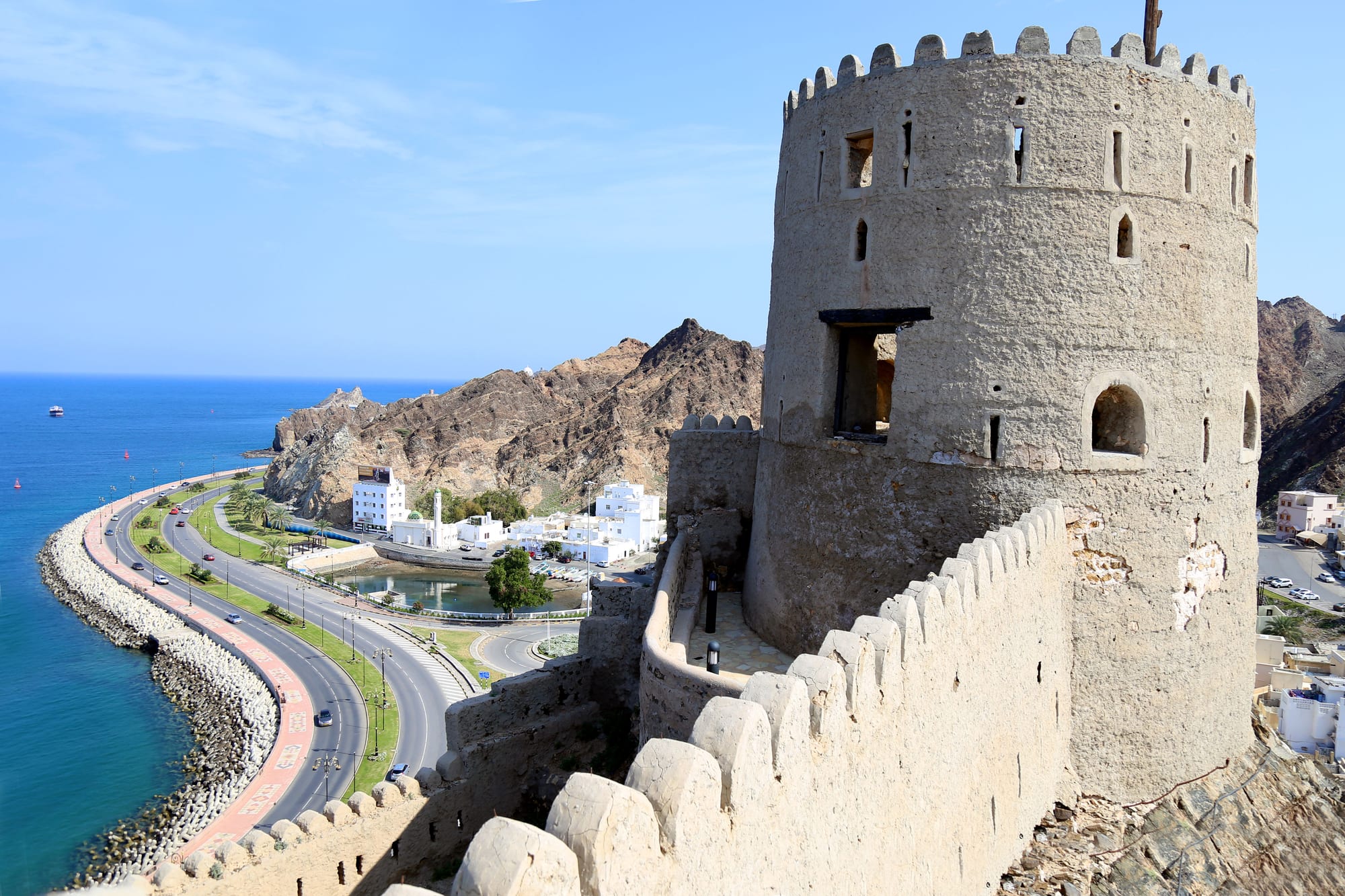
Empire on the water
The Yaruba imams expelled the Portuguese from Muscat by 1650 and then pursued them down the coast of East Africa, capturing Mombasa and other ports and building Oman into an Indian Ocean power. After civil war, Ahmad ibn Said Al Busaidi took power in 1749, founding the dynasty that still reigns. Under Said bin Sultan (r. 1804–56) the empire reached its height: he made the island of Zanzibar his main residence, developed its clove plantations, and dominated the ivory and slave trades of East Africa. On his death the realm was divided — one son took Zanzibar, another Muscat and Oman — and the Omani half, its sailing economy undercut by steamships and its slave trade suppressed by Britain, declined into poverty and debt.
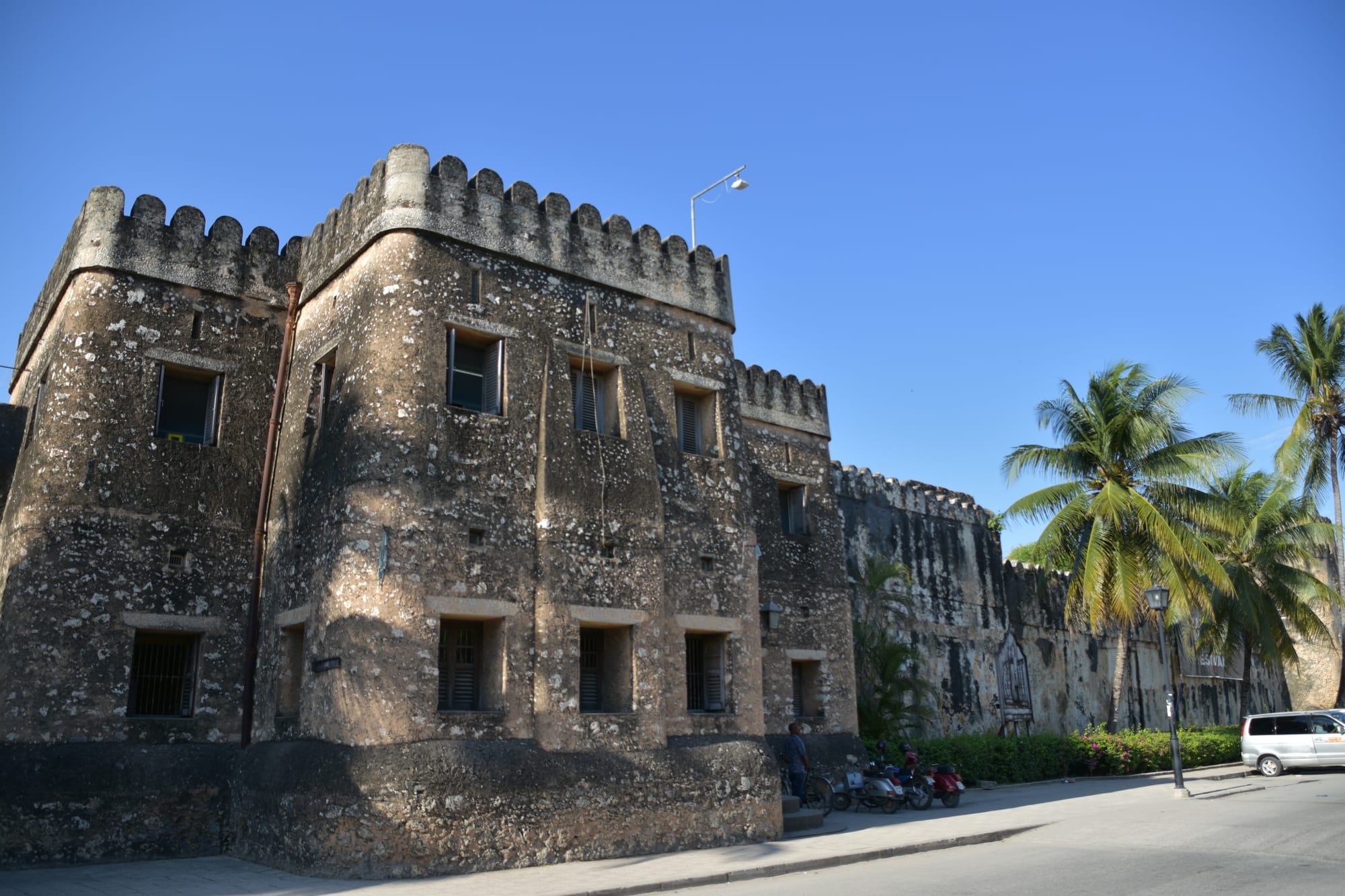
The closed decades
By the 20th century Oman was split in practice between the British-backed sultan on the coast and an Ibadi Imamate revived in the interior, formalised by a 1920 agreement. When the sultan's forces, aided by Britain, occupied the interior in 1955 and put down the resulting Jebel Akhdar revolt by 1959, the Imamate was abolished. Sultan Said bin Taimur then ruled an impoverished, deliberately sealed country: he banned radios, cars and spectacles, kept education and healthcare minimal, and confined much of the population's movement. From 1965 a Marxist-led insurgency, later backed by South Yemen and China, spread across Dhofar, and by the late 1960s the rebels held most of the province.
The 1970 renaissance
In July 1970 the sultan's British-educated son, Qaboos bin Said, overthrew his father in a palace coup and began what Omanis call the Nahda, the "renaissance". With oil revenue that had just started to flow, and with British, Iranian and Jordanian military help, he defeated the Dhofar rebellion by 1976 and poured money into roads, schools, hospitals and ports. Qaboos ruled as an absolute monarch for half a century, pursuing a foreign policy of studied neutrality — keeping ties with Iran, the West and the Arab states alike, and hosting quiet diplomacy, including the back channel that led to the 2015 Iran nuclear deal. He died in 2020 without children, and a cousin, Haitham bin Tariq, succeeded him smoothly.
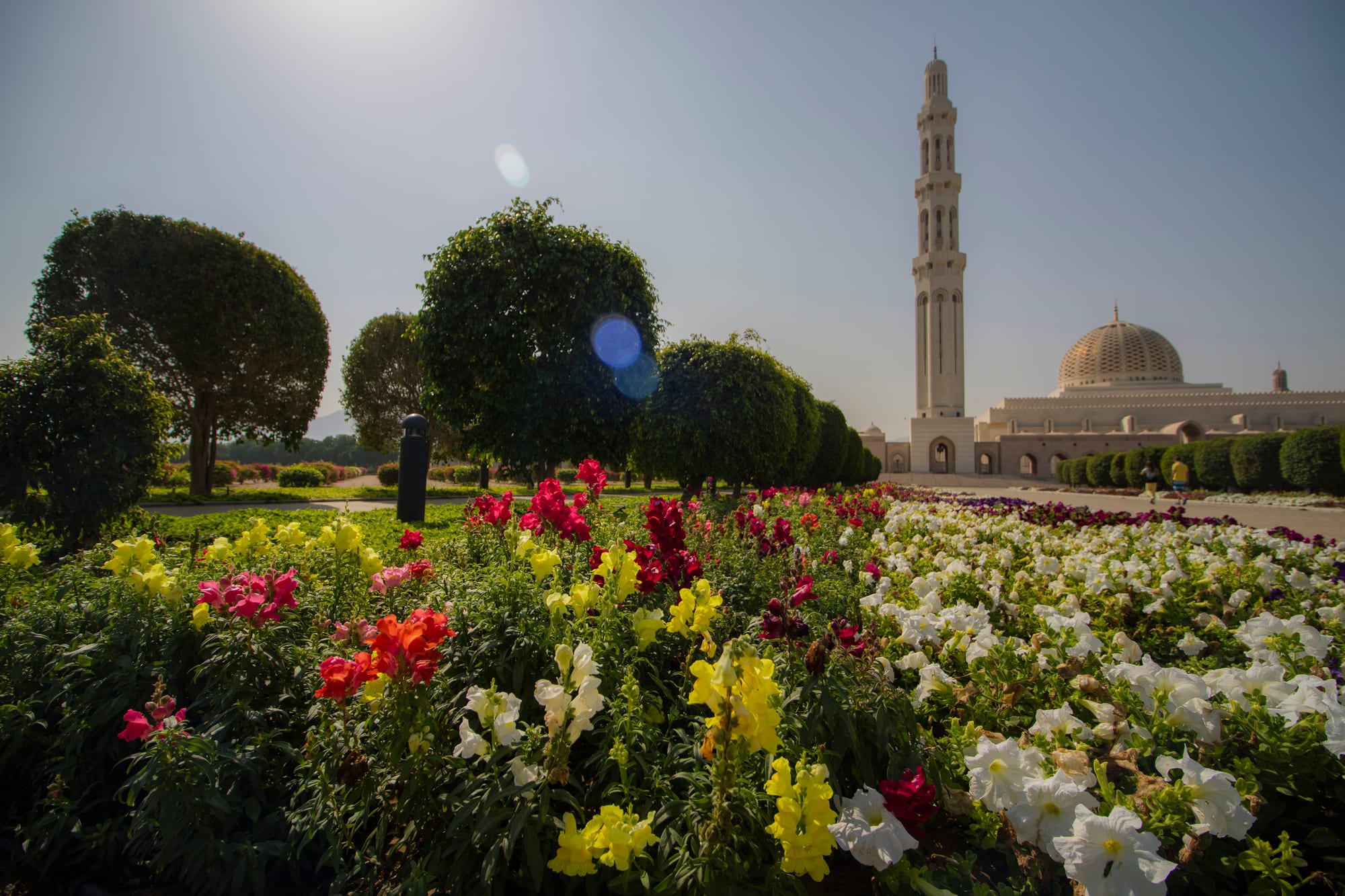
What Oman carries
Oman's past is unusually far-flung for a country now thought of as a quiet corner of Arabia: a frankincense entrepôt in antiquity, a naval empire that ruled Zanzibar, then a hermetically closed sultanate within living memory. The transformation since 1970 was fast and top-down, and it leaves Oman with the questions common to Gulf monarchies — how to employ a young population, how to diversify beyond oil and gas, and how far to open politics — under a ruler whose family has held the throne since
- The 2026 Iran war has tested its neutrality: Oman has stayed out of the
fighting and kept talking to both sides, yet since March 2026 Iranian drone and missile strikes have hit Omani ports, including Duqm and Salalah.