Food · Palestine
Palestine: Food and the National Dish
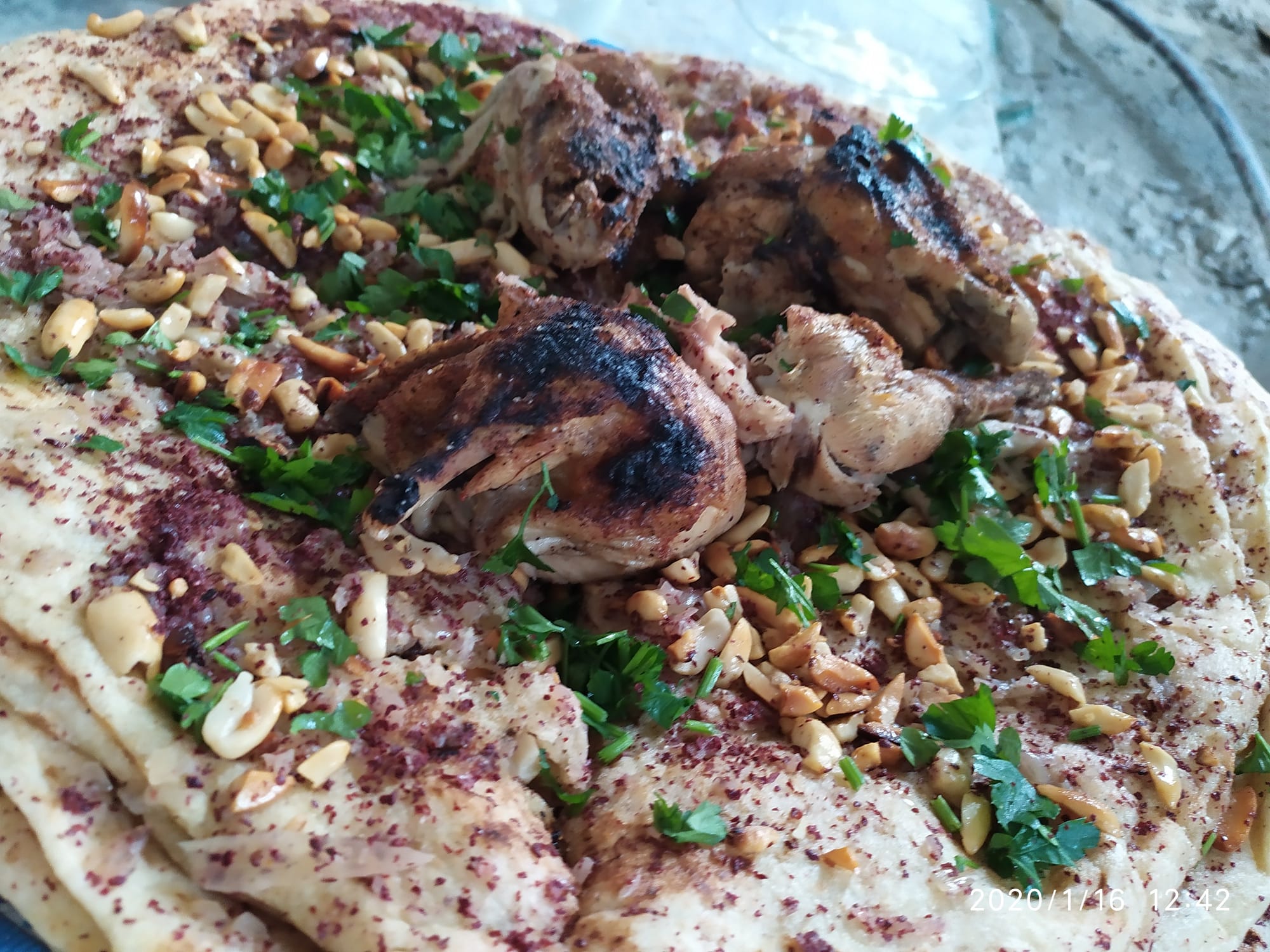
Roasted chicken and sumac-spiced onions over flatbread, a dish tied to the olive harvest season and regarded as a symbol of Palestinian identity
By Globeway Editorial · 30 September 2026
A cuisine tied directly to the olive harvest
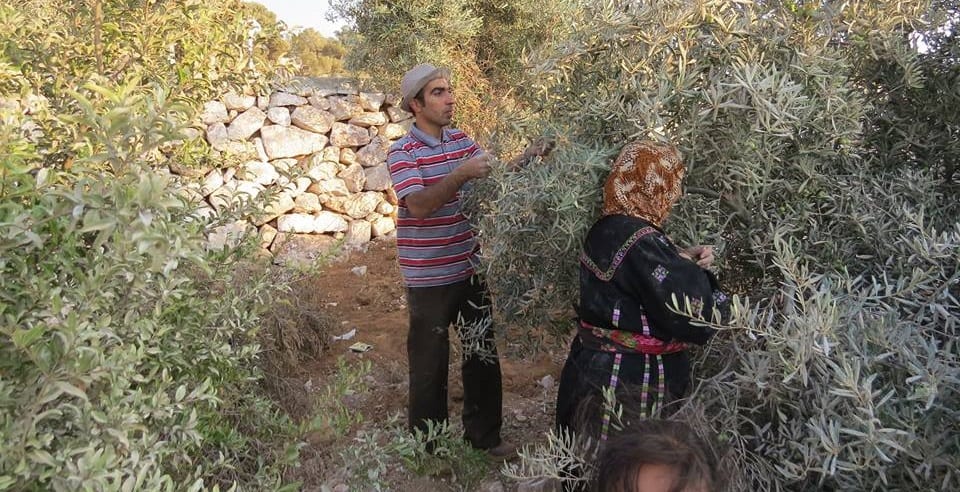
Palestinian food is inseparable from the olive tree, a crop and symbol central to Palestinian land, culture and economy for generations. Nowhere is that connection clearer than in the dish often considered the national dish, which is traditionally cooked during the olive harvest season with plenty of olive oil.
The national dish: musakhan
Musakhan, roasted chicken baked with a generous amount of onion, sumac, allspice, saffron and olive oil, scattered with fried pine nuts and served over taboon bread that soaks up the juices underneath, is often considered Palestine's national dish. It originated in the Jenin and Tulkarm area of the northern West Bank, is traditionally cooked during the olive harvest season, and, like maqluba, is regarded as a symbol of Palestinian identity; it is also popular in Jordan.
Olive oil, sumac and a shared regional pantry
Olive oil sits at the centre of Palestinian cooking more than almost any other ingredient, alongside sumac, a tangy ground spice, and za'atar, a blend of dried wild herbs, toasted sesame, sumac and salt, eaten with bread and olive oil. Hummus, falafel and other dishes shared honestly across the wider Levant round out the everyday table alongside these more specifically Palestinian ingredients.
History behind the harvest
Olive trees have been cultivated across Palestine for thousands of years, and the annual harvest remains a significant seasonal event involving entire families and communities, not merely an agricultural task. Musakhan's tie to that harvest, as one of the olive oil dishes traditionally served to celebrate it, gives the dish a seasonal and cultural weight that goes beyond its ingredients alone.
Dishes to know
Five more to recognise across Palestine:
- Manaeesh — flatbread baked with a topping of za'atar and olive oil.
- Maqluba — rice, fried vegetables and chicken or lamb cooked in a pot
and flipped upside down to serve, popular across the Levant.
- Knafeh — a sweet, cheese-filled pastry soaked in syrup, especially
associated with the city of Nablus.
- Hummus — chickpeas blended with tahini, lemon and garlic, a staple
shared across the Levant.
- Musakhan rolls — a contemporary version of musakhan rolled up in
thin saj bread instead of layered on taboon.
Drinks
Coffee, usually Turkish or unsweetened Arabic coffee spiced with cardamom, is drunk throughout the day, while tea, flavoured with mint or sage, is sipped in the evening. Alcohol is not widely drunk, though arak and beer are consumed by Christians and some Muslims.
Eating as a traveller
Vegetarians eat well thanks to Palestine's strong tradition of olive oil, herb and vegetable-based mezze dishes. Bottled water is widely used. The olive harvest runs from October to November. Since the war that began in October 2023 Gaza has been devastated and is closed to visitors, and governments advise against travel to much of the West Bank, so current official advice matters before any trip.
What to take from the table
Musakhan, cooked with the season's fresh olive oil, is the dish that most directly ties Palestinian food to the land itself — a genuine, specific point of identity within a wider shared Levantine table.