Attractions & Natural Wonders · Papua New Guinea
Papua New Guinea: Seven Attractions and Natural Wonders
Dozens of clan groups gathering in feathers and ochre for a single festival, a river of carved spirit houses and crocodile-scarred initiation rites, and a WWII jungle trail that still tests those who walk it
By Worldlore Editorial · 30 September 2026
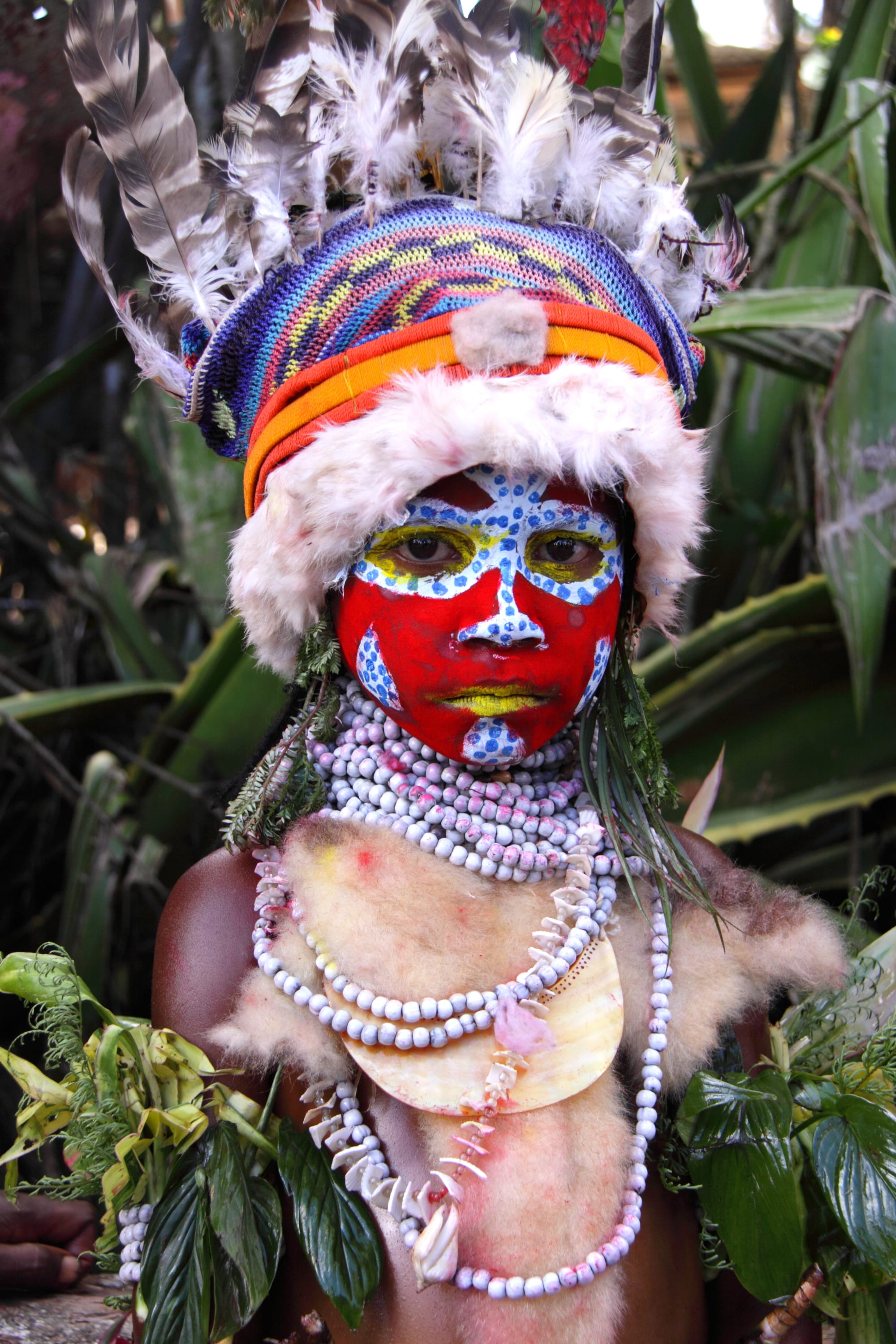
One of the most culturally diverse countries on earth
Papua New Guinea, occupying the eastern half of the island of New Guinea plus hundreds of smaller islands, is one of the most linguistically and culturally diverse countries in the world — around 840 languages are spoken across its rugged, often nearly impassable terrain, which for centuries kept many highland and island communities in relative isolation from each other. That same terrain, along with its coral reefs and volcanic islands, makes it one of the least-visited but most rewarding destinations for travellers drawn to genuinely undeveloped cultural and natural landscapes.
The seven below span the highlands, the Sepik River basin, the volcanic islands of the northeast, and the capital. The dry season (roughly May to October) is generally the easiest time to travel.
1. The Mount Hagen Cultural Show
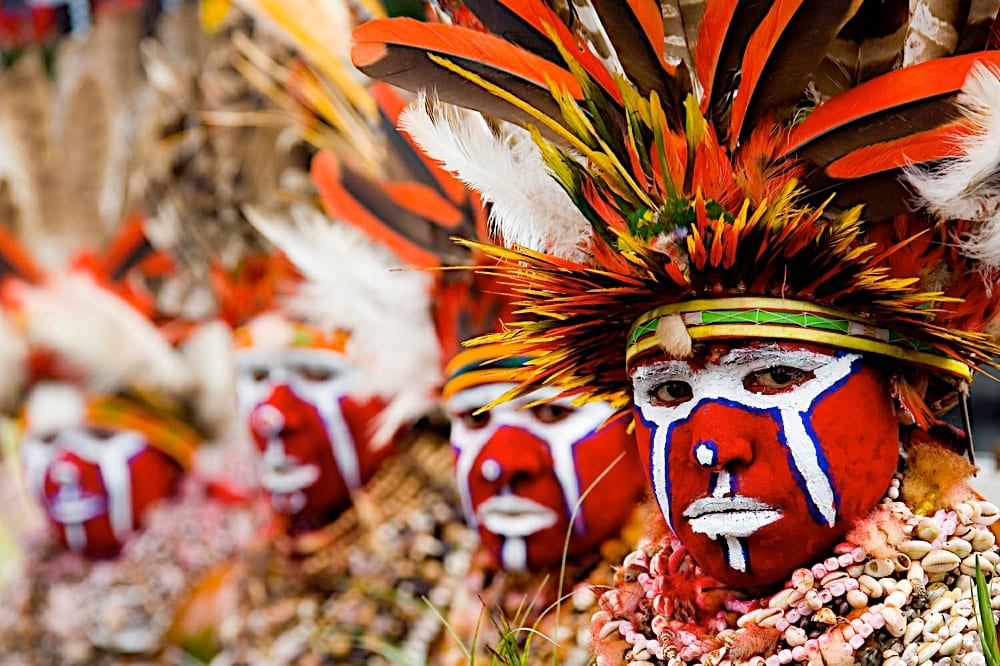
The Mount Hagen Cultural Show, held annually in the Western Highlands, draws performers from dozens of tribal groups who compete in elaborate traditional dress — feathers (including bird-of-paradise plumes), face and body paint, shell ornaments, and choreographed sing-sing dances — in a spectacle that has become one of the country's signature cultural events for both locals and the relatively small number of visitors who attend.
2. The Sepik River
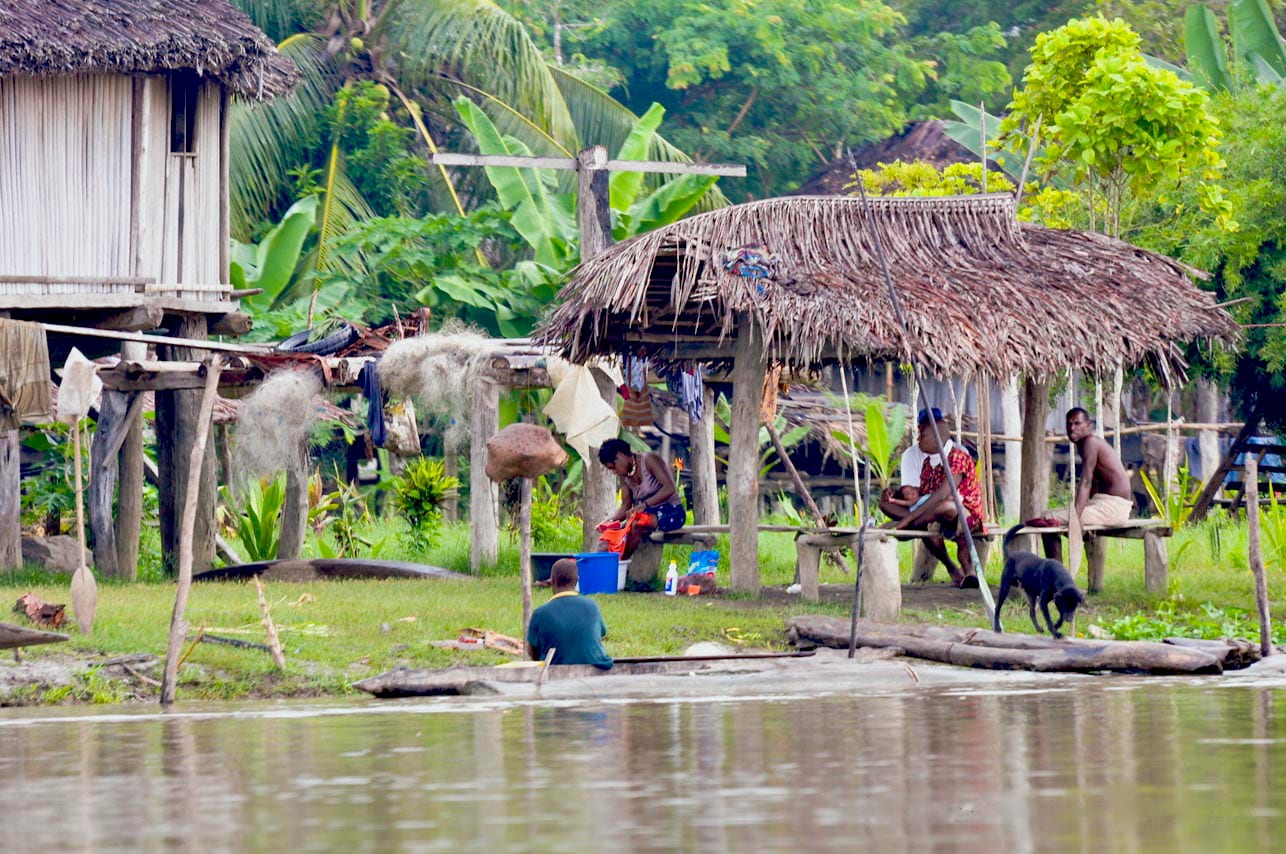
The Sepik, the longest river on the island of New Guinea, winds through dense lowland jungle past villages known for elaborately carved haus tambaran (spirit houses) and traditional wood carving, masks, and pottery considered among the finest tribal art in the Pacific. Traditional male initiation ceremonies in some Sepik communities involve skin-cutting rituals meant to evoke the scarred hide of a crocodile, a practice that continues in some communities.
River travel by dugout canoe or small boat is the main way to visit most Sepik villages.
3. Rabaul and Tavurvur volcano
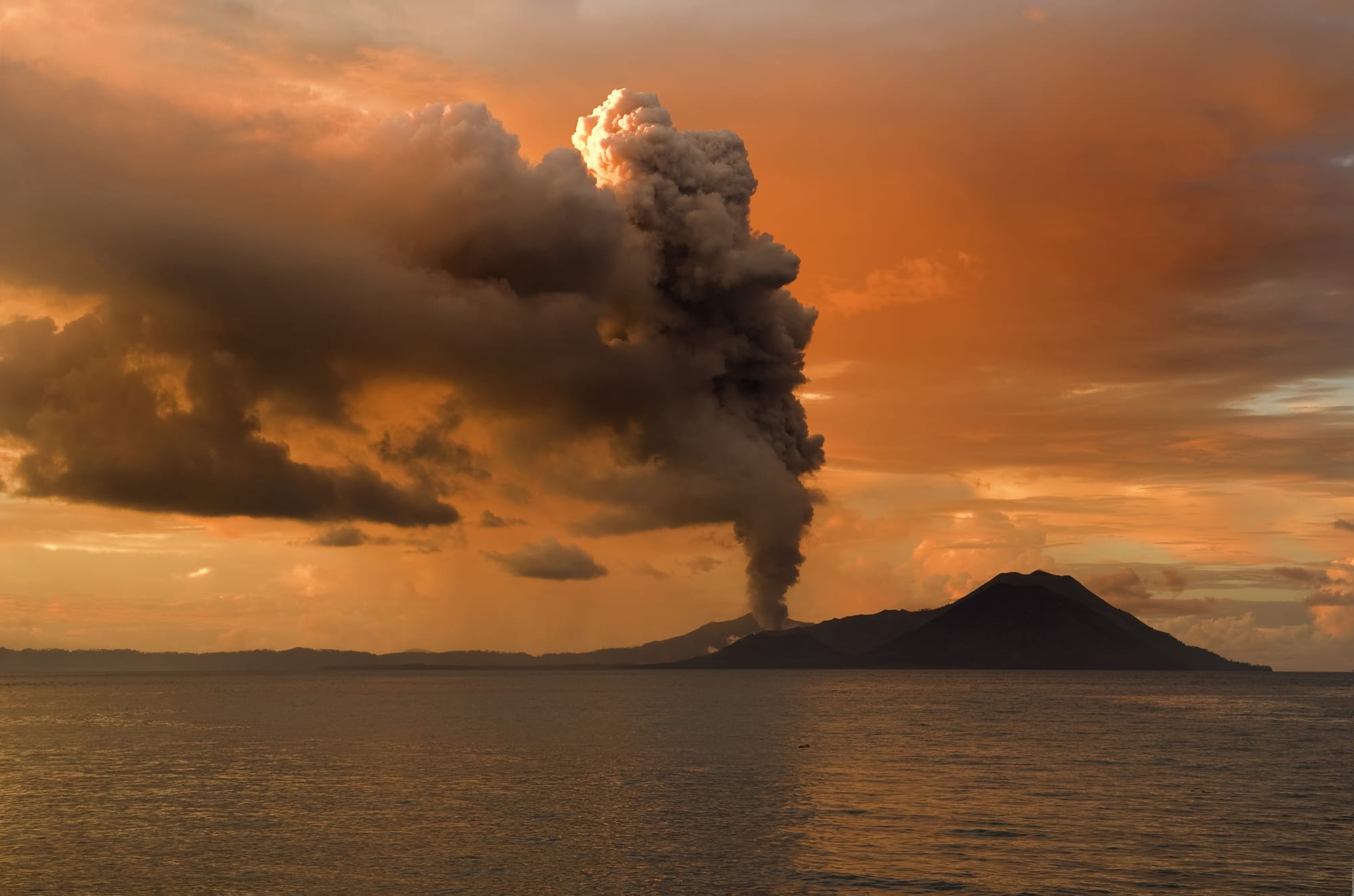
Rabaul, on the island of New Britain, sits within a volcanic caldera and was largely buried by ash when Tavurvur erupted violently in 1994, forcing the provincial capital to relocate to nearby Kokopo. Tavurvur remains active, last erupting in 2014, and the wider Rabaul area also holds extensive Japanese WWII tunnel networks and wreck-diving sites from the Pacific War, alongside striking volcanic scenery.
4. The Kokoda Track
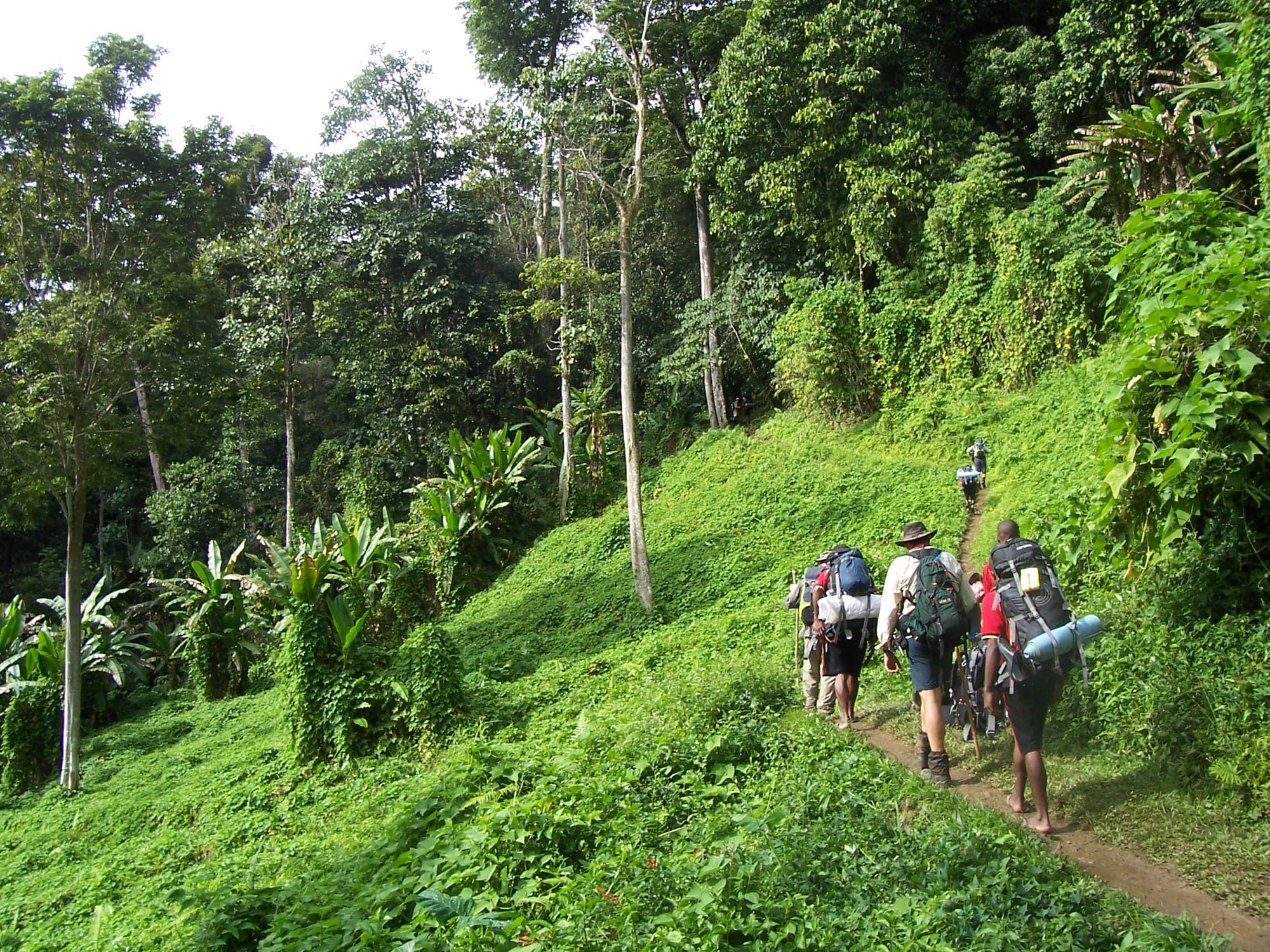
The Kokoda Track, a roughly 96-kilometre trail across the rugged Owen Stanley Range, was the site of a brutal 1942 campaign between Australian and Japanese forces during World War II and remains one of the most demanding organised treks in the Pacific — normally four to twelve days through steep, muddy, malaria-zone jungle, walked today mostly by Australians retracing the campaign with licensed guides and porters from local villages.
It is a serious physical undertaking, not a casual walk, and requires significant preparation.
5. The Tufi fjords
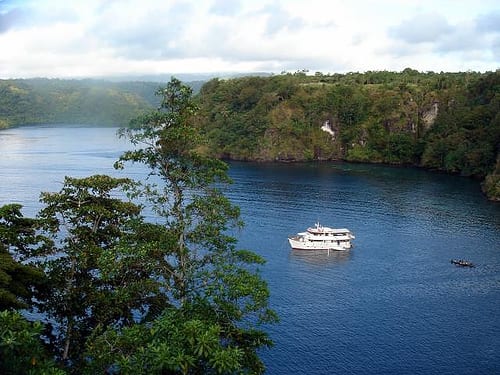
Tufi, on the Cape Nelson peninsula, holds a set of rias, or drowned river valleys, known locally as fjords — long, narrow, calm inlets on a volcanic peninsula crowned by the active Mount Victory. The surrounding reefs, many of them uncharted, draw divers to their coral and to sunken ships and aircraft, reached from a local dive resort.
6. Port Moresby
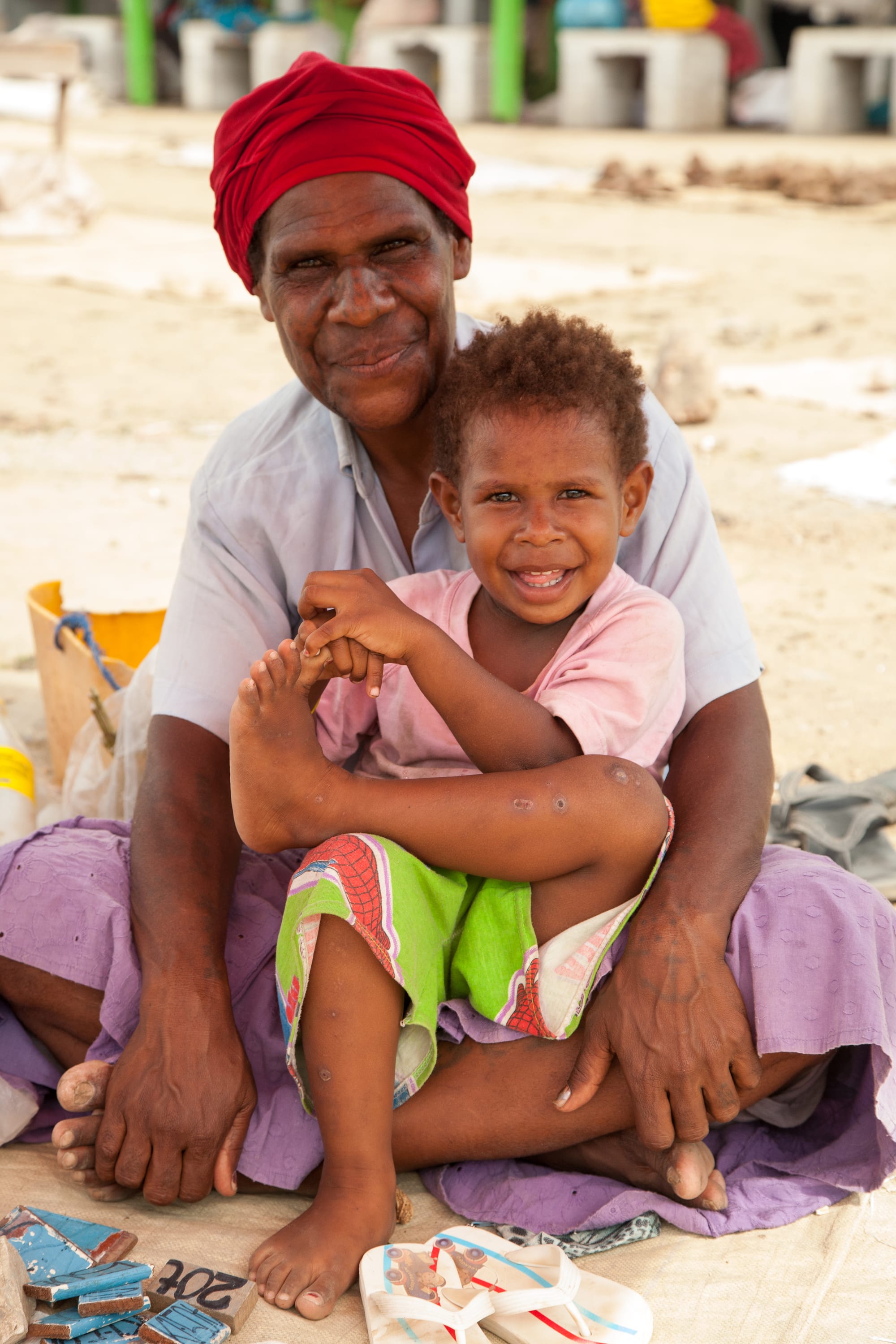
Port Moresby, the capital and main international gateway, is less a destination in itself than the practical starting point for onward travel — the National Museum and the National Parliament House, whose entrance is modelled on a traditional haus tambaran spirit house, are its main sights, along with nearby Varirata National Park for a first taste of PNG rainforest and birdlife within reach of the city.
7. The birds-of-paradise
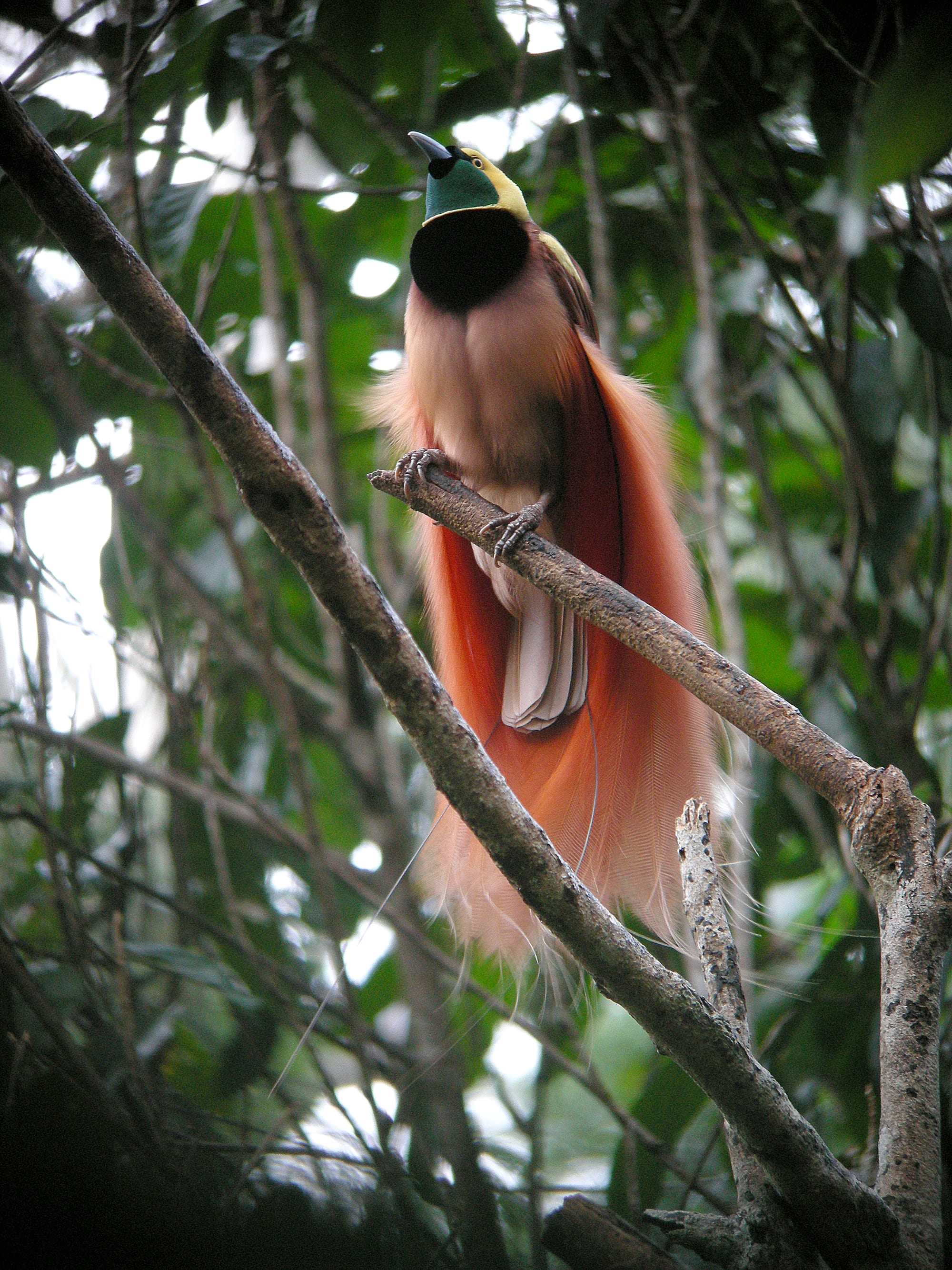
Papua New Guinea and the rest of New Guinea hold most of the world's 44 bird-of-paradise species, prized for centuries for their extravagant plumage in both traditional ceremonial dress and, more recently, birdwatching tourism. The Raggiana bird-of-paradise, the national bird, features on the national flag and coat of arms; dedicated birdwatching trips to the highlands and rainforest interior are the main way to see several species displaying in the wild.
Papua New Guinea rewards travellers willing to plan carefully and travel with local guides — internal flights are often the only practical way between regions, given the terrain, and a trip combining the highlands, the Sepik, and one coastal or island area typically needs two weeks or more. Security is a serious concern: governments advise a high degree of caution, and against all travel to the Hela, Southern Highlands and Enga provinces.