Food · Paraguay
Paraguay: Food and the National Dish
A cheese-and-corn bread that behaves nothing like its name, from a country whose Guaraní roots run right through its everyday food
By Worldlore Editorial · 30 September 2026
A cuisine built on corn, cheese and a language of its own
Paraguay is one of the few countries where an Indigenous language, Guaraní, is spoken and understood by most of the population alongside Spanish, and that dual identity runs straight through its food. Corn and cassava, grown long before European contact, and cheese, which arrived with Spanish cattle in the 16th century, sit at the centre of the country's best-known dishes.
The national dish: sopa paraguaya
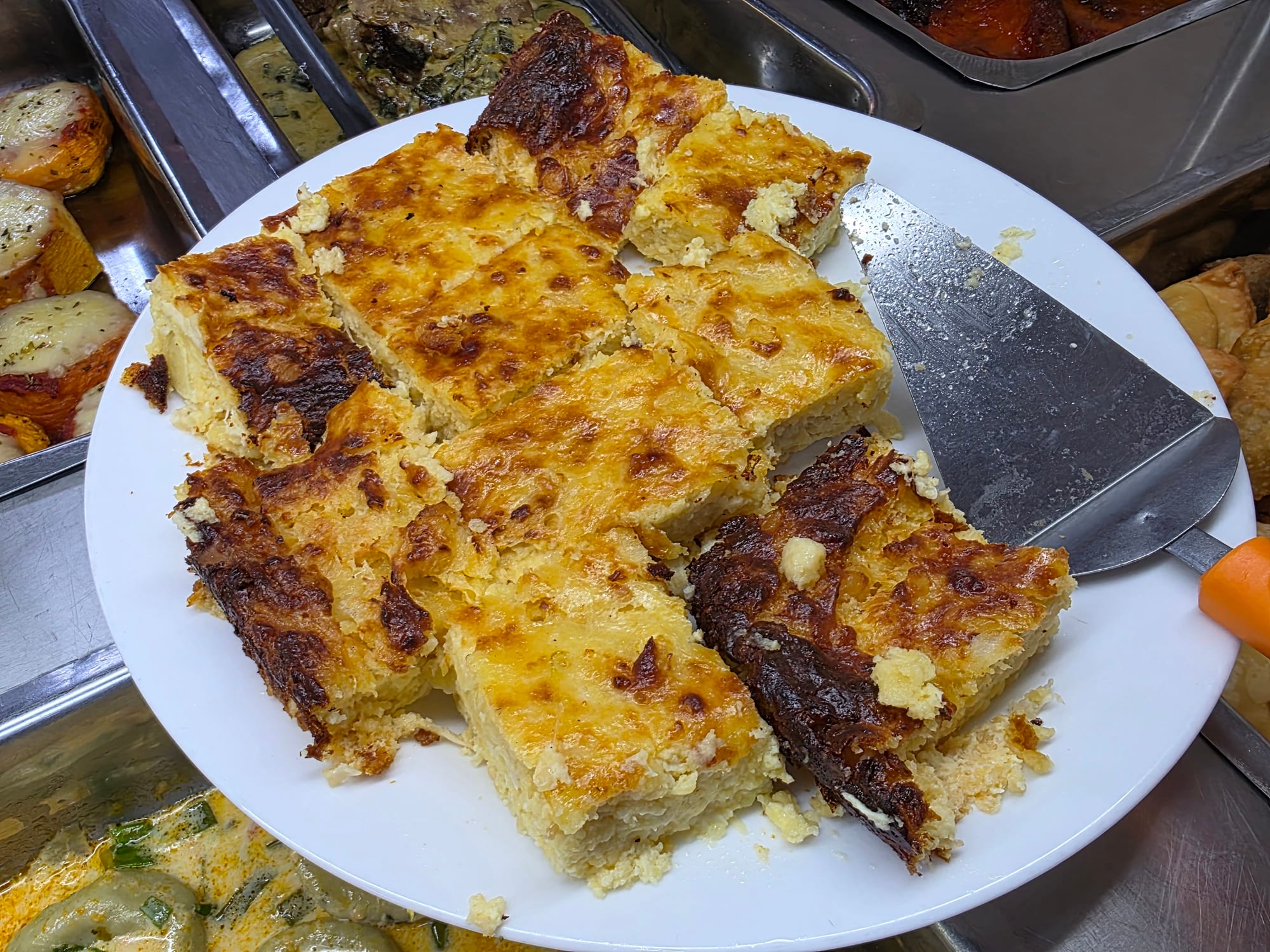
Sopa paraguaya, a dense, savoury cornbread made with corn flour, cheese and onion and baked rather than boiled despite its name meaning "Paraguayan soup," is Paraguay's national dish. According to popular legend, the dish was born when a cook's watery corn soup for a 19th-century president accidentally thickened too far in the pot and was served baked instead, and it has been eaten as a solid bread rather than a liquid soup ever since.
Corn, cheese and cassava: the pantry behind the bread
Corn and cassava, both long-cultivated staples in Guaraní farming traditions, anchor Paraguayan cooking, paired constantly with cheese in breads and snacks. Beef, grilled or stewed, and mandioca (cassava root) served alongside nearly every meal, round out a pantry that draws heavily on Indigenous Guaraní staples.
History behind the bread
Guaraní farming, built around corn, cassava and squash, shaped Paraguayan food long before Spanish colonisation introduced cattle and dairy, the first cattle reaching Asunción in 1556. Paraguayan cooking grew from the fusion of those Guaraní staples with the meat, milk, cheese and eggs the Spanish brought, and the landlocked country's long spells of isolation, above all under the ruler José Gaspar Rodríguez de Francia (1814–1840), kept that mix distinctive. Sopa paraguaya's corn-and-cheese combination reflects that layering of Guaraní ingredient with colonial-era dairy directly.
Dishes to know
Five more to recognise across Paraguay:
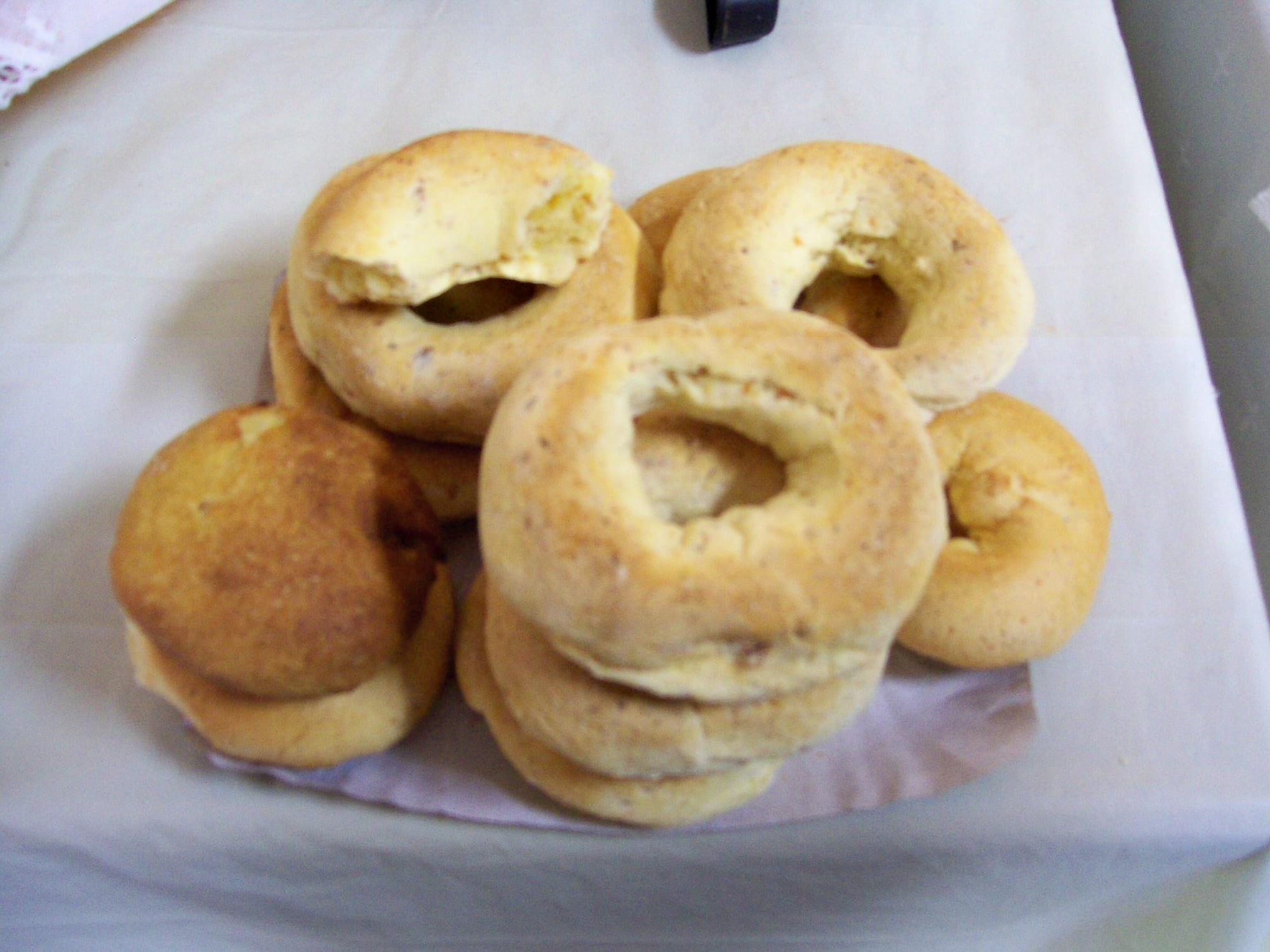
- Chipa — a cheese and cassava-starch bread, often baked in small
rings or buns and the country's most common snack.
- Chipa guazú — a baked cake of fresh corn kernels, onion and
Paraguayan cheese, closer to a cheesy soufflé than a bread.
- Mbeju — a cassava-starch cake of Guaraní origin, often made with
cheese and eaten with mate cocido, milk or coffee.
- Bori bori — a thick yellow soup with small balls of cornmeal and
cheese.
- Asado — grilled beef, a genuinely central social and family food
tradition, similar to neighbouring Argentina's.
Drinks
Terere, yerba mate infused with cold water rather than hot and drunk through a metal straw from a shared vessel called a guampa, is a genuine daily ritual across Paraguay and a strong marker of national identity. In 2020 UNESCO inscribed the practices and knowledge of terere, made with medicinal herbs (pohã ñana), as Intangible Cultural Heritage.
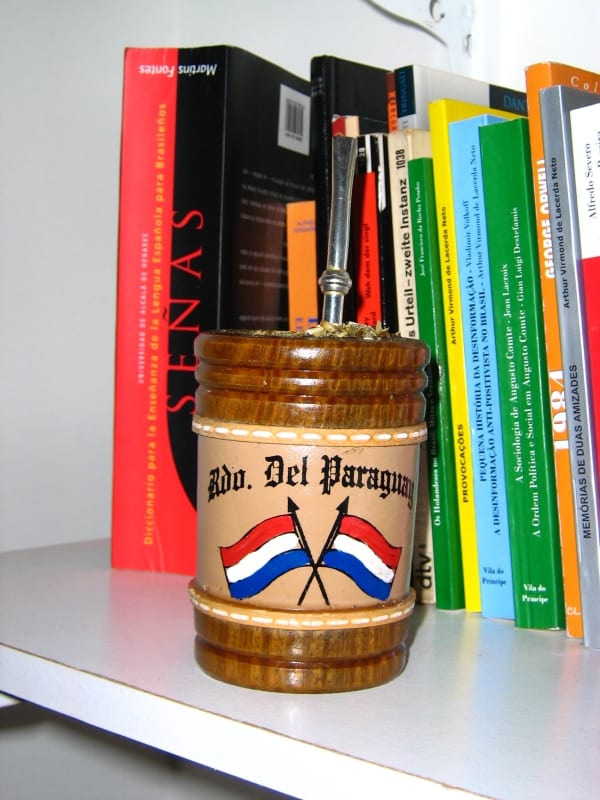
Hot mate, called mate caliente, is drunk in cooler weather, and beer and wine are widely available, Pilsen being one of the most popular beer brands.
Eating as a traveller
Vegetarians will find chipa, corn and cassava-based dishes manageable, though beef and cheese dominate much of everyday Paraguayan cooking. Tap water is generally treated in Asunción but bottled water is the safer default elsewhere. Being offered terere from a shared guampa is a genuine everyday social gesture worth accepting as a visitor, not a tourist performance.
What to take from the table
Sopa paraguaya, a bread mistaken for a soup, captures something true about Paraguay's food: Guaraní staples of corn and cassava, layered with colonial-era cheese, still shape what Paraguayans reach for every day.