Food · Pitcairn Islands
Pitcairn Islands: Food and the National Dish
Home-grown fruit, fish and imported staples on the world's least populous territory, home to descendants of the Bounty mutineers
By Worldlore Editorial · 30 September 2026
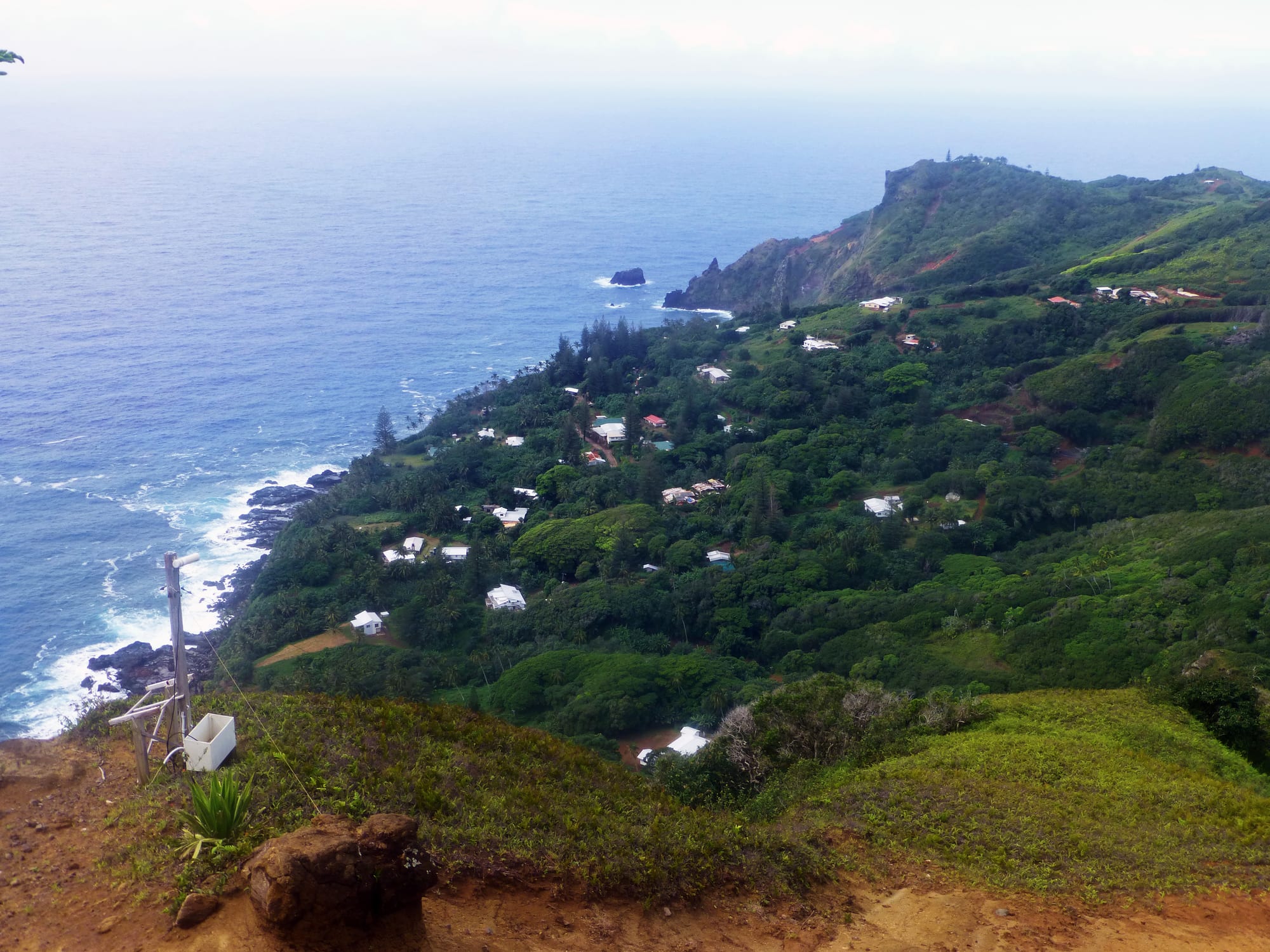
The world's smallest permanent population, cooking for itself
The Pitcairn Islands, home to fewer than 50 permanent residents descended largely from the Bounty mutineers and their Tahitian companions, has no single codified national dish. Its cooking is a small-scale blend of British and Tahitian traditions. This article describes what is genuinely eaten rather than inventing a signature plate the island doesn't claim.
Home-grown fruit, fish and a supply-ship pantry
Pitcairn's volcanic soil supports a genuine range of home-grown fruit, including bananas, papaya, pineapples, mangoes, citrus, passionfruit and breadfruit, alongside fish caught almost daily from the rocks, from longboats or by spear. Because the island sits 688 km from the nearest inhabited island, Mangareva in French Polynesia, and relies on a single chartered passenger and cargo ship for supplies, imported staples like flour, rice and tinned goods fill in the rest of the pantry between deliveries, a genuine and openly discussed part of daily island life rather than an inconvenience hidden from visitors.
Dishes to know
What is actually cooked and eaten on Pitcairn:
- Pilhi — a dish of Pitcairn origin, known in its kumara (sweet
potato) form, and a fixture of communal meals.
- Mudda — dumplings made from green bananas, a Pitcairn recipe also
carried to Norfolk Island.
- Boiled plun — banana (plun in the Pitkern language), boiled and
served with the meal.
- Fresh fish — snapper, wahoo, cod and many other local fish, with
meat courses otherwise mostly beef.
- Meat pie — a sign of the British influence on the island's cooking,
often among the pies at shared meals.
Pitcairn honey, from one of the world's best examples of disease-free bee populations, is exported to New Zealand and the United Kingdom.
Eating as a traveller
Pitcairn receives very few visitors, arriving on the passenger and cargo ship or, about ten times a year, ashore for a day from an expedition cruise ship. Visitors stay in home-stays arranged ahead, and food is largely home-cooked by island families; there is one licensed café and bar, and the government store sells alcohol. The island has no permanent water source and relies on collected rainwater, so it is worth asking hosts about drinking water. Any visit here is genuinely shaped around the island's own supply rhythm rather than a typical tourist dining scene.
What to take from the table
Pitcairn's food story isn't a signature dish, it's the practical reality of feeding fewer than 50 people on one of the most isolated inhabited islands on Earth, with home-grown fruit and fish filling the gaps between supply ships.