History · Pitcairn Islands
Why do descendants of the Bounty mutineers still live on Pitcairn Island?
A hiding place nobody could find, a violent start, a Bible, two failed moves away and a stubborn return explain why the mutineers' families are still there.
By Globeway Editorial · 2 November 2026
The short answer
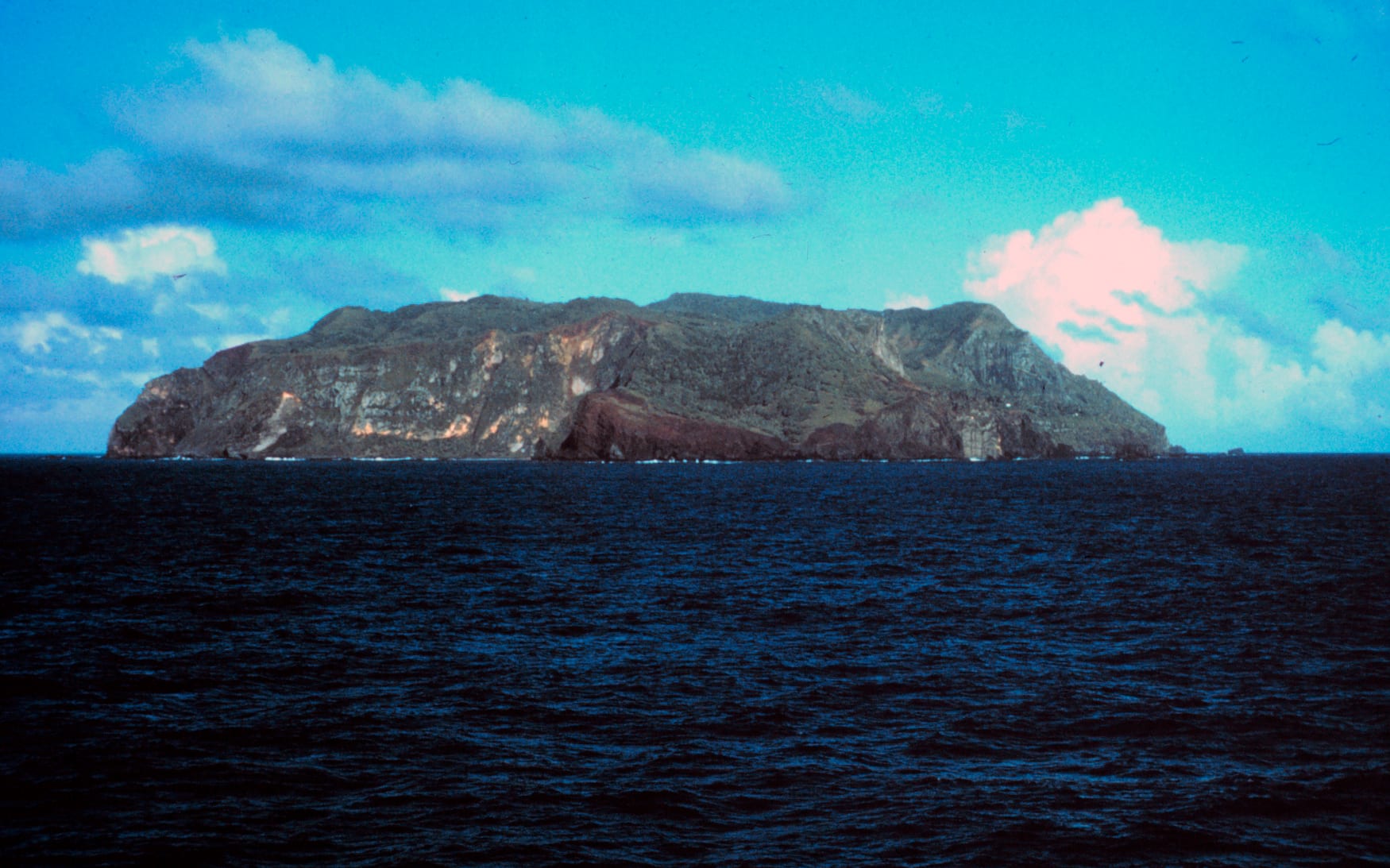
They live there because their ancestors chose Pitcairn as a place never to be found, and the community they founded in 1790 never died out. Nine mutineers from HMS Bounty, with the Tahitian women and men they brought, settled the empty island and burned their ship. After years of killing, the survivors rebuilt themselves into a small, devout village, and when the outside world finally arrived, Britain chose to leave them in peace.
Twice the islanders were moved away, to Tahiti in 1831 and to Norfolk Island in 1856, and twice some of them came back. Nobody else ever settled Pitcairn in numbers, so the families of the returnees, speaking their own English and Tahitian creole, are still the core of the island. In 2023 that meant 35 permanent residents, the smallest population of any territory in the world.
A hiding place on the wrong part of the map
The mutiny broke out on 28 April 1789, when acting-Lieutenant Fletcher Christian seized the Bounty from Lieutenant William Bligh and set him adrift in an open boat with 18 loyal men. The ship had been sent to carry breadfruit plants from Tahiti to the West Indies. Bligh survived a voyage of more than 6,500 kilometres in the launch, reached England in 1790, and the Admiralty sent HMS Pandora to hunt the mutineers down. Fourteen were caught on Tahiti, and three of those were eventually hanged.
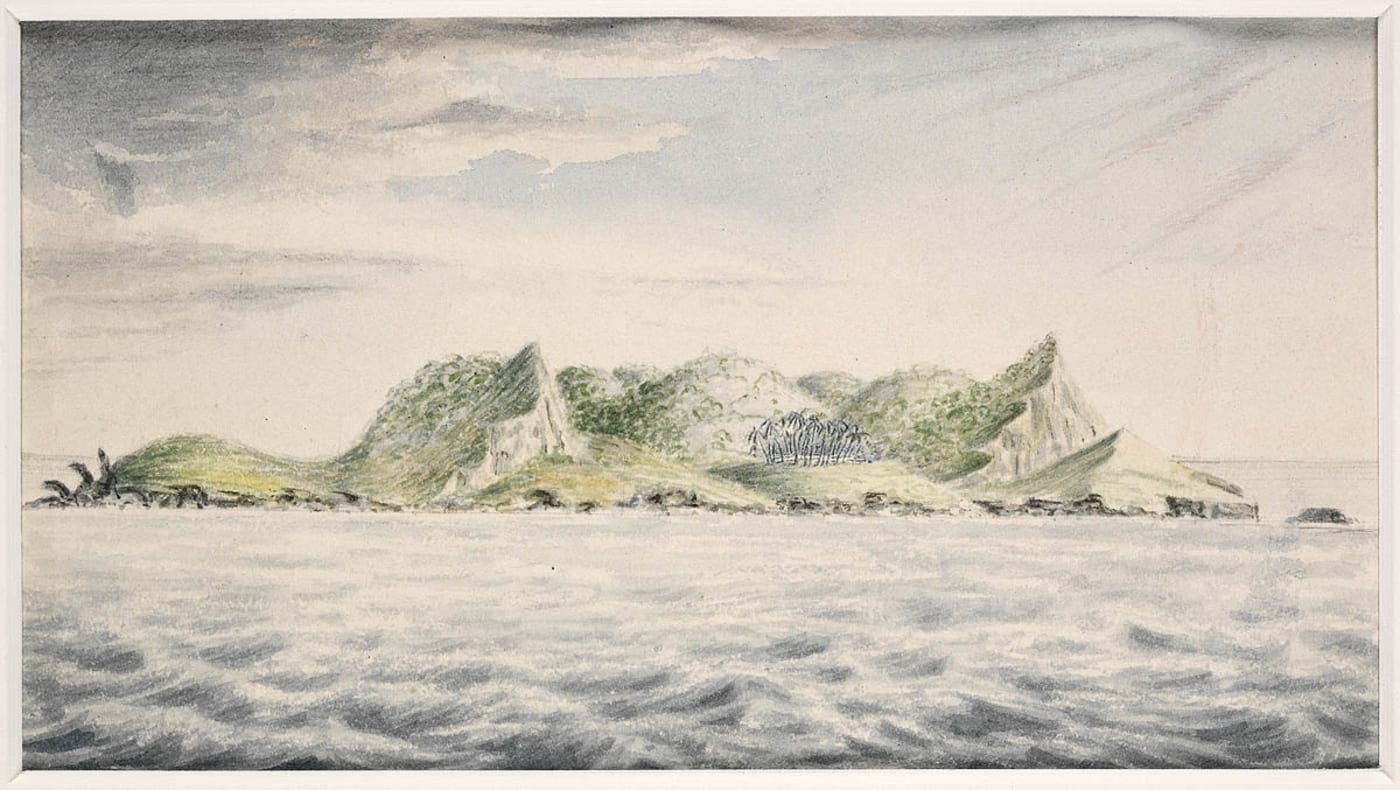
Christian had already gone. He was looking for an island nobody would search, and found it in an old charting mistake. When Captain Philip Carteret's crew sighted Pitcairn in 1767, naming it after the 15-year-old midshipman who spotted it, Carteret had no marine chronometer and recorded the longitude about three degrees out. Even Captain James Cook failed to find the island in 1773. Christian located it on 15 January 1790, 348 kilometres east of where the charts put it. It was uninhabited, fertile and almost impossible to land on. Once the ship was stripped, Matthew Quintal set it on fire. There was no way off.
Murder, then a Bible
The settlers were nine Britons, six Polynesian men, about a dozen Tahitian women and a baby girl, Polynesians the mutineers had abducted. The colony soon turned brutal. The seamen treated the Polynesians as property, voted to divide the farmland among themselves, and forced the Polynesian men to work for them. On 20 September 1793 the four remaining Polynesian men took muskets and killed five of the Englishmen, Christian among them. In revenge, the women killed three of the four, and Quintal killed the last. William McCoy took his own life in 1798, Ned Young and John Adams killed the violent Quintal, and Young died of asthma in 1800.
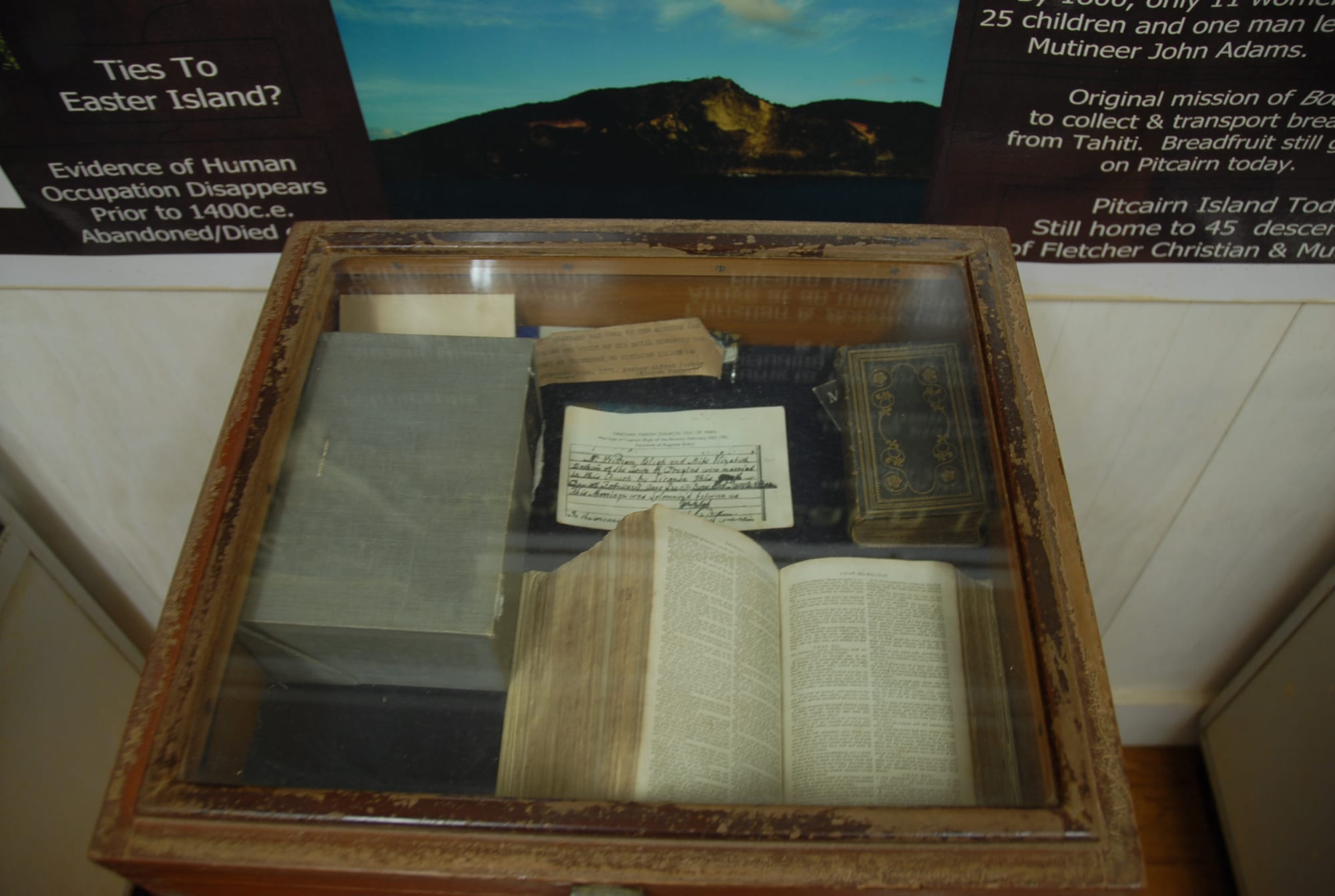
That left Adams as the last mutineer, responsible for nine women and 19 children. Young had taught him to read from the Bounty's Bible, and Adams used the same book to teach the children to read and to bring them up as Christians. When the American sealing ship Topaz, under Mayhew Folger, landed in February 1808, its crew found a thriving community. In 1814 two British warships found 46 mostly young islanders, and the Admiralty decided to take no action. Adams was later granted an amnesty, and when he died in 1829 he was honoured as the founder and father of the community.
Moved away twice, and twice coming home
Pitcairn's own success nearly ended it. Fearing overcrowding, the islanders asked to be taken to Tahiti, and the British government moved them there in
- Tahiti proved unlike the home they remembered; about a
dozen people, including Christian's son Thursday October Christian, the first child born on Pitcairn, died of disease, and the rest sailed home within six months.
By the mid-1850s the community was outgrowing the island again, and Queen Victoria offered them Norfolk Island, a former prison colony between New Zealand and New Caledonia. On 3 May 1856 the whole population sailed on the Morayshire, reaching Norfolk after a miserable five-week voyage. Pitcairn sat empty. About eighteen months later, a group of fewer than twenty went back, and 27 more followed in 1864. Most of Pitcairn's surnames descend from those returning families, with a few later arrivals such as the American Warren family, whose descendants still live there.
- 28 April 1789
Fletcher Christian leads the mutiny on the Bounty.
- 15 January 1790
Christian finds Pitcairn, far from its charted position.
- 20 September 1793
A day of killings leaves Christian and four other mutineers dead.
- February 1808
The American ship Topaz finds John Adams and the community.
- 1831
The islanders are moved to Tahiti and return within six months.
- 1856
The entire population leaves for Norfolk Island.
- 1864
A second group returns, rebuilding the community on Pitcairn.
- 1937
The population peaks at 233.
A shrinking village that refuses to end
The population peaked at 233 in 1937 and has fallen ever since, as islanders emigrated, mainly to New Zealand and Australia. After the Second World War, jet airliners and container shipping cut the passing ship traffic the island's economy relied on. Between 1960 and 1962 it dropped from 140 to 90; by 2021 there were 47 residents, and by 2023 just 35. A 2014 survey projected that by 2045, if nothing changed, only three people of working age would remain. Of the hundreds of emigrants contacted, only 33 took part and just three said they wanted to return. The community has made attracting newcomers its first priority, but settlers must bring their own savings and build their own house, and in 2014 the government's own economic report admitted that nobody would move there for economic reasons. The island has also lived with the 2004 sexual-abuse trials, in which six men were convicted, among them the then mayor.
Those who stay keep the founders' world alive. More than 60 per cent of islanders descend from the mutineers and the Tahitians. Pitkern, a creole of 18th-century English and Tahitian, is their first language and is taught alongside English at the school. Many more descendants live elsewhere: about a fifth of Norfolk Island's people give their ancestry as Pitcairn Islander, and Norfolk's own creole, Norfuk, is closely related to Pitkern.
Seeing the Bounty's island today
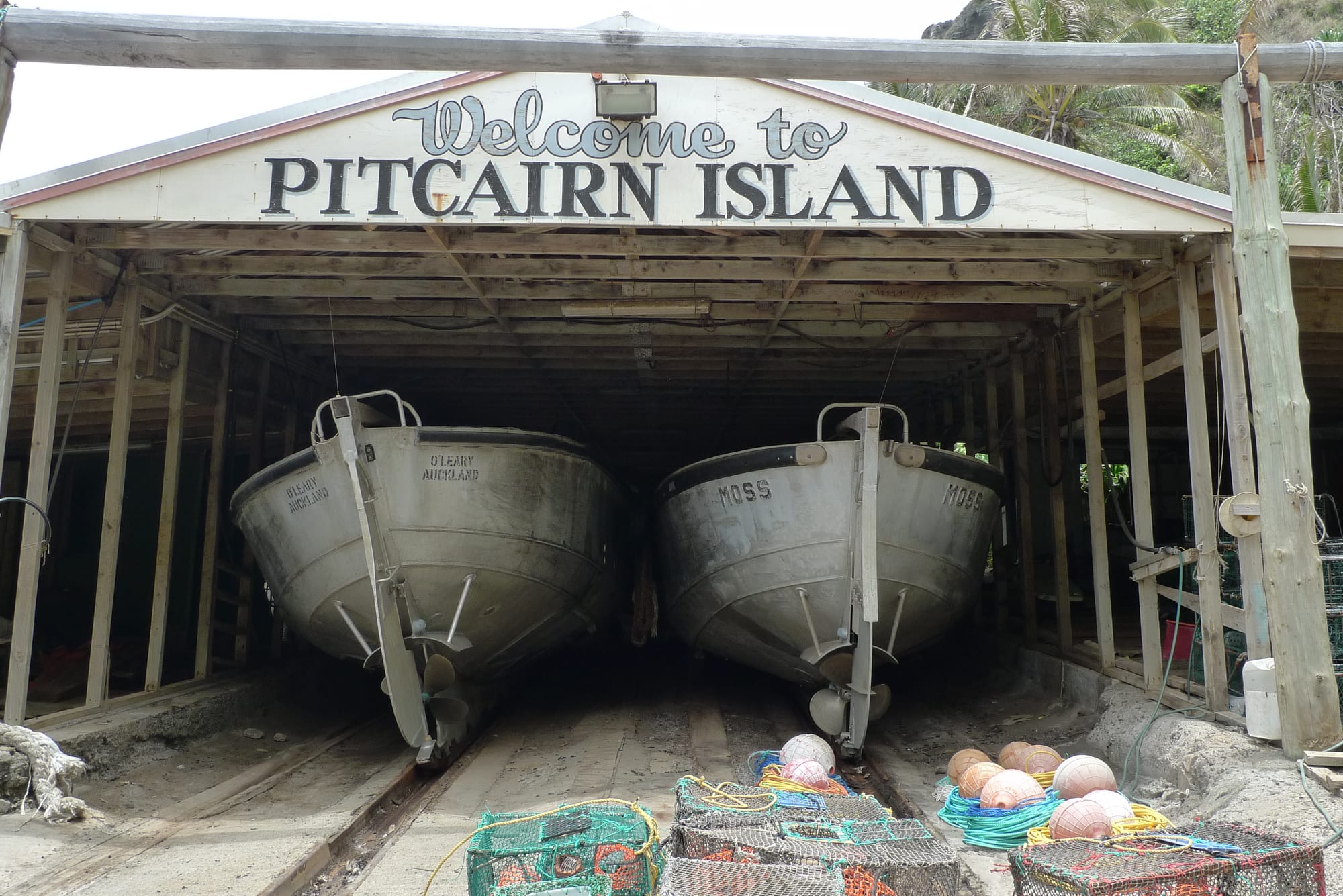
Everything on Pitcairn still turns on the story. The wreck of the Bounty is visible underwater in Bounty Bay, where the island's longboats carry visitors ashore through the surf, since there is no port for ships. In Adamstown, the only settlement, John Adams's grave and the Pitcairn Island Museum keep the past close, and every 23 January the island marks Bounty Day, a public holiday for the burning of the Bounty in 1790. The cooler months run from May to October, but in practice the ship schedule and the swell at Bounty Bay decide when a landing is possible.