History · Qatar
Qatar: The Peninsula That Bought Influence
A desert thumb of land with the world's third-largest gas reserves — a pearling and Bedouin society, a British protectorate, and, since a palace coup in 1995, a tiny state that has spent its wealth on outsized global reach
By Globeway Editorial · 30 September 2026
A very small, very rich country
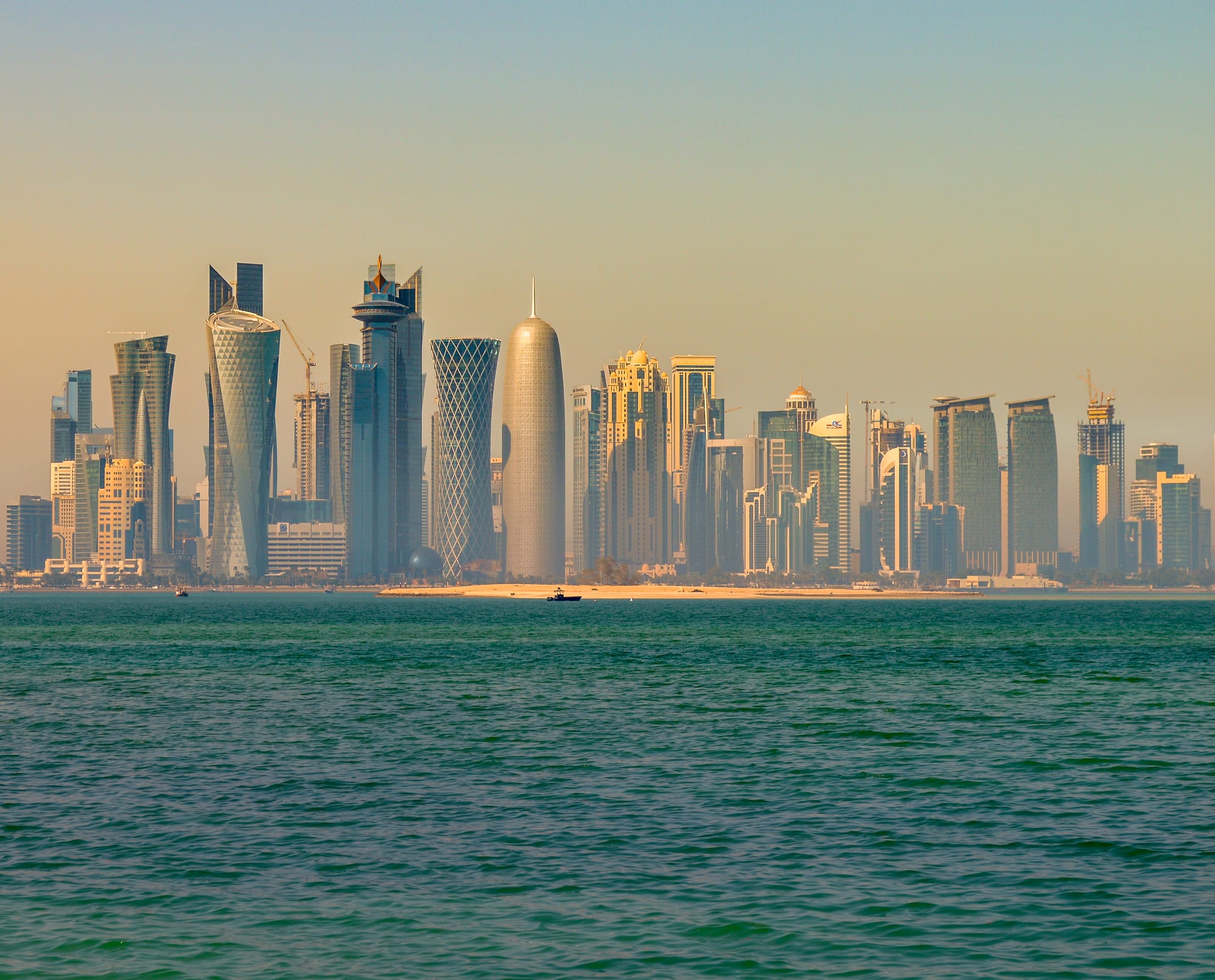
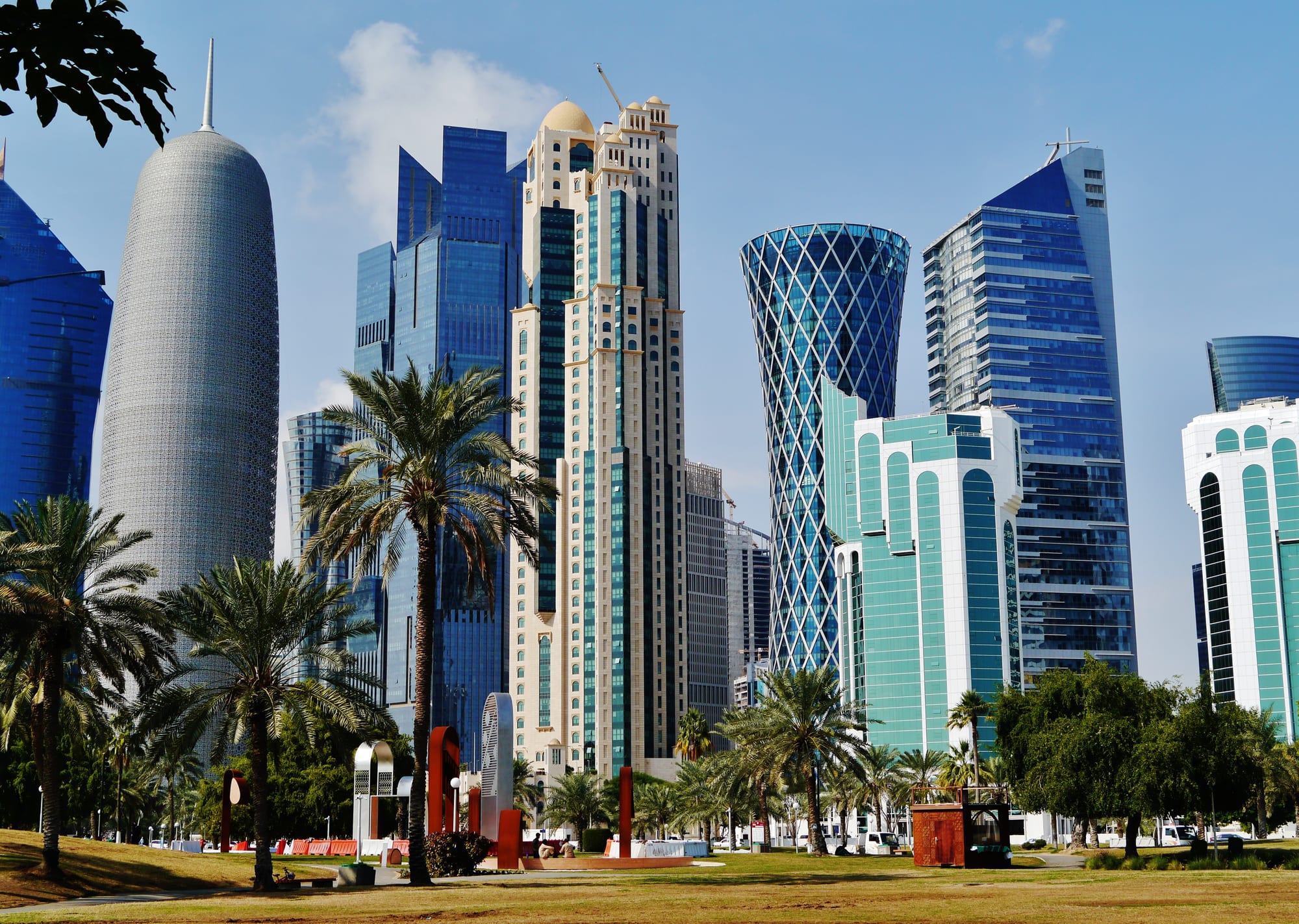
Qatar is a low, arid peninsula jutting north from the Arabian mainland into the Gulf. Only a small minority of its roughly 3 million residents are citizens; the rest are foreign workers, mostly from South Asia. Sitting atop the North Field — the largest single natural-gas reservoir in the world, shared with Iran — Qatar has one of the highest incomes per head anywhere, and has used that money to punch far above its weight: a global news network, a sovereign wealth fund with stakes in landmark companies and properties worldwide, mediation in conflicts from Afghanistan to Gaza, and the first World Cup held in the Arab world.
A short history
- 18th century
Settlement
Pearling and fishing towns; migration of Arab tribes to the coast.
- 1868
British recognition
Britain deals with Sheikh Mohammed bin Thani, founding the ruling line.
- 1871–1915
Ottoman garrison
A nominal Ottoman presence at Doha.
- 1916
British protectorate
Qatar signs a treaty placing foreign affairs under Britain.
- 1940
Oil found
Production is delayed by the Second World War until 1949.
- 1971
Independence
Qatar becomes sovereign as Britain withdraws from the Gulf.
- 1995
The coup
Sheikh Hamad deposes his father and accelerates development.
- 1996
Al Jazeera
The satellite channel launches, unsettling Arab governments.
- 2017–2021
The blockade
Saudi Arabia, the UAE, Bahrain and Egypt cut ties for over three years.
- 2022
The World Cup
Qatar hosts the tournament amid scrutiny of migrant labour.
Pearls and the Al Thani
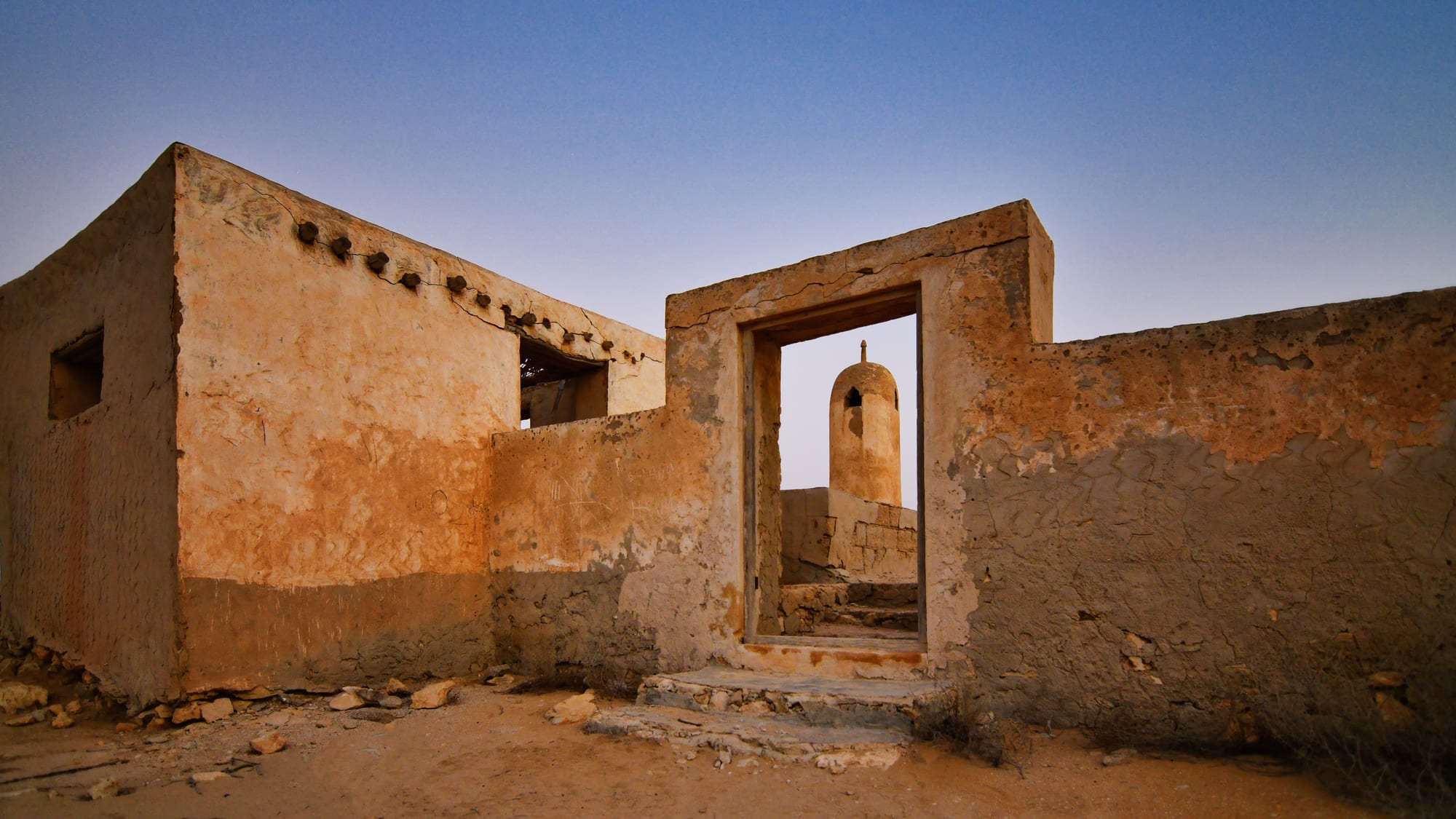
Before oil, Qatar was a poor corner of the Gulf: a scatter of coastal settlements living on pearl diving, fishing and trade, and Bedouin herding in the interior. The Al Thani family, of the Bani Tamim tribe, emerged as leaders of Doha in the mid-19th century. A brief conflict with Bahrain led Britain to recognise Sheikh Mohammed bin Thani in 1868 as the man it would deal with — effectively founding the state and the dynasty. The Ottomans stationed a small garrison from 1871, which withdrew in 1915, and in 1916 Qatar signed a British protectorate treaty of the kind the Gulf sheikhdoms had accepted: Britain handled defence and foreign relations in exchange for the ruler not dealing with other powers.
Oil, then gas
Oil was discovered at Dukhan in 1940, and exports began in 1949, slowly raising living standards and building a rudimentary state. Britain announced in 1968 that it would leave the Gulf; Qatar briefly negotiated to join a federation with Bahrain and the seven Trucial States, but the talks failed, and Qatar declared independence on 3 September 1971 (the others became the UAE). The transformative resource, though, was gas: the offshore North Field, identified in 1971 and appreciated only later as colossal, was developed into a liquefied-natural-gas export industry from the 1990s that made Qatar, per head, one of the richest states on Earth.
The 1995 turn
In June 1995 the heir apparent, Sheikh Hamad bin Khalifa Al Thani, deposed his father while the latter was abroad — a bloodless palace coup, followed by a failed counter-coup attempt in 1996. Hamad pushed rapid change: massive investment in gas, a written constitution approved by referendum in 2003, municipal elections in which women could vote, Western university campuses in "Education City", the Qatar Investment Authority, and — in 1996 — Al Jazeera, whose willingness to broadcast criticism of Arab governments (though rarely of Qatar) made it hugely influential and widely resented. Qatar also hosts the largest US military base in the Middle East, Al Udeid.
Blockade and World Cup
Qatar's independent line — backing Islamist movements in the Arab Spring, keeping open channels to Iran, hosting dissidents and the Taliban's political office — angered its neighbours. In June 2017 Saudi Arabia, the United Arab Emirates, Bahrain and Egypt cut diplomatic and transport links and closed Qatar's only land border, demanding it shut Al Jazeera and downgrade ties with Iran. Qatar refused, airlifted supplies, expanded ties with Turkey and Iran, and rode out the blockade, which was lifted in January 2021. In 2022 it staged the FIFA World Cup, a long-planned bid for global prestige that also drew sustained criticism over the conditions and deaths of the migrant workers who built the stadiums and infrastructure. Since February 2026 Qatar has been caught up in the war between the United States, Israel and Iran: Iranian missiles and drones struck its gas facilities and the Al Udeid base, while Doha has continued to act as a mediator.
What Qatar carries
Qatar went from a poor pearling society to one of the richest countries per head in a single lifetime, and since 1995 it has used that wealth to build an influence that many observers see as out of proportion to its size — through media, money, bases and diplomacy. The strategy has made it a fixture in negotiations far from the Gulf, and it has also made it a target: the 2017 blockade was widely read as the region's larger powers trying to force a small neighbour back into line.