Attractions & Natural Wonders · Saint Helena
Saint Helena: Six Attractions and Natural Wonders
The remote island prison of a fallen emperor, a 699-step stairway climbing straight up a cliff face, and a giant tortoise believed to be the oldest living land animal on earth
By Worldlore Editorial · 30 September 2026
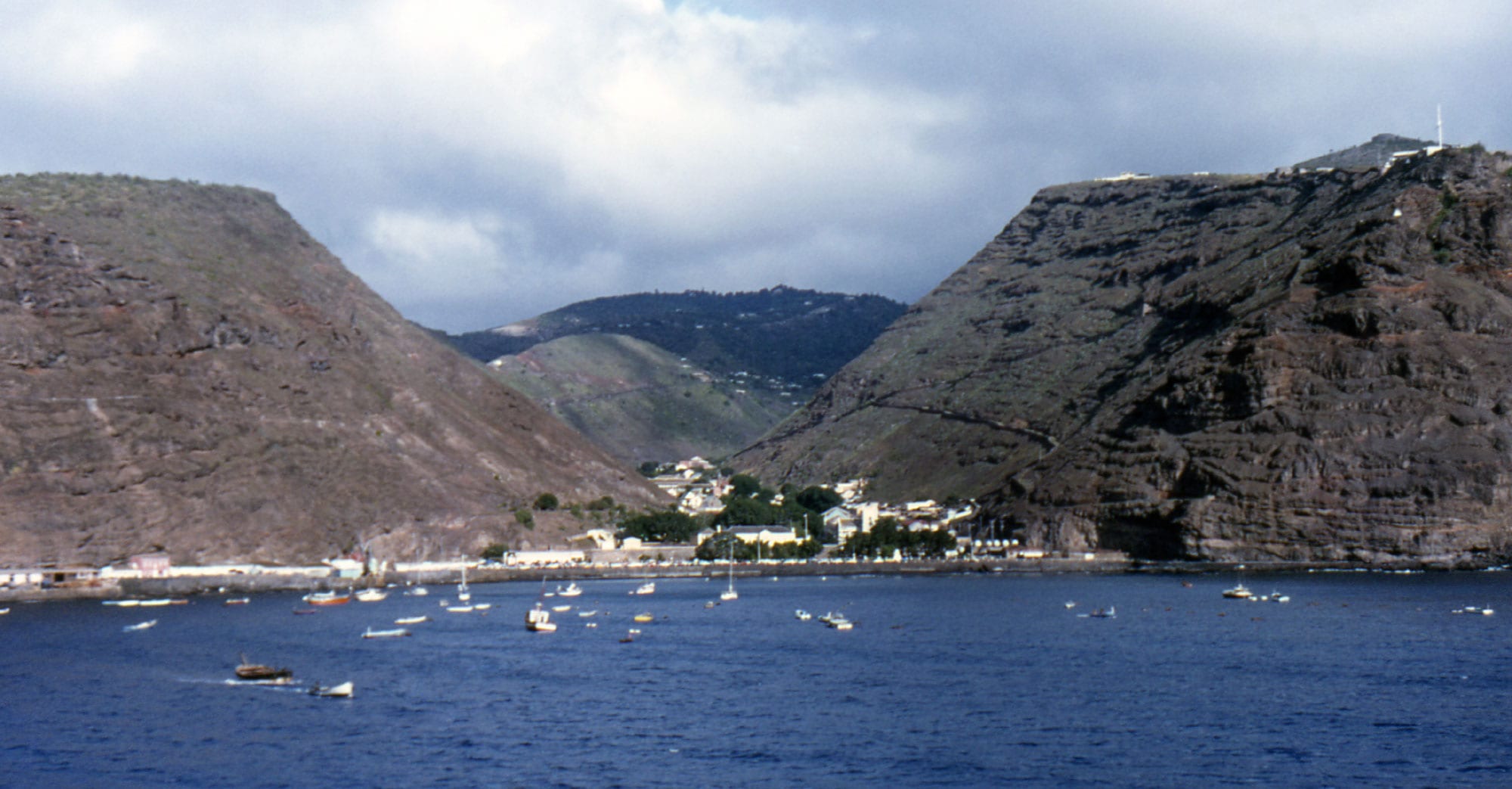
The island that held an emperor
Saint Helena, one of the most remote inhabited islands on earth, sits in the middle of the South Atlantic roughly 1,160 miles (1,860 kilometres) from the nearest major landmass, Africa. Its isolation made it the ideal place for Britain to exile Napoleon Bonaparte after his final defeat in 1815, and the emperor spent the last years of his life here before his death in 1821 — history that still defines much of the island's identity and visitor interest today. Scheduled commercial flights, which began in 2017 after centuries of access only by sea (latterly by the mail ship RMS St Helena), have only recently made the island easier to reach.
The six below are spread across the island's capital, Napoleonic sites, and volcanic interior. It remains a genuinely remote destination requiring real advance planning to visit.
1. Jamestown
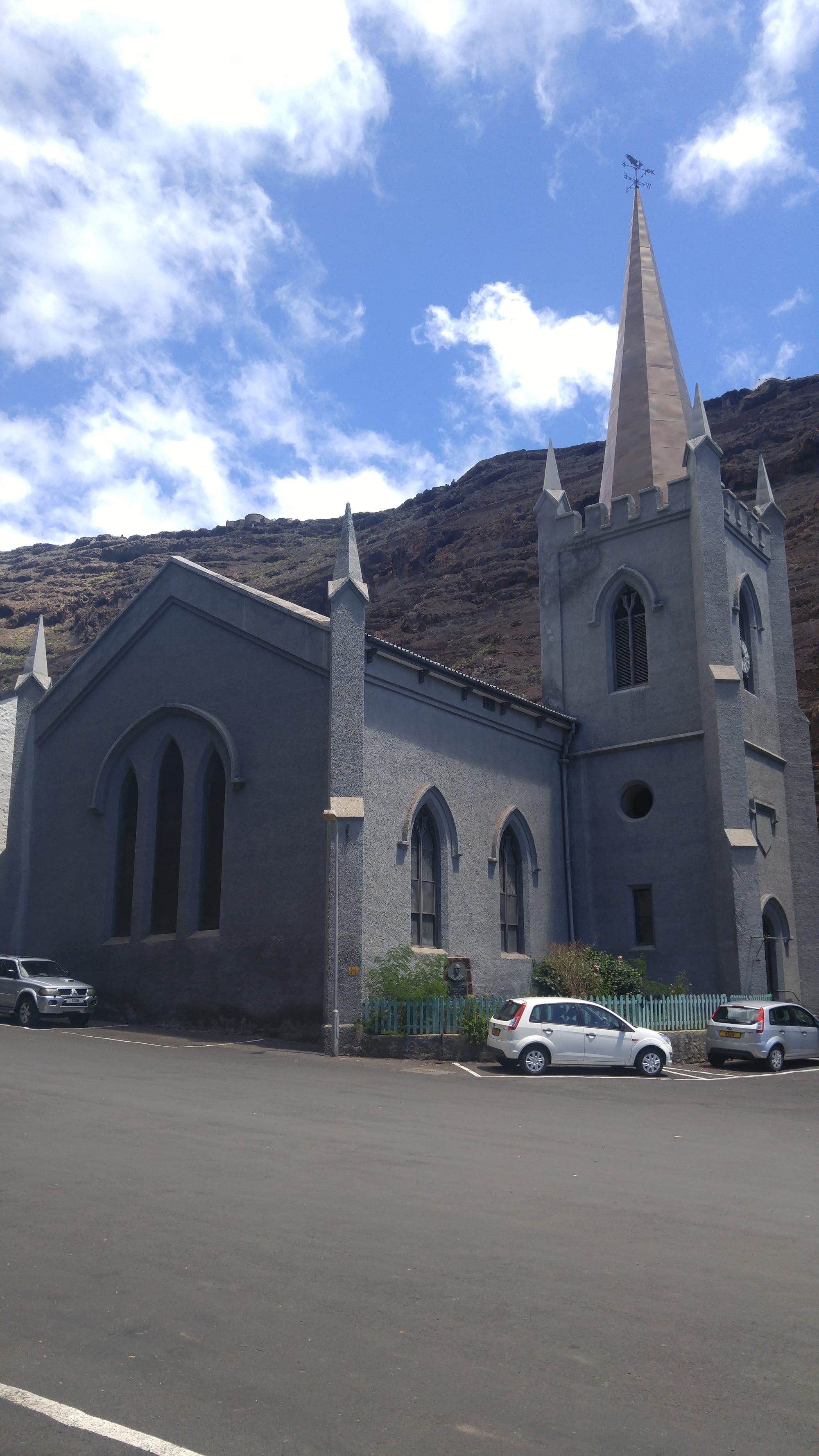
Jamestown, Saint Helena's capital, is squeezed into a narrow volcanic valley leading down to the sea, its Georgian-era buildings and single main street giving it a preserved, almost time-capsule quality. St James's Church, built in 1772, is the oldest Anglican church in the Southern Hemisphere, and the compact town remains easy to explore on foot in a single day.
2. Jacob's Ladder
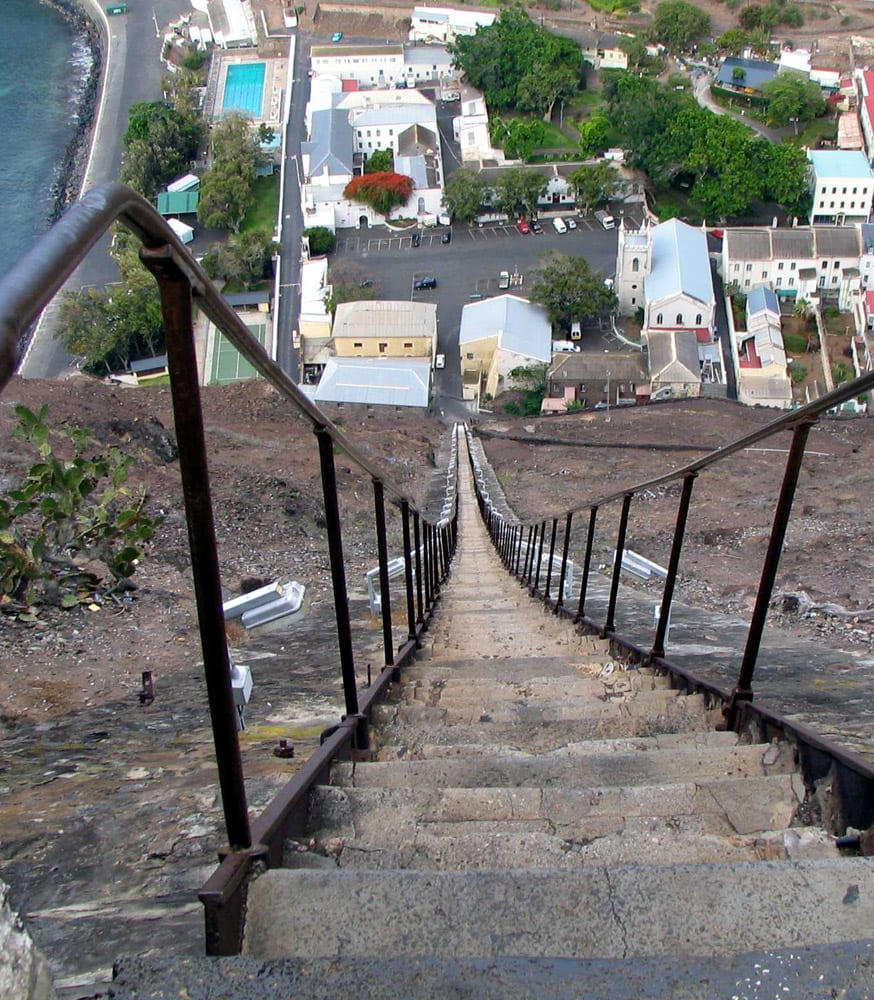
Jacob's Ladder, the surviving staircase of an inclined plane built in 1829 to haul cargo up the steep valley wall, is now a punishing 699-step staircase climbing almost straight up from Jamestown to the fortifications above. Climbing it (and the descent, arguably harder on the knees) is treated almost as a rite of passage for visitors, rewarded with sweeping views back down over the town and harbour.
3. Longwood House
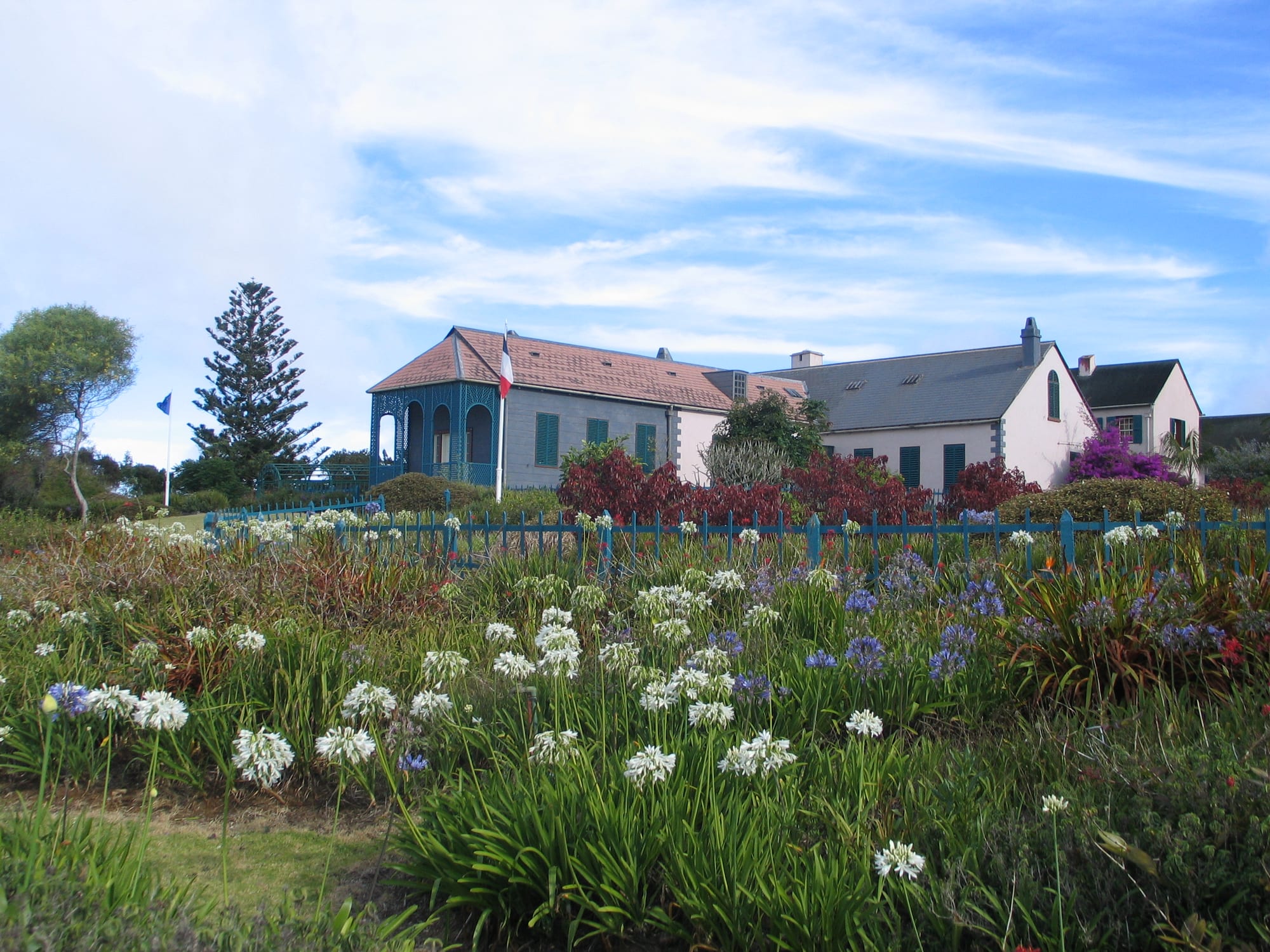
Longwood House, a damp and by most accounts fairly miserable residence by the standards of a former emperor, was Napoleon's home from December 1815 until his death, following his defeat at Waterloo. Now a museum owned by the French government (it has been French property since 1858, though it remains part of the British territory), it preserves rooms and furnishings connected to his exile and eventual death here in 1821.
4. Napoleon's tomb
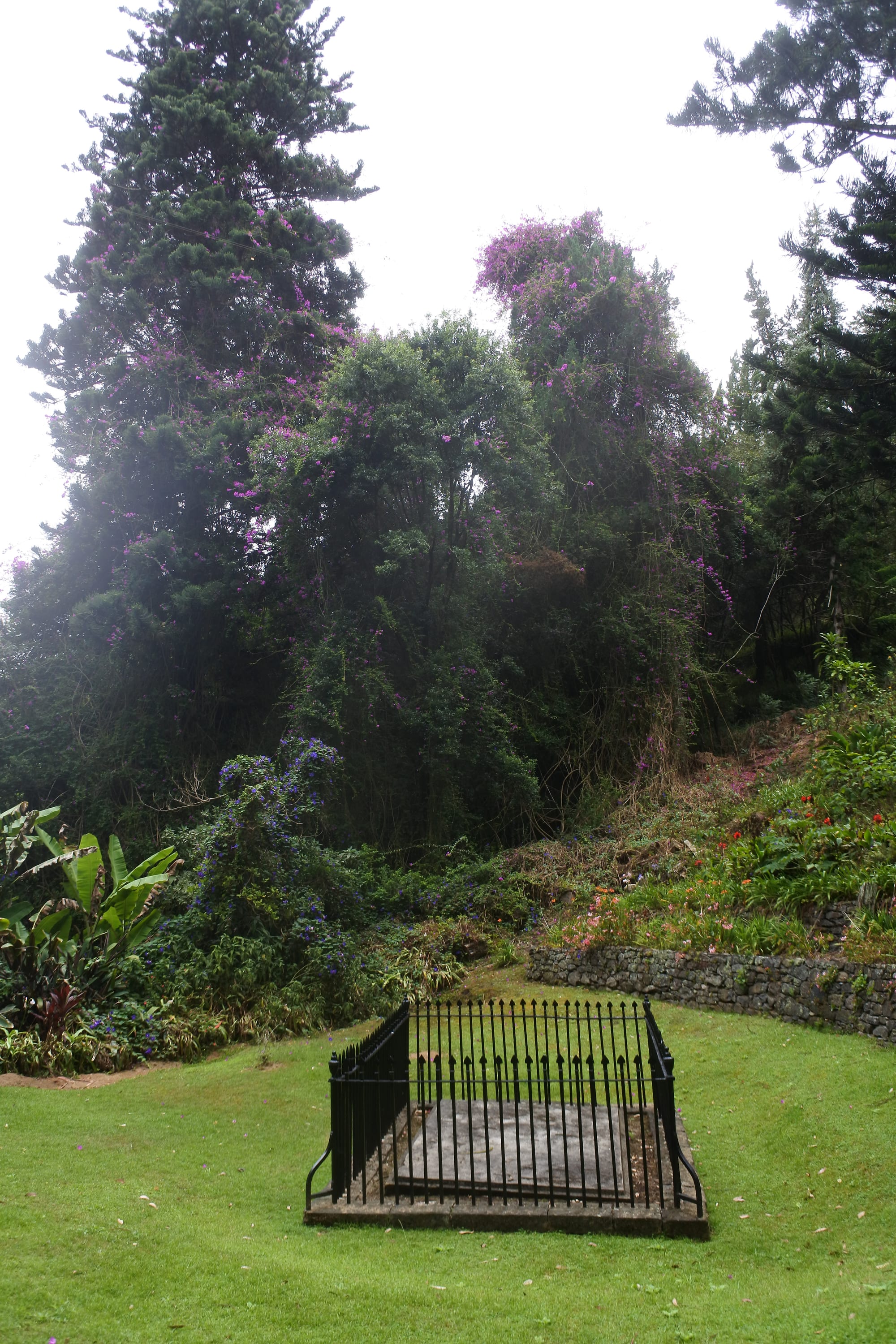
Napoleon was originally buried, as he had asked, near a spring in a quiet valley where he had taken walks during his exile, and although his remains were exhumed and returned to Paris in 1840 for reburial at Les Invalides, the plain original tomb site remains on Saint Helena, still French-owned and a place of quiet pilgrimage for those tracing the full story of his exile.
5. The island's volcanic coastline
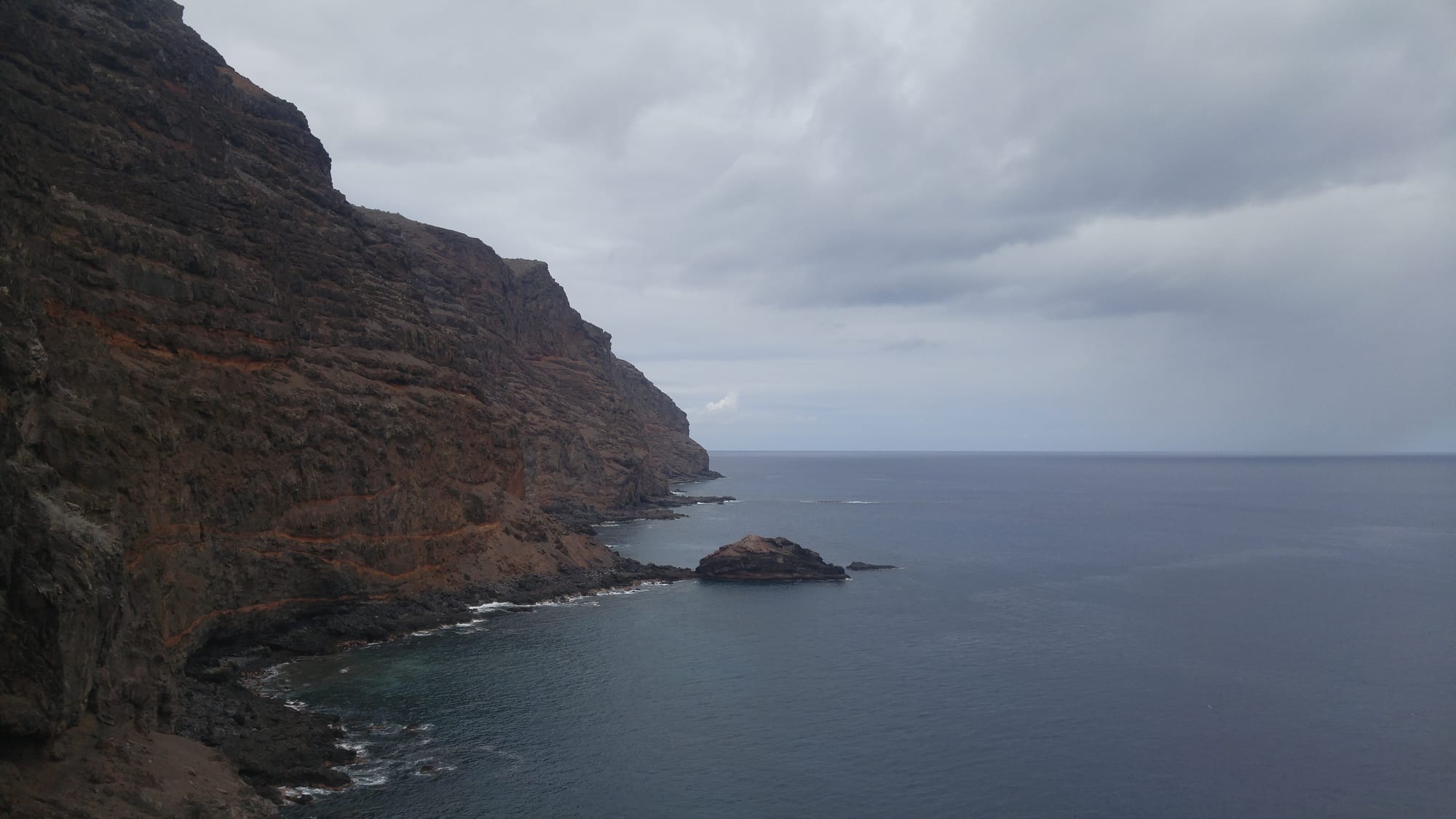
Saint Helena's rugged, volcanic coastline, largely uninhabited outside Jamestown and a handful of small settlements, offers dramatic cliff scenery and, offshore, seasonal visits by whale sharks, with snorkelling trips run to swim alongside them, as well as whale watching and diving — among the island's main draws for visitors interested in marine wildlife.
6. Jonathan the tortoise
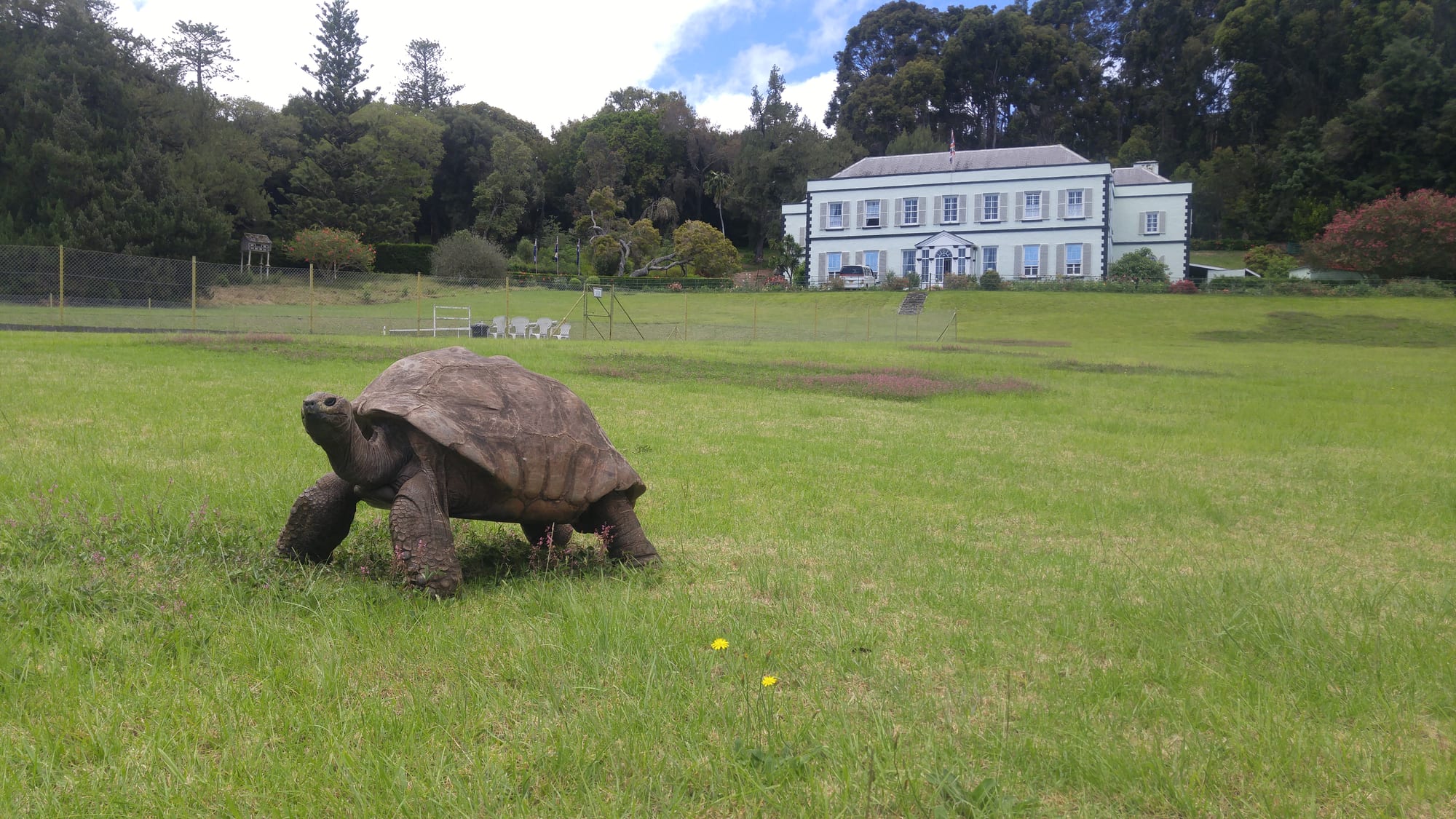
Jonathan, a giant tortoise living on the grounds of Plantation House (the governor's official residence), is estimated to have hatched around 1832 and is widely recognised as the oldest known living land animal in the world, having arrived on the island from the Seychelles in 1882. He grazes the lawns of the grounds, a low-key but genuinely remarkable living link to the island's long history.
Saint Helena remains a genuine expedition destination: the weekly flight from Johannesburg is the main way in, and a visit of a week or more allows time to properly explore both the Napoleonic history and the island's volcanic and marine landscapes.