History
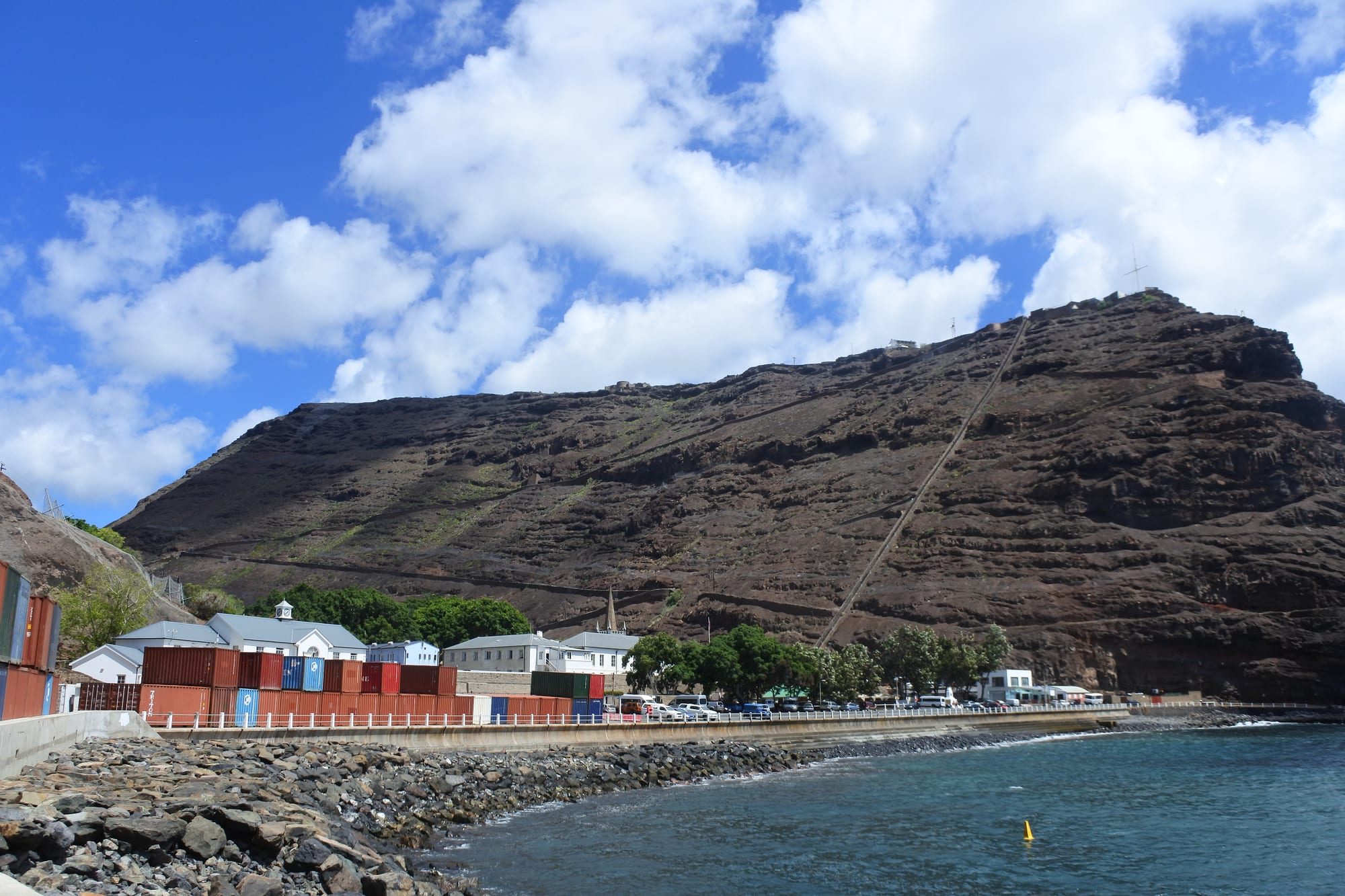
Saint Helena was uninhabited when Portuguese ships found it in 1502 — by long tradition the navigator João da Nova, on 21 May of that year, though historians dispute it — and it became a resupply stop on the route to and from India. The English East India Company settled and fortified the island from 1659, founding Jamestown, and it became a vital watering and provisioning station for ships on the long haul between Europe and Asia. Enslaved people were brought to work it; the phased emancipation of the island's 800 or so slaves began in 1827, six years before Parliament abolished slavery across the colonies. Between 1840 and 1849 the Royal Navy landed over 15,000 "Liberated Africans" — people freed from intercepted slave ships — in Rupert's Valley, where many died and were buried; over 9,000 skeletons were uncovered there during the airport road works in 2008.
Napoleon Bonaparte was exiled here in 1815 and died at Longwood House in 1821; the island was also used to hold the Zulu king Dinuzulu (1890–1897), over 6,000 Boer prisoners of war in 1900–1901, and, in 1957, three Bahraini princes held until 1960. It became a Crown colony in 1834.
The opening of the Suez Canal and the shift to steamships took away the passing trade, and Saint Helena declined into poverty and aid dependence. Islanders — the "Saints" — emigrated for work to Ascension, the Falklands, and Britain, and full British citizenship was only restored to them in 2002. A long-debated airport finally opened in 2016, after a well-publicised wind-shear problem delayed scheduled flights until 14 October 2017; the mail ship RMS St Helena made her last sailing from the island in February 2018.
- Saint Helena: The Loneliest Island — A volcanic rock in the middle of the South Atlantic — an East India Company waystation, Napoleon's prison, a refuge for liberated Africans and Boer captives, and one of the most isolated inhabited places on Earth until an airport opened in 2017