Food · Seychelles
Seychelles: Food and the National Dish
Fish curry over rice, a Creole staple from an island nation whose waters supply most of what lands on the plate
By Globeway Editorial · 30 September 2026
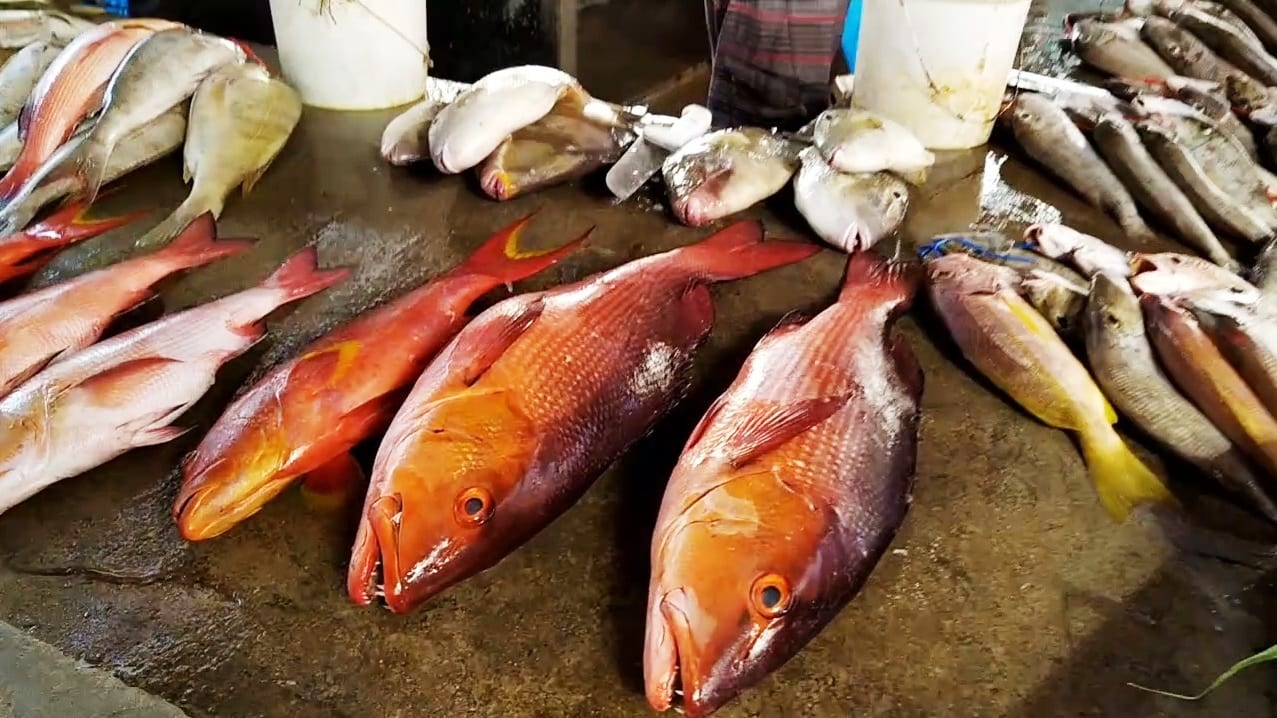
A cuisine drawn almost entirely from the surrounding ocean
Seychelles, an archipelago of 115 islands in the Indian Ocean, has built a genuinely fish-centred cuisine out of necessity as much as preference, with a Creole culinary identity blending African, French, Indian and Chinese influence brought by the islands' varied settlement history.
Fish curry and rice: the everyday plate
Fish curry served over rice, fish cooked in a coconut-milk-based curry sauce spiced with ginger and other spices, is one of the most common everyday dishes across Seychelles, genuinely reflecting how central fresh fish is to the islands' food supply. Served at both home tables and Creole restaurant buffets, fish curry and rice anchors most everyday Seychellois meals more than any single "national dish" claimed by the country.
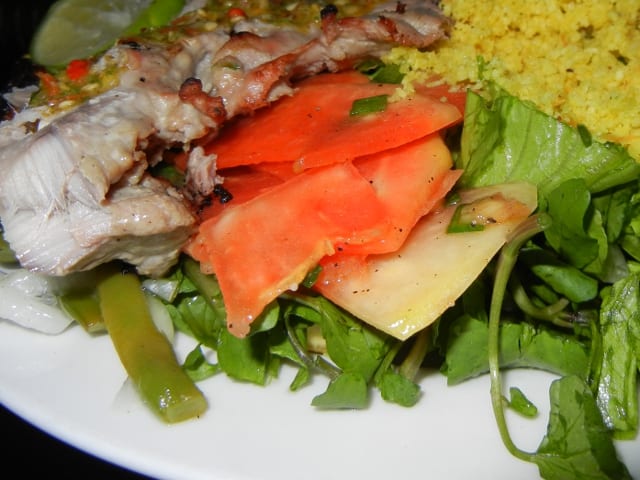
Fish, coconut and a genuinely Creole pantry
Fresh fish, caught locally and sold daily at markets like Victoria's Sir Selwyn Selwyn-Clarke Market, and coconut, used in milk and grated form across countless dishes, anchor most Seychellois cooking. Rice, ginger, lemongrass and tamarind round out a pantry that draws on African, Indian and French Creole cooking traditions brought together through the islands' varied settlement history.
History behind the plate
Seychelles had no permanent inhabitants until French settlers arrived in 1770 with enslaved Africans and Indians, soon followed by many more enslaved people of East African and Malagasy origin, whose combined cooking traditions, later joined by Indian and Chinese labourers and traders, formed the Creole cuisine still eaten across the islands today. That settlement pattern explains why Seychellois food genuinely blends African, French, Indian and Chinese influences rather than tracing to any single ancestral cuisine.
Dishes to know
Five more to recognise across Seychelles:
- Bourzwa griye — grilled red snapper, one of the many ways fish is
cooked on the islands.
- Octopus curry — octopus cooked in a spiced coconut curry sauce, a
popular Creole specialty.
- Ladob — ripe plantain and sweet potato, sometimes breadfruit, boiled
with coconut milk, sugar, nutmeg and vanilla; a savoury version uses salted fish.
- Satini reken — shark chutney of boiled, finely mashed shark cooked
with bilimbi juice and lime.
- Kat-kat banane — green bananas and fish cooked in coconut milk.
Drinks
Coconut water, drunk straight from the fruit, is a genuine everyday refreshment across Seychelles. Fresh fruit juices, locally brewed Seybrew and Eku beers, bakka rum and kalou, a palm wine, are also part of the islands' drinks.
Eating as a traveller
Vegetarians will find rice, coconut and vegetable-based dishes more limited given fish's central role in most everyday cooking, though Creole buffets often include vegetable sides. Bottled water is widely sold. Visiting Victoria's Sir Selwyn Selwyn-Clarke Market to see the daily fish catch offers a genuine look at what actually shapes Seychellois cooking.
What to take from the table
Fish curry with rice, drawn from waters surrounding 115 islands, is the truest everyday picture of Seychellois food: a Creole cuisine built directly from what the ocean provides.