Food · Suriname
Suriname: Food and the National Dish
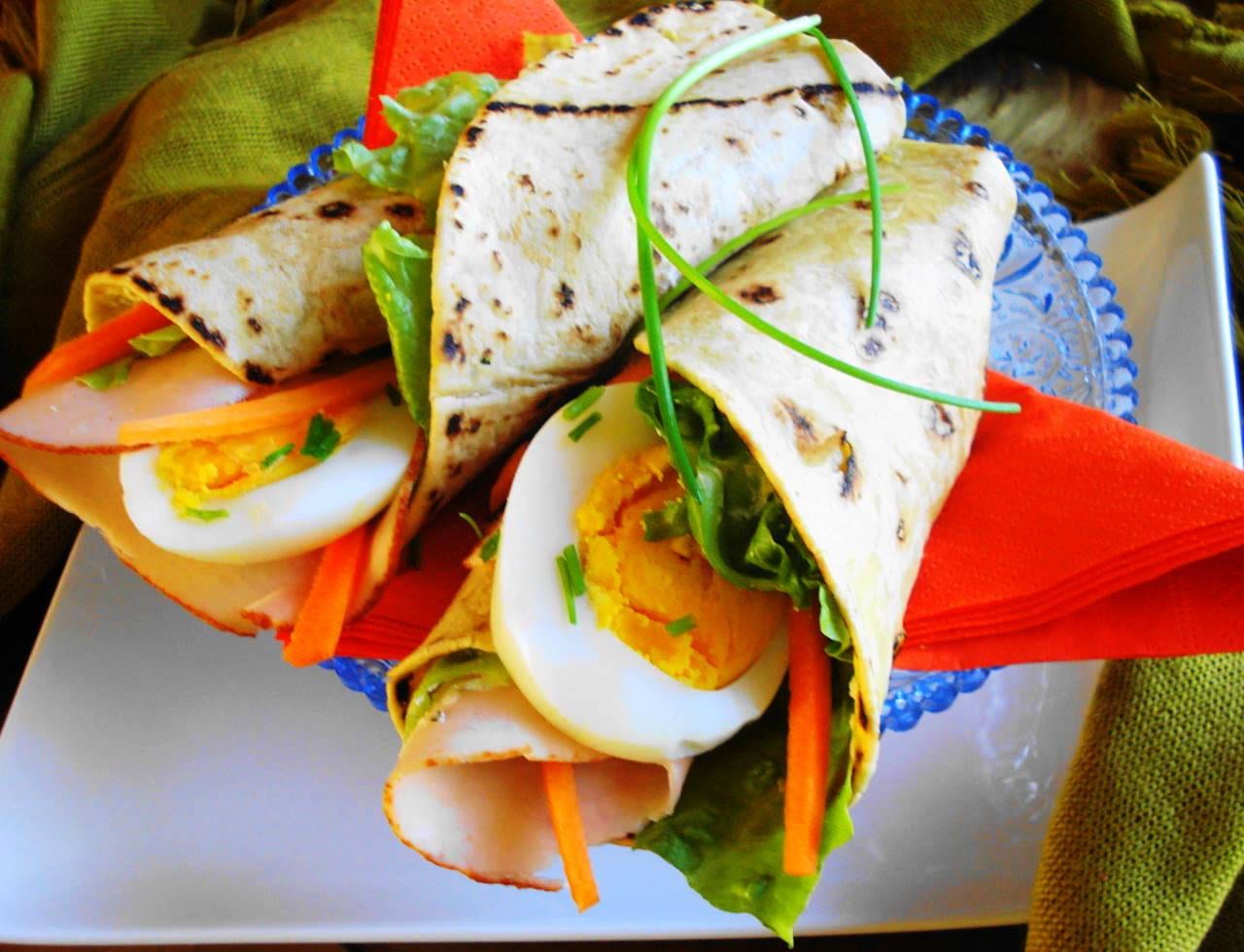
A flatbread wrap filled with curried vegetables and meat, brought by Indian indentured labourers and now eaten across the country
By Worldlore Editorial · 30 September 2026
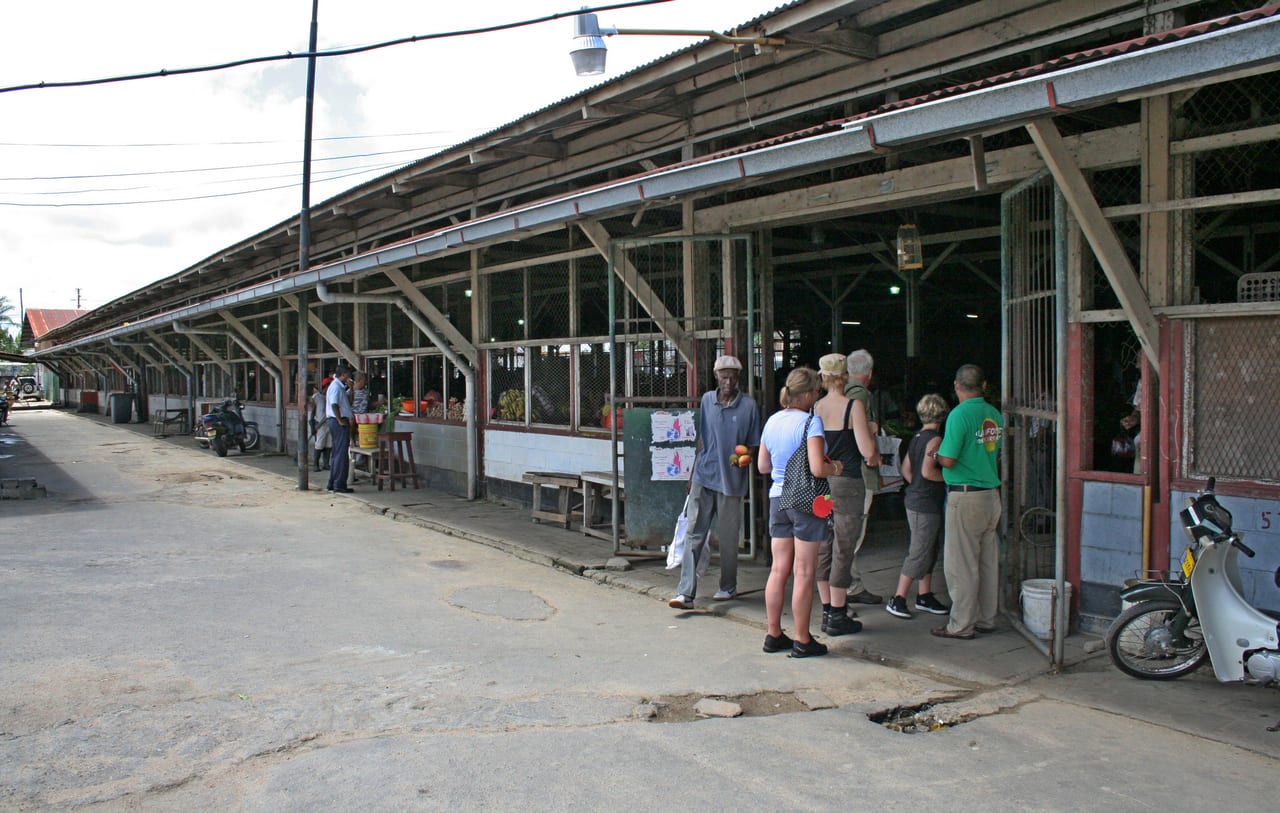
A cuisine genuinely built from four continents
Suriname's food reflects one of the most ethnically diverse populations in South America, with Indian, Javanese, African, Dutch, Chinese and Indigenous influences all genuinely present in everyday cooking rather than confined to separate communities.
A national dish contender: roti
Roti, a soft flatbread served with curried chicken, potato and vegetables, is one of the dishes most often named as Suriname's national dish, alongside the baked casserole pom. Brought by Indian indentured labourers who arrived in the 19th century after the abolition of slavery, roti has become a genuinely nationwide dish, often served at festive occasions with many guests, reflecting how thoroughly the dish has been adopted across the country's different communities.
Curry, cassava and a genuinely blended pantry
Curry, brought by Indian indentured labourers, Javanese flavours, and cassava, a staple from the country's Indigenous and Afro-Surinamese Maroon communities, sit side by side in Surinamese cooking. Rice, plantain and a wide range of tropical produce round out a pantry shaped by contributions from nearly every community that settled the country.
History behind the wrap
After the Netherlands abolished slavery in Suriname in 1863, Dutch colonial administrators brought indentured labourers from India and Java to work the colony's plantations, each group bringing their own distinct food traditions with them. Roti's spread beyond the Indo-Surinamese community into genuinely nationwide popularity reflects how thoroughly these different culinary traditions have mixed in Suriname, rather than remaining separated along ethnic lines.
Dishes to know
Five more to recognise across Suriname:
- Pom — a baked casserole of grated pomtajer root, chicken and citrus
juice, a party favourite of Creole or Jewish origin that is itself often called the national dish.
- Moksi meti — a plate of mixed meats served over rice or noodles.
- Nasi and bami — Javanese-influenced fried rice and noodle dishes,
widely eaten across the country.
- Moksi-alesi — mixed boiled rice with salted meat, shrimp or fish
and vegetables.
- Peanut soup — one of Suriname's best-known everyday dishes.
Drinks
Parbo, a locally brewed lager, is Suriname's best-known beer. Dawet, a sweet coconut and rice-flour drink of Javanese origin, and fresh tropical fruit juices are also commonly enjoyed.
Eating as a traveller
Vegetarians will find curried vegetable roti and rice-based dishes manageable, though meat is common across much of Surinamese cooking. Bottled water is the simplest default, especially outside Paramaribo. Roti shops are the everyday place to try the dish.
What to take from the table
Roti, brought by Indian indentured labourers and adopted nationwide, is the dish that best shows Suriname's real food story: genuinely blended from every community that has ever called the country home.