Food · Tokelau
Tokelau: Food and the National Dish
Fish, coconut and pulaka from three tiny atolls, one of the smallest and least documented food cultures in the Pacific
By Worldlore Editorial · 30 September 2026
Three atolls with a narrow, practical diet
Tokelau, a territory of three small coral atolls in the Pacific with a usually resident population of about 1,500 at the 2016 census, has no confidently documented single national dish. What is genuinely known reflects the narrow, practical diet available on low-lying coral atolls with very little farmable land.
Fish, coconut and pulaka: the everyday diet
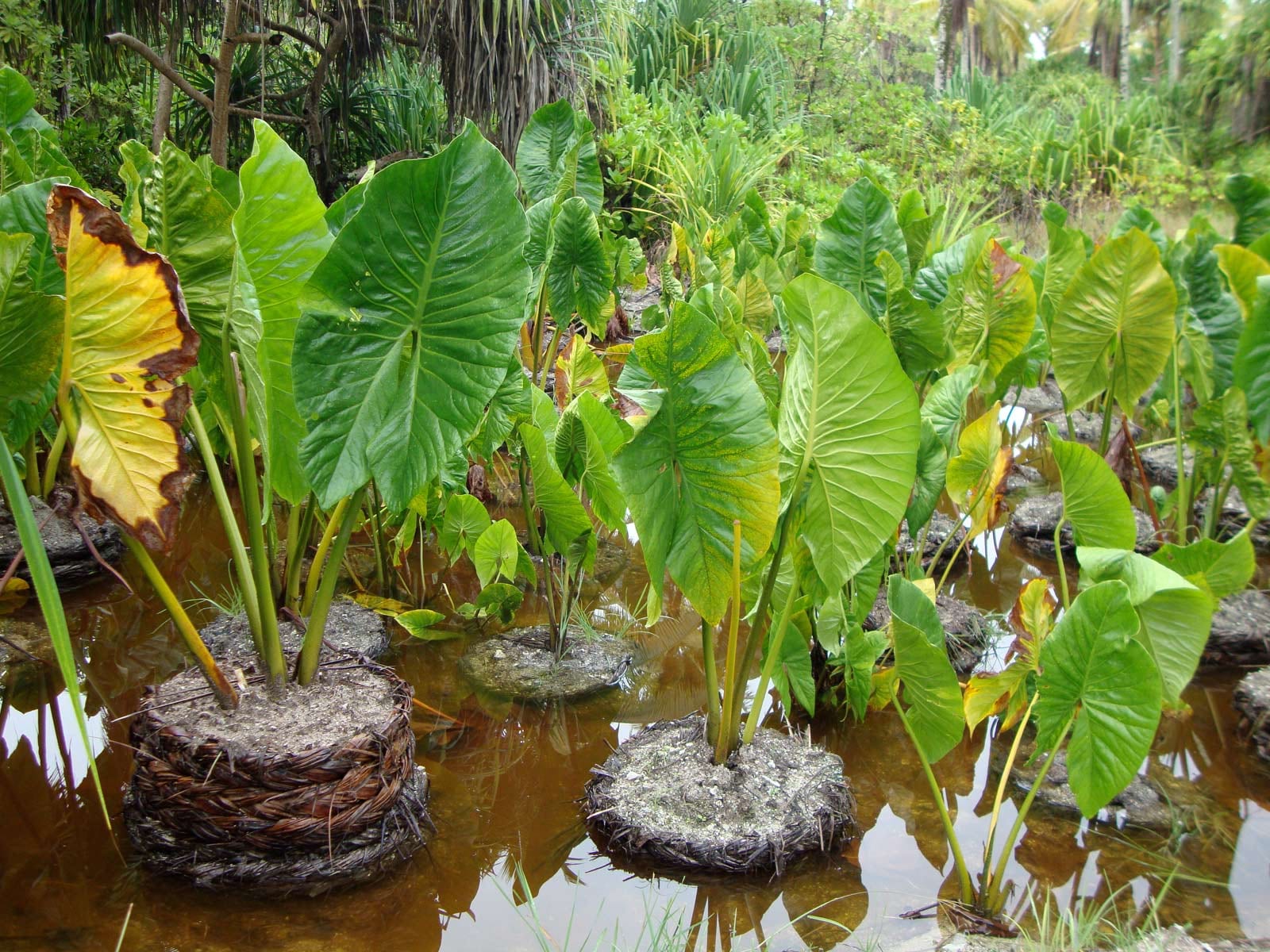
Fish, caught from the surrounding lagoon and open ocean, and coconut, whose meat, milk and oil go into many dishes, are the genuine everyday staples across Tokelau's three atolls. Pulaka, a giant swamp taro grown in pits dug down to reach fresh groundwater beneath the coral, is grown where conditions allow, alongside breadfruit and pandanus, reflecting the same resourceful growing method used on other low-lying Pacific atolls with almost no natural topsoil.
Dishes to know
Five to recognise across Tokelau:
- Ota — a raw fish dish.
- Lolo fala — a pudding of pandanus fruit pulp and coconut cream,
sometimes thickened with starch.
- Tupelepele — a gelatinous food of grated coconut meat and coconut
water, thickened with starch.
- Vaihalo — a porridge made from coconut.
- Puleleti — a sweet of desiccated coconut and coconut syrup rolled
into balls.
Eating as a traveller
Tokelau receives very few visitors and has essentially no restaurant or tourist dining infrastructure, so visitors stay with families by arrangement and eat home-cooked food. Tap water safety depends on each household's rain-catchment system, so boiled water is the sensible default. Any visit here is shaped entirely around the atolls' own small-scale fishing and growing rhythm rather than any tourist dining scene.
What to take from the table
Tokelau's food story isn't a signature dish, it's the resourceful reality of feeding a small population from fish, coconut and pulaka grown in composted pits on three of the smallest, most isolated coral atolls in the Pacific.