Attractions & Natural Wonders · Tonga
Tonga: Five Attractions and Natural Wonders
One of the only places on earth where travellers can swim alongside humpback whales, an ancient stone trilithon whose purpose is still debated, and coastal blowholes that erupt in long, roaring lines
By Worldlore Editorial · 30 September 2026
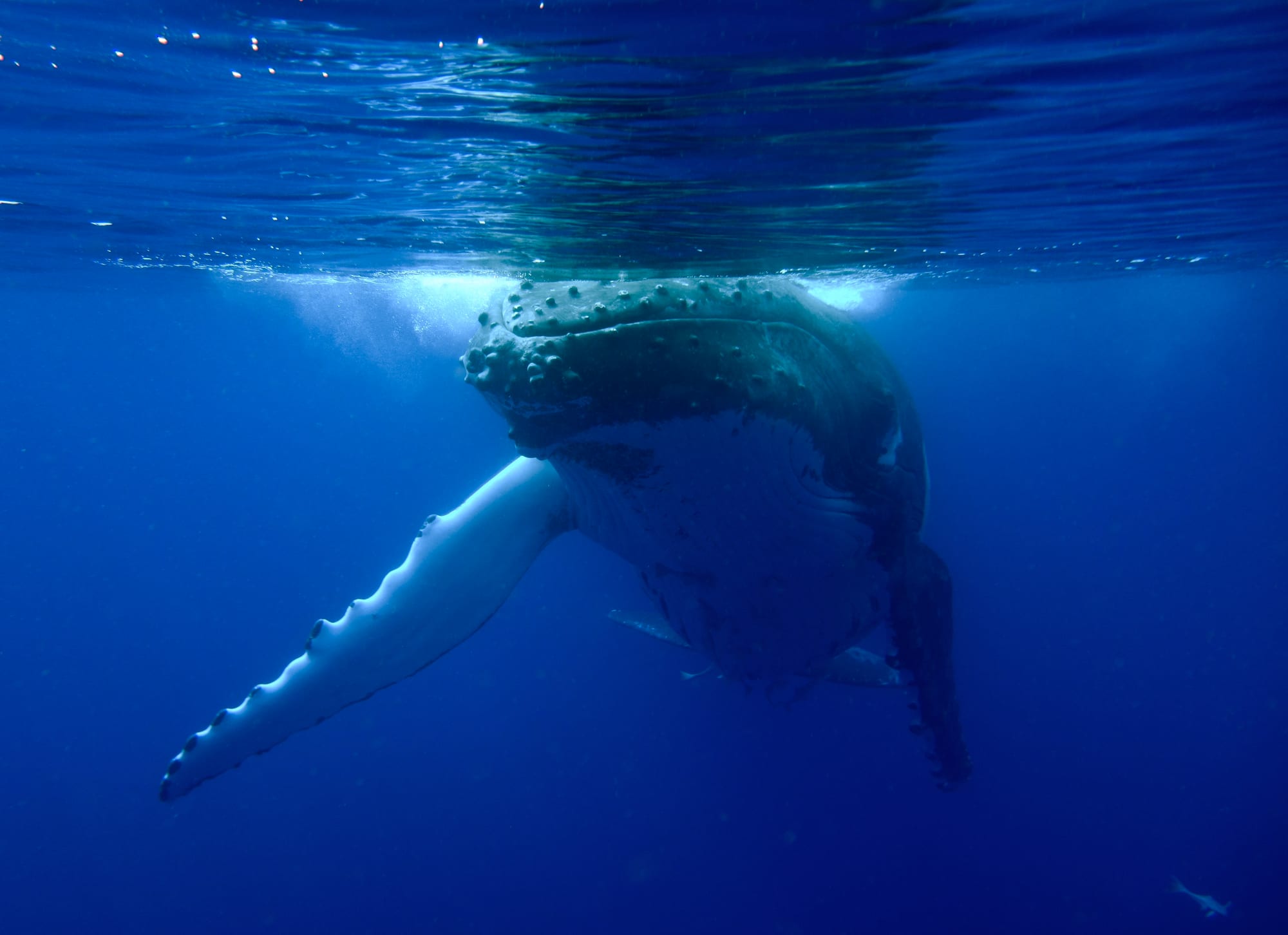
The last Pacific kingdom never colonised
Tonga, an archipelago of over 170 islands in the South Pacific, is the only Pacific nation never formally colonised by a European power (it was a British protected state from 1900 to 1970 but never gave up its sovereignty), with a monarchy whose roots reach back to the Tu'i Tonga line of the tenth century. Its waters are among the very few places in the world where swimming with humpback whales is a licensed, established activity rather than a rare and heavily restricted exception, while its main island holds ancient stone monuments whose exact purpose remains debated.
The five below run from the whale-watching waters of Vava'u to the main island of Tongatapu. The whale season (roughly July to October) draws visitors specifically for that experience.
1. Swimming with humpback whales
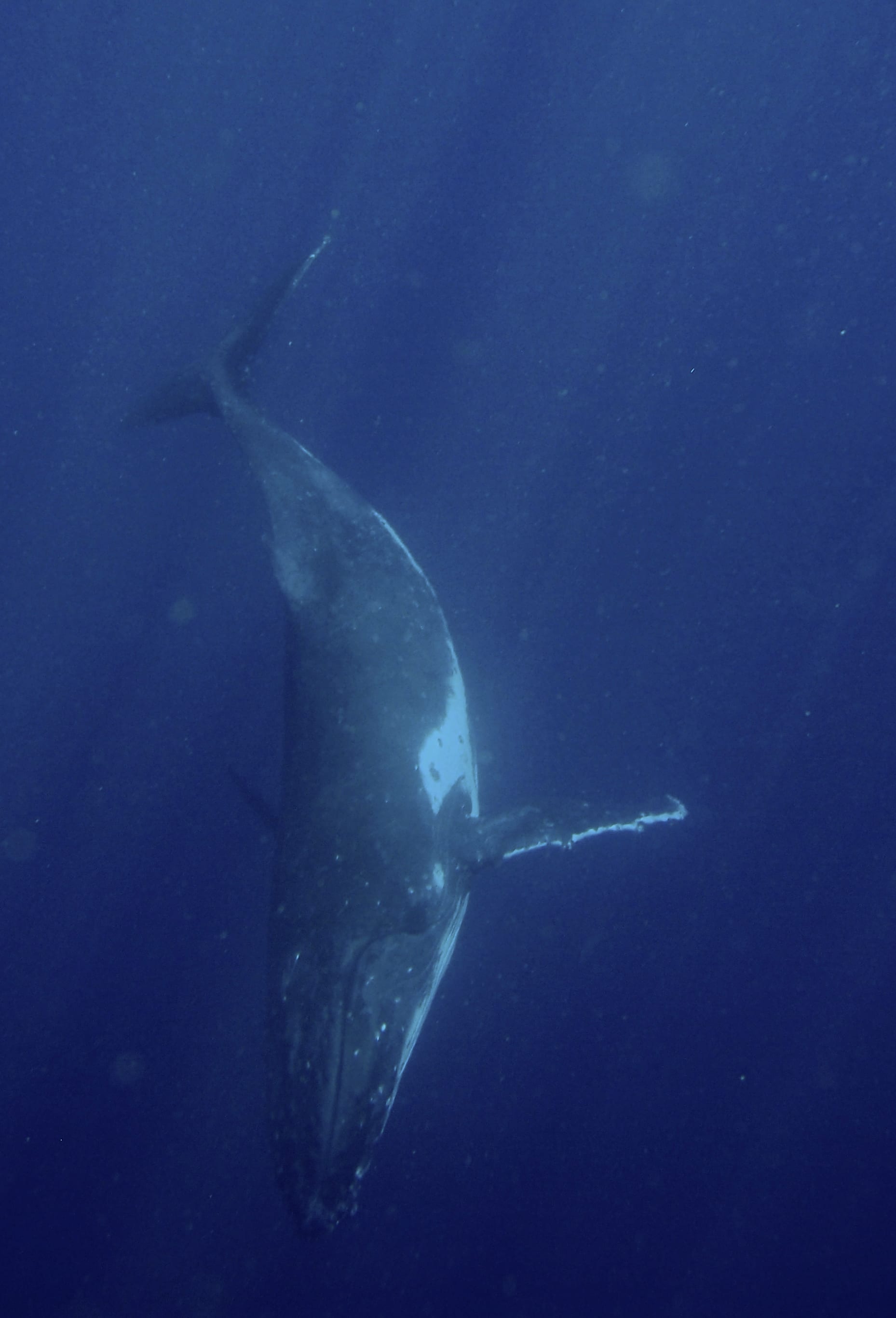
Tonga is one of only a handful of places in the world where licensed operators permit swimming (not just boat-based viewing) alongside migrating humpback whales, which arrive each year from roughly July to October to breed and calve in the warm, sheltered waters around Vava'u and Ha'apai. Strict guidelines govern how closely swimmers may approach, balancing this rare experience against the whales' welfare.
2. Ha'amonga 'a Maui
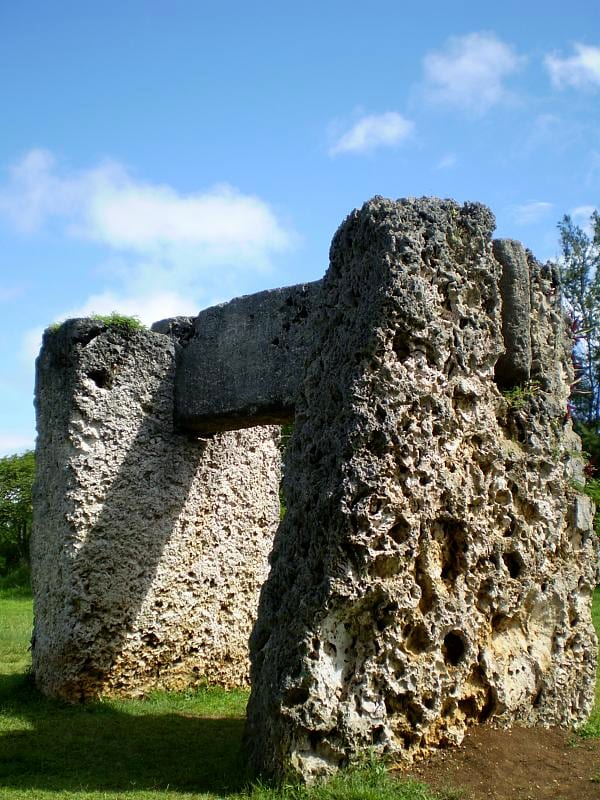
Ha'amonga 'a Maui, a massive stone trilithon on Tongatapu built around the 13th century, is thought to have served either as a ceremonial gateway to a royal residence or as an astronomical marker aligned with the solstices — its exact purpose, like many ancient megalithic structures elsewhere in the world, remains a matter of scholarly debate. It stands as one of the most significant remnants of ancient Tongan civilisation.
3. Nuku'alofa
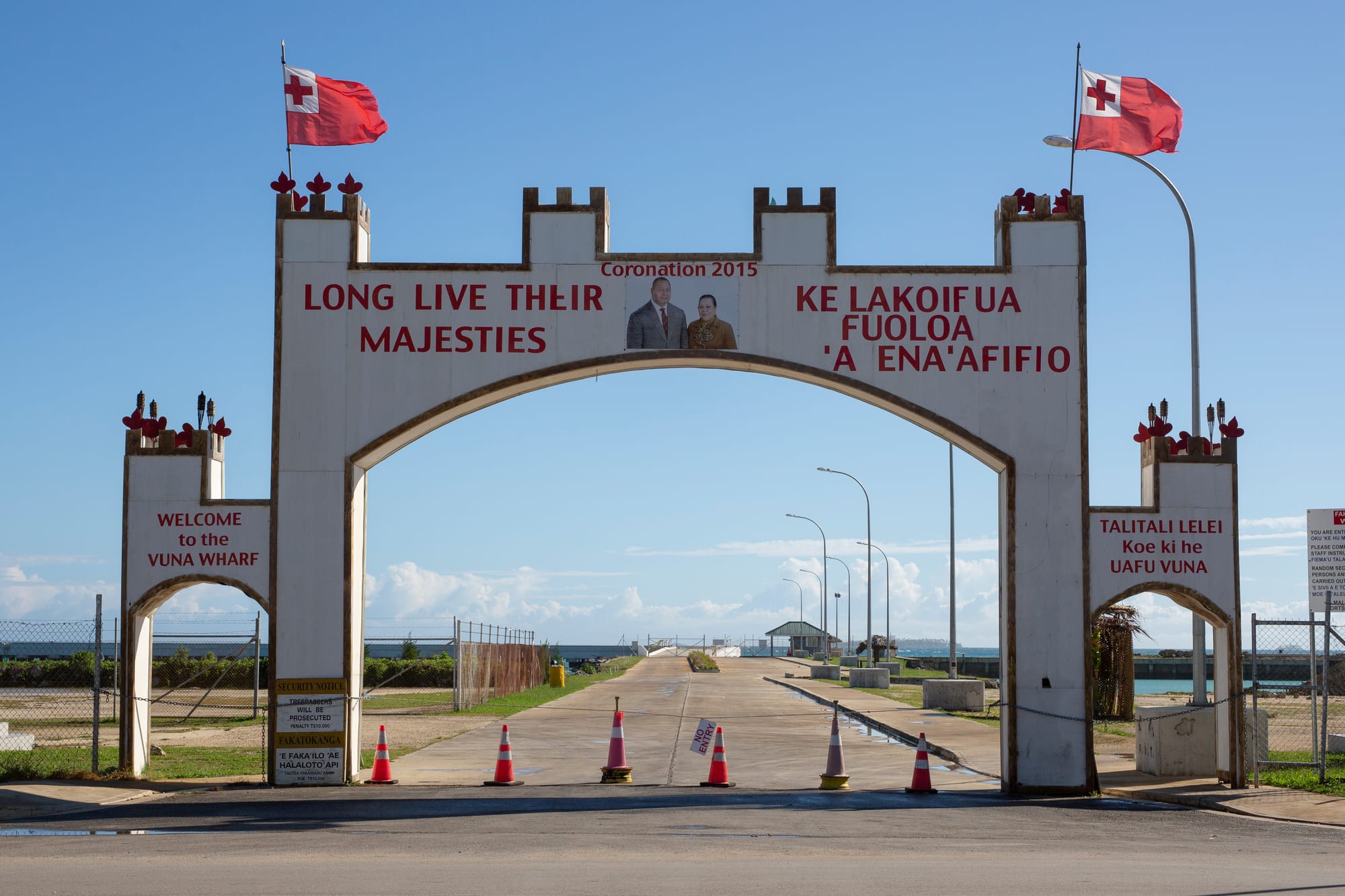
Nuku'alofa, Tonga's capital on the main island of Tongatapu, holds the Royal Palace and remains the seat of the only Pacific nation to have kept its monarchy, with royal ceremony and tradition still playing a visible role in public life. Its relatively modest scale and unhurried pace set the tone for the rest of the kingdom.
4. The Mapu'a Vaea blowholes
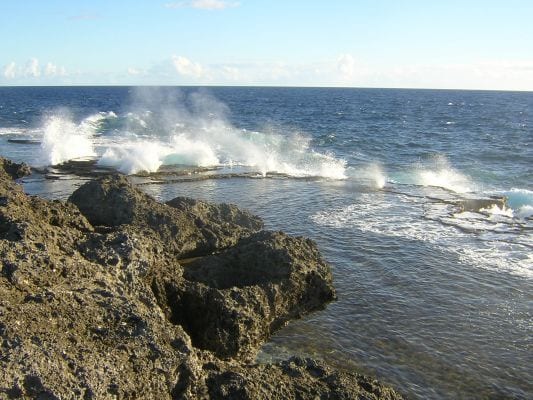
The Mapu'a Vaea blowholes, along Tongatapu's rugged south coast, near the village of Houma, erupt in a long, roaring line some 5 kilometres long as ocean swells force seawater up through hundreds of natural channels in the shoreline rock, some plumes reaching 18 metres or more — on a day with strong surf, dozens of plumes can be seen firing along the coast simultaneously, one of Tongatapu's most striking natural spectacles.
5. Ancient Tongan heritage
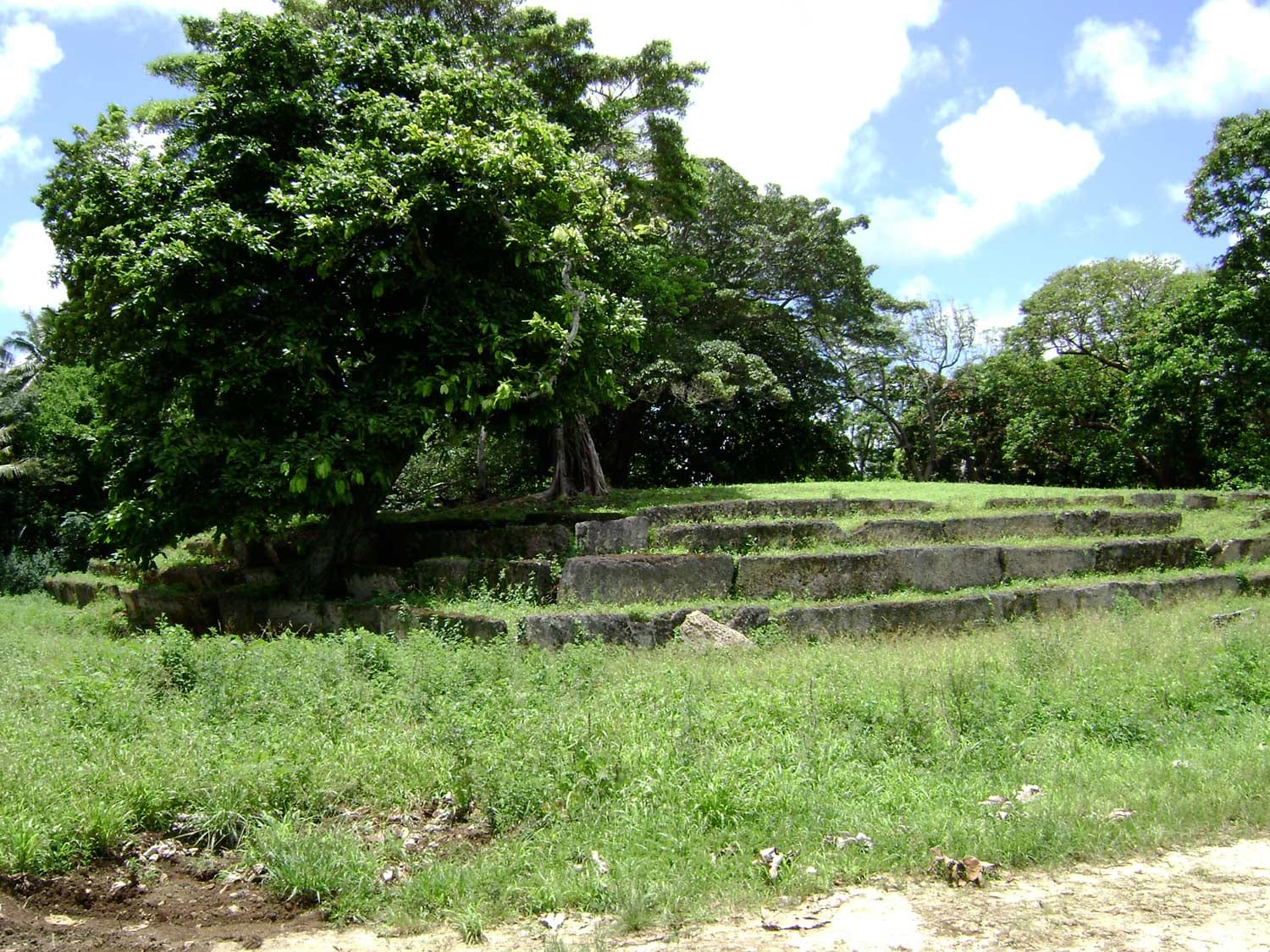
Beyond Ha'amonga 'a Maui, Tongatapu holds numerous other archaeological sites connected to Tonga's ancient Tu'i Tonga dynasty, including the royal burial mounds (langi) of Lapaha, faced with massive, precisely cut coral slabs — together forming a significant record of pre-contact Polynesian civilisation.
Tonga suits a trip timed around the whale season for those drawn to that experience, combined with Tongatapu's historical sites and, for those with more time, the more remote and scenic Ha'apai and Vava'u island groups further north.