Food · Tonga
Tonga: Food and the National Dish
Corned beef and taro leaves wrapped in coconut cream, cooked underground for the whole family
By Globeway Editorial · 30 September 2026
A cuisine built around the Sunday feast
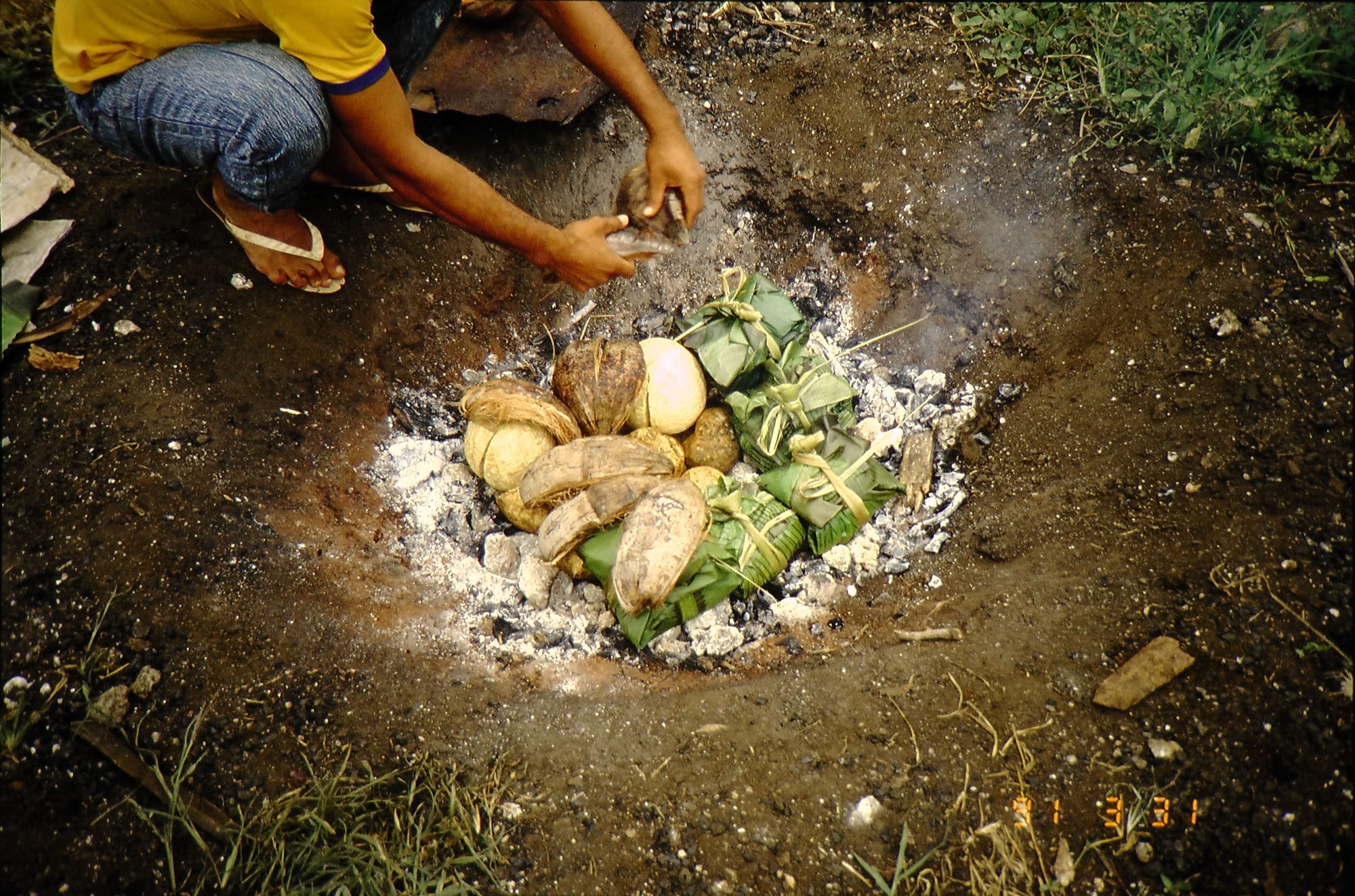
Tongan food centres heavily on the umu, a traditional earth oven of heated stones, used to cook a large communal feast most often eaten on Sundays, a weekly tradition tied closely to Tonga's strict observance of the Sabbath, which is written into the constitution as a day of rest and worship.
The national dish: lu pulu
Lu pulu, corned beef and onion wrapped in taro leaves with coconut cream, then baked or cooked in the umu alongside other dishes, is widely regarded as a signature Tongan dish, though ʻota ʻika, raw fish in coconut cream, is also named as the national dish. Canned corned beef, introduced through Western trade and colonial-era shipping, became a genuinely adopted Tongan staple rather than staying a foreign import, and lu pulu remains a fixture of Sunday feasts and family gatherings across the islands.
Taro, coconut and a genuinely communal pantry
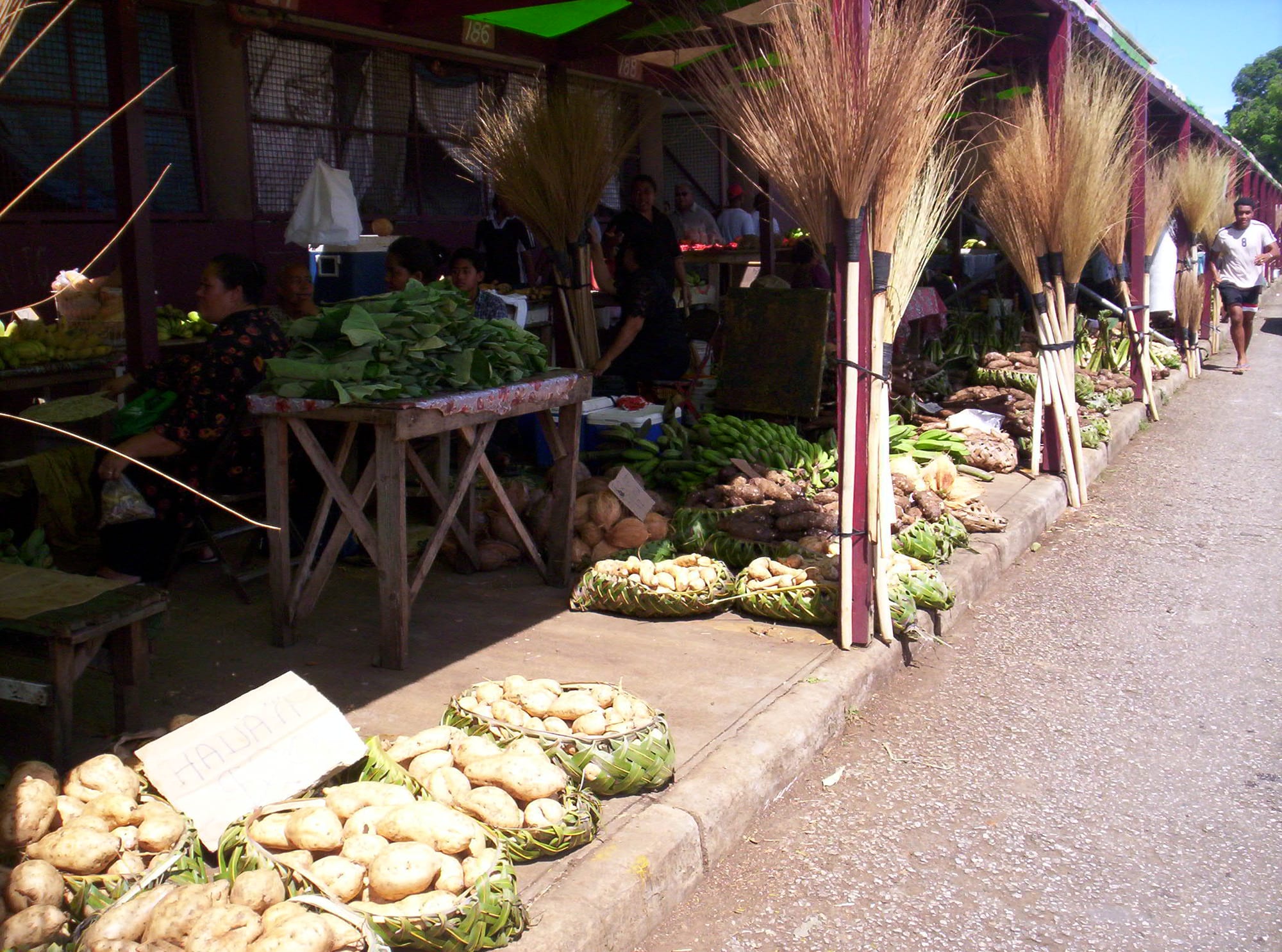
Taro leaves and root, coconut cream and corned beef anchor much of Tongan cooking, alongside pork, fish and root vegetables cooked together in the umu for larger gatherings. Breadfruit and yam round out a pantry shaped by both the islands' own produce and imported tinned staples and frozen mutton flaps from New Zealand.
History behind the feast
Earth-oven cooking predates outside contact with Tonga, when it was hard, hot work done by men and the main meal of the day was cooked this way; today the umu is no longer made every day but remains central to family and community feasts. Corned beef and other tinned goods entered Tongan cooking through Western trade and colonial-era contact, and rather than being treated as foreign, dishes like lu pulu built directly around the ingredient became genuinely Tongan staples in their own right.
Dishes to know
Five more to recognise across Tonga:
- ʻOta ʻika — raw fish marinated in coconut cream and lime, similar
to ceviche, a coastal staple.
- Lu sipi — mutton and onion wrapped in taro leaves with coconut
cream, a close cousin to lu pulu.
- Faikakai — a sweet pudding of finely grated cassava steamed or baked
with coconut cream and brown sugar or fruit juice.
- Roasted suckling pig (puaka) — a centrepiece dish at Tongan feasts and
celebrations.
- Loʻi hoosi — horse meat braised in coconut milk, regarded as a
delicacy.
Drinks
Coconut water, drunk straight from the fruit, is a genuine everyday refreshment across Tonga. Kava, made from the pounded root of the kava plant and drunk during ceremonial and social gatherings, remains a significant traditional practice.
Eating as a traveller
Vegetarians will find taro, coconut and vegetable-based dishes manageable, though meat is central to most umu feasts. Tap water quality varies, so boiled or bottled water is the safer default. Being invited to a Sunday umu feast, if the opportunity arises, is a genuine and significant way to experience Tongan food and family life together.
What to take from the table
Lu pulu, wrapped in taro leaves and cooked in an earth oven for Sunday gatherings, shows that Tongan food is really about the shared act of cooking and eating together as a family, not any single dish standing alone.