Food · Trinidad and Tobago
Trinidad and Tobago: Food and the National Dish
Two fried flatbreads sandwiching curried chickpeas, an Indo-Trinidadian street food now sold on nearly every street corner
By Worldlore Editorial · 30 September 2026
A cuisine genuinely built from Indian, African and Creole roots
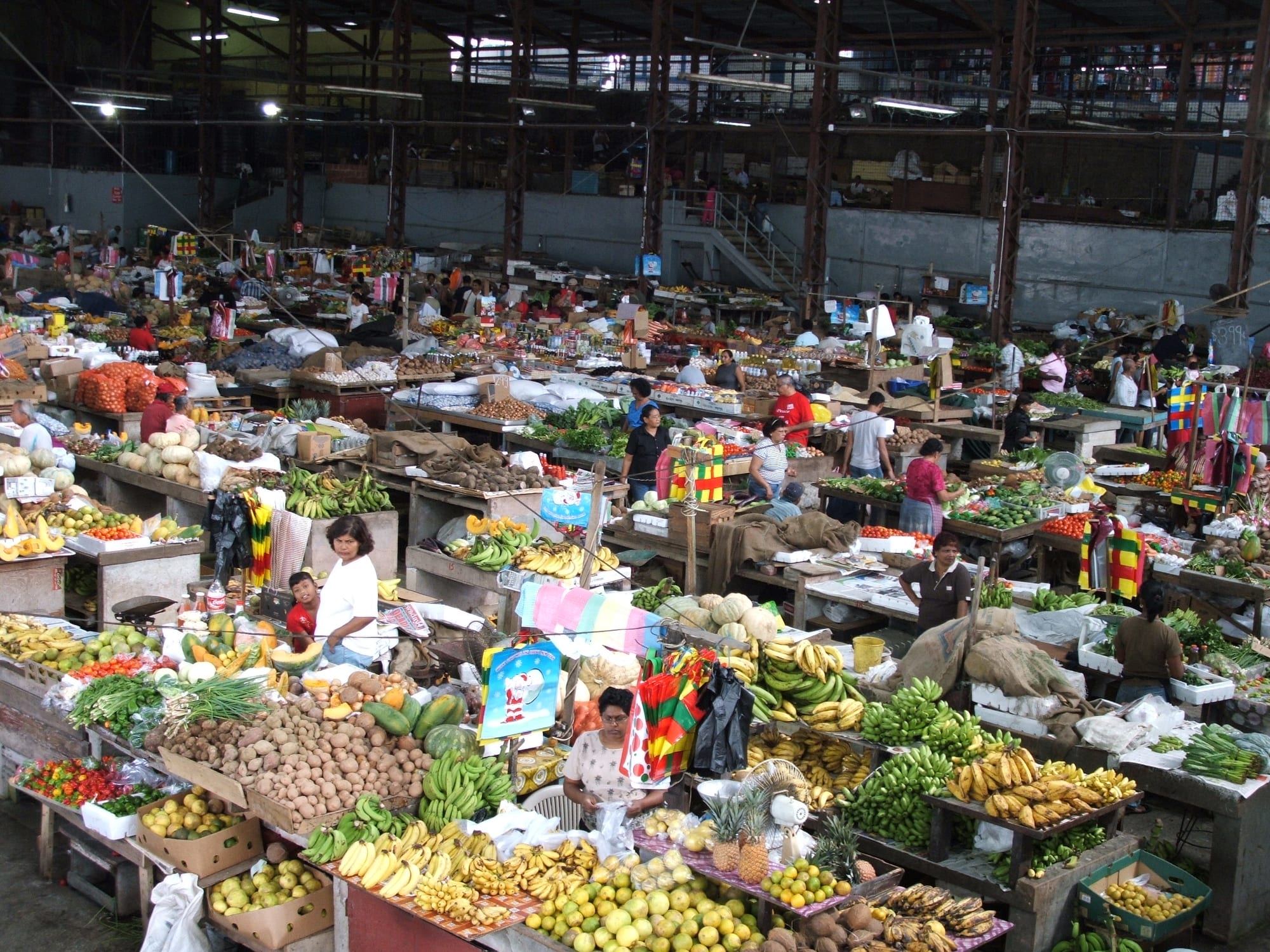
Trinidad and Tobago's food reflects one of the Caribbean's most ethnically layered populations, with Indian, African, Creole, Chinese and Middle Eastern influences all genuinely present in everyday eating rather than confined to separate communities.
The national dish: doubles
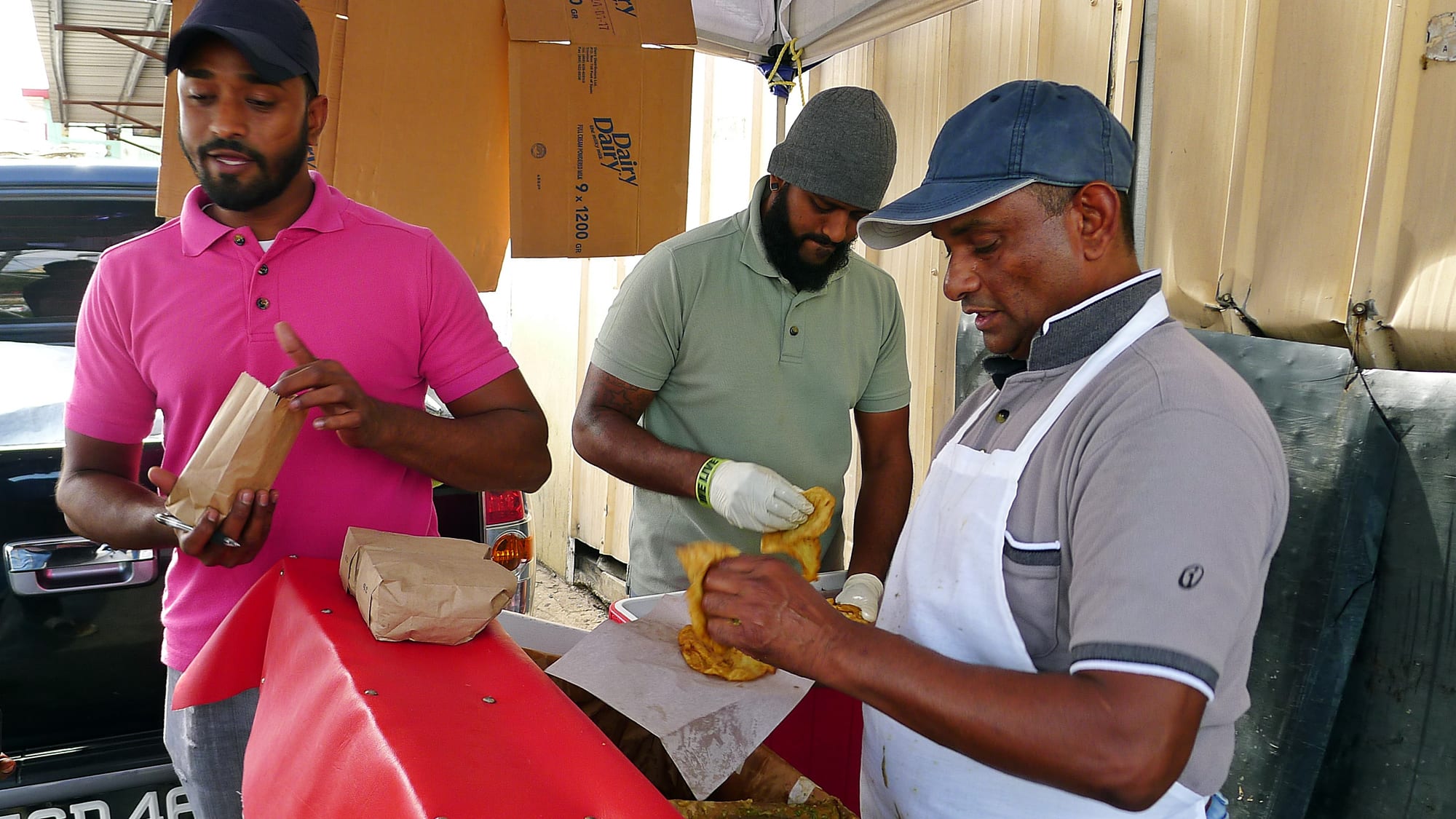
Doubles, two pieces of fried flatbread called bara sandwiching curried chickpeas (channa), topped with tamarind, pepper and mango chutneys, is Trinidad and Tobago's most iconic street food and often named among its national dishes, alongside callaloo, pelau and roti. Created in Princes Town in 1936 by Emamool Deen and his wife Raheeman, drawing on the cooking brought by Indian indentured labourers from 1845, doubles has become a genuinely nationwide breakfast and snack food sold from roadside stands across the country, eaten by Trinidadians of every background.
Curry, chickpeas and a genuinely blended pantry
Curry spices, brought by Indian indentured labourers, and chickpeas (channa) anchor much of Trinidadian cooking, alongside cassava, plantain and seafood reflecting the country's African and Creole culinary heritage. Pepper sauce, often homemade from Scotch bonnet or other hot peppers, accompanies many meals as a condiment.
History behind the sandwich
After Britain abolished slavery in 1834, colonial authorities brought Indian indentured labourers, from 1845 to 1917, to work the island's sugar plantations, each bringing distinct culinary traditions, including curried chickpeas and fried flatbread, that would eventually combine into doubles in 1936. That dish's spread far beyond the Indo-Trinidadian community into genuinely nationwide popularity reflects how thoroughly Trinidad and Tobago's different culinary traditions have mixed rather than stayed separate.
Dishes to know
Five more to recognise across Trinidad and Tobago:
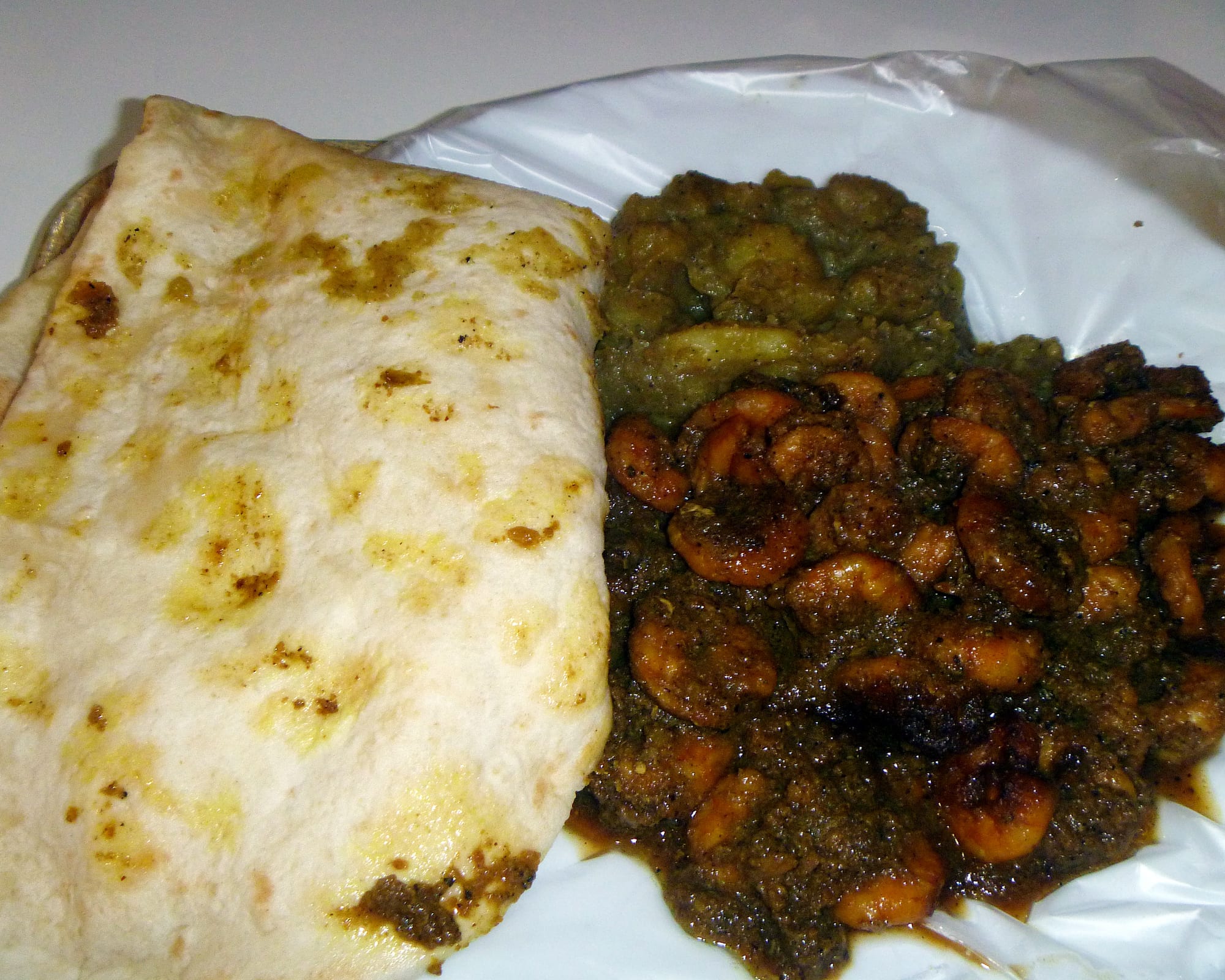
- Roti — a flatbread wrapped around curried meat, vegetables or
seafood, sold at dedicated roti shops nationwide.
- Pelau — rice cooked with meat, pigeon peas and coconut milk in one
pot, the meat first browned in caramelised sugar.
- Callaloo — a stew of dasheen (taro) leaves, okra and coconut milk,
often made with crab or pigtails.
- Bake and shark — fried dough served with fried shark meat, a
Maracas Bay beach specialty.
- Pholourie — fried, spiced balls of split-pea and flour dough,
served with chutney.
Drinks
Angostura bitters, first made in Angostura, Venezuela, in the 1820s and produced in Port of Spain since 1875, is one of the country's most famous exports. Sorrel, a hibiscus-based drink especially popular at Christmas, and rum, distilled locally, are also widely enjoyed.
Eating as a traveller
Vegetarians will find doubles and curried vegetable roti genuinely accessible given how central chickpeas and vegetables are to street food. Tap water is generally treated in urban areas, though bottled water is a common choice. Trying doubles from a roadside stand, especially at breakfast, is a genuine and widely loved way to eat as most Trinidadians actually do.
What to take from the table
Doubles, brought by Indian indentured labourers and now sold on nearly every street corner, is the dish that best shows Trinidad and Tobago's real food story: genuinely blended from every community that has ever called the islands home.