Culture & Customs · Trinidad and Tobago
Trinidad and Tobago: Pan, Picong and Rows of Lights
A plural country where African and Indian heritage meet on one calendar, Divali lamps and Hosay drums are part of national life, every conversation starts with good morning, and Carnival begins in the dark before dawn
By Globeway Editorial · 30 September 2026
It is six o'clock on the evening of Divali. In Hindu homes the prayers to Mother Lakshmi, goddess of prosperity, are just ending, and the lamps are being lit: dozens of small clay deyas filled with oil, set out in rows along walls, steps and garden paths. The word Divali itself means rows of lights. Neighbours who are not Hindu drift in to share the meal and the sweets, offices and banks have already held their own Divali programmes, and the day is a national holiday. A few months later the same streets may shake to steelbands, and a few weeks after that to the tassa drums of Hosay. Trinidad and Tobago keeps a calendar shared by people of African, Indian, European, Chinese and Middle Eastern descent, and much of its character lies in the way each community's great days have become, in some measure, everyone's.
Faith, identity and values
No single faith dominates. According to the US State Department, drawing on the most recent census, around 26 per cent of people are Protestant and about 22 per cent Roman Catholic, while some 18 per cent are Hindu and 5 per cent Muslim. Smaller communities include the Spiritual Baptists, about 6 per cent, an indigenous faith that fuses Protestant Christianity with rituals of African origin, and followers of Orisha, alongside Seventh-day Adventists, Rastafarians, Baha'is and others. People of African descent form the majority on Tobago; on Trinidad, people of Indian descent are the largest group, and roughly half of them are Hindu, the rest mostly Muslim, Presbyterian or Catholic. An Inter-Religious Organisation brings together Christian, Muslim, Hindu, Orisha and Baha'i bodies to speak on shared concerns.
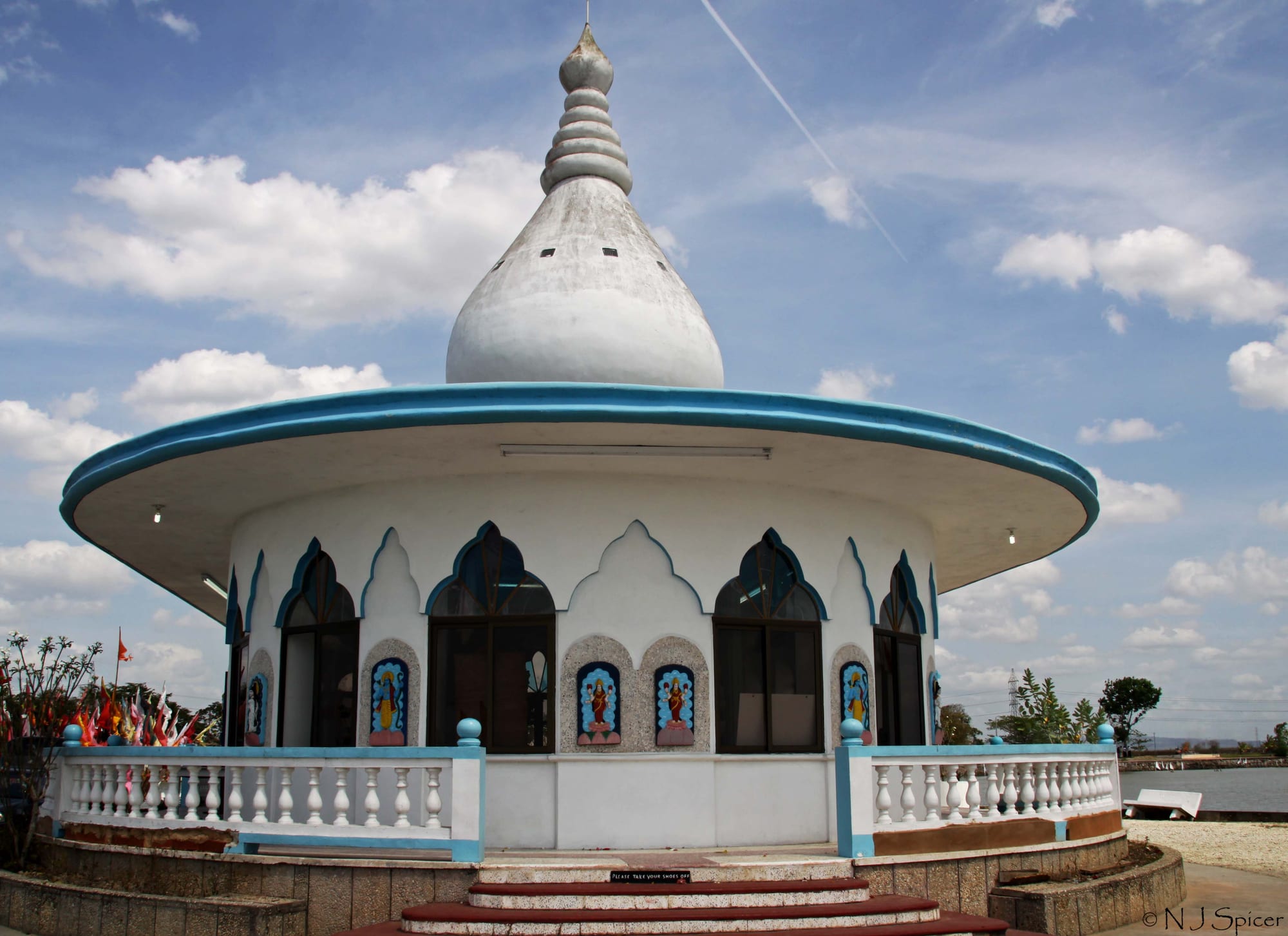
That diversity is written into public life. The national calendar marks Christian feasts such as Good Friday, Easter Monday, Corpus Christi and Christmas; the Hindu festival of Divali; the Muslim Eid ul-Fitr; Spiritual Baptist Liberation Day; Indian Arrival Day; and African Emancipation Day. Faith shapes everyday conduct too. Rough Guides observes that strong religious belief runs through daily behaviour, that public drunkenness is frowned upon and that couples tend to be undemonstrative in public, despite the country's reputation for exuberance at Carnival.
Courtesy is the other pillar. Politeness is valued highly, and Rough Guides notes that everything moves at a slower pace: people take longer to interact, to converse and to serve, and punctuality is treated flexibly. Using obscene language in public is against the law. Respect is also shown in the care with which each community's religious occasions are observed by others, from office Divali celebrations to the broad participation in the processions of Hosay.
Greetings and meeting people
The single most important habit to learn is the greeting. Before starting any conversation, whether in a shop, a taxi or when asking directions, local custom is to say "good morning", "good afternoon" or "good evening". Launching straight into a question without it comes across as abrupt, and Rough Guides advises acknowledging people with a greeting or at least a nod.
Conversation is prized as an art. The national vocabulary is full of words for its pleasures and pitfalls. A lime, in the definition of the National Library, is any informal socialising in a relaxed setting; to lime is to pass time together with no particular purpose. Mamaguy is deception by flattery. Picong, from the French for spicy, is a humorous duel in improvised verse between calypsonians, the winner judged by the wit of the replies, and the word has come to stand for the quick, teasing banter that visitors will hear wherever people gather.
Hospitality and being a guest
Much social life happens in the relaxed setting of the lime, whether on a porch, at a beach or around a pot of food, and visitors who are invited along are being offered something valued. Religious festivals are the great occasions of hospitality. At Divali, according to Discover Trinidad & Tobago, Hindu families welcome people of all faiths to share their meal and light deyas together, and sweets are distributed to neighbours and friends; the National Library notes that workplaces, schools and banks also hand out sweets and prasad, food blessed in worship, to staff and customers. Eid ul-Fitr is likewise a day of visiting: after prayers, families and friends call on one another and exchange gifts and greetings, and charity is given to those in need.
Visitors who are invited to such occasions do well to accept what is offered with thanks, and to follow the lead of their hosts on where to sit and when to begin. Dress for places of worship and religious gatherings is modest, and beachwear belongs on the beach: Rough Guides points out that swimwear is for the shore only and that nude and topless bathing are prohibited. In restaurants, a tip of 10 to 15 per cent is usual where a service charge has not already been added.
Festivals and life's big moments
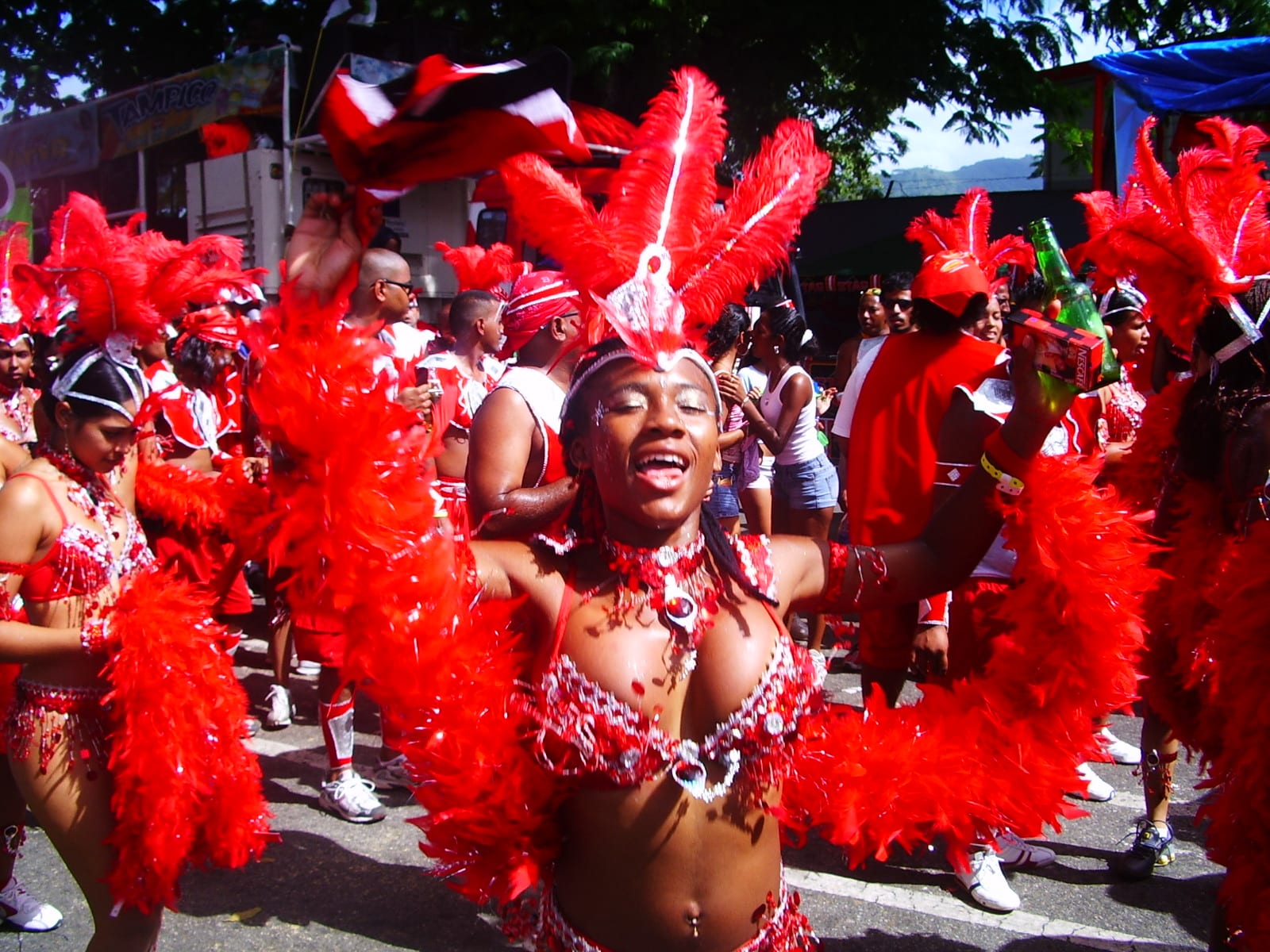
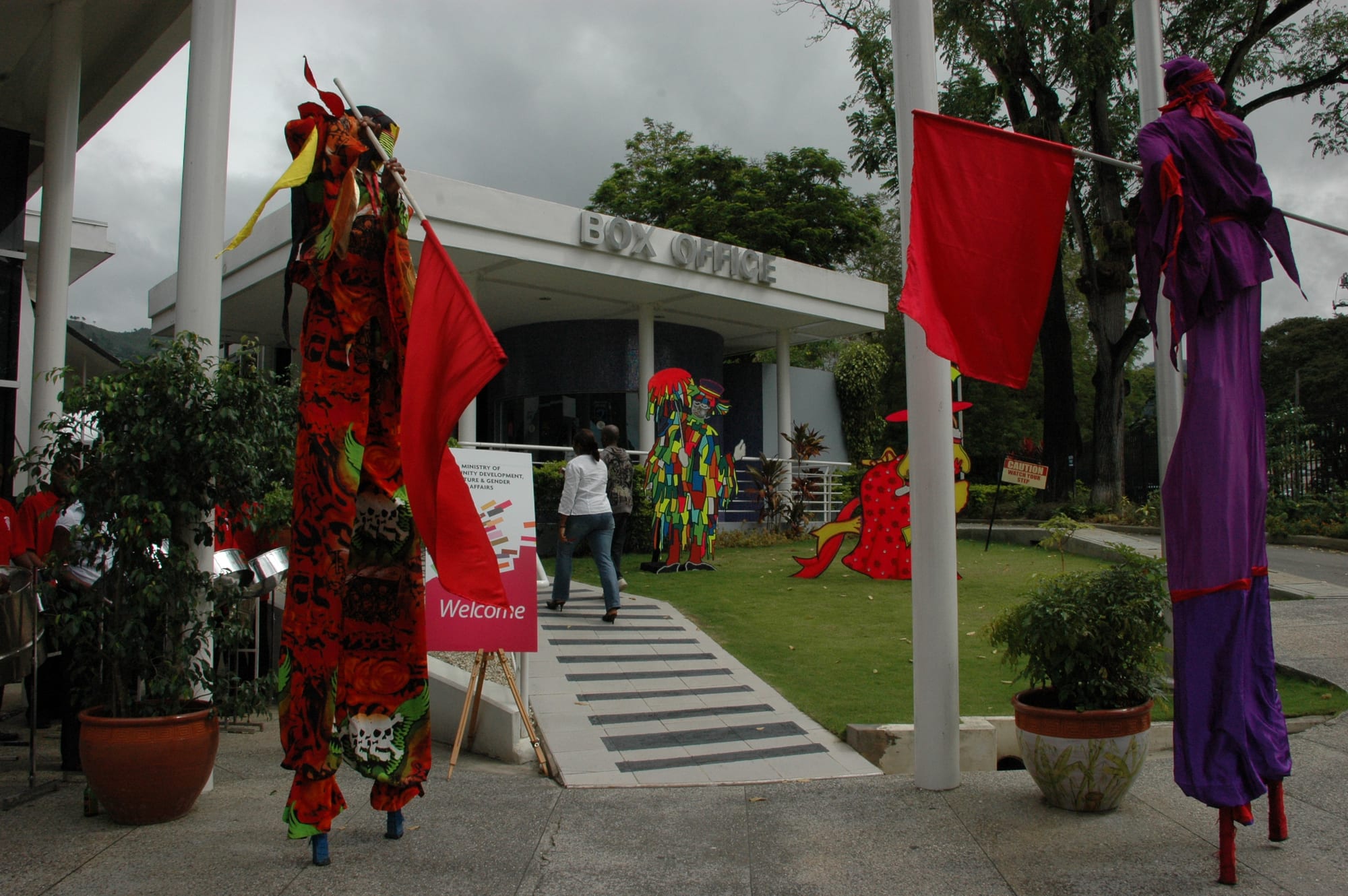
Carnival is the most spectacular event of the year. The National Library describes its evolution over two centuries from an exclusive affair of masked balls into an all-inclusive national festival, shaped decisively by the freed Africans who made it an expression of their liberty after emancipation. Carnival Monday and Tuesday, before Ash Wednesday, are not official holidays, but most businesses close. The festivities begin with J'ouvert, from the French patois for daybreak, which traditionally begins between about two and four in the morning on Carnival Monday, when revellers in mud, paint and old clothes take to the streets. Traditional characters still appear among the costumed bands: the Moko Jumbie, a dancer on tall stilts whose masquerade comes from West African tradition, and the Midnight Robber, in his wide-brimmed hat, declaiming boastful "robber talk" in a style traced to the West African griot.
Indian heritage has its own great occasions. Divali is preceded by Ramleela, performances of the Ramayana staged in communities across the country, ending with the burning of an effigy of the demon king Ravana as a sign that good overcomes evil. The Divali Nagar, run by the National Council of Indian Culture, hosts cultural and religious events in the days before the festival. Indian Arrival Day, on 30 May, marks the landing of the first indentured labourers from India in 1845, with re-enactments of the ship's arrival on beaches around the country. Eid ul-Fitr opens with congregational prayer in mosques or open grounds, and women often decorate their hands with henna for the day.
Hosay is a commemoration rather than a celebration. Rooted in Shia Islam, it marks the martyrdom of Hussein, grandson of the Prophet, at Karbala, and was brought to Trinidad by indentured workers from India. The National Library records that it began as an Indian observance in which both Muslims and Hindus took part, and that it evolved to include the wider community. Over its final days come Flag Night, the processions of small and large tadjahs, elaborate model tombs built of wood and paper, and the dancing of the crescent-shaped moons, all to the sound of tassa drums; at the end, the tadjahs are taken to the sea and immersed.
Family milestones carry the marks of each tradition. At a Hindu wedding, as the Trinidad Guardian describes it, turmeric paste is applied to bride and groom a couple of days beforehand and washed off in a ritual bath; on the day, the groom arrives in procession with music, the bride is given away, the couple take seven steps together to complete the marriage, and the groom places vermilion powder in the parting of the bride's hair. The bride's hands and feet are traditionally decorated with henna. Funerals reflect the country's many roots. Among Afro-Trinidadians, the wake and the gatherings of the nine nights that follow a death draw on West African tradition, as the academic Joy Mahabir has written in the Trinidad Express; many Hindu families favour open-air cremation on a pyre, traditionally lit by the eldest son.
Arts, crafts and music
Calypso is the country's great song form. The National Library notes that its older name, kaiso, is most often traced to a West African expression of approval, and that the word is still called out to praise a calypso well sung. Its most prestigious contest was called the Calypso King competition until 1978, when Calypso Rose became the first woman to win it and it was renamed the Calypso Monarch. In the 1970s the calypsonian Lord Shorty began fusing the calypso beat with East Indian rhythms and instruments such as the dholak, tabla and dhantal, creating soca, which has since taken over the Carnival party scene and spawned chutney soca and ragga soca in turn, alongside rapso.
The steelpan is the national instrument, indigenous to Trinidad and Tobago and, in the Foreign Ministry's description, capable of playing anything from the simplest melody to the most complex orchestral arrangement. Combined into steel orchestras, pans play calypso, jazz, pop and European classical music alike. The steelband competition known as Panorama has been held since 1963 and remains the musical high point of the Carnival season.
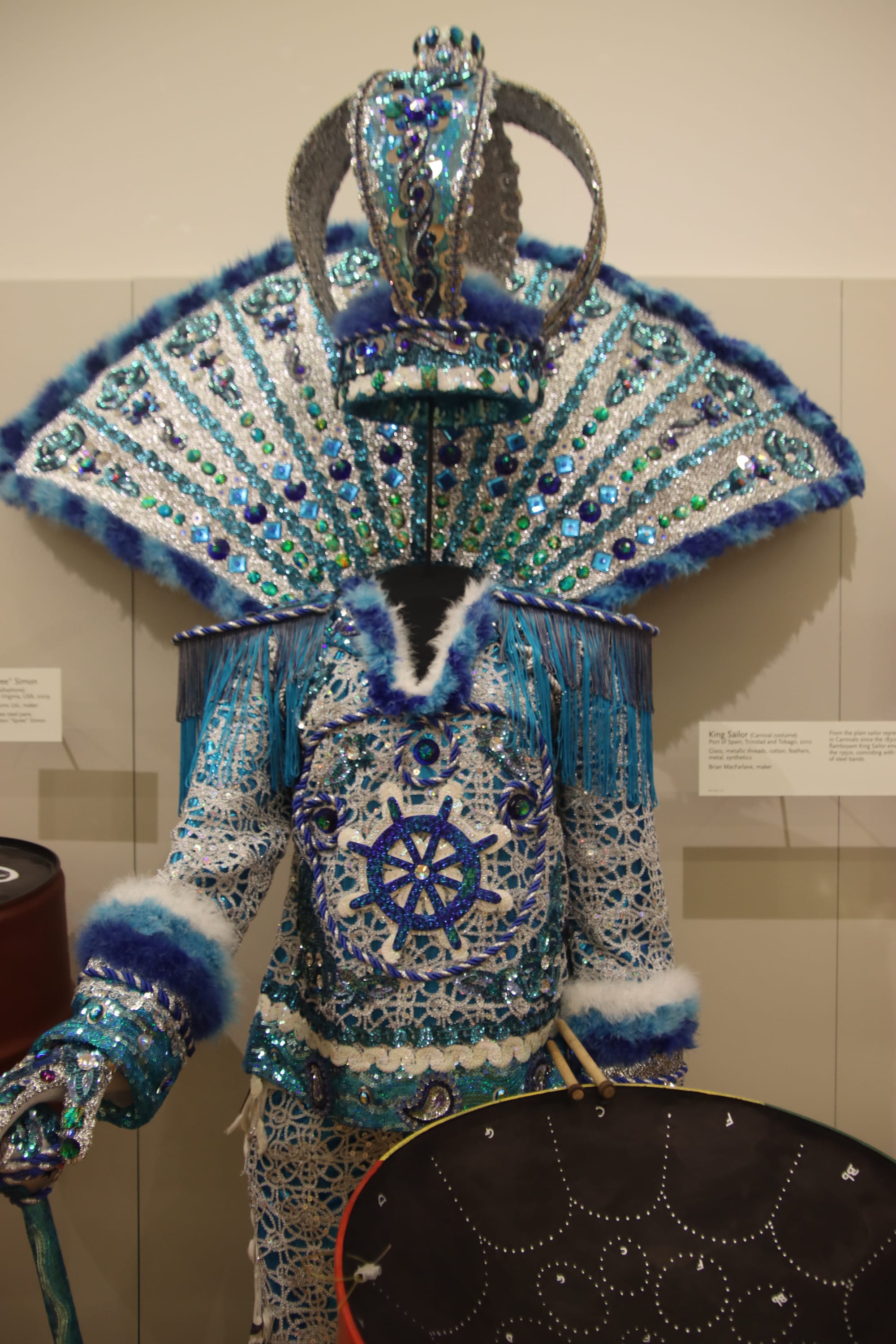
Costume making, or mas, is an art in its own right. The great bandleaders design their presentations in their own mas camps, and the National Library's accounts of them describe headpieces and costumes worked in bent wire and papier mâché. Traditional characters are often passed down within families: one person may play the same persona year after year, learning its traditions by word of mouth. Indian traditions add their own arts, from the tassa drumming of Hosay to the dance and costume of Ramleela.
Dos and don'ts for visitors
- Do say "good morning" or "good afternoon" before asking anything, whether in a shop, a taxi or an office.
- Do be patient; service and conversation move at an unhurried pace, and punctuality is flexible.
- Do accept an invitation to share a Divali meal or an Eid visit, and dress modestly for religious occasions.
- Do treat Hosay as a solemn commemoration of a martyrdom, not a street party.
- Do keep swimwear for the beach; nude and topless bathing are prohibited.
- Don't wear camouflage or military-pattern clothing, which is illegal for civilians.
- Don't use obscene language in public, which is against the law.
- Do check whether a service charge has been added before leaving a restaurant tip.
What to take away
Trinidad and Tobago's customs grow out of many peoples sharing one small country, and visitors who greet everyone first, laugh at the picong and honour each community's festivals with equal respect will find themselves welcomed into the lime.