Attractions & Natural Wonders · Tunisia
Tunisia: Six Attractions and Natural Wonders
One of the biggest Roman amphitheatres ever built, a blue-and-white clifftop village that inspired painters for a century, and the ruins of a once-great empire that fought Rome in three Punic Wars
By Worldlore Editorial · 30 September 2026
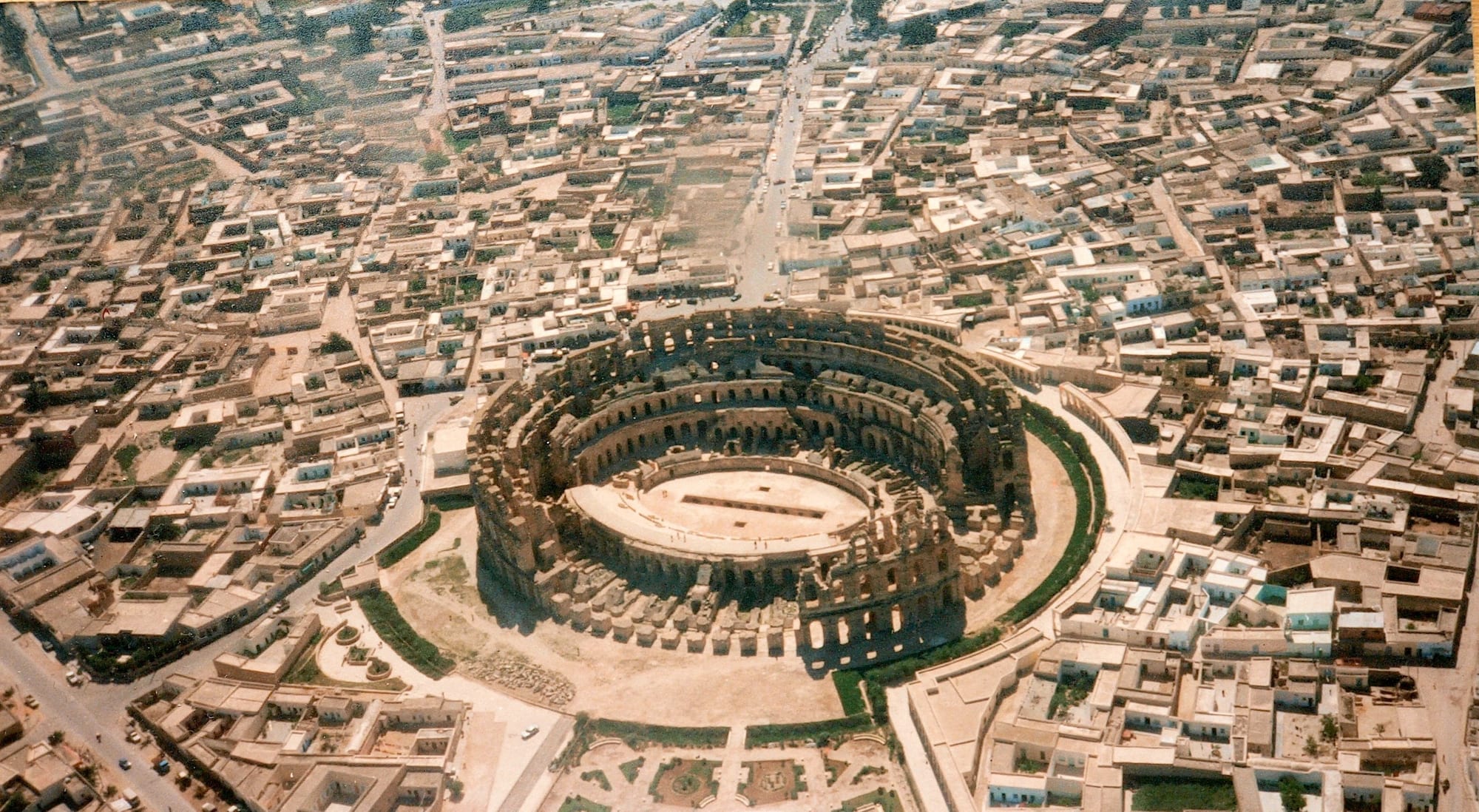
Ancient empires at the crossroads of the Mediterranean
Tunisia, the smallest country in North Africa's Maghreb region, sits at a historic crossroads that made it home first to the great Carthaginian Empire, which fought Rome in the three Punic Wars, and later to some of the finest Roman provincial architecture anywhere outside Italy itself. Layers of Phoenician, Roman, Arab, and French colonial history sit alongside blue-and-white coastal villages and the northern reaches of the Sahara desert in the country's south.
The six below run from the ancient sites near Tunis to the Sahara in the south. Spring and autumn generally offer the most comfortable weather for sightseeing.
1. The Amphitheatre of El Djem
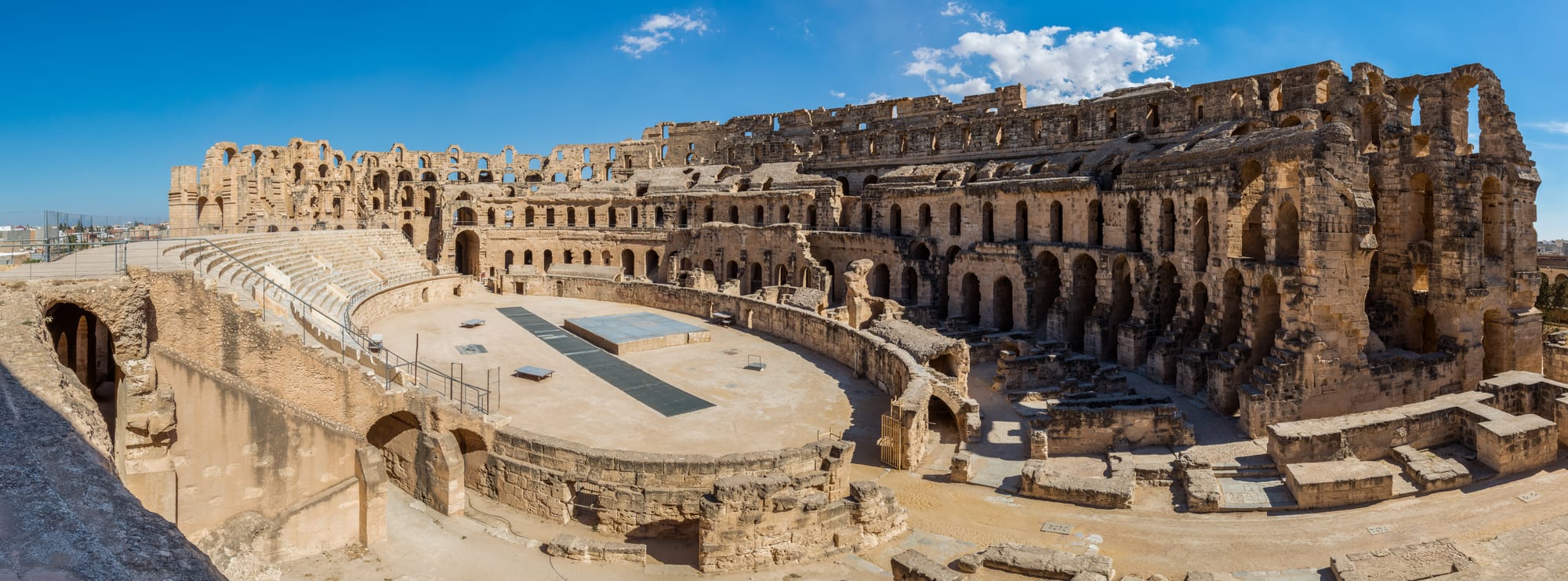
The amphitheatre at El Djem, built around AD 238 in the Roman city of Thysdrus, could hold an estimated 35,000 spectators and is one of the biggest and best-preserved Roman amphitheatres in the world, despite sitting in what is now a relatively modest Tunisian town. A UNESCO World Heritage Site, its remarkably intact structure has made it a popular film location, including scenes in Monty Python's Life of Brian.
2. Sidi Bou Said
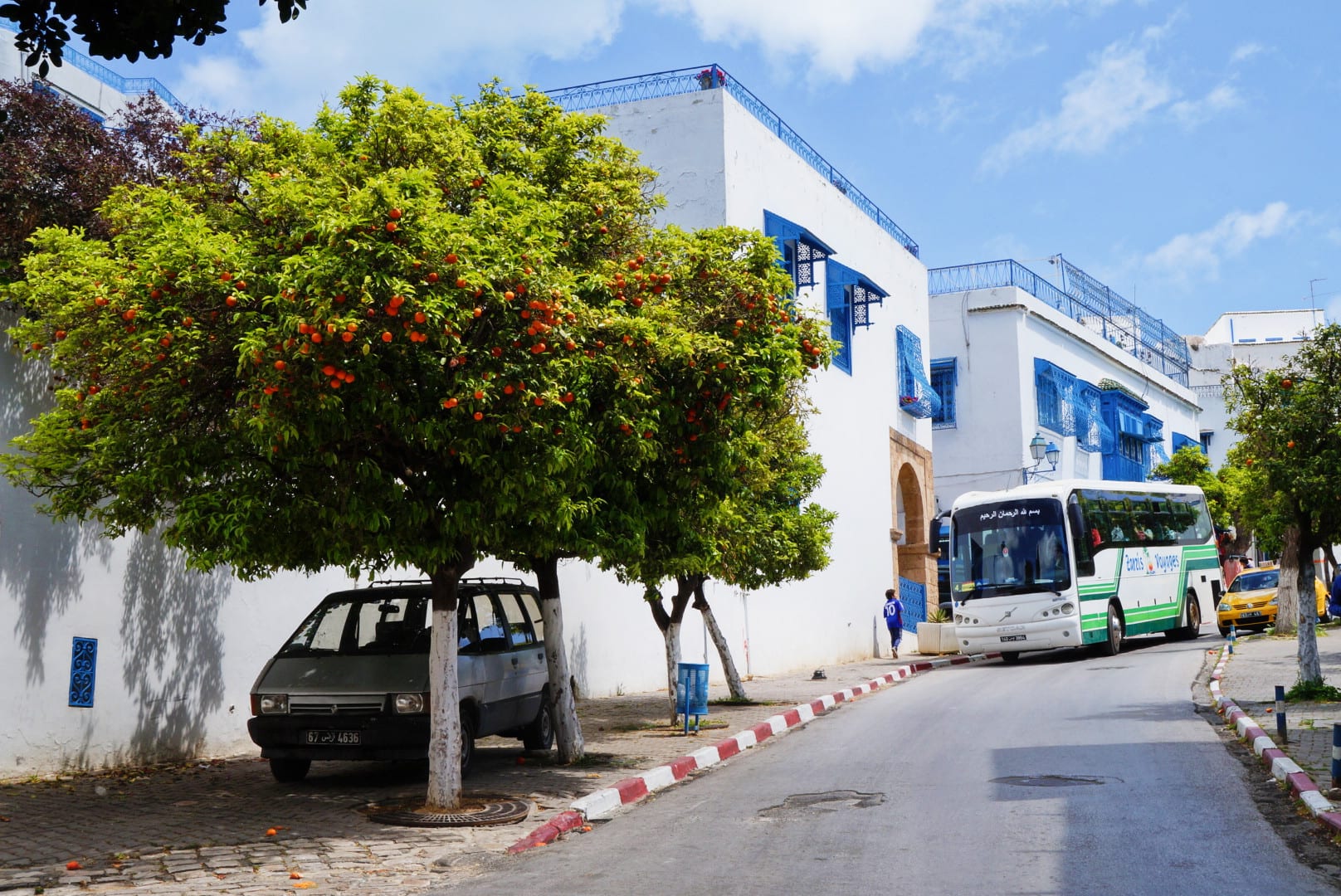
Sidi Bou Said, perched on a clifftop above the Gulf of Tunis, is known for its blue-and-white colour scheme, popularised in the 1920s by the French painter and musicologist Baron Rodolphe d'Erlanger, whose palace here, Ennejma Ezzahra, is now a music museum. Painters including Paul Klee and August Macke were among the artists drawn to the village. Its cobbled lanes, ornate doorways, and sweeping sea views have made it one of Tunisia's most visited destinations.
3. Carthage
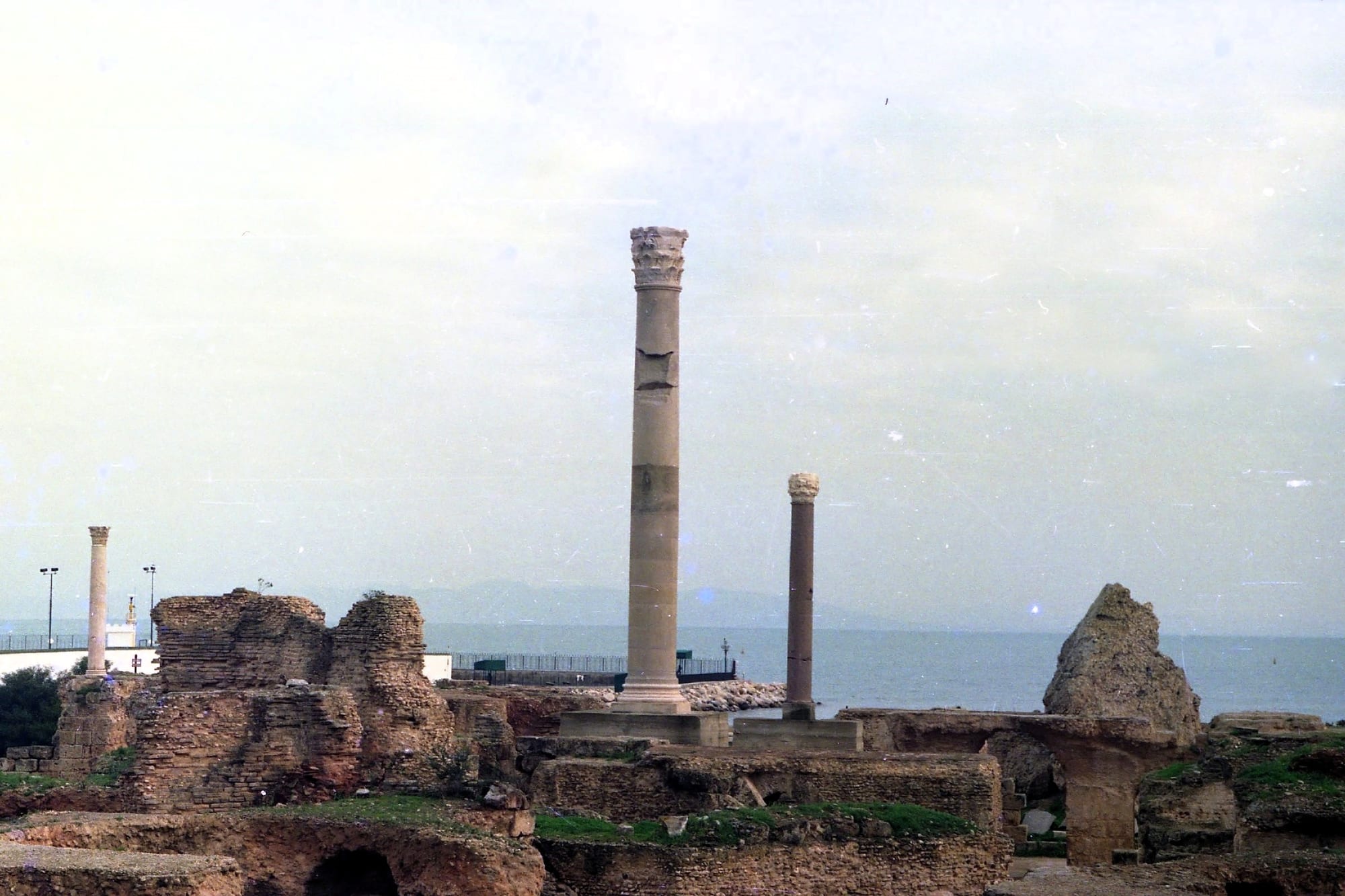
Carthage, once the capital of a powerful ancient empire that rivalled and fought Rome directly in the Punic Wars before its eventual destruction in 146 BC, was later rebuilt as a major Roman city — the ruins visible today, including the Antonine Baths, largely date to this Roman-era reconstruction. A UNESCO World Heritage Site, it sits within easy reach of modern Tunis.
4. Carthage's Mediterranean setting
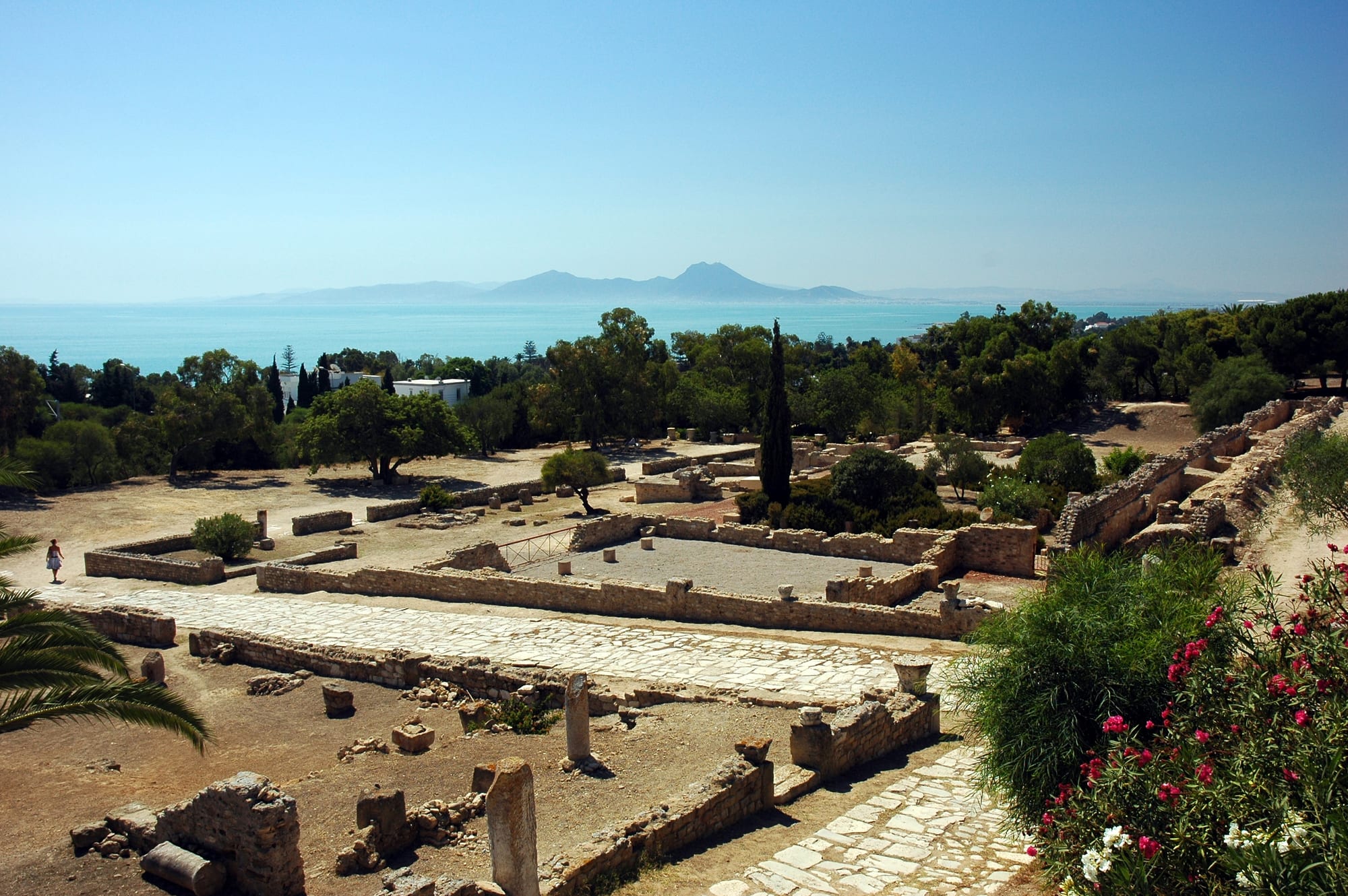
Carthage's ruins are scattered across a scenic stretch of coastline just outside Tunis, combining archaeological interest with sweeping Mediterranean views — a combination that has made the site as much a pleasant seaside outing as a serious historical visit for many who come here.
5. The Tunisian Sahara
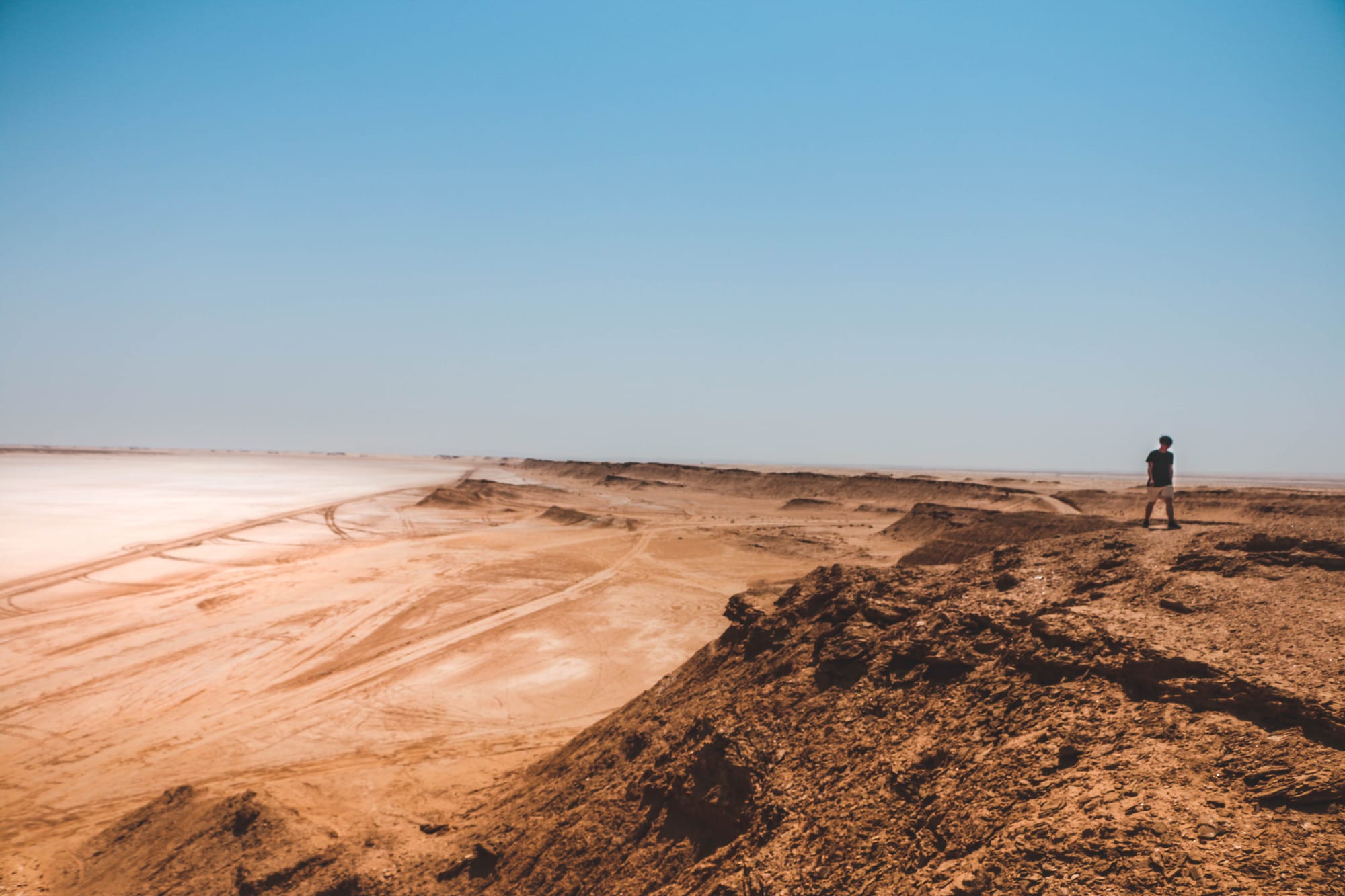
Southern Tunisia holds a substantial stretch of the Sahara, including the dunes around Douz (sometimes called the "gateway to the Sahara") and the underground troglodyte dwellings of Matmata, carved directly into the earth and used as a filming location for Star Wars (1977). Camel treks and desert camps here offer an accessible taste of Saharan travel without the logistics of a deeper desert expedition.
6. The Medina of Tunis
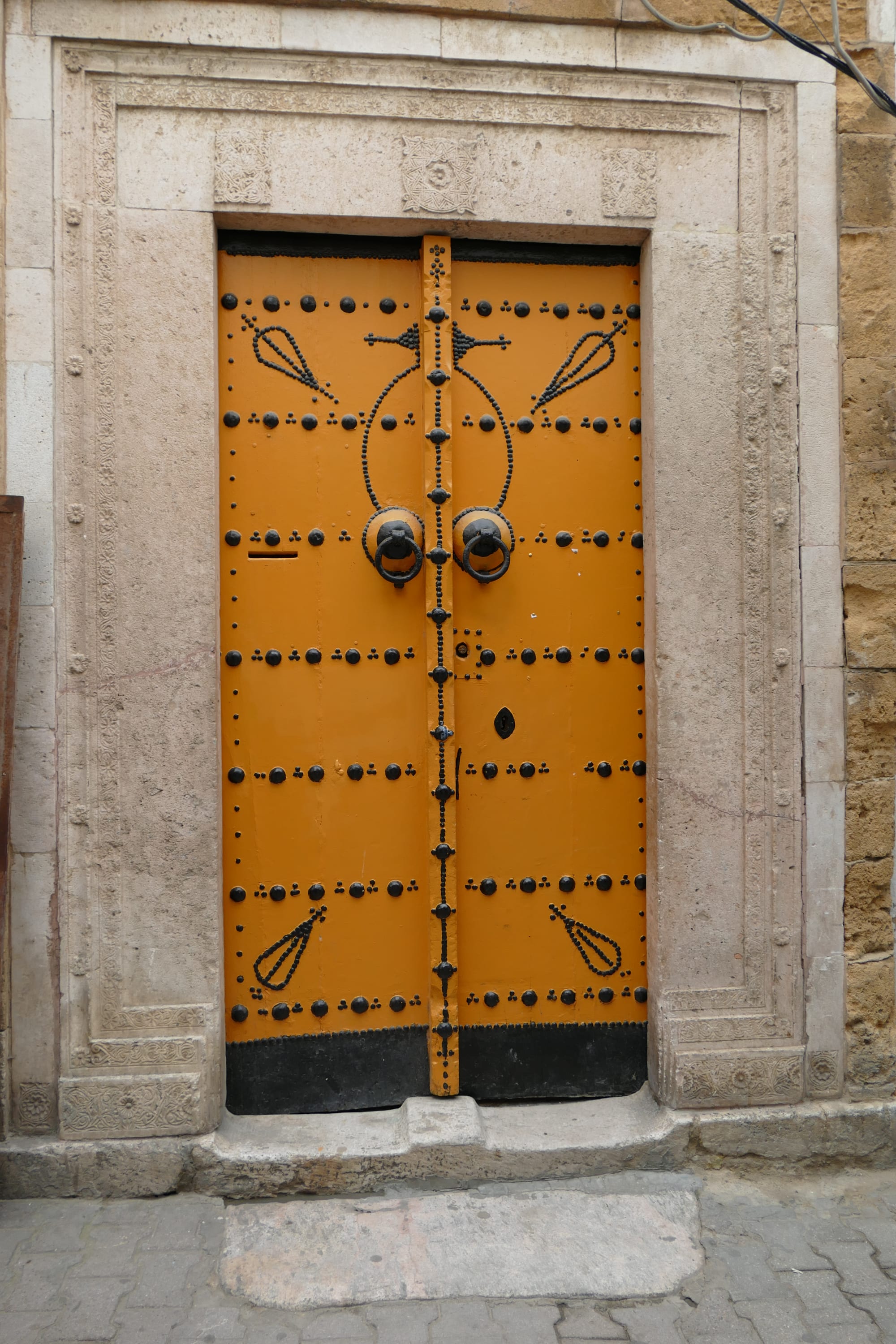
The medina of Tunis, a UNESCO World Heritage Site since 1979, preserves some 700 monuments, from palaces and mosques to madrasas and fountains — a dense maze of souks, mosques, and ornately decorated doorways that has grown around the Zitouna Mosque since its founding in 698.
Tunisia suits a week to ten days combining Tunis and its nearby ancient sites with a trip south to the Sahara, with the country's compact size making most connections manageable by car or organised tour.