Food · Turkey
Turkey: Food and the National Dish
Meat cooked slowly on a vertical spit and sliced to order, a dish born from Ottoman kitchens now eaten worldwide
By Worldlore Editorial · 30 September 2026
A cuisine built on Ottoman kitchens and a genuinely vast empire
Turkish food carries the culinary legacy of the Ottoman Empire, whose palace kitchens in Istanbul drew ingredients and techniques from a territory spanning three continents, producing a cuisine that has since spread its own dishes back out across the world.
The national dish: döner kebab
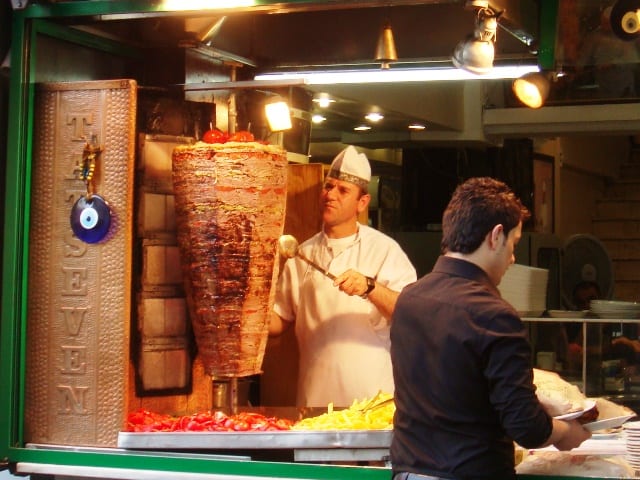
Döner kebab, seasoned meat, traditionally lamb or beef, stacked and cooked slowly on a vertical rotating spit, then sliced thin and served in bread or over rice, is often called Turkey's national dish, though the country has no official one. Its vertical spit was invented in the 19th-century Ottoman Empire, with the Anatolian city of Bursa often considered its birthplace, and döner kebab has since spread internationally, becoming one of the most widely eaten fast foods in the world under various names, though its origin in Turkish cooking technique remains well established.
Lamb, yoghurt and a genuinely wide-ranging pantry
Although kebabs dominate Turkish food abroad, everyday meals in Turkey centre on rice, vegetables and bread, with lamb, chicken and beef, yoghurt served alongside many dishes, and spices such as cumin, red pepper and mint. Eggplant, tomato and peppers, cooked in countless regional preparations, round out a pantry shaped by both Ottoman palace cooking and Anatolia's own long farming tradition.
History behind the spit
Döner kebab's vertical-spit cooking method is traced to the 19th century, when, by one family's account, İskender Efendi in 1850s Bursa began roasting lamb upright rather than on a horizontal spit. The dish's spread abroad, particularly through Turkish immigrant communities in Germany from the early 1970s onward, transformed it into a genuinely global fast food while it remained, and remains, a defining everyday dish within Turkey itself.
Dishes to know
Five more to recognise across Turkey:
- Baklava — layered filo pastry filled with nuts and soaked in syrup,
a dessert with deep Ottoman-era roots.
- Meze — a spread of small dishes, dips and salads, served before a
main meal.
- Köfte — grilled or fried meatballs, seasoned and shaped differently
from region to region.
- Manti — small dumplings filled with meat, topped with yoghurt and
garlic sauce.
- Simit — a circular, sesame-crusted bread, a genuine everyday street
food sold from carts nationwide.
Drinks
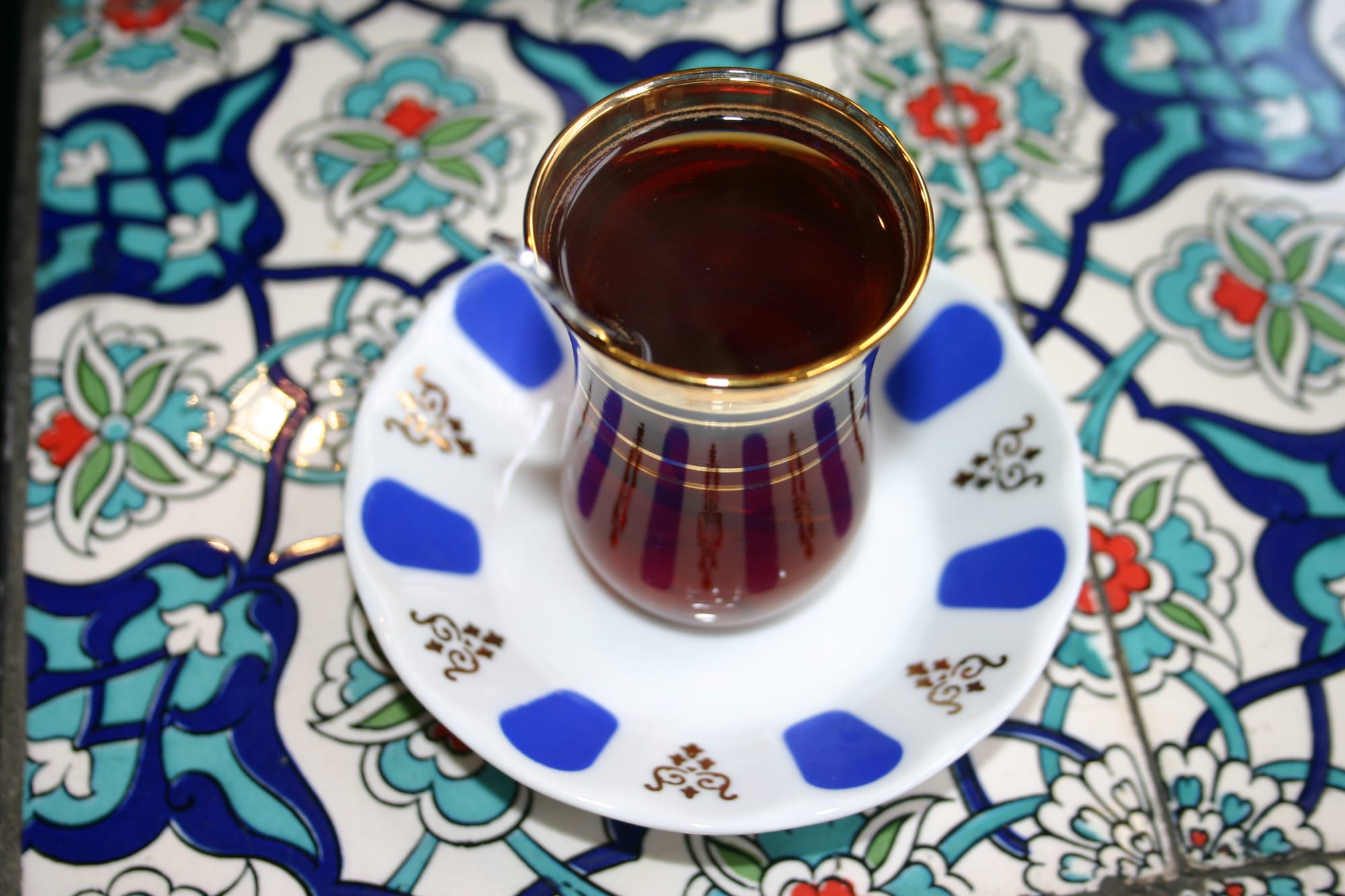
Turkish tea, brewed strong in two stacked teapots and served in small, tulip-shaped glasses, is a daily ritual central to Turkish hospitality and social life. Turkish coffee, brewed unfiltered in a small pot, and ayran, a salted yoghurt drink, are also widely enjoyed. Rakı, an aniseed spirit, is the most popular alcoholic drink.
Eating as a traveller
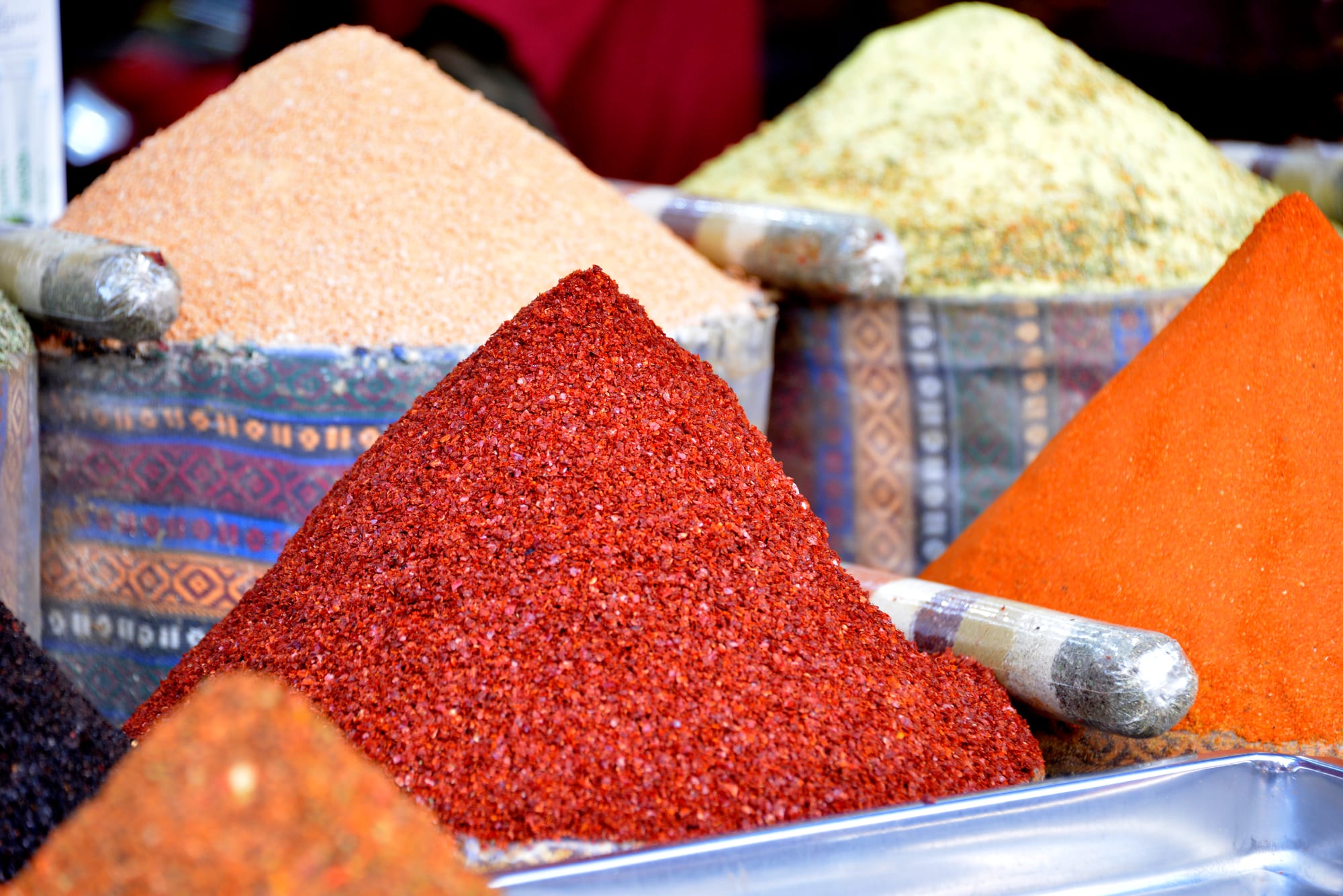
Vegetarians will find meze, bread and vegetable-based dishes manageable, though meat is central to much of everyday Turkish cooking. Tap water is chlorinated, but bottled water is the usual choice. Visiting Istanbul's Spice Bazaar offers a genuine look at the spices and ingredients behind Turkish cooking's Ottoman-era depth.
What to take from the table
Döner kebab, sliced from a vertical spit and now eaten worldwide, captures Turkey's food story well: a cuisine confident enough in its own techniques to reshape how much of the world eats fast food today.