Food · Uganda
Uganda: Food and the National Dish
Steamed and mashed green bananas, a staple so central that its local name doubles as the word for food itself
By Worldlore Editorial · 30 September 2026
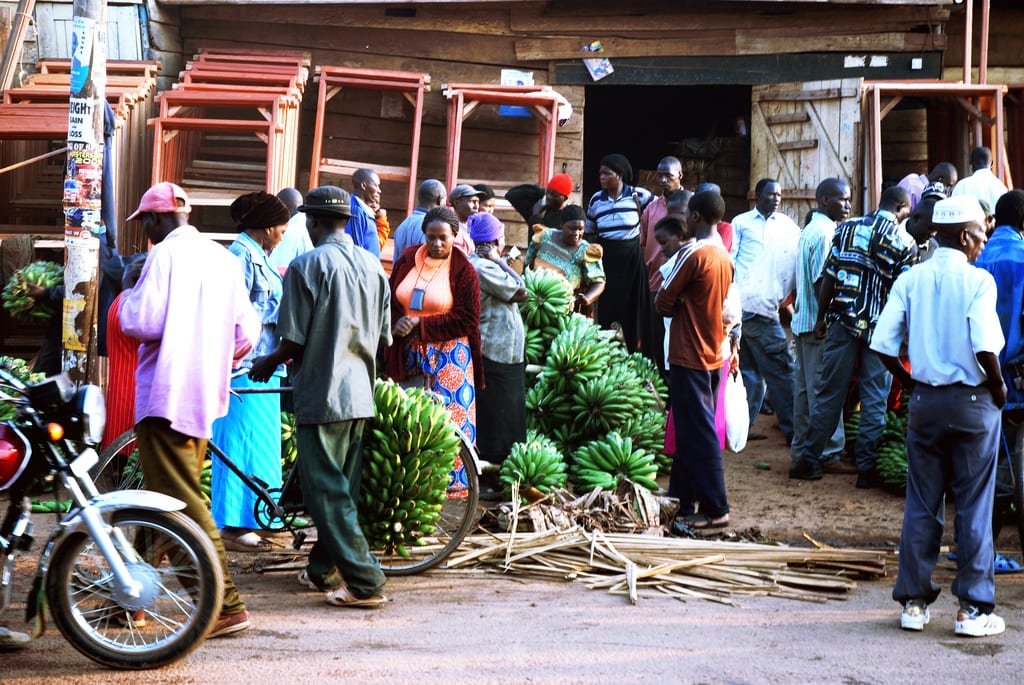
A cuisine built on one of the world's great banana harvests
Uganda's fertile soil and climate make it one of the world's largest banana producers, and that abundance shows directly in the country's food identity, built around a starchy cooking banana eaten so often that its local name, matoke, is sometimes used interchangeably with the word for food itself.
The national dish: matoke
Matoke, green (unripe) East African Highland cooking bananas peeled, wrapped in their own leaves and steamed until soft, then mashed into a smooth, starchy dish, is considered Uganda's national dish, as it is in neighbouring Rwanda. Served with a sauce, often groundnut, bean, fish or meat-based, matoke is eaten daily across much of the country and holds cultural significance deep enough that the term is genuinely used by some Ugandans as a stand-in word for a proper meal.
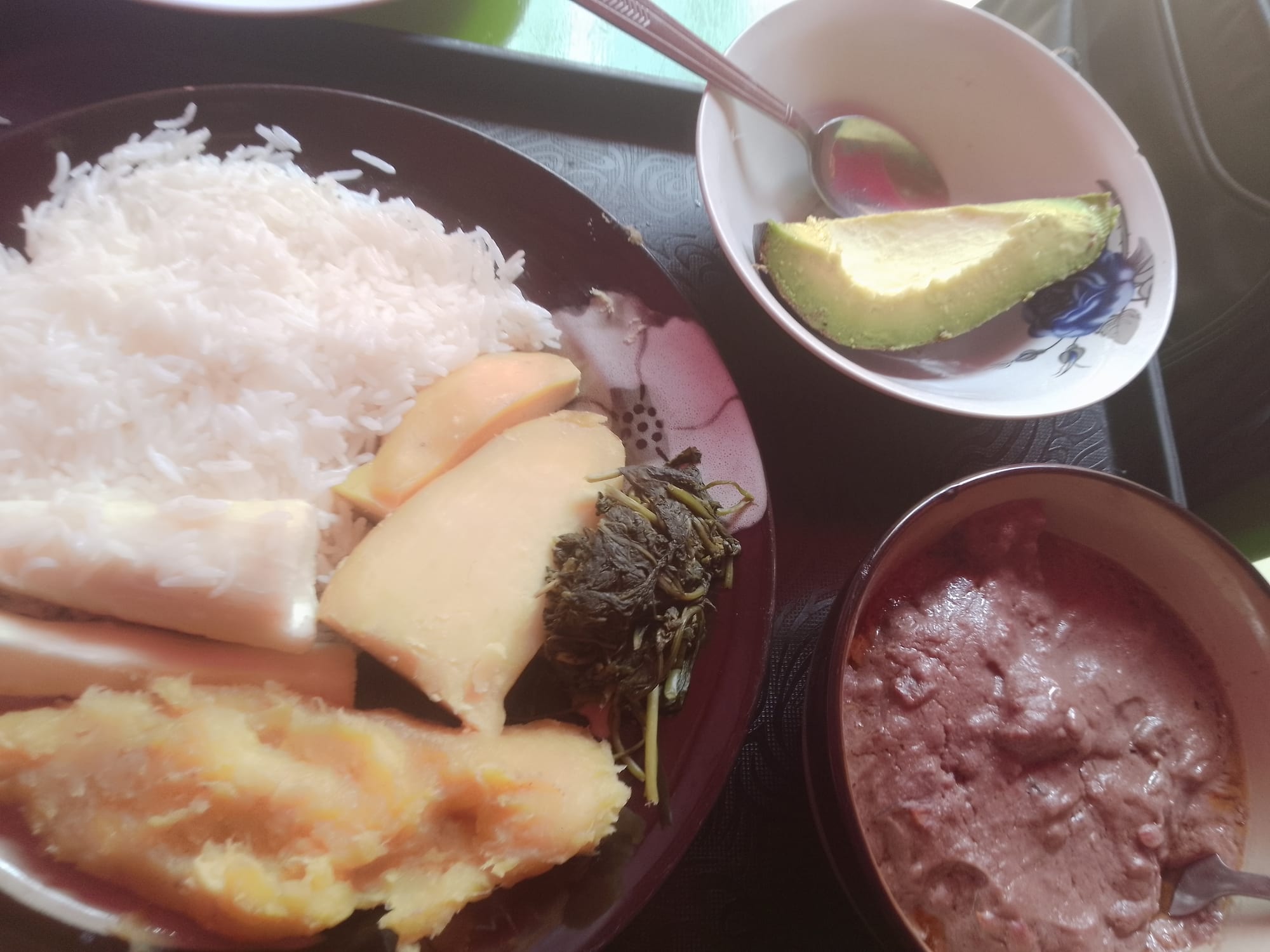
Bananas, groundnuts and a genuinely fertile pantry
Bananas, in matoke and other forms, and groundnuts anchor much of Ugandan cooking, alongside cassava, sweet potato and a wide range of leafy greens. Beef, goat and freshwater fish from Lake Victoria round out a pantry shaped by the country's genuinely fertile, well-watered farmland.
History behind the staple
Bananas, which reached Africa from Southeast Asia during the first centuries AD, have been cultivated in the Great Lakes region of East Africa for well over a thousand years, with Uganda's climate and soil proving especially suited to the crop, helping the country become one of the world's largest banana producers, though it exports few. Matoke's steaming method, using the banana's own leaves to wrap and cook the dish, reflects a farming and cooking tradition developed in the region over that long history.
Dishes to know
Five more to recognise across Uganda:
- Luwombo — a stew of chicken, beef, fish or groundnuts with
mushrooms, steamed in smoked banana leaves; a Buganda dish once reserved for kings and princes.
- Posho (ugali) — a stiff maize-meal dish, a staple alongside matoke in many
households.
- Rolex — a chapati rolled around an egg omelette and vegetables, a
hugely popular street-food snack.
- Groundnut sauce — a peanut-based sauce, served over matoke, rice or
cassava.
- Malewa — smoked, dried bamboo shoots, a specialty of eastern
Uganda around Mount Elgon.
Drinks
Tea and coffee are popular daily drinks and important cash crops, coffee being the country's leading export. Waragi, the local name for distilled spirits, best known through the Uganda Waragi gin brand, and fresh tropical fruit juices are also commonly consumed.
Eating as a traveller
Vegetarians will find matoke, cassava and vegetable-based dishes manageable, though meat and fish are common across much of everyday cooking. Tap water is not reliably safe outside major hotels; bottled water is the safer default. Trying a rolex from a roadside stand, especially in Kampala, is a genuine and widely loved way to eat as Ugandans do.
What to take from the table
Matoke, steamed in its own leaves and eaten daily across the country, is the dish that most directly reflects Uganda's food identity: built from one of the world's great banana harvests.