Culture & Customs · Uganda
Uganda: The Introduction and the Bark Cloth
A deeply religious country of many peoples and kingdoms, where greetings come before business, families are formally introduced before a marriage, and one of humanity's oldest crafts is still worn at the most important moments of life
By Globeway Editorial · 30 September 2026
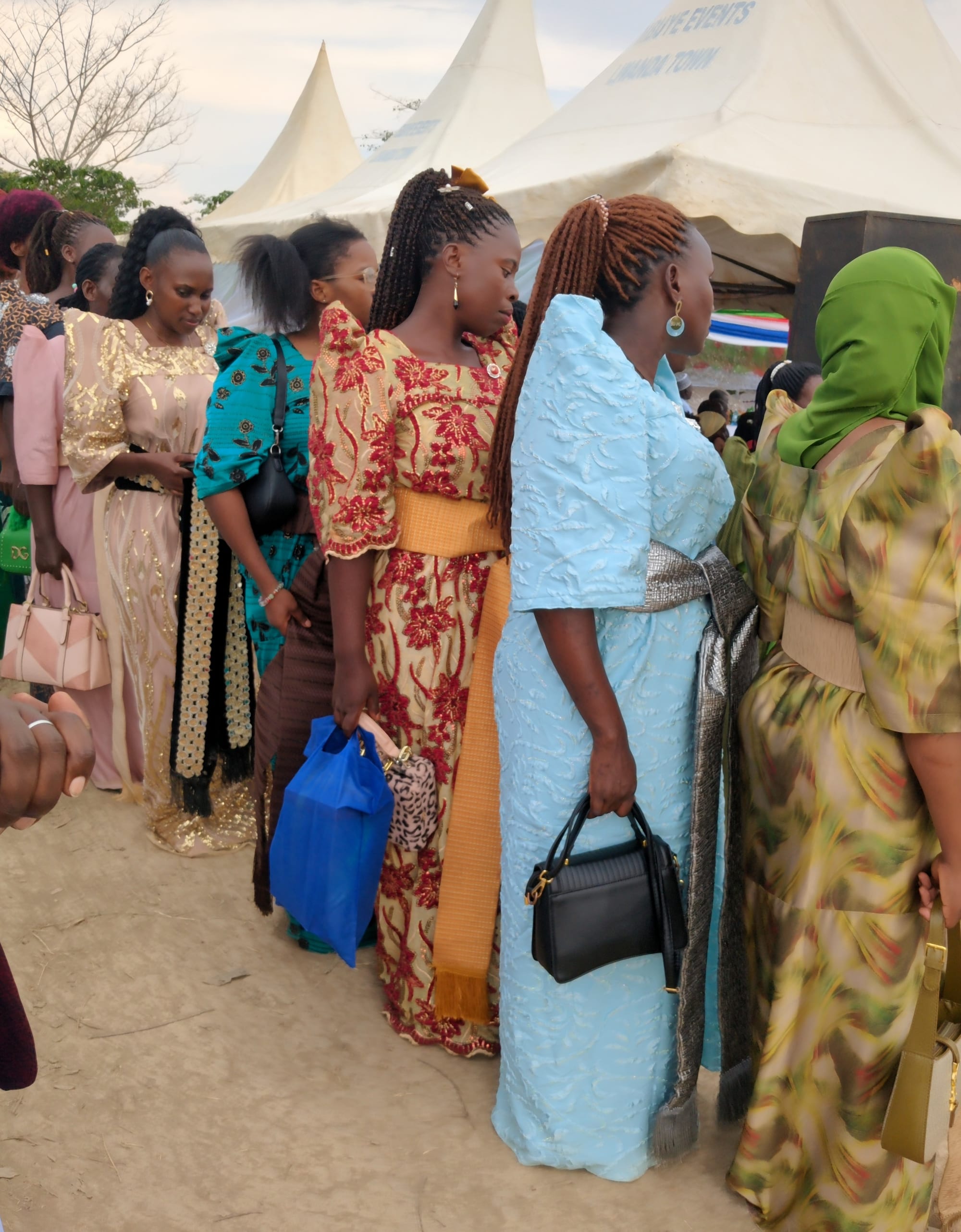
A procession of guests arrives at a family compound on the day of an introduction. The women wear gomesi, floor-length dresses with sharply peaked shoulders and a broad sash at the waist; the men wear the kanzu, a long white robe, often with a jacket over it. The visitors are the groom's family, and they have come to be formally presented to the family of the bride. Speeches are made by appointed spokesmen, gifts are carried in, and the bride's paternal aunt watches over proceedings with an authority no one would question. A marriage in Uganda is not only the joining of two people but the meeting of two families, and the ceremony is conducted with the patience, courtesy and sense of occasion that shape so much of Ugandan social life.
Faith, identity and values
Uganda is one of the most religious countries in Africa. In the 2024 national census, around eight in ten Ugandans identified as Christian: Catholics were the largest group at 37.4 per cent, followed by Anglicans at 30 per cent and a fast-growing Pentecostal community at 14.7 per cent. Muslims are the largest minority, at around 13 per cent in the same census, though the Uganda Muslim Supreme Council puts the figure higher. Smaller communities include Seventh-day Adventists, Baptists, Orthodox Christians, Hindus of Indian descent, Bahá'ís and a small Jewish community, and many people also hold to Indigenous beliefs and practices alongside the major faiths. The constitution declares that there is no state religion.
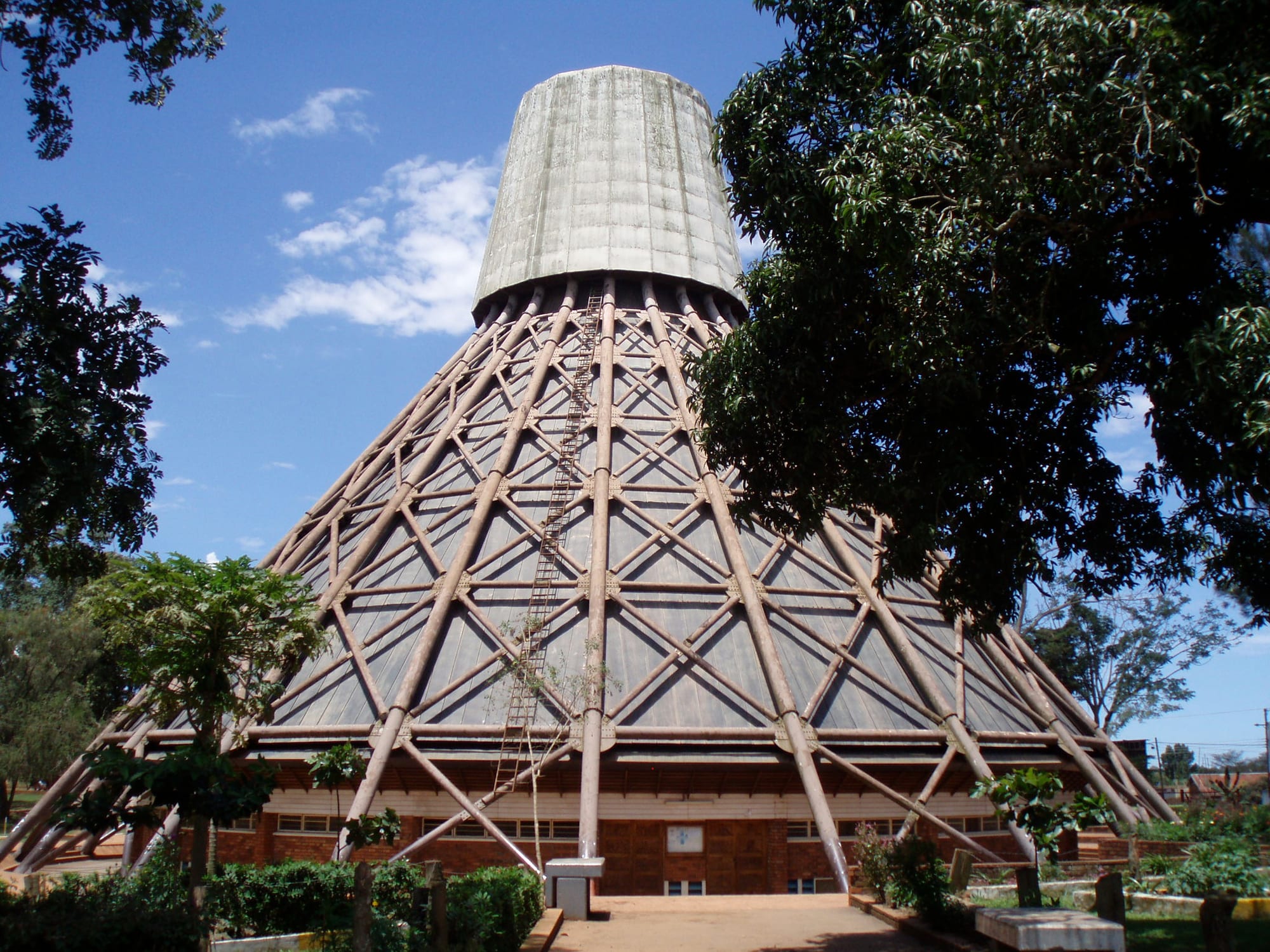
Identity in Uganda is layered. The country is home to dozens of peoples speaking more than forty languages, and alongside national identity many Ugandans feel a strong attachment to their ethnic community, clan and, in several parts of the country, a traditional kingdom or cultural institution. The kingdoms have no political power today, but their rulers and ceremonies remain important markers of belonging and continuity, and clan structures still guide marriage, inheritance and funerals.
Across these communities, a handful of values recur. Respect for elders and for seniority is fundamental, and it shows in who is greeted first, who speaks, and how younger people carry themselves. The extended family is the basic unit of support. Hospitality is expected rather than optional. Communication tends to be warm but indirect: according to the cross-cultural consultancy Commisceo, a positive answer may express goodwill or respect without meaning that every practical detail has been agreed, and humour about ethnicity, religion, poverty, family or politics is best avoided.
Greetings and meeting people
Greeting properly is the first courtesy in Uganda, and it comes before any business. A handshake is the usual greeting, often held for some time during an exchange of enquiries about health, family and work; it is polite to let the Ugandan person set the length and style of the handshake. The oldest or most senior person present is greeted first. Titles matter: Doctor, Professor, Engineer and official titles such as Honourable are widely used, as are religious titles such as Pastor. In Luganda, the most widely spoken local language around the capital, "Oli otya?" means "How are you?", answered with "Gyendi" or "Bulungi" — "I am well" or "fine".
Among the Baganda, the country's largest ethnic group, kneeling is a traditional mark of respect. Women have traditionally knelt when greeting men and elders and when serving food, and children of both sexes kneel to greet their elders — at home, on the roadside or in public places. The custom is now openly debated. Younger Ugandans interviewed by African Arguments described choosing whom to kneel for, and one young designer summed up the tension: "Sometimes I knelt, but inside I was standing." Visitors are not expected to kneel, but it helps to recognise the gesture as courtesy when it is offered.
Names can carry social meaning of their own. Among several peoples of western Uganda, the Empaako tradition gives each child one of a small set of shared praise names, which are used in greetings to express affection and respect. Cross-gender greetings vary with religion and personal preference, so it is sensible to wait and see whether a hand is offered.
Hospitality and being a guest
Visitors who drop by at mealtime are traditionally expected to join the family at the table, and refusing everything can seem unfriendly: accepting at least a little food or drink communicates appreciation. In many homes, when the food is ready, household members wash their hands and sit together on mats on the floor, and a short prayer is said before eating. It is polite to compliment the cook afterwards and to stay on for conversation rather than leaving as soon as the meal is over.
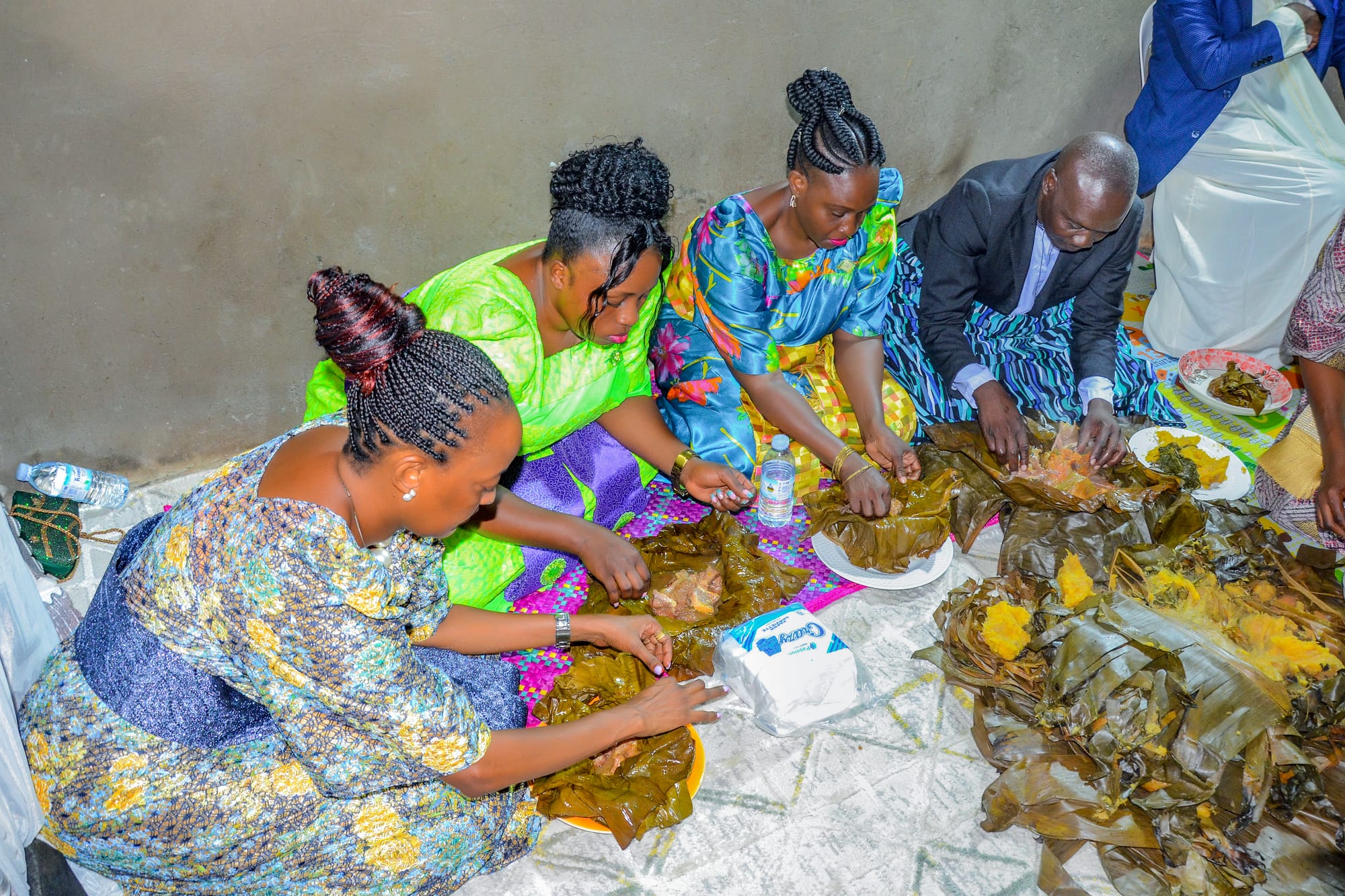
The right hand is used for eating by hand and for passing or receiving things. Traditional table manners also discourage leaning on the left hand or stretching the legs out while seated, both of which are considered disrespectful, and children are expected to speak at meals only when spoken to. On arrival, family members and elders are greeted before settling into conversation.
A small gift is welcome when visiting a home — sweets, books, flowers or something from the visitor's own country are all suitable. Alcohol is best avoided as a gift unless the host's preferences and religion are known, and very expensive gifts can create an uncomfortable sense of obligation.
Festivals and life's big moments
The religious calendar dominates the year, and both Christian and Muslim festivals are public holidays: Christmas, Good Friday and Easter Monday alongside Eid al-Fitr and Eid al-Adha. The most distinctively Ugandan date is Martyrs Day on 3 June, which commemorates the young Christian converts, Catholic and Anglican, killed between 1885 and 1887 on the orders of the Buganda king Mwanga II for refusing to renounce their faith. Pilgrims from across Uganda and neighbouring countries converge on the shrines at Namugongo, many of them having walked for days, and the day has grown into a massive annual pilgrimage. Archbishop Janani Luwum Day in February, National Heroes' Day in June and Independence Day on 9 October are also public holidays.
Marriage is usually preceded by an introduction ceremony, known in Luganda as the kwanjula; many other communities hold their own versions. The bride-to-be formally introduces her future husband to her family, whose members receive the groom's delegation, often after a ritual exchange at the gate. The paternal aunt, the ssenga, is central: traditionally responsible for preparing a young woman for marriage, she guides the day's rituals. The groom's family presents gifts, which may include clothing for the bride's mother and aunt and traditional brew for the elders, and marriage payments to the bride's family remain customary in many communities. A church or mosque wedding may follow later.
Coming of age is marked in different ways by different peoples. Among the Bamasaaba of the east, Imbalu, the public circumcision rite that marks a boy's passage to manhood, is held in even-numbered years and draws large crowds to its dancing and ceremonies. In western Uganda, the Empaako name is given at a naming ceremony in the family home, presided over by the clan head: the paternal aunts examine the baby for resemblances to relatives before a name is chosen, and a tree may be planted in the child's honour.
Funerals are major communal events, and customs vary by community. Among the Baganda, the deceased is traditionally buried soon after death, wrapped in bark cloth, and close family members wear strips of banana fibre as a sign of mourning. The mourning period ends, some time later, with the last funeral rites, okwabya olumbe, when the clan formally installs an heir to take on the responsibilities of the deceased, dressing him in bark cloth and presenting symbolic items such as a spear, a basket and coffee beans. A senior Buganda official described these rites in 2025 as promoting "healing, unity and continuity" within families.
Arts, crafts and music
Bark cloth is Uganda's best-known craft and one of the oldest textiles in the world — UNESCO describes it as a prehistoric technique that predates the invention of weaving. Among the Baganda, it has long been made by craftsmen of the Ngonge clan, headed by a hereditary chief craftsman, from the inner bark of the mutuba fig tree. The bark is harvested in the wet season and beaten with wooden mallets until it becomes soft, fine and an even terracotta colour. It is worn at coronations, healing ceremonies, funerals and cultural gatherings, and also used for curtains, bedding and storage. Barkcloth making in Uganda was proclaimed a UNESCO Masterpiece of the Oral and Intangible Heritage of Humanity in 2005 and inscribed on the Representative List in 2008.
Dress is itself a living tradition. The gomesi and the kanzu are standard for introductions, weddings and formal cultural occasions, and a well-chosen gomesi, often colour-coordinated with the rest of a family delegation, is a matter of pride.
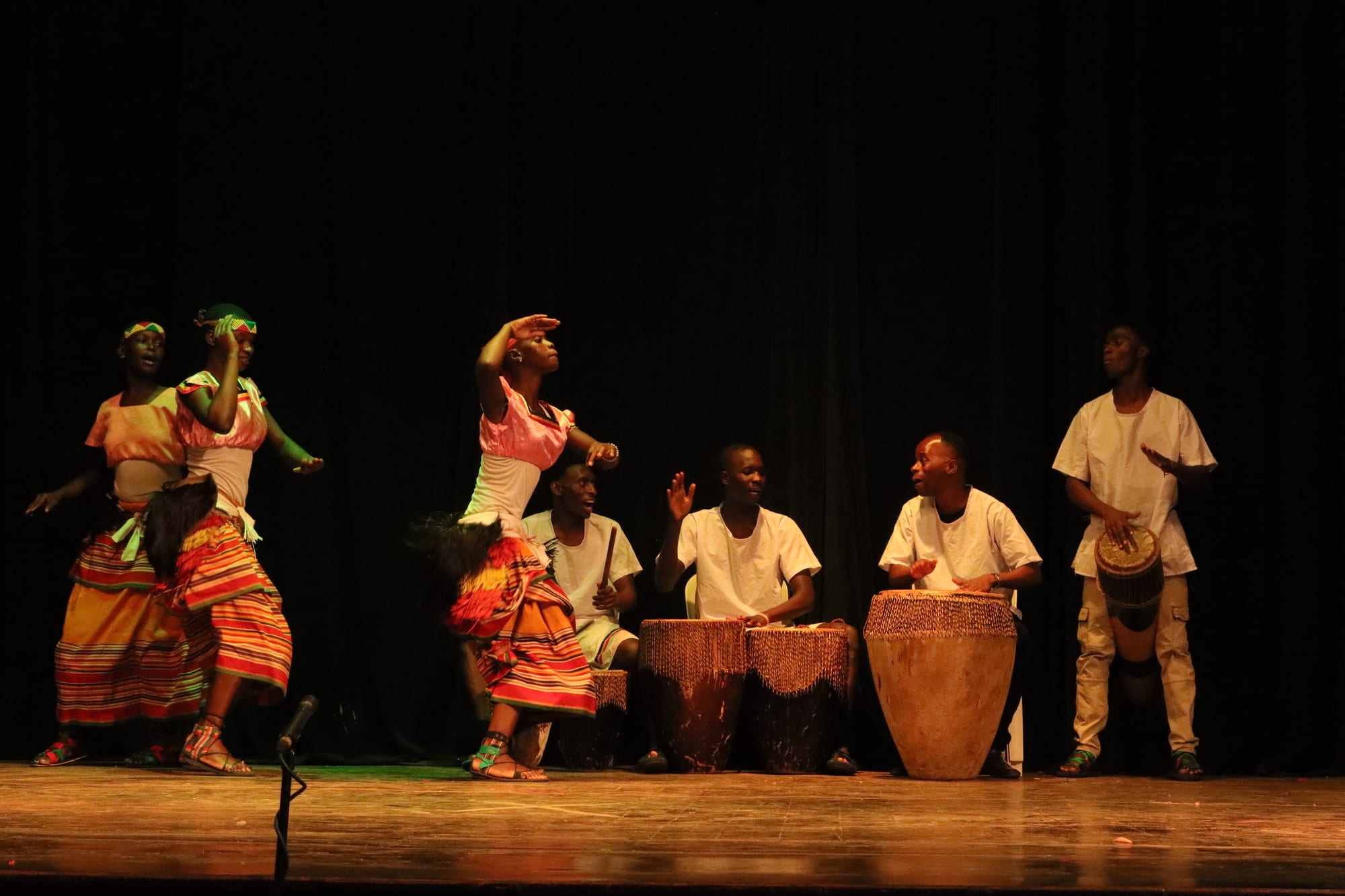
Music and dance are closely tied to particular peoples, and several traditions are on UNESCO's list of intangible heritage in need of urgent safeguarding: Bigwala, the music and dance of gourd trumpets from the Busoga kingdom; the bowl lyre music and dance of the Ma'di people; the Koogere oral tradition of the Basongora, Banyabindi and Batooro, a body of stories about a wise female chief; and the male-child cleansing ceremony of the Lango. Drumming accompanies dances across the country, while in the towns a lively scene of Afrobeat, dancehall and gospel music draws large crowds.
Dos and don'ts for visitors
- Do check the latest government travel advice before any trip; some governments advise against travel to parts of the far north-east and urge particular caution near the border with the Democratic Republic of the Congo, including national parks there.
- Do greet people before getting down to business, the oldest or most senior first, and let them set the length of a handshake.
- Do use the right hand for eating, giving and receiving, and accept at least a little of any food or drink offered.
- Do ask before photographing people, and never photograph military, official or diplomatic sites, which is forbidden.
- Don't wear camouflage or other military-style clothing; it is illegal for anyone, including children.
- Don't smoke in public places, on transport or within 50 metres of a public building; e-cigarettes and shisha are banned outright.
- Don't joke about ethnicity, religion, poverty or politics, even once a warm rapport has been built.
- Do be aware that the Anti-Homosexuality Act 2023 criminalises same-sex relations, with penalties of up to life imprisonment and the death penalty for "aggravated homosexuality", and makes "promoting" homosexuality punishable by up to 20 years in prison; the Constitutional Court upheld most of the law in 2024.
What to take away
Ugandan customs are built on respect — for elders, for family and for the occasion — and a visitor who takes time over greetings, accepts hospitality graciously and treats each ceremony with seriousness will find a warm welcome waiting.