Food · Vanuatu
Vanuatu: Food and the National Dish
Grated root vegetables baked with coconut milk in an earth oven, the everyday centrepiece of a scattered Melanesian archipelago
By Worldlore Editorial · 30 September 2026
A cuisine grown across about 83 scattered islands
Vanuatu, an archipelago of about 83 islands in the South Pacific, builds its food identity around root vegetables and coconut, staples suited to the country's volcanic soil and grown across island communities that each maintain their own local variations on the same national dish.
The national dish: laplap
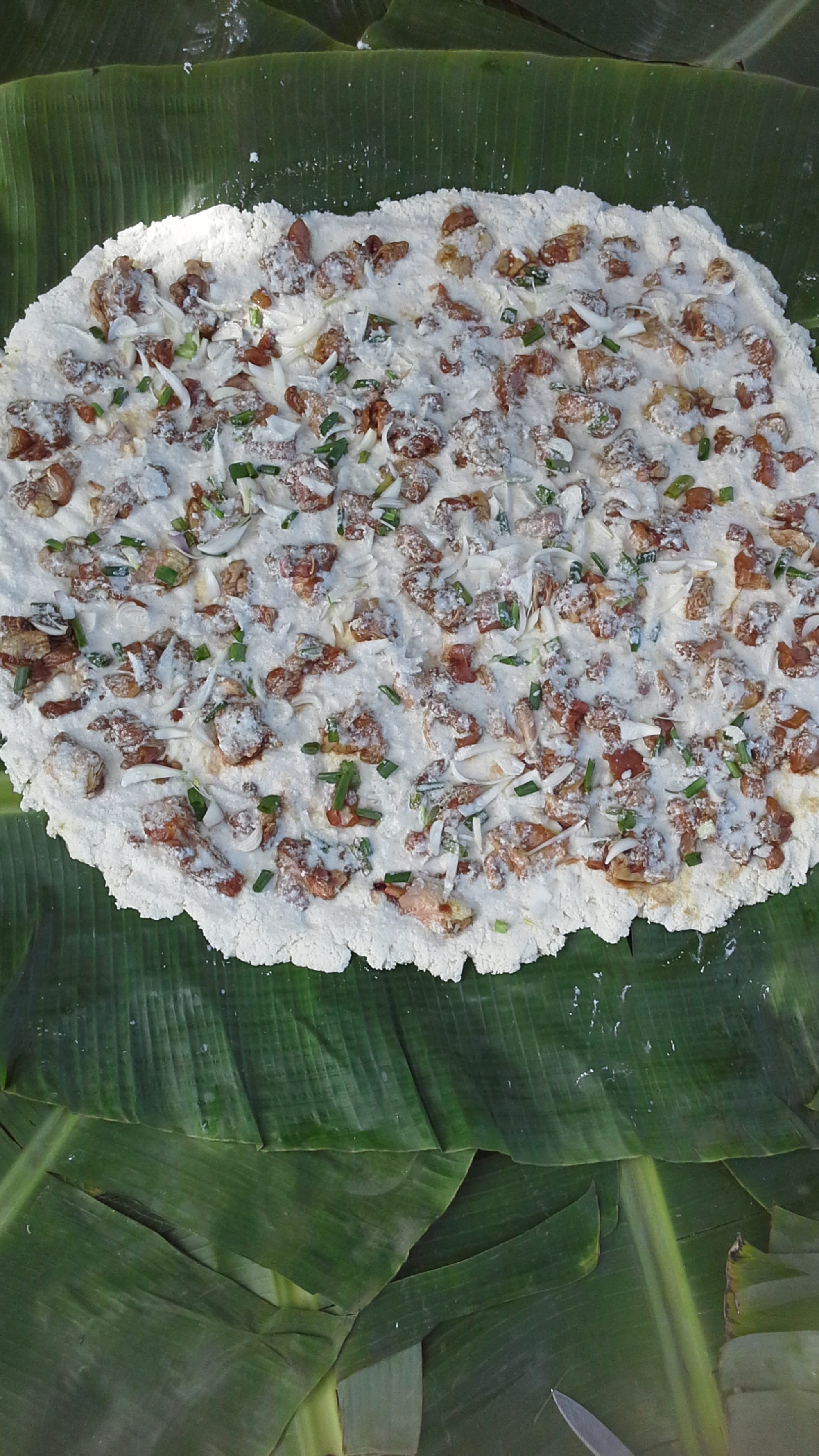
Laplap, grated yam, taro, manioc, banana or breadfruit, mixed with coconut milk and sometimes topped with meat or greens, wrapped in banana leaves and baked in an earth oven or on hot volcanic stones, is Vanuatu's national dish. Genuinely central to celebrations, feasts and everyday cooking alike, laplap varies by island and household in exactly which root vegetable and filling is used, and on Malekula a variation called sosor is baked with a hot stone set in its centre.
Root vegetables, coconut and a genuinely volcanic pantry
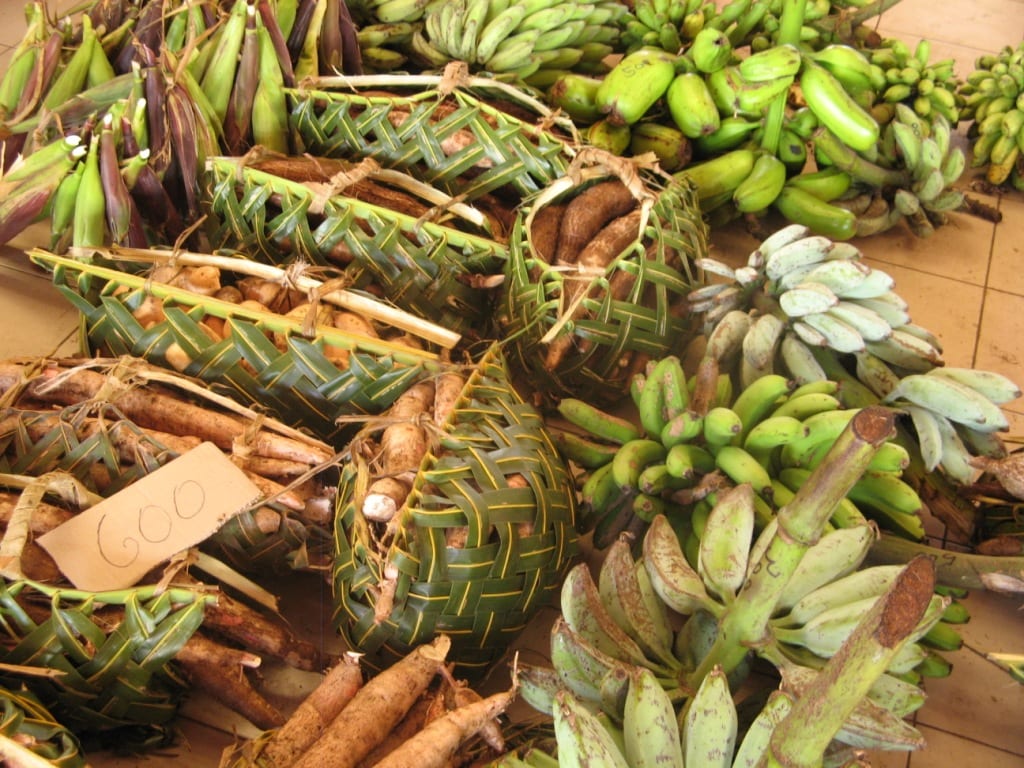
Yam, taro and manioc, all grown in Vanuatu's volcanic soil, and coconut, used in milk and grated form, anchor most everyday cooking. Fresh fish and pork, reserved more for special occasions, and a wide range of tropical fruit round out a pantry shaped by the country's island geography and traditional earth-oven cooking method.
History behind the earth oven
The earth oven, using heated volcanic stones to slow-cook food wrapped in leaves, is a long-standing traditional method and remains central to ni-Vanuatu culture, particularly for feasts and ceremonial occasions marking important community events. Laplap's continued centrality reflects a food tradition that has held its place through European contact, missionary influence and, more recently, growing tourism, even as rice and imported foods have joined the diet.
Dishes to know
Five more to recognise across Vanuatu:
- Tuluk — a leaf parcel of grated manioc around a pork filling, a
festive relative of laplap.
- Simboro — a steamed roll of grated banana, manioc, yam or taro,
wrapped in leaves and covered in coconut milk.
- Coconut crab — a large land crab, considered a delicacy in Vanuatu.
- Nalot — roasted breadfruit, banana or taro pounded and mixed with
coconut milk, often prepared for feasts.
- Reef fish — parrotfish, trevally, red emperor and other catches,
part of daily meals in many coastal villages.
Drinks
Kava, a non-alcoholic drink made from the pounded root of a pepper plant, is drunk in the evening and at ceremonies and holds deep cultural significance across Vanuatu. Coconut water, drunk straight from the fruit, is a common everyday refreshment.
Eating as a traveller
Vegetarians will find root vegetable and coconut-based dishes manageable, though meat and fish are common additions for special occasions. Bottled or treated water is the cautious choice, especially outside Port Vila. Port Vila's market, whose old building was demolished after the December 2024 earthquake, offers a genuine look at the yam, taro and other produce behind most everyday ni-Vanuatu cooking.
What to take from the table
Laplap, wrapped in leaves and baked in an earth oven, is the dish that most directly reflects Vanuatu's food identity: grown from volcanic soil and cooked the same way across scattered island communities for generations.