Attractions & Natural Wonders · Vietnam
Vietnam: Ten Attractions and Natural Wonders
Thousands of limestone islands rising from an emerald bay, a lantern-lit riverside town so well preserved it feels suspended in time, and a hand-dug tunnel network that once stretched over a hundred kilometres beneath the jungle
By Globeway Editorial · 30 September 2026
A country of dramatic landscape and layered history
Vietnam stretches along Southeast Asia's eastern coast, with a coastline of more than 3,400 kilometres, its landscape ranging from limestone karst bays in the north to terraced rice paddies in the highlands and the dense Mekong Delta in the south. Centuries of Chinese, French colonial, and, more recently, wartime history have each left distinct marks, while towns like Hoi An preserve a well-maintained trading-port past.
The ten below run from Ha Long Bay in the north to Ho Chi Minh City in the south. The dry season varies by region, but roughly October to April suits most of the country.
1. Ha Long Bay
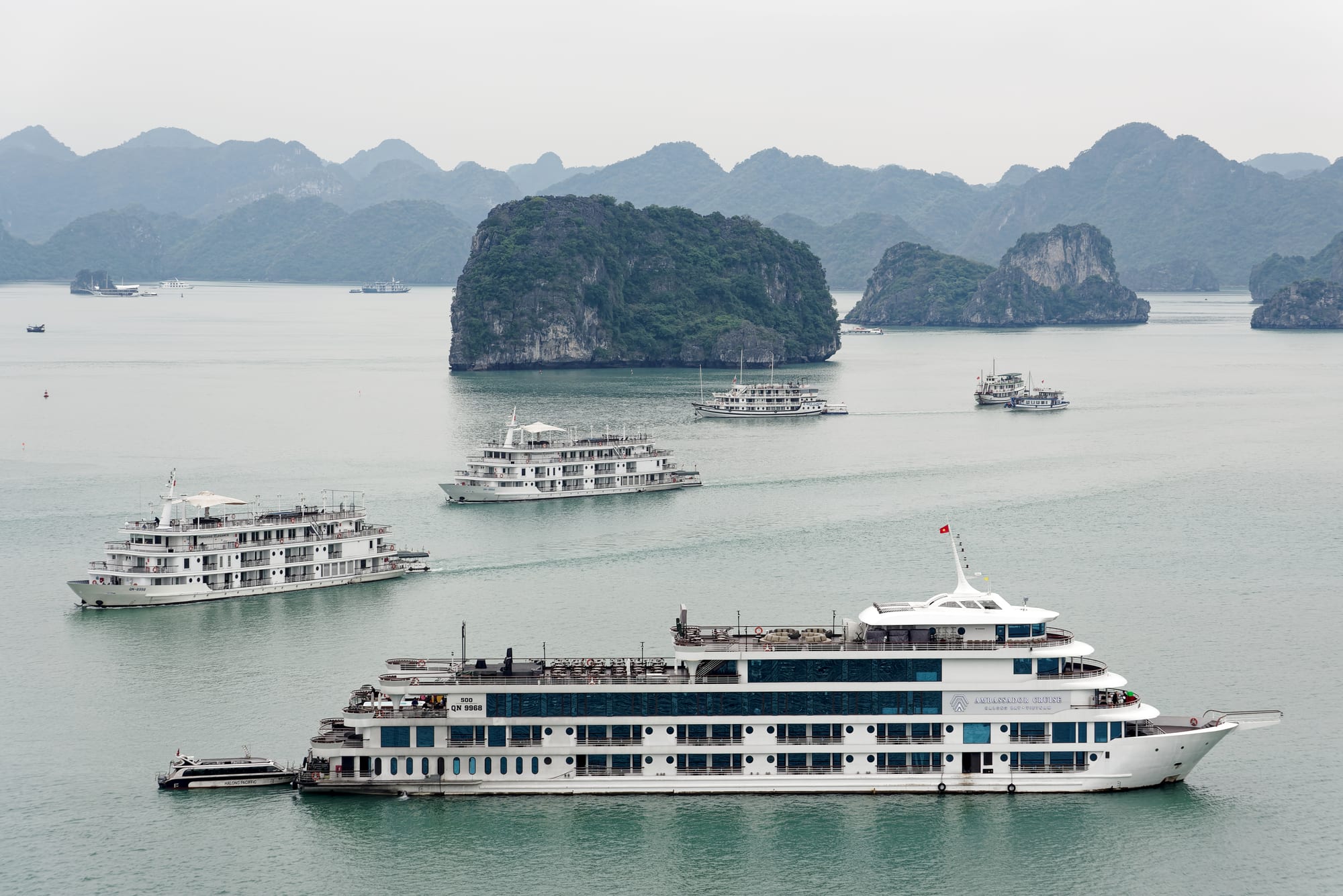
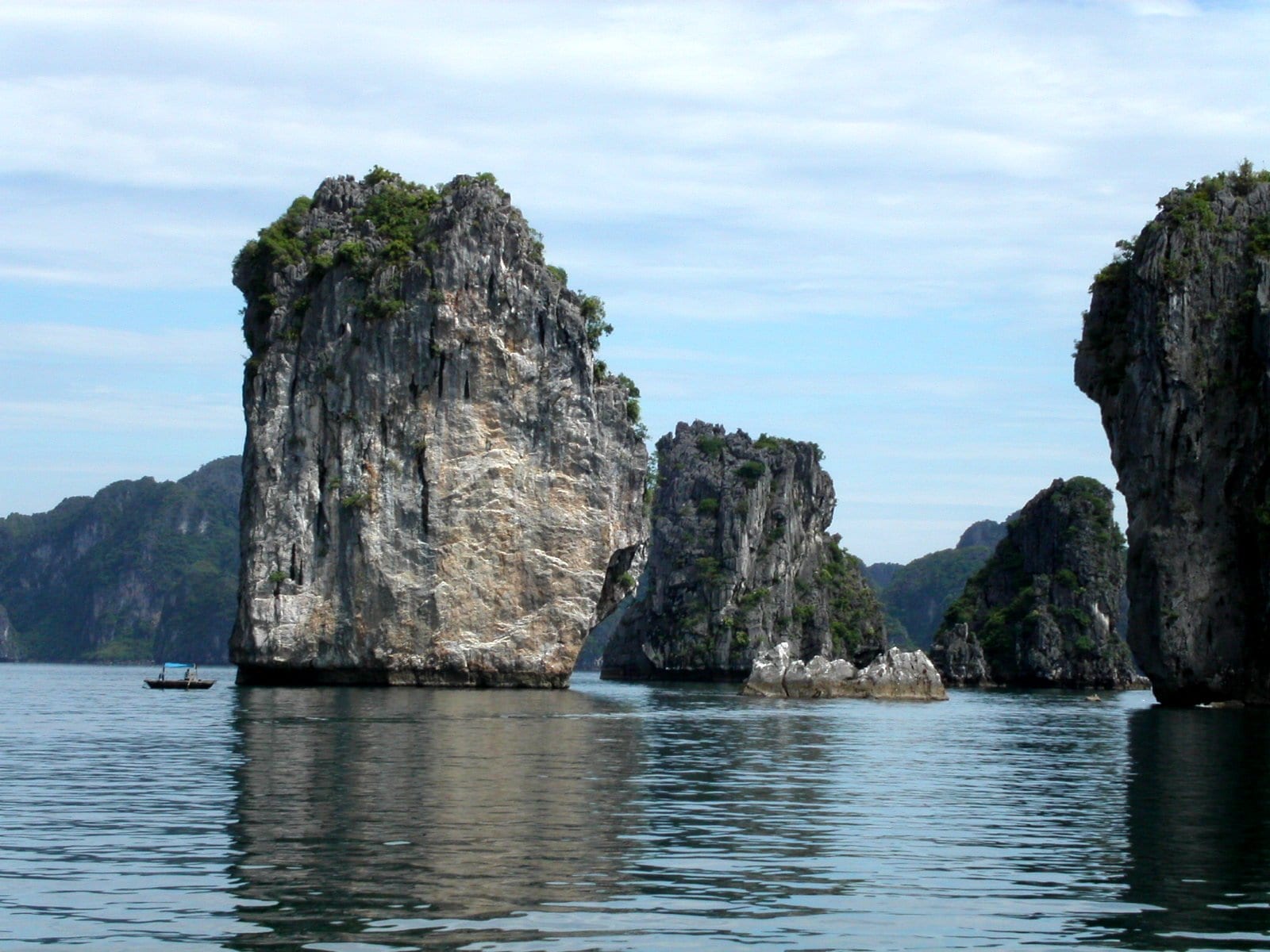
Ha Long Bay, a UNESCO World Heritage Site since 1994 (extended in 2023 as Ha Long Bay – Cat Ba Archipelago), holds some 1,600 limestone karst islands and islets rising dramatically from calm emerald water, their karst shaped by some 20 million years of erosion. Overnight boat cruises through the bay, often combined with kayaking and cave visits, remain one of the most popular and recognisable experiences associated with Vietnam.
2. Hoi An
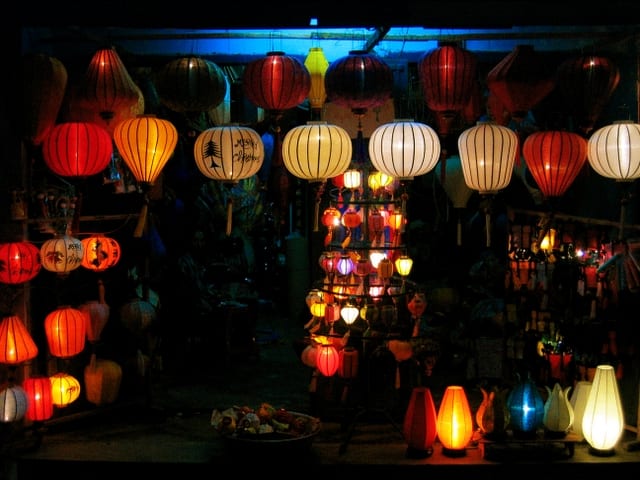
Hoi An, a former trading port that flourished from the 15th to 19th centuries, preserves a remarkably well-kept historic townscape of more than a thousand old houses, its riverside streets strung with colourful lanterns and lined with well-preserved merchant houses reflecting Vietnamese, Chinese, and Japanese influence. A UNESCO World Heritage Site since 1999, it remains one of the country's most atmospheric towns, especially after dark.
3. Ho Chi Minh City
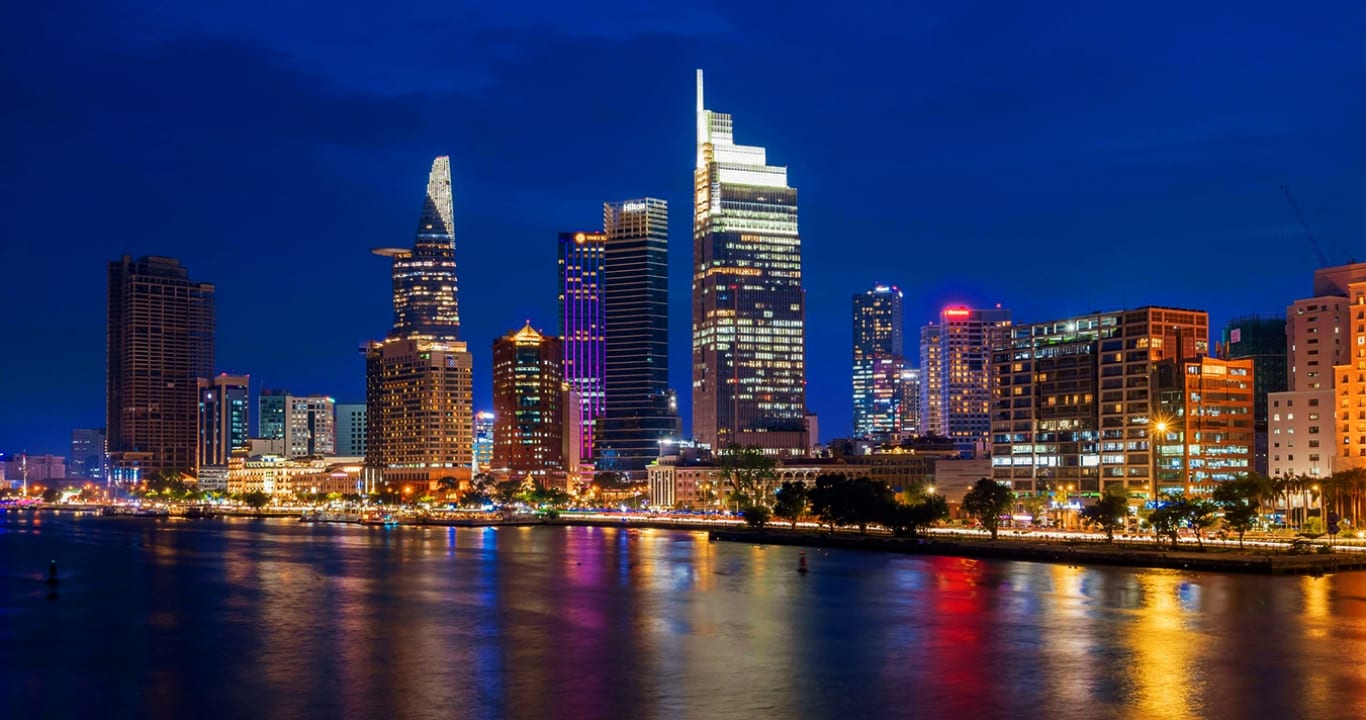
Ho Chi Minh City (still widely called Saigon, which since 2025 is also the official name of its central ward), Vietnam's most populous city, mixes a fast-modernising skyline with French colonial-era landmarks including the Notre-Dame Cathedral Basilica and Central Post Office, alongside a celebrated street food and coffee culture.
4. Sapa's rice terraces
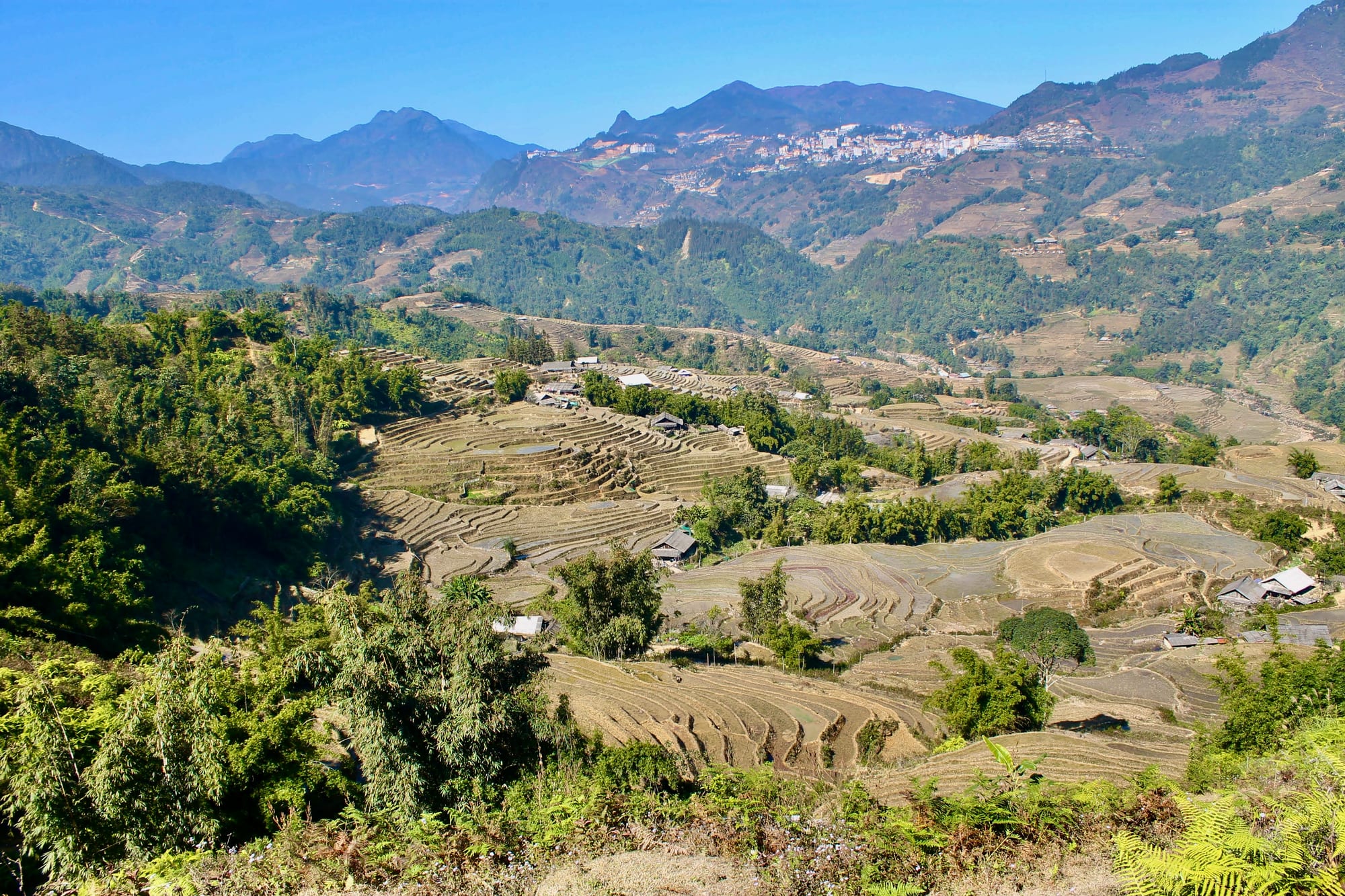
Sapa, in Vietnam's mountainous north in Lào Cai province near the Chinese border, holds dramatic terraced rice paddies carved into the hillsides by Hmong, Dao, and other ethnic minority communities over generations, often explored on treks between villages, some offering homestays and an encounter with the region's distinct cultural traditions.
5. The Cu Chi Tunnels
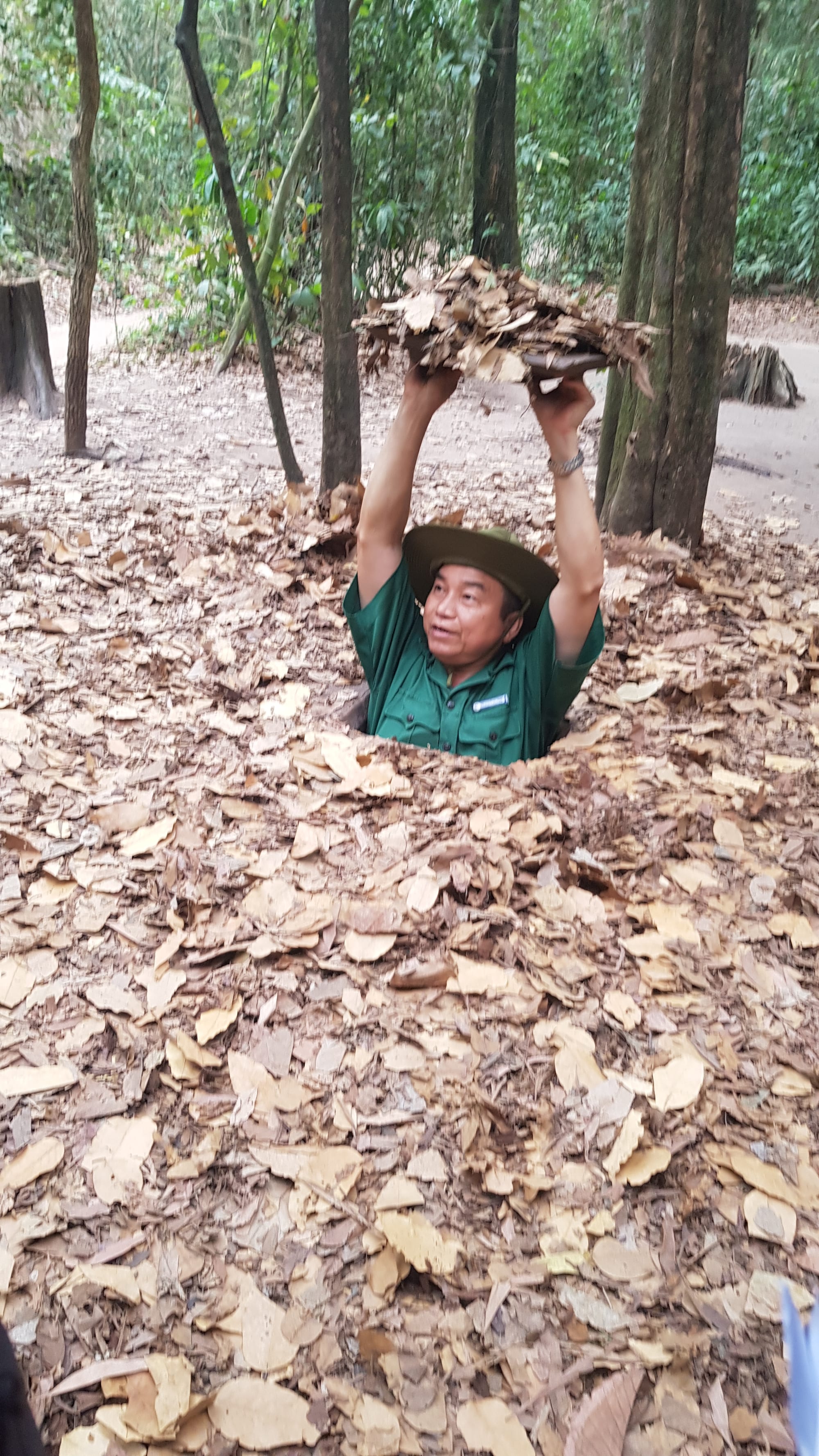
The Cu Chi Tunnels, northwest of Ho Chi Minh City, were part of a vast hand-dug underground network that once stretched over a hundred kilometres, used by Viet Cong fighters as shelter, supply routes, and hospitals during the Vietnam War. Around 121 kilometres of tunnels at Cu Chi have been preserved as a war memorial park, with some sections enlarged for tourists, offering a direct, physical sense of the conditions endured during the conflict.
6. French colonial architecture
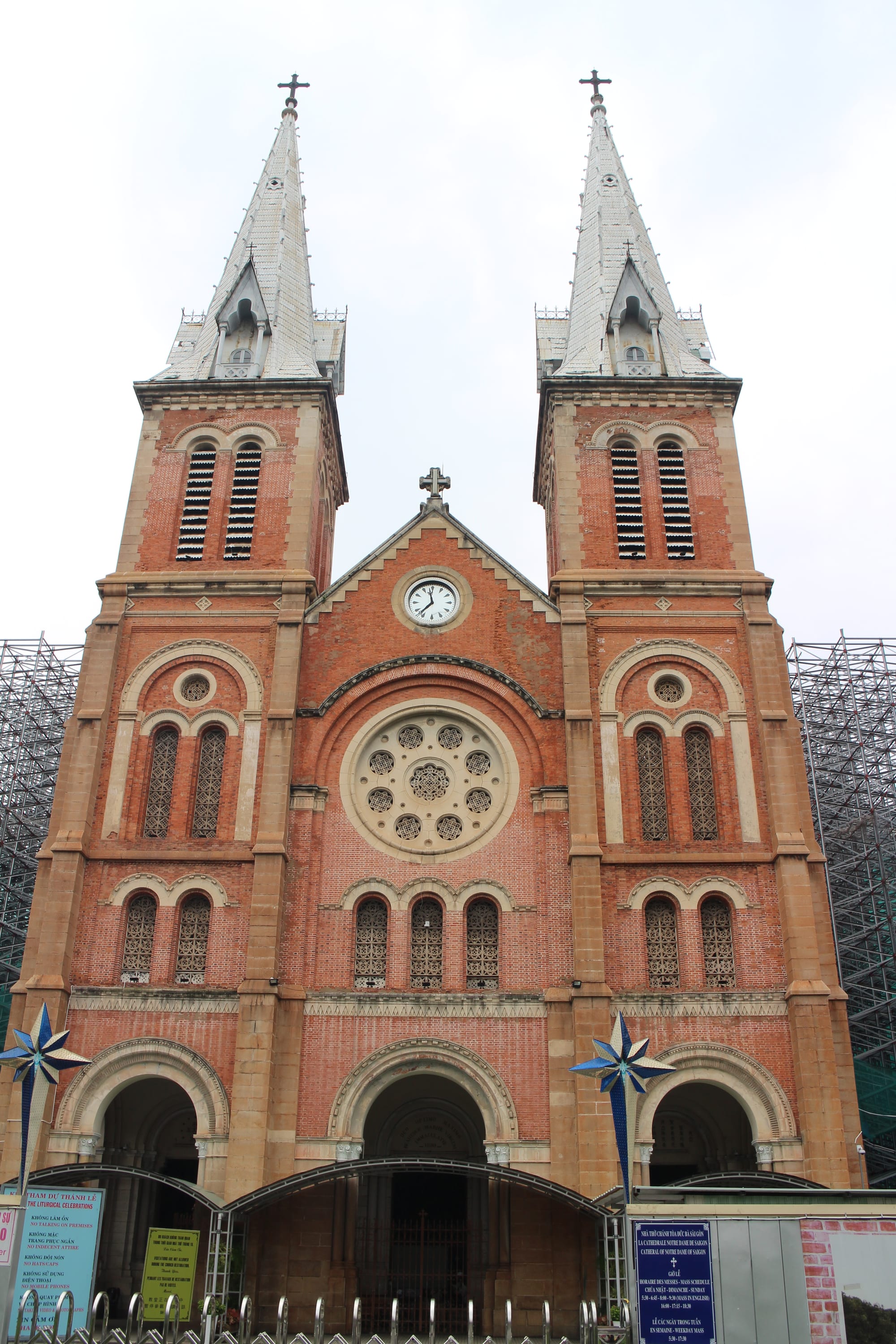
Vietnam's cities retain a notable layer of French colonial architecture from the era of French Indochina, including Ho Chi Minh City's red-brick Notre-Dame Cathedral Basilica, completed in 1880 with building materials imported from France and under renovation since 2017 — a visible reminder of the colonial history that shaped much of the country's urban landscape before independence.
7. Hanoi's Old Quarter
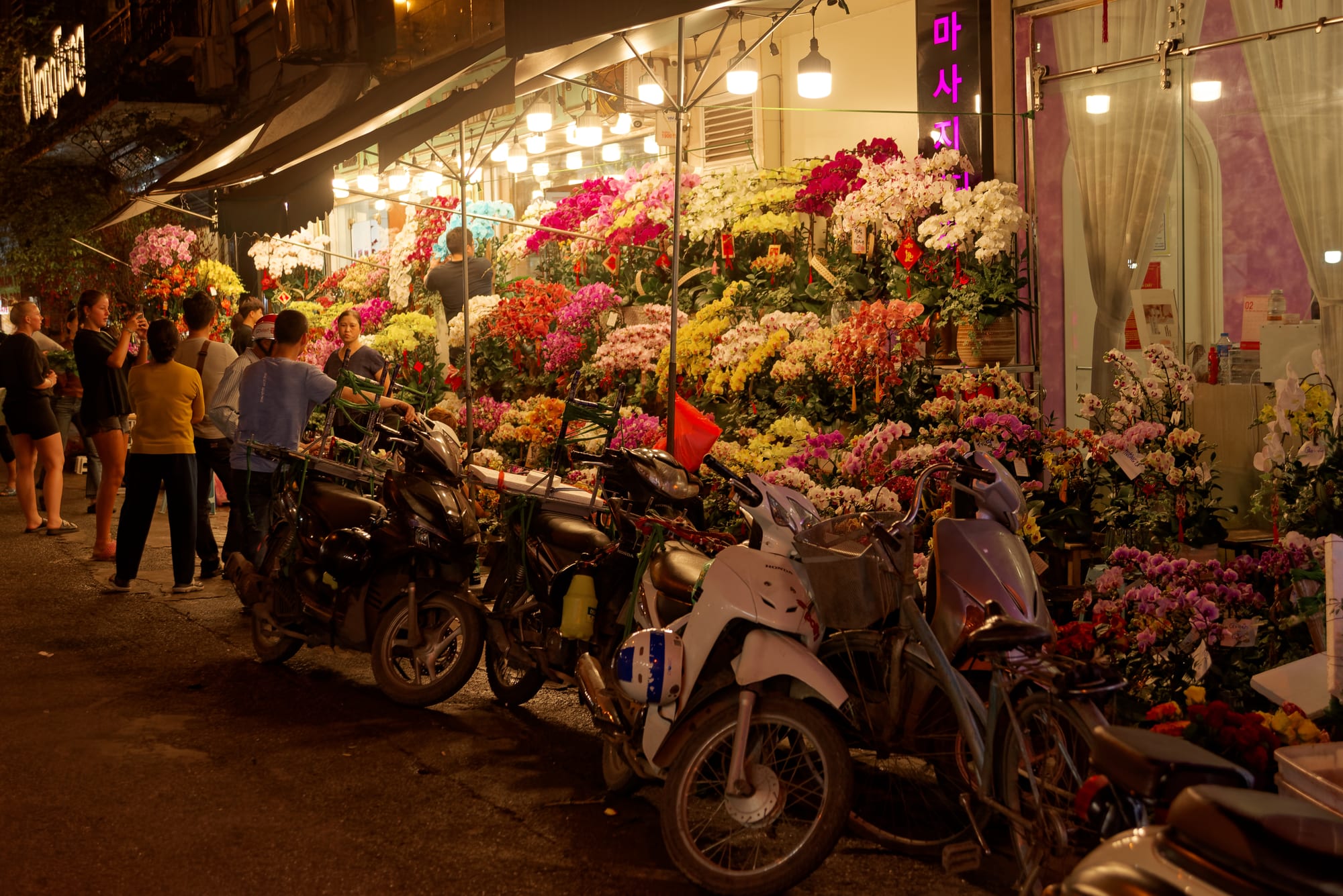
Hanoi's Old Quarter, which grew up under the Lý and Trần dynasties, is known as the 36 streets after the guilds that once made it up, most streets named for the wares once sold there — Hàng Tre (bamboo), Hàng Đồng (copper) — a layout still loosely visible in today's shophouses and street stalls. Motorbikes, sidewalk food vendors, and narrow tube houses give the quarter a density and energy distinct from the rest of the city.
Its narrow streets are at their liveliest in the evening, when food stalls spill out onto the pavements.
8. Phong Nha-Kẻ Bàng National Park
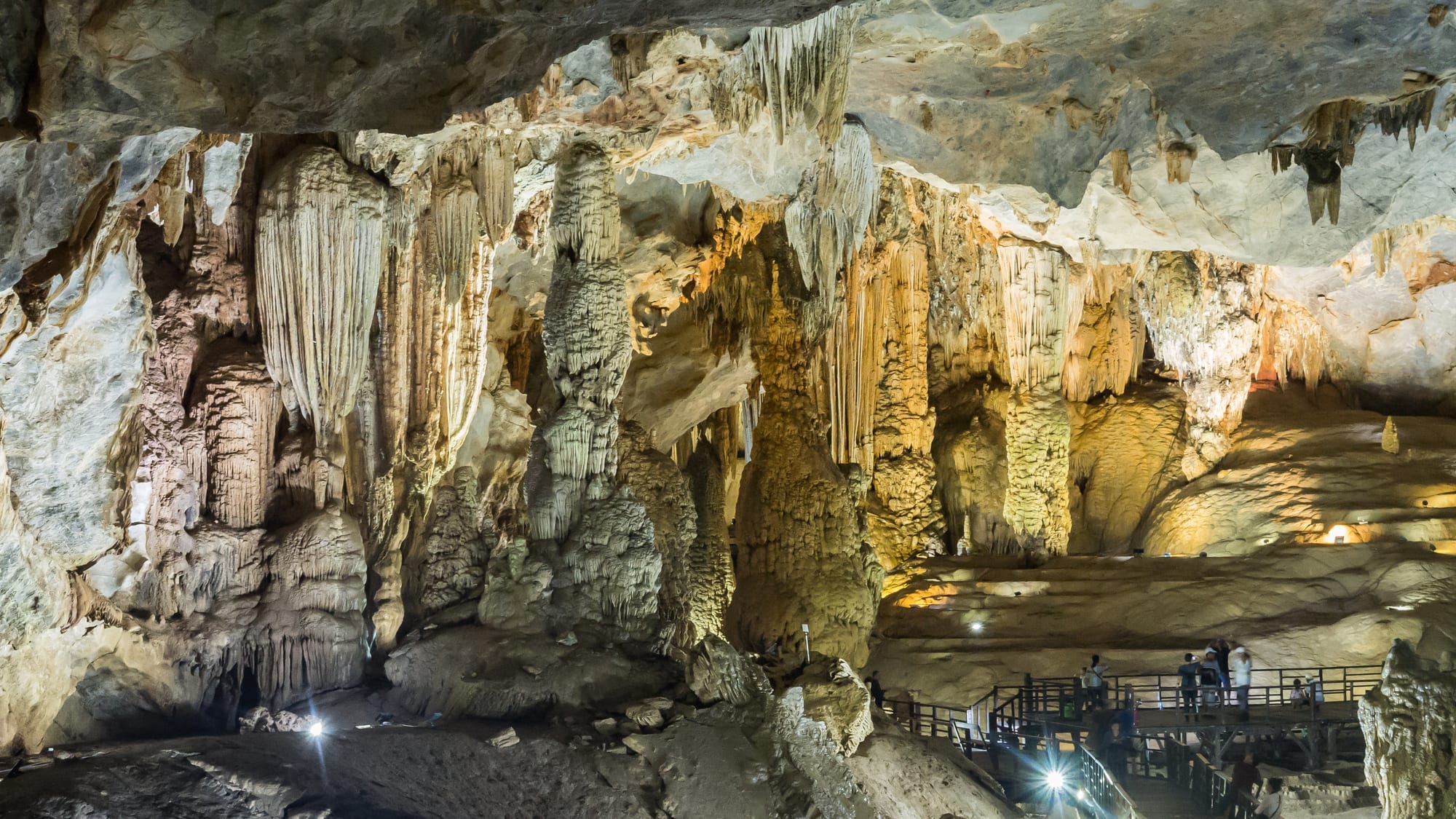
Phong Nha-Kẻ Bàng, a UNESCO World Heritage Site since 2003 in central Vietnam, protects one of the world's two largest karst regions, with some 300 caves and grottoes — including Son Doong, the largest cave passage on earth, big enough to hold a New York City block with room for skyscrapers; its entrance was found by a local man, Hồ Khanh, in 1990, it was first surveyed in 2009, and it is still only accessible on permit-limited, expensive guided expeditions.
The more accessible Paradise Cave and Phong Nha Cave, the latter reached by boat along its underground river, give a taste of the region's scale to visitors without an expedition budget.
9. Hue's Imperial City
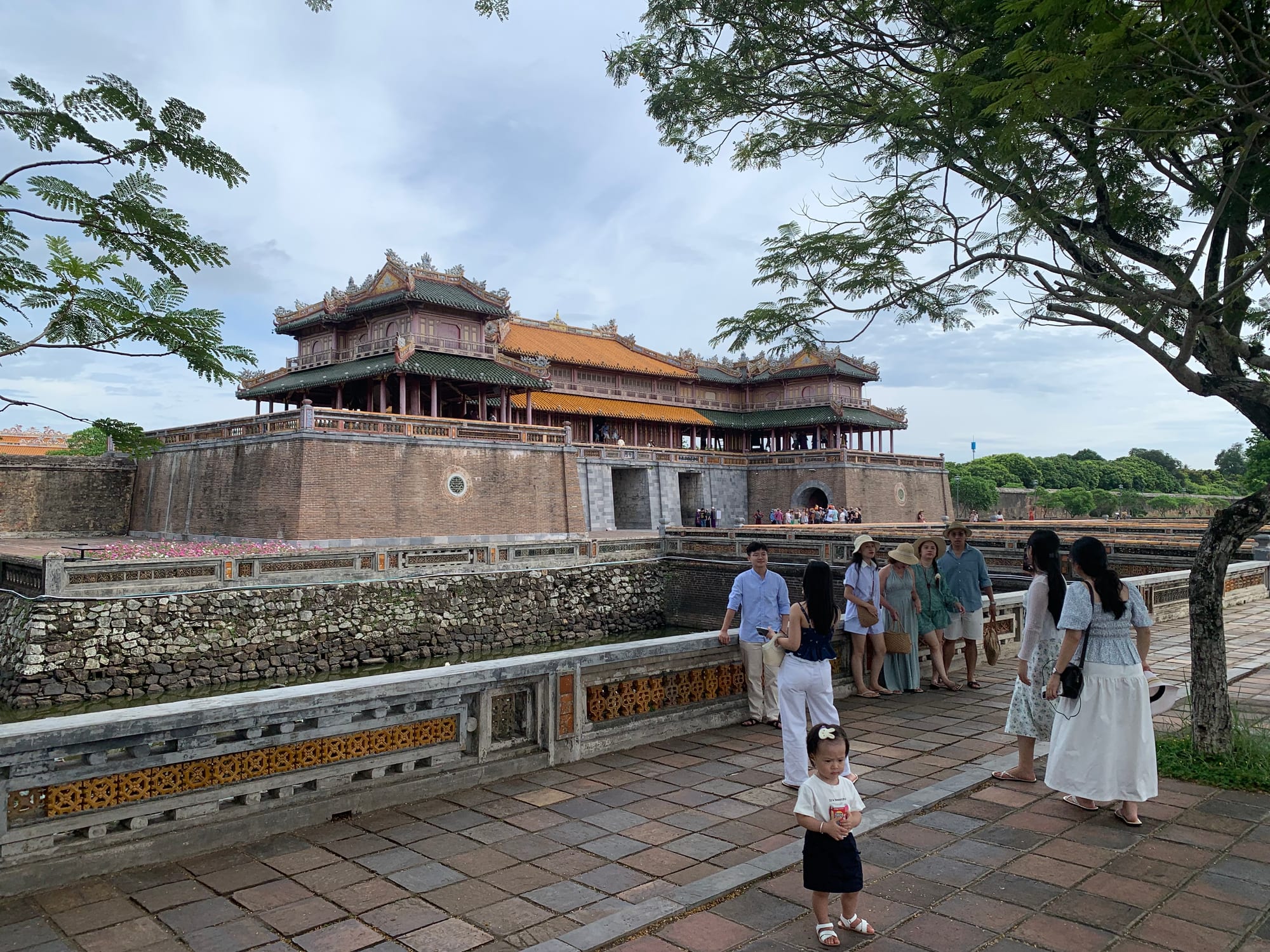
Hue, capital of Vietnam's last ruling dynasty, the Nguyễn, from 1802 to 1945, holds a walled Imperial City modelled on Beijing's Forbidden City — a complex of palaces, temples, and gates on the Perfume River, badly damaged during the Indochina Wars, especially the 1968 Tet Offensive, and still under long-term restoration. Part of the Complex of Huế Monuments, a UNESCO World Heritage Site since 1993, it remains the best window into Vietnam's last royal era.
The elaborate royal tombs scattered in the countryside around Hue, each built to its own emperor's individual taste, make a worthwhile addition to a visit.
10. The Mekong Delta
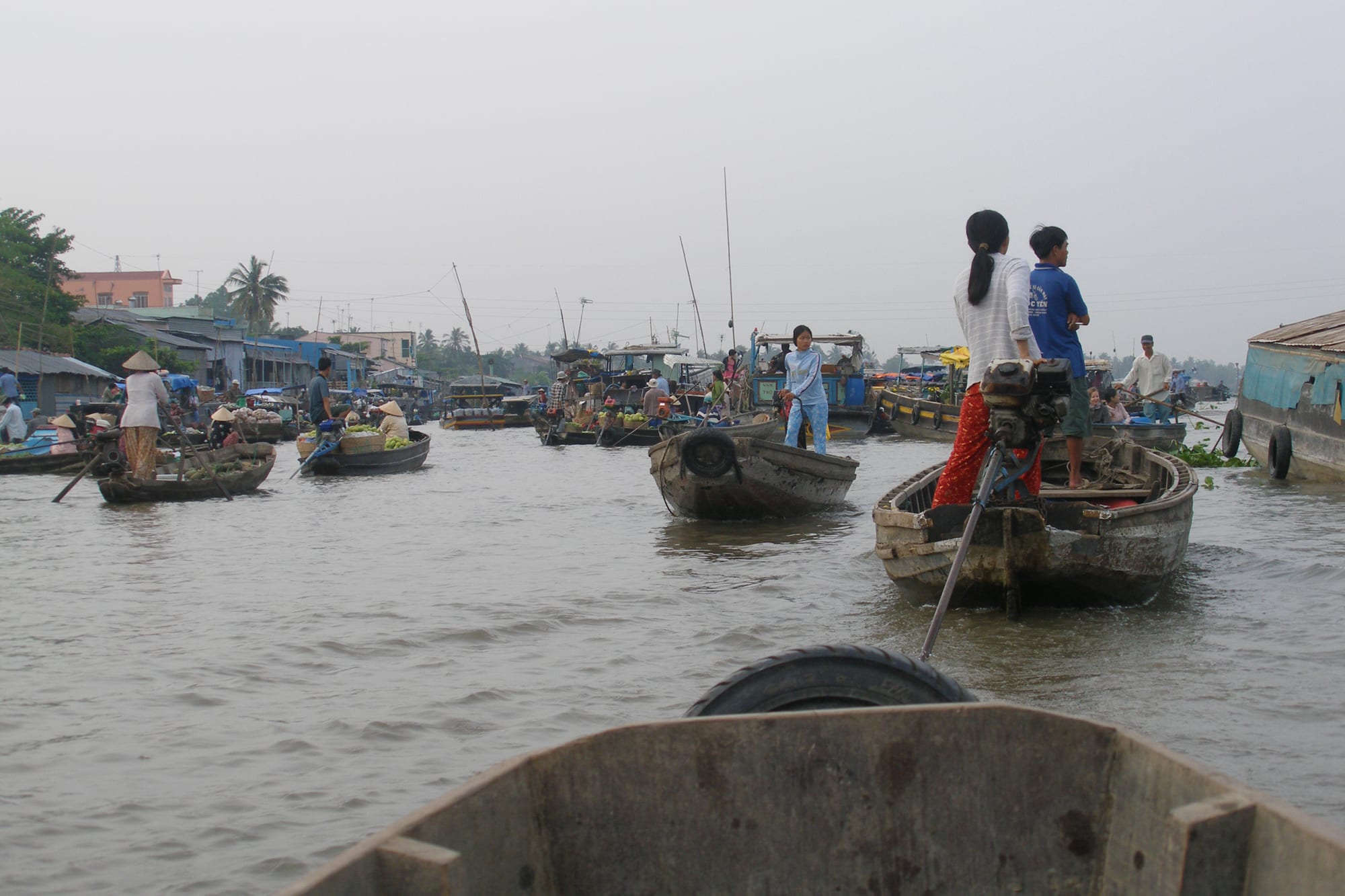
The Mekong Delta, Vietnam's rice-growing heartland in the far south, is a dense network of rivers, canals, and floating markets where farmers still sell produce directly boat-to-boat, most famously at Cai Rang near Can Tho. Life here runs on the river: many market boats double as floating homes, and the region, which grows more than half of Vietnam's rice, helps make the country the world's second-largest rice exporter.
Early morning boat trips give the best chance to see the floating markets at their busiest, before the day's trading winds down.
Vietnam suits a well-rounded two-to-three-week trip running from Hanoi and Ha Long Bay in the north down through Hoi An to Ho Chi Minh City in the south, with domestic flights or the country's scenic north-south rail line connecting the major stops.