History · Cayman Islands
Why are there more companies than people in the Cayman Islands?
No income or corporate tax, flexible company law and a finance industry built since the 1960s have made three small islands home to about 100,000 companies.
By Globeway Editorial · 2 November 2026
The short answer
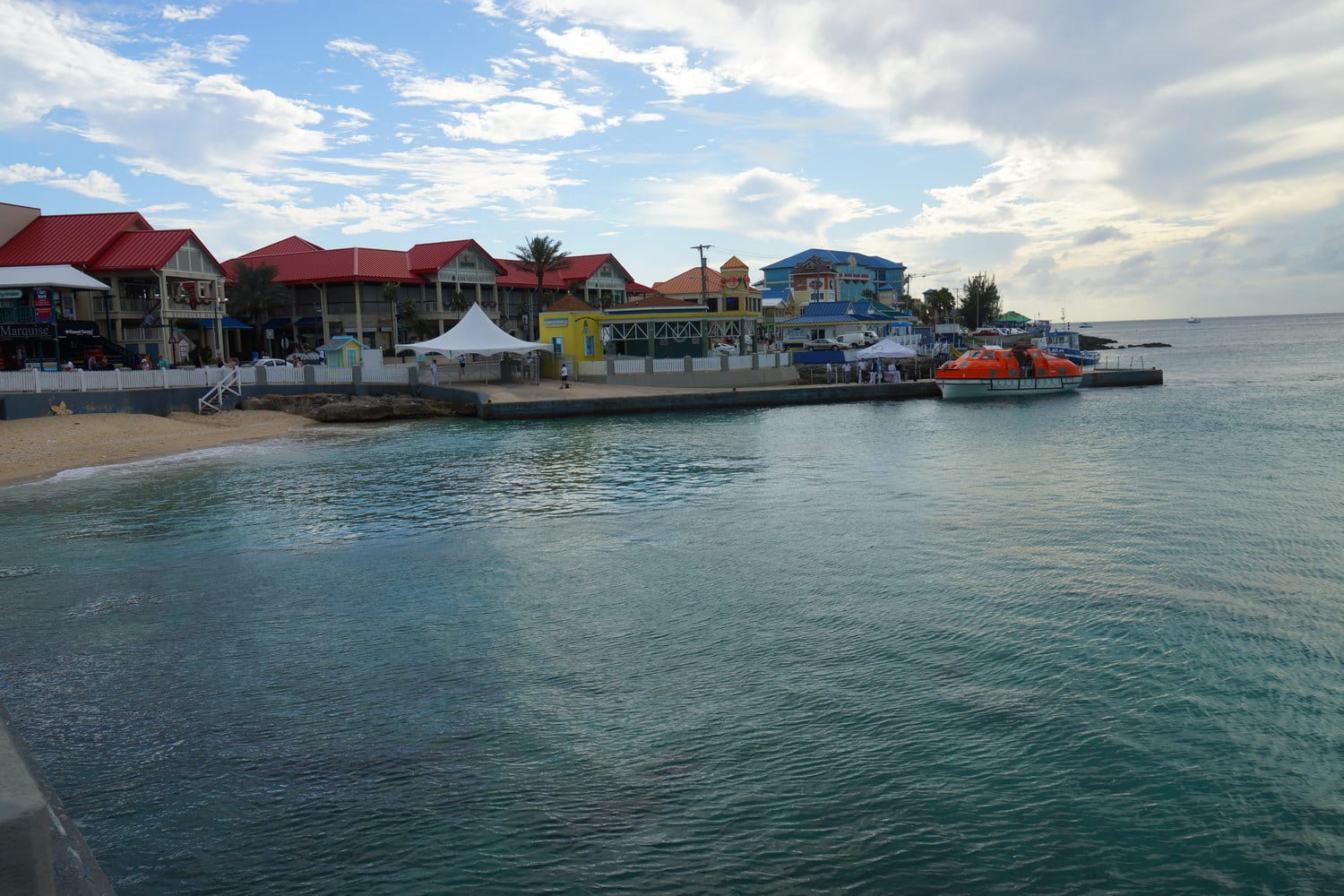
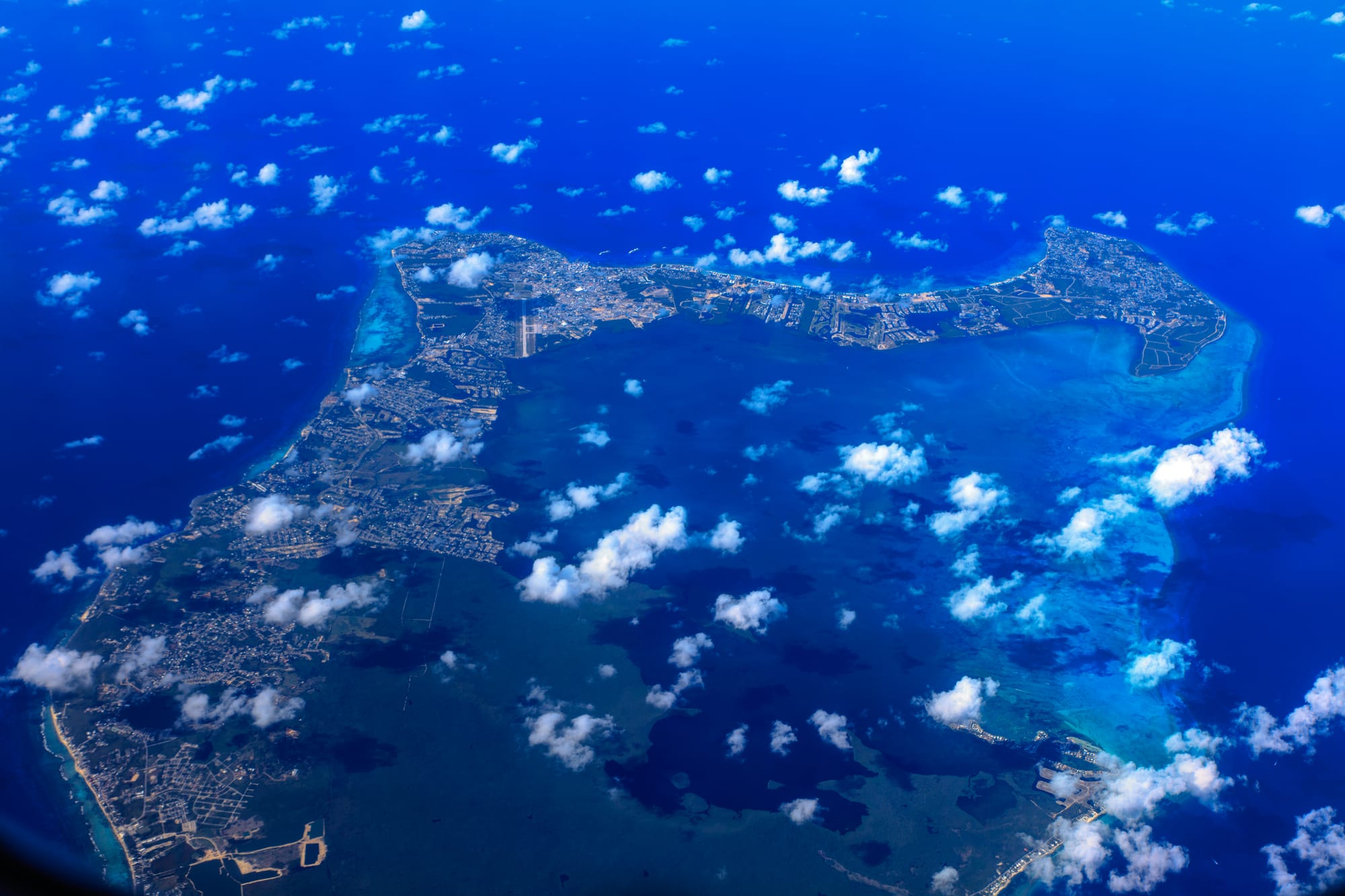
Because almost none of those companies actually do anything in the Cayman Islands. The territory, three low islands south of Cuba with a population of a little over 90,000, has about 100,000 registered companies. Most are legal shells for businesses, investment funds and deals that operate elsewhere in the world. They are registered here because the islands charge no income tax, no corporation tax and no capital-gains tax, and because their company law makes such entities cheap, flexible and private to run.
This was not an accident of history but a deliberate strategy. From the 1960s the government built an offshore financial centre on the back of the islands' long-standing lack of direct taxes, and laws such as the Mutual Funds Law of 1993 made Cayman the world's leading home for offshore hedge funds. The companies are run from the offices of law and trust firms, so a single building in George Town can be the registered address of tens of thousands of them.
A tax-free tradition with a tall tale attached
The Cayman Islands have never levied income tax, capital-gains tax or any wealth tax. The government lives instead on indirect taxes: import duties, licence fees on financial firms, work-permit fees and charges on tourists.
Islanders like to explain this with the Wreck of the Ten Sail. On 8 February 1794 a convoy sailing from Jamaica, nine merchant ships and their naval escort HMS Convert, ran onto the reef off the East End of Grand Cayman at night. Local people went out in the stormy water and rescued the crews and passengers; eight people died. According to legend, a son of King George III was aboard, and the grateful king decreed that Caymanians would never pay taxes or be conscripted.
There is no documented evidence that a prince was on board or that any such decree was issued. Colonial records show the islands, then a dependency of Jamaica, were not tax-exempt in the years that followed: in 1803 the inhabitants petitioned the governor of Jamaica to excuse them from a "Transient Tax on Wreck Goods". The tax-free tradition is real; the royal reward is a story.
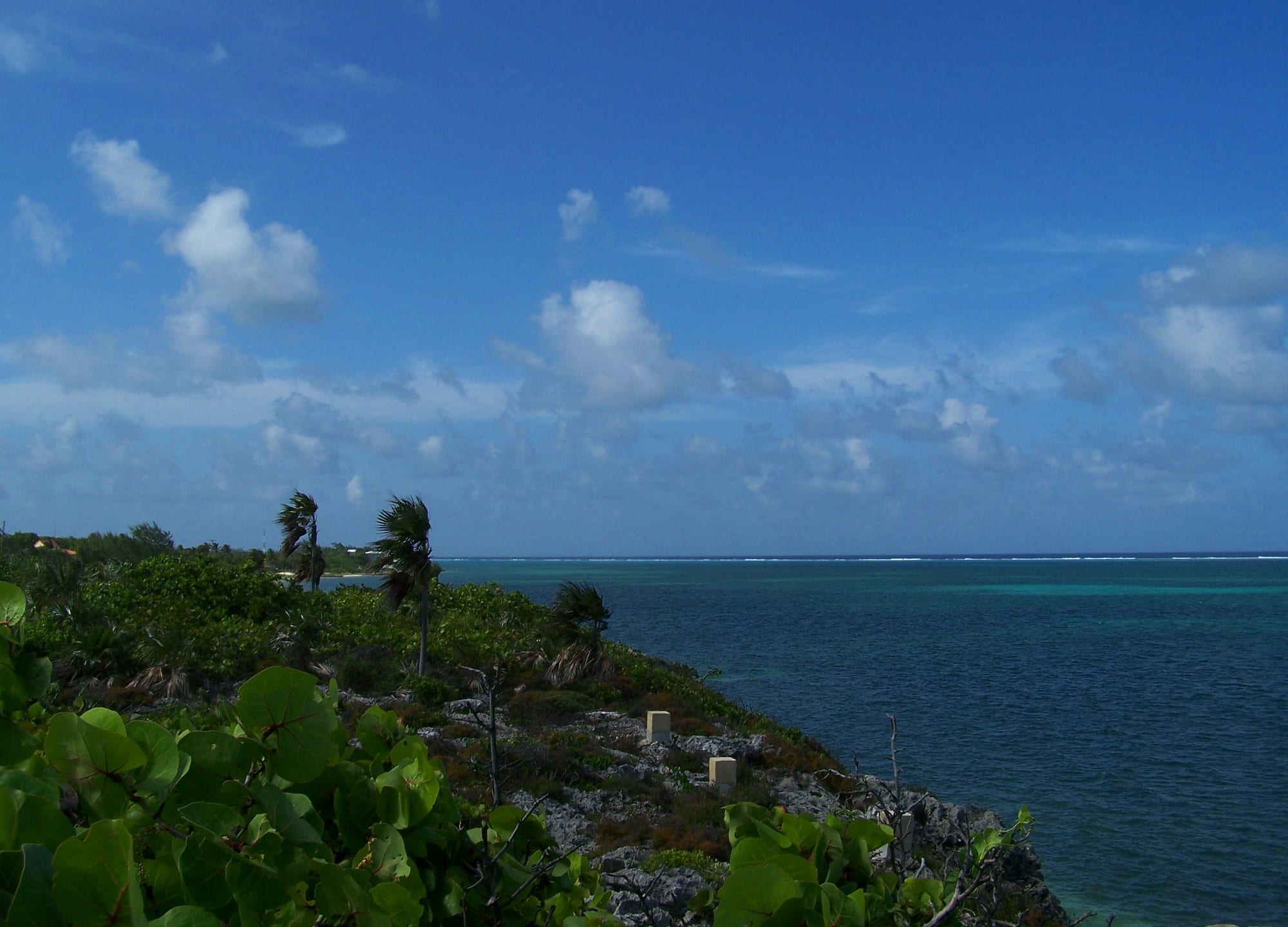
Queen Elizabeth II dedicated the memorial park in 1994, on the 200th anniversary of the wreck.
From turtle hunting to high finance
For most of their history the islands were poor and isolated. Early settlers hunted sea turtles to supply passing ships until local stocks ran out in the 1790s, and farmland was always scarce. Change began in the 1950s, when Owen Roberts International Airport opened along with a bank, hotels and modern telecommunications.
In 1962, when Jamaica became independent, the Cayman Islands chose to stay British, and a 1972 constitution gave them wide control of their own affairs. The government set out to grow two industries, tourism and offshore finance, and both expanded rapidly from the 1970s. A key figure was Sir Vassel Johnson, financial secretary from 1965 to 1982, remembered as a pioneer of the finance industry.
The timing suited the wider world. In the 1960s and 1970s, offshore centres grew as a way round foreign-exchange and capital controls; from the 1980s, tax and regulation became the main reasons to use them. An older British legal idea helped too. In 1929 a British court ruled in Egyptian Delta Land and Investment Co. v Todd that a company registered in Britain but doing no business there was not liable to British tax, and the principle applied across the empire, including the Cayman Islands.
What a "Cayman company" actually is
Many of the islands' companies are exempted companies, the type used when a company will do its business mainly outside the Cayman Islands. In practice they are set up by professional trust companies rather than members of the public. An exempted company does not have to file accounts, and its founding documents, though lodged with the Companies Registry, are not open to public inspection.
These companies are put to work in a few big ways. Investment funds are the largest: after the Mutual Funds Law of 1993, the islands passed 10,000 hedge fund registrations by June 2008. Others are holding companies for large assets such as commercial property and infrastructure, structured-finance and securitisation deals, captive insurance companies, and joint ventures between partners from different countries who want a neutral legal home.
One building, tens of thousands of companies
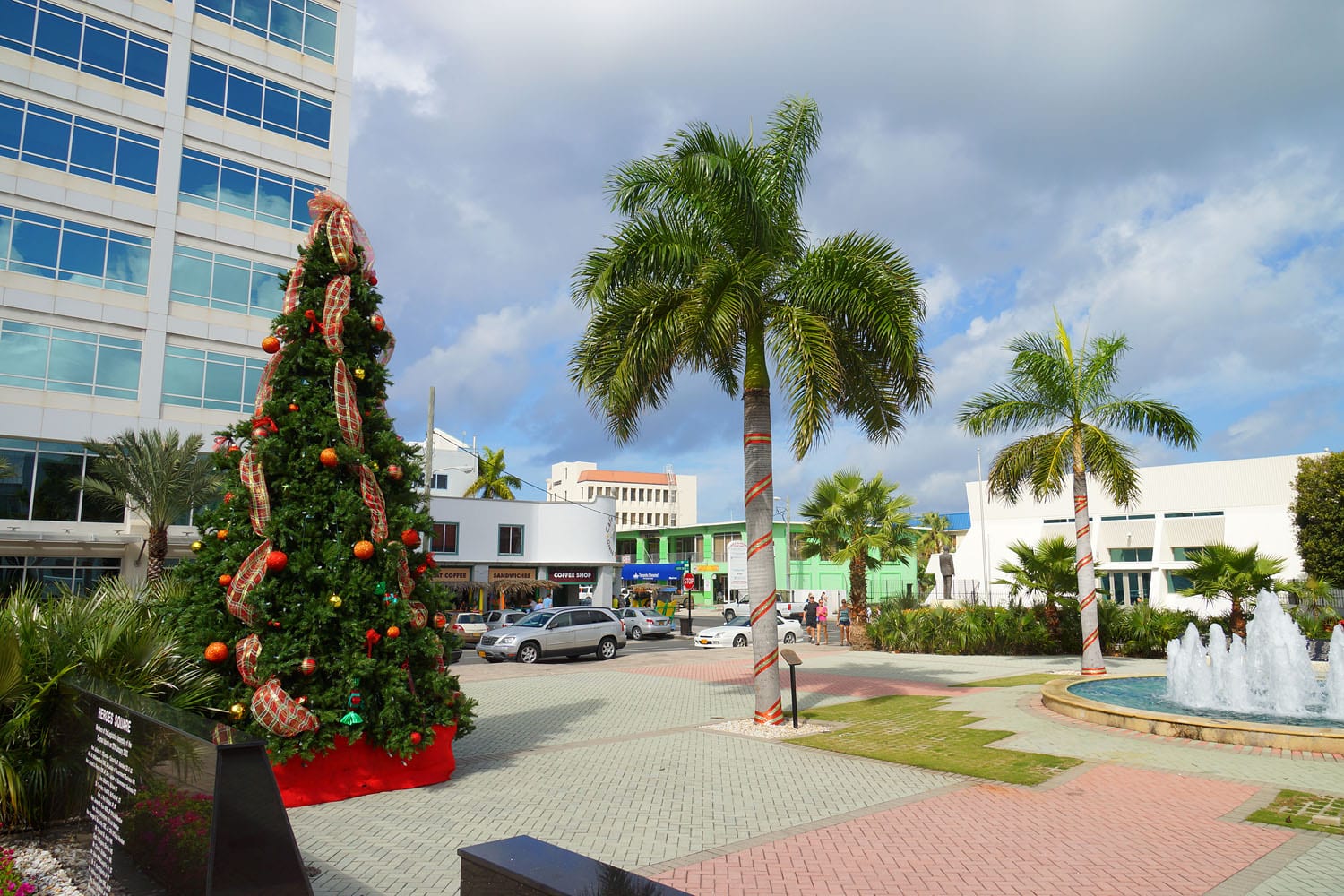
Because exempted companies are formed and looked after by professional firms, they cluster at those firms' addresses. The best known is Ugland House, at 121 South Church Street in George Town, occupied by the law firm Maples and Calder and the registered office of around 40,000 entities.
During his first presidential campaign, Barack Obama called Ugland House "the biggest tax scam in the world". In 2008 the US Government Accountability Office investigated it and found that 95 per cent of the entities registered there were not wholly owned by Americans. The same report recorded US tax officials crediting the islands' "reputation for regulatory sophistication" and legal protections for creditors and investors.
The scale makes the islands a global heavyweight. Financial services produced 55 per cent of the economy in 2007, 36 per cent of jobs and 40 per cent of government revenue. In 2007 the Cayman Islands was ranked the fifth-largest banking centre in the world, and branches of 40 of the world's 50 largest banks operate there.
Pressure for openness
That success has drawn steady criticism. From the late 1990s the OECD threatened to blacklist offshore centres for harmful tax practices; the Cayman Islands avoided its 2000 blacklist by promising regulatory reform and the exchange of tax information. The Tax Justice Network's Financial Secrecy Index ranked the territory the world's second most significant tax haven in 2011, behind only Switzerland, and in 2016 two Cayman financial institutions pleaded guilty in a New York federal court to helping American clients hide more than $130 million.
The islands have signed tax-information agreements with the United States and others, and an International Monetary Fund assessment in 2005 praised their compliance culture. A British law of 2018 required overseas territories, including the Caymans, to set up public registers of who really owns their companies by the end of 2020, which the Cayman government said it would challenge as an intrusion on its constitution. The argument over secrecy goes on, but the basic attraction has not changed: a company can be born in George Town, pay no tax there and live its working life anywhere else.