💰 Budget
Launceston is cheaper than Hobart for a room and about the same for food and drink. Prices rise in February, when the festivals, the cup and the summer holidays fill the city, and fall through the cold months. A hire car is the main extra cost, since the vineyards, the villages and the mountains are the reason most visitors come north.
- Daily Budget Midrange
- USD 160–280 (hotel or apartment, restaurant meals, a cellar door or two, a hire car)
- Daily Budget Shoestring
- USD 70–120 (hostel bed, market food and self-catering, city buses)
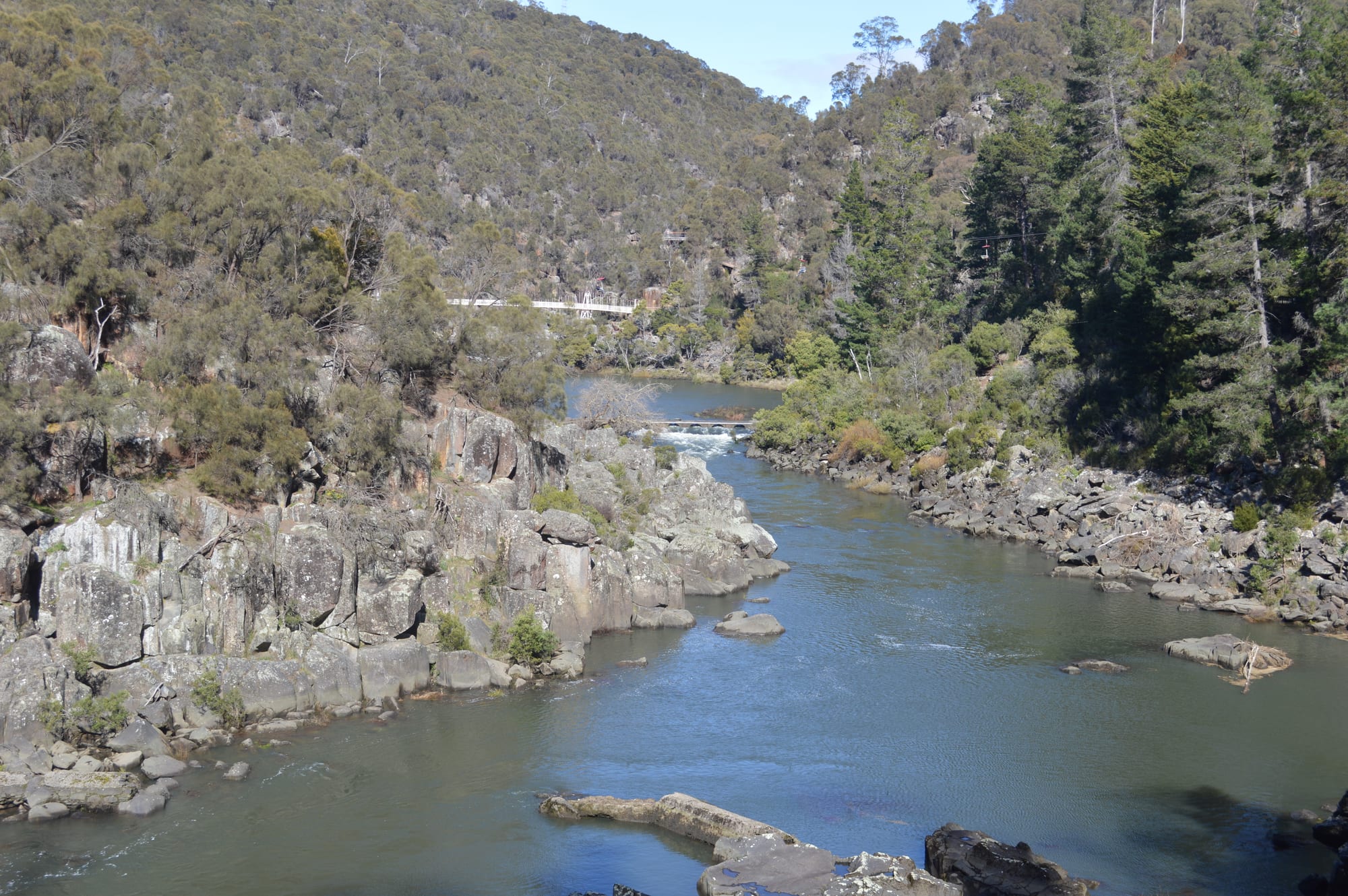
Book a room early for February and for race days; the gorge, City Park, the wetlands boardwalk and the old power station cost nothing.
📅 Best Time to Visit
December to March brings the long days, the vineyard season and the festivals of February. Autumn is settled and quiet, with colour along the river and in the highlands. Winter is cold, frosty and often foggy in the valley, with snow on the mountains east of the city and a small ski field running in cold years.
⏳ Suggested Number of Days
One or two days covers the city and the gorge on its edge. Four or five allow the estuary, the wine country, the Georgian villages south of town and a mountain trip, all of them day drives from here. Winter days are short, which slows any driving plan.
- First Visit
- 1–2 days
- With Surroundings
- 4–5 days
🚆 Transportation
Metro Tasmania buses run from the city bus interchange to the suburbs and out along both banks of the estuary, frequently on weekdays and thinly in the evenings and at weekends. There are no passenger trains or trams. The centre is small enough to walk, but almost everyone hires a car for the valley, the villages and the mountains, and parking in the middle of town is metered.
Country and mountain roads are narrow and winding, and wallabies, wombats and devils are on them from dusk; the road up to the alpine plateau east of the city is steep with many hairpins and is not for a nervous driver.
🛬 Airport & Station Connections
Launceston Airport is at Western Junction about fifteen kilometres south-east of the centre, twenty minutes by road, with flights from Melbourne, Sydney and Brisbane and a shuttle bus into town. The Spirit of Tasmania car ferry from Geelong docks at Devonport, about a hundred kilometres north-west along the coast. Hobart is roughly 200 kilometres south on the Midland Highway, two and a half hours by car, and coaches run between the two cities daily.
🚶 Walkability
The centre is flat, compact and one of the easier Australian city centres to walk, and the gorge is about twenty minutes on foot from the middle of town. The suburbs climb steeply on all sides, so anything beyond the centre involves hills, and Inveresk is reached by a footbridge over the North Esk. Footpaths can be icy on winter mornings.
🛡️ Safety
Launceston is a quiet city with low rates of serious crime. The hazards are mostly natural. The South Esk runs fast and cold through the gorge, and swimming there is dangerous, though there is a public pool beside the First Basin. The rivers have flooded the low northern suburbs in the past and are watched in heavy rain. Bushfire is a risk in hot, dry summers, mountain weather changes quickly, and winter mornings bring fog and black ice on the roads.
Swim in the pool rather than the river, carry warm and waterproof layers on any mountain walk, check fire danger ratings in summer, and drive slowly on country roads at dusk. Check current official travel advice before travelling.
🌦️ Climate
Cool temperate and maritime, but inland and low-lying, so Launceston gets more frost and fog than the coast and warmer, drier summer afternoons than Hobart. Rain falls thinly through the year and the mountains nearby hold snow in winter.
- Summer
- December to February is summer in the southern hemisphere — typically 12–24°C, with some hot, dry days above 30°C and cool nights
- Winter
- June to August — cold and often foggy in the valley, about 2–13°C, with frequent frosts and snow on the ranges east of the city
🤝 Local Customs
Manners are informal and unhurried, first names are used at once, tipping is not expected and prices include the 10 per cent goods and services tax. Tasmanians call other Australians mainlanders, and the rivalry between the north and Hobart in the south is a standing joke that is not entirely a joke. Aboriginal names are in official use beside English ones, the estuary being kanamaluka in palawa kani, the revived Tasmanian Aboriginal language.
Fresh fruit, vegetables, honey and plants may not be brought into Tasmania, and quarantine bins stand at the airport and the ferry terminal. Dress in layers whatever the forecast, and expect identification to be asked for when buying alcohol.
💳 Common Payment Methods
The currency is the Australian dollar. Cards and contactless payment are accepted almost everywhere, including buses, cellar doors and most market stalls, and some places no longer take cash. Cash machines are in the centre and in the suburban shopping centres, and small roadside stalls in the valley sometimes work on an honesty box.