💰 Budget
San Ignacio is cheaper than Santa Cruz, with simple hotels and market food. The main costs are getting there — a long bus ride or a car — and the trips to the neighbouring missions, best done by a hired taxi for the day or on infrequent local buses. Cash is essential.
- Daily Budget Midrange
- USD 60–120 (hotel with air conditioning, restaurant meals, a taxi for the day to the mission towns)
- Daily Budget Shoestring
- USD 25–45 (simple hotel, market meals, local buses between missions)
Sharing a taxi for the mission circuit with other travellers brings the cost down a great deal.
📅 Best Time to Visit
The dry season, roughly May to October, has dry roads and warm days, though smoke from land-clearing fires can hang over the Chiquitania in August and September. The festival of baroque music, in alternate years, and the town's anniversary at the end of July are the high points of the calendar.
⏳ Suggested Number of Days
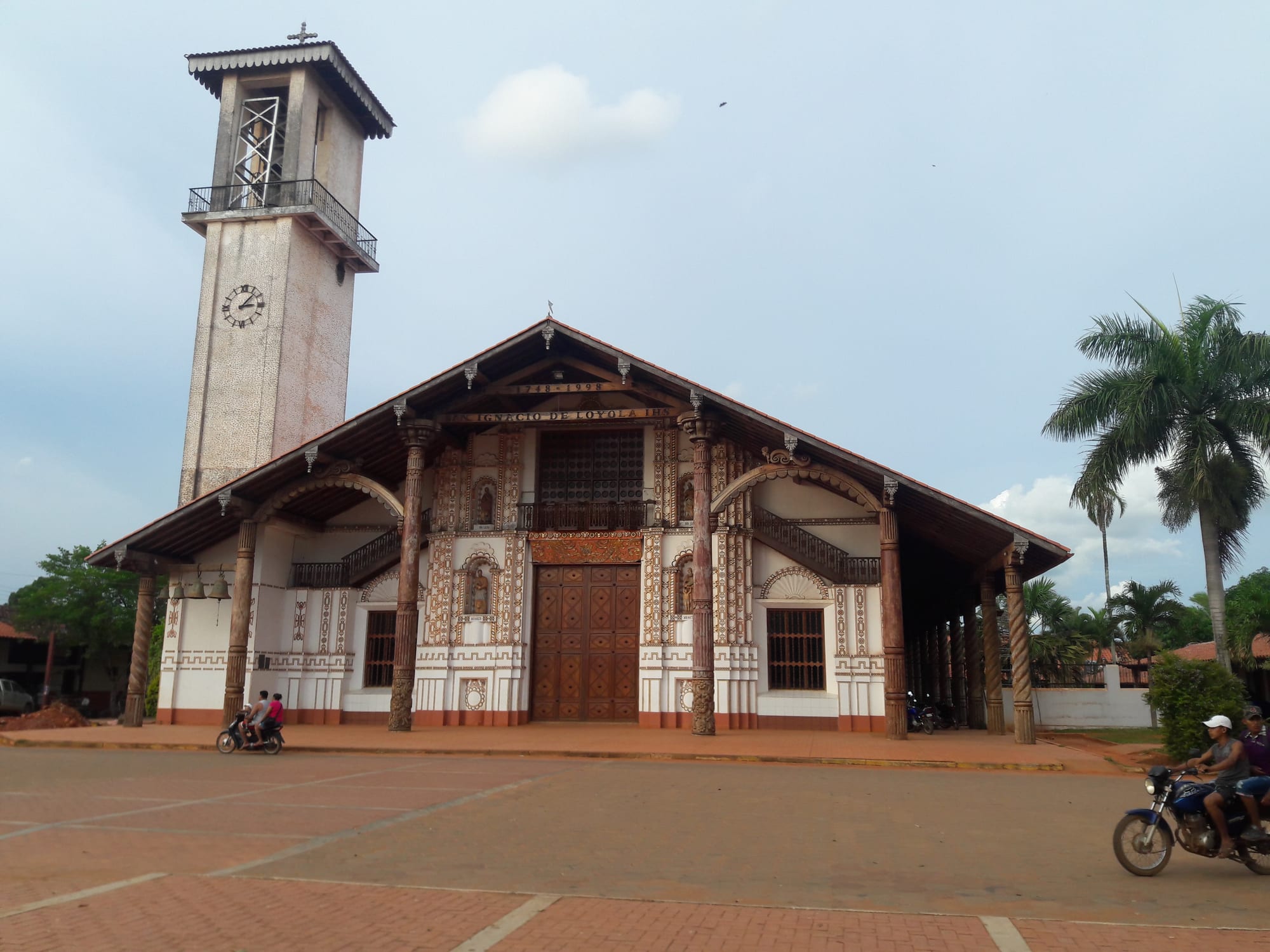
Two days are enough for the town itself and its church. Allow four or five to include the nearby mission towns, more when buses rather than a hired car are used, as services between the villages are infrequent.
- First Visit
- 2 days
- With Surroundings
- 4–5 days
🚆 Transportation
The town centre is small and walkable. The mission towns nearby are reached by taxi, hired car or a bus or two a day, which may require an overnight stay in the villages.
Arrange taxis for the mission circuit the day before and agree the price and stops in advance.
🛬 Airport & Station Connections
San Ignacio is about 476 km by road from Santa Cruz de la Sierra, by bus from the Terminal Bimodal via Concepción and the other western missions; the journey is long. Buses also run east towards the Brazilian border on an unpaved road. The town's airport, about 8 km west, was built in 2018.
🚶 Walkability
The centre is compact and flat, with the church, the market and the plaza a few blocks apart, and the lagoon is within walking distance. Streets away from the centre can be dusty or muddy, and the midday heat is tiring.
🛡️ Safety
Violent crime against tourists is relatively low, but manage the risks: fake-taxi and fake-police scams and express robberies occur in La Paz, Cochabamba, and on the Uyuni and Copacabana routes, and petty theft is common on overnight buses and in markets. San Ignacio is a quiet provincial town. Drug trafficking is active along the Brazilian border, though it rarely affects visitors. Dengue, malaria, yellow fever and other mosquito-borne diseases are present, and forest fires and smoke can close roads in the dry season, as can protests and blockades.
Use insect repellent, get a yellow fever vaccination, and check road conditions before long drives in the dry-season fire months. Check current official travel advice before travelling.
🌦️ Climate
Hot for most of the year. Summer, December to February, falls in the wet season, with heavy rain and humid heat; winter is drier and warm, with cold surazo winds now and then and smoke from fires late in the season.
- Summer
- hot, humid and wet, typically 28–35°C
- Winter
- warm and dry, about 20–30°C, with occasional cool surazo spells
🤝 Local Customs
San Ignacio mixes camba lowland culture with Chiquitano traditions — Chiquitano is the most widely spoken Indigenous language — and the Brazilian border brings a touch of Portuguese. The church is an active place of worship.
Dress modestly in the churches and do not photograph during services without permission. A small tip is appreciated in restaurants.
💳 Common Payment Methods
The currency is the boliviano (Bs). The national dollar shortage and the floating exchange rate since June 2026 make card payments uncertain. Bring enough bolivianos for the whole stay.