💰 Budget
Boa Vista is a modest, moderately priced state capital. Hotels are spread between the centre and the bus station, food is cheap at the riverfront and the food squares, and the main costs are flights, as it is far from the rest of Brazil.
- Daily Budget Midrange
- USD 90–180 (comfortable hotel, restaurant meals, taxis and a river trip)
- Daily Budget Shoestring
- USD 35–60 (basic hotel, food-square meals, city buses and shared taxis)
Prices rise around the June festivals and holidays; buy long-distance bus tickets a day or two ahead.
📅 Best Time to Visit
North of the equator, Boa Vista's seasons run opposite to most of the Amazon. December to March is the dry season, with river beaches exposed and good conditions for trips into the savanna; the rains begin around April and are heaviest in the middle of the year, when the June festivals take place.
⏳ Suggested Number of Days
The city itself needs a day or two. Trips into the savanna and the hills of northern Roraima, or onward travel to Venezuela or Guyana, are what lengthen a stay, as distances are long and transport is limited.
- First Visit
- 1–2 days
- With Surroundings
- 4–6 days
🚆 Transportation
City buses run from the urban terminal in the centre, and shared taxis marked lotação run fixed routes faster for a little more. Ordinary taxis and app-based rides cover the rest. Long-distance buses leave from the international bus station for the interior of Roraima, Manaus, Guyana and Venezuela.
The city is spread out and hot, so taxis or app rides are the practical way between the centre, the bus station and the airport.
🛬 Airport & Station Connections
Boa Vista International Airport has flights from Manaus and Brasília. The BR-174 highway links the city with Manaus, about 11 hours by bus through Presidente Figueiredo, and continues north to the Venezuelan border at Pacaraima. To the east, the road crosses the Rio Branco to Bonfim and the border with Lethem in Guyana.
🚶 Walkability
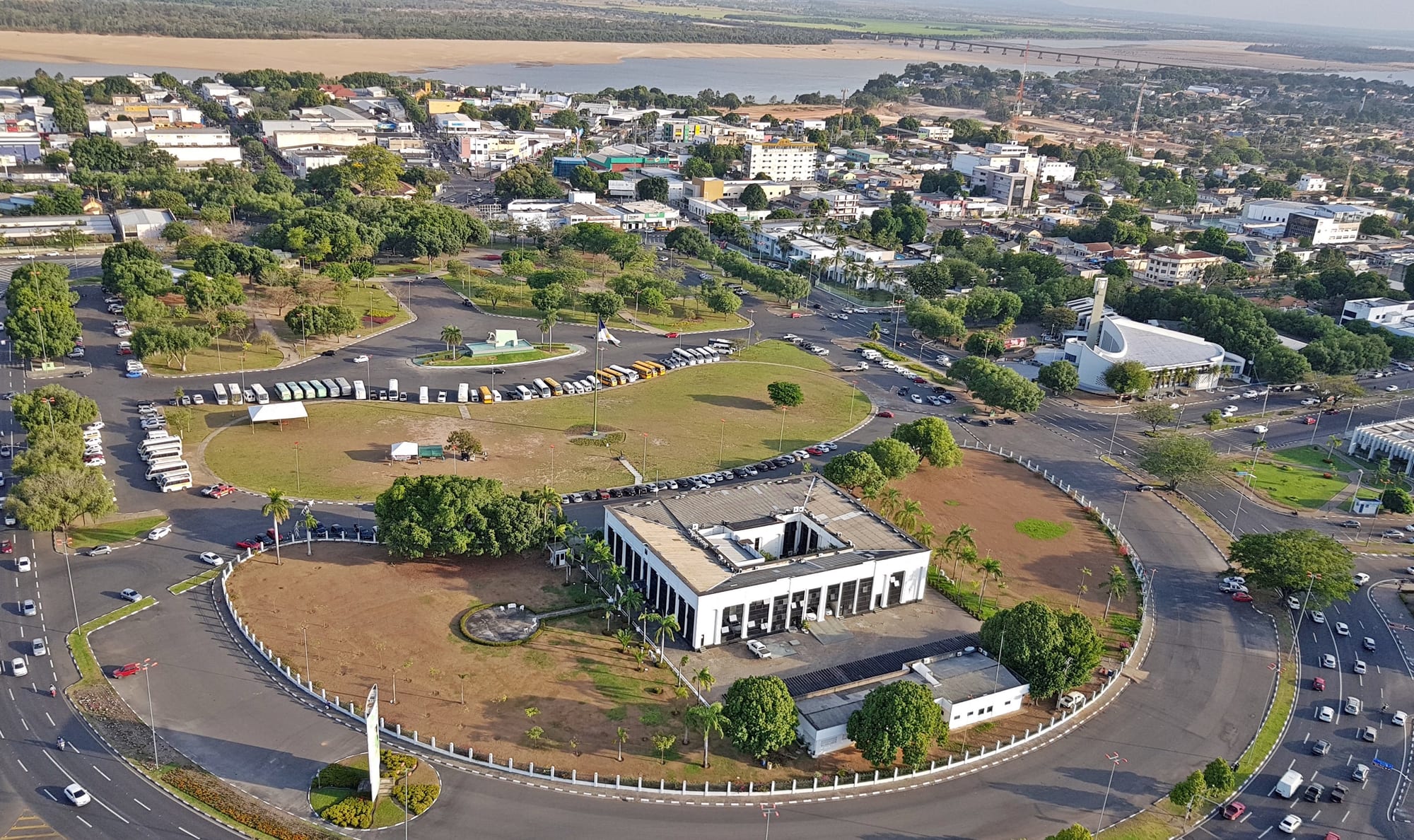
The centre between the Civic Centre and the riverfront is walkable, with broad avenues, squares and shade trees, but the radial plan spreads the city out and the heat makes long walks tiring. The riverfront is the pleasant place to walk, especially in the evening.
🛡️ Safety
Brazil has high rates of crime, including violent crime, and it is the main practical concern for visitors — though very unevenly distributed. Crime in Boa Vista has been rising but remains lower than in many cities of similar size. Illegal gold mining causes conflict in Indigenous territories, which are closed to visitors without official authorisation; malaria is present in rural areas and yellow fever vaccination is advised.
Use taxis or app rides at night, keep valuables out of sight at bus stations, and do not enter Indigenous lands without permission. Check current official travel advice before travelling.
🌦️ Climate
A tropical savanna climate, hot all year with small changes in temperature, around 26–33°C. Because the city is north of the equator, its rainy season falls in the middle of the year and its dry season from December to March.
- Summer
- June–August is the northern-hemisphere summer, here the rainiest and slightly coolest season, still around 26–33°C
- Winter
- December–February is the dry season — hot and sunny, around 26–33°C, with September to November the hottest months
🤝 Local Customs
Portuguese is the language of daily life; Spanish is widely heard because of the large Venezuelan community, and English and Spanish are taught in secondary schools. Life is informal, and the evening walk along the riverfront is a local habit.
Ask before photographing people, especially Indigenous people and migrants, and dress casually but neatly in government buildings and churches.
💳 Common Payment Methods
The currency is the Brazilian real (BRL, R$). Cards and Pix are widely accepted; carry some cash for buses, shared taxis, beach shacks and border towns. Withdraw money by day at ATMs inside banks or shopping centres.