💰 Budget
Coyhaique is the cheapest and best-supplied place to stay in Aysén, with supermarkets, cash machines and the widest choice of rooms in the region, though prices are still above those of central Chile because most goods arrive by long road or by sea. Hire cars, guided trips and boat excursions further south are the big costs.
- Daily Budget Midrange
- USD 110–220 (hotel or cabaña, restaurant meals, a hire car or guided day trips)
- Daily Budget Shoestring
- USD 45–75 (hospedaje or hostel bed, supermarket food, set lunches, local buses)
Stock up on cash, fuel and supplies here before heading south on the Carretera Austral, where cash machines and fuel stations are far apart.
📅 Best Time to Visit
November to April, when temperatures are moderate, the days are long and buses and boats along the Carretera Austral run most often. From May to October it is chilly, snow is possible, and wood smoke from home heating hangs over the valley in June and July.
⏳ Suggested Number of Days
The town itself needs a day or two. Most visitors use it as a base or a supply stop, so the time spent here depends on how many trips into the surrounding reserves and valleys are added and on bus and flight connections.
- First Visit
- 1–2 days
- With Surroundings
- 3–4 days
🚆 Transportation
The Carretera Austral connects Coyhaique to the rest of the region, and in the high season numerous buses along it stop here, with services north towards Chaitén, La Junta and Puerto Cisnes and south towards Lake General Carrera, linking with the ferry to Chile Chico. Outside the main season buses are fewer, and many visitors hire a car.
Two border crossings near Coyhaique lead into Argentina; carry a passport and check crossing hours before setting out.
🛬 Airport & Station Connections
Balmaceda Airport, which handles almost all of Aysén's air traffic, is about 55 km south-east of Coyhaique, close to the Argentine border. LATAM and Sky fly from Santiago, sometimes stopping at Puerto Montt, and minivans meet flights for the transfer to town. Ferries from Puerto Montt and Chiloé dock at Puerto Chacabuco, about an hour west by road.
🚶 Walkability
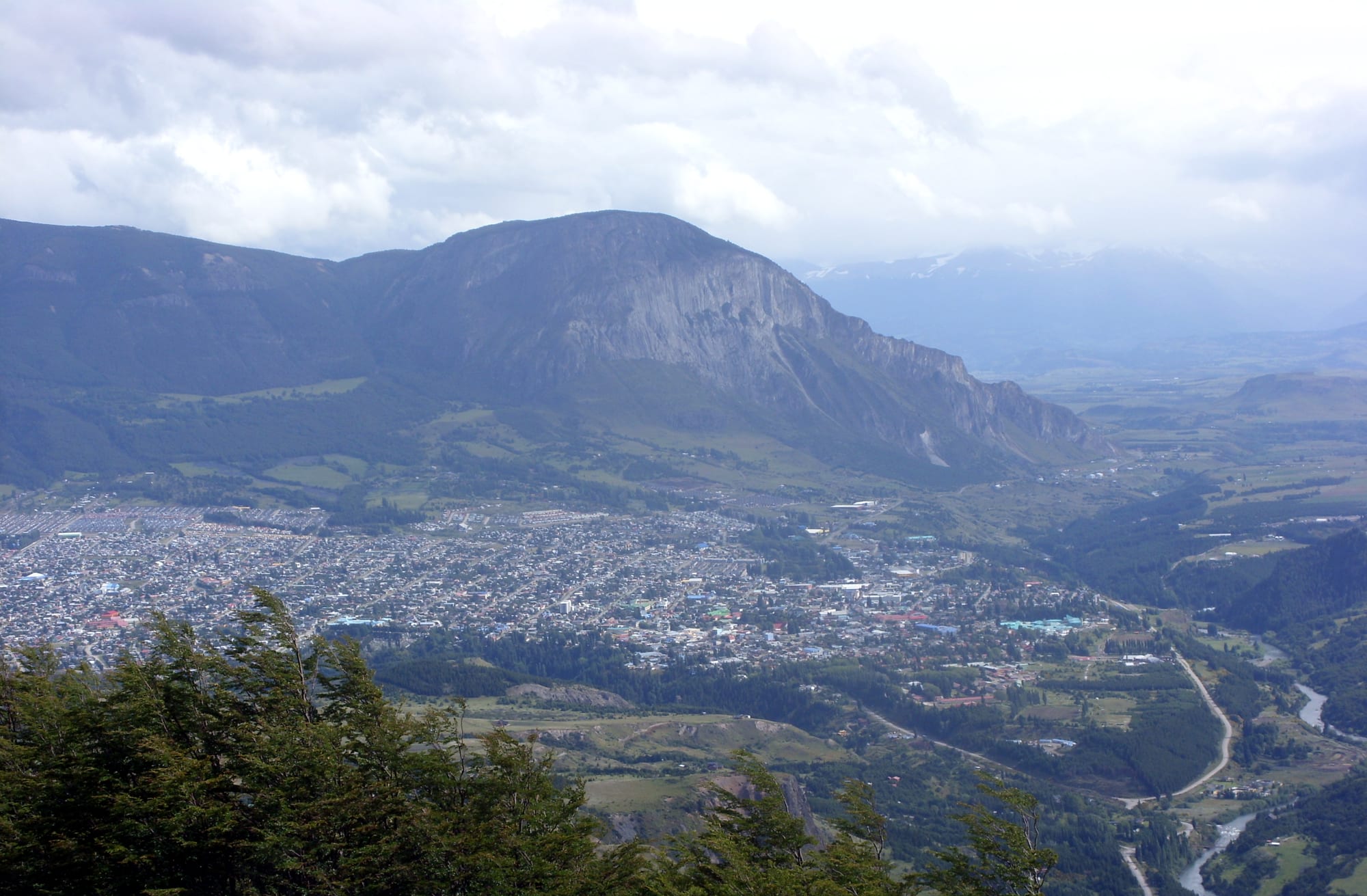
The centre is small and laid out on a grid around the plaza, so it is easily walked; the town grows more residential further from the square. Some streets climb steeply towards the hills, and pavements can be icy in winter. The national reserve's paths begin a few kilometres north of town.
🛡️ Safety
Chile is one of the safer countries in South America, but petty and opportunistic crime has risen, especially in Santiago and Valparaíso — pickpocketing, bag-snatching, phone theft, and distraction scams in tourist areas, markets, and on transport. In Coyhaique the main concern is the air: the town has been declared saturated with fine particles, and in winter wood smoke trapped between the ridges makes its air among the worst in the Americas.
People with asthma or heart and lung conditions should take the winter smog seriously; on the roads beyond town, drive slowly on gravel and carry warm, waterproof clothing. Check current official travel advice before travelling.
🌦️ Climate
An oceanic climate, but much drier than the coastal towns such as Puerto Aysén, because the coastal mountains shelter it from the westerly winds. The surrounding mountains can carry snow all year.
- Summer
- December to February is the warm season — moderate and humid, with highs that can reach 28°C, long days and changeable, windy weather
- Winter
- June to August is cold, with lows that can fall to -15°C, snow possible from May to October and wood smoke over the town in June and July
🤝 Local Customs
Many of Coyhaique's founding families came from Chiloé, Araucanía and Los Lagos after long years in Argentina, and their customs and even their accent carry an Argentine, River Plate flavour: mate shared from a gourd is common, and ranching life shapes local pride. Dress is practical and casual.
Mate is a social ritual, passed round a circle from one gourd; ask before photographing people at work on farms or in markets.
💳 Common Payment Methods
The currency is the Chilean peso (CLP). Cards are widely accepted in Coyhaique's shops, supermarkets and restaurants, and the town has cash machines — the best place in the region to withdraw money, as they are scarce further south.