💰 Budget
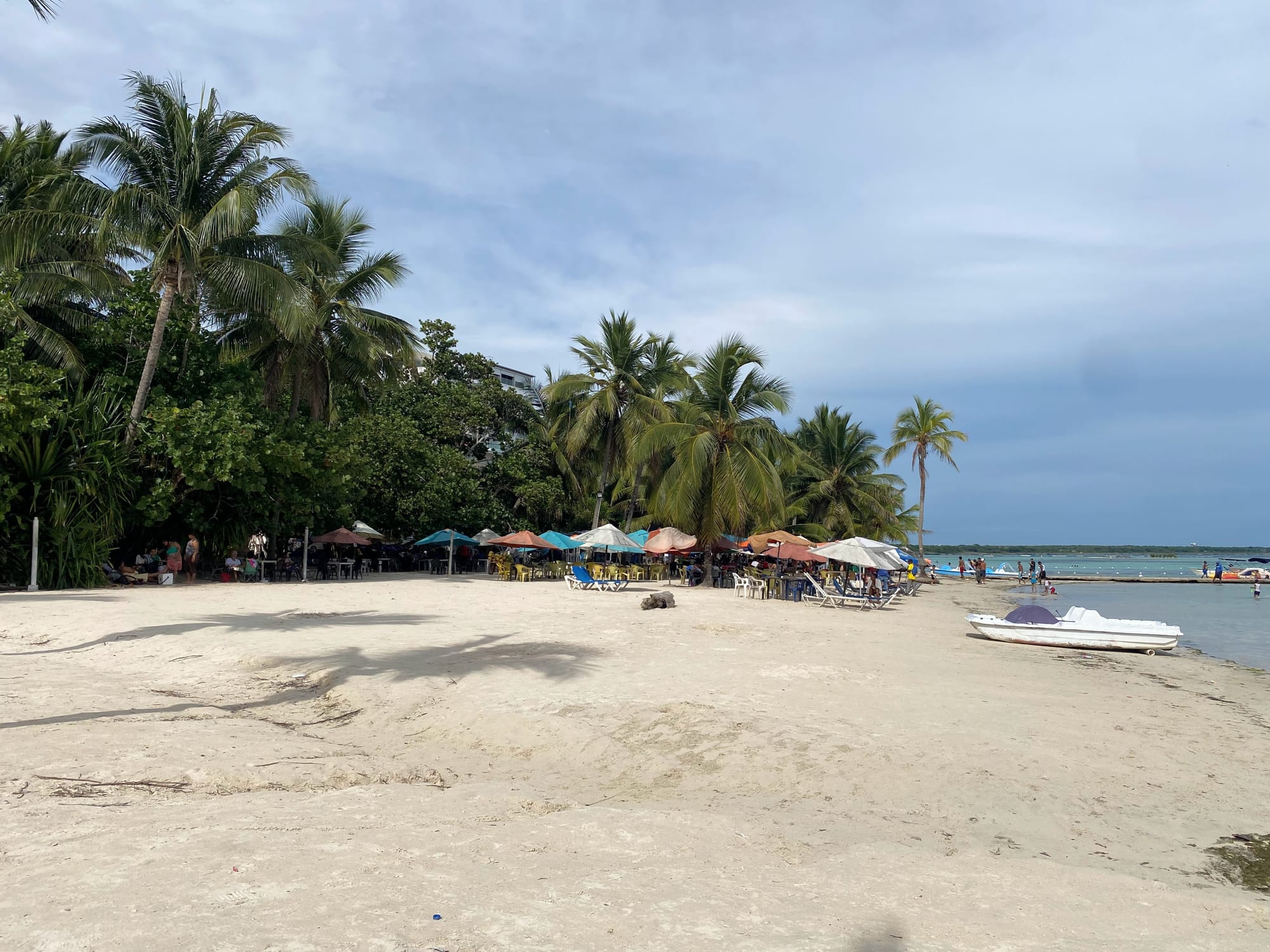
Cheaper than the big resort zones. Simple guesthouses sit alongside larger beach hotels, beachfront food stalls are inexpensive, and guaguas to the capital cost little. Prices rise in the December–April high season and at holiday weekends.
- Daily Budget Midrange
- USD 100–200 (beach hotel, seafront restaurants, taxis, a dive or boat trip)
- Daily Budget Shoestring
- USD 40–70 (guesthouse, fried fish and comedor meals, guaguas)
Visit on a weekday for a quieter beach; weekends and Holy Week bring large crowds from the capital.
📅 Best Time to Visit
December to April is the driest and most comfortable time and the main season for foreign visitors. Weekends all year, and above all Holy Week, fill the beach with families from Santo Domingo. May to November is hotter and wetter, with a hurricane risk.
⏳ Suggested Number of Days
Many people come for a single beach day from the capital. One or two nights suit a stay by the sea; three or four allow time for diving and for the capital's colonial city nearby. Weekday visits are calmer.
- First Visit
- 1–2 days
- With Surroundings
- 3–4 days
🚆 Transportation
The town is small and walkable along the beachfront. Guaguas run along the highway to and from Santo Domingo, and taxis and motoconchos cover short hops. A hire car or taxi is the easiest way to reach Juan Dolio and the beaches further east.
Agree a taxi fare before setting off, and think twice about riding pillion on a motoconcho.
🛬 Airport & Station Connections
Las Américas International Airport, the country's second-busiest, lies at Punta Caucedo just west of the town, and most visitors arrive by taxi. The beach is about 30 kilometres east of Santo Domingo, and the journey time depends on traffic.
🚶 Walkability
The beachfront and the streets behind it are compact and easy on foot, and walking along the sand is the natural way to get about. Reaching Andrés or La Caleta is easier by taxi, and the highway is unpleasant to walk along.
🛡️ Safety
The main tourist areas are heavily policed and generally safe, but the Dominican Republic has significant crime, and petty theft, scams, and occasional armed robbery affect visitors, particularly in Santo Domingo and Santiago. On a crowded beach the usual risks are theft of unattended belongings and persistent vendors. Traffic is chaotic, and hurricanes and flooding can affect the coast in the wet season.
Keep valuables out of sight on the beach, use hotel or app-based taxis at night, and avoid walking alone through empty streets after dark. Check current official travel advice before travelling.
🌦️ Climate
Hot and humid all year, with sea breezes. December to April is drier and a little cooler; May to November is the rainy season, overlapping the Atlantic hurricane season.
- Summer
- hot and humid, around 30–33°C by day along the south coast, with afternoon storms and a hurricane risk from June to November
- Winter
- warm and drier, around 28–30°C by day and about 20°C at night along the south coast
🤝 Local Customs
Boca Chica is a local beach first, and Dominican families set the tone at weekends with picnics, music and dominoes. Swimwear belongs on the beach; cover up in town and in shops. A service charge is often included in restaurant bills, and many people leave a little extra.
A polite but firm 'no, gracias' is enough for beach vendors; ask before photographing people.
💳 Common Payment Methods
The currency is the Dominican peso (RD$). Hotels and larger restaurants take cards, but beach stalls, vendors and guaguas need cash in pesos. US dollars are often accepted on the beach, usually at a poor rate.