💰 Budget
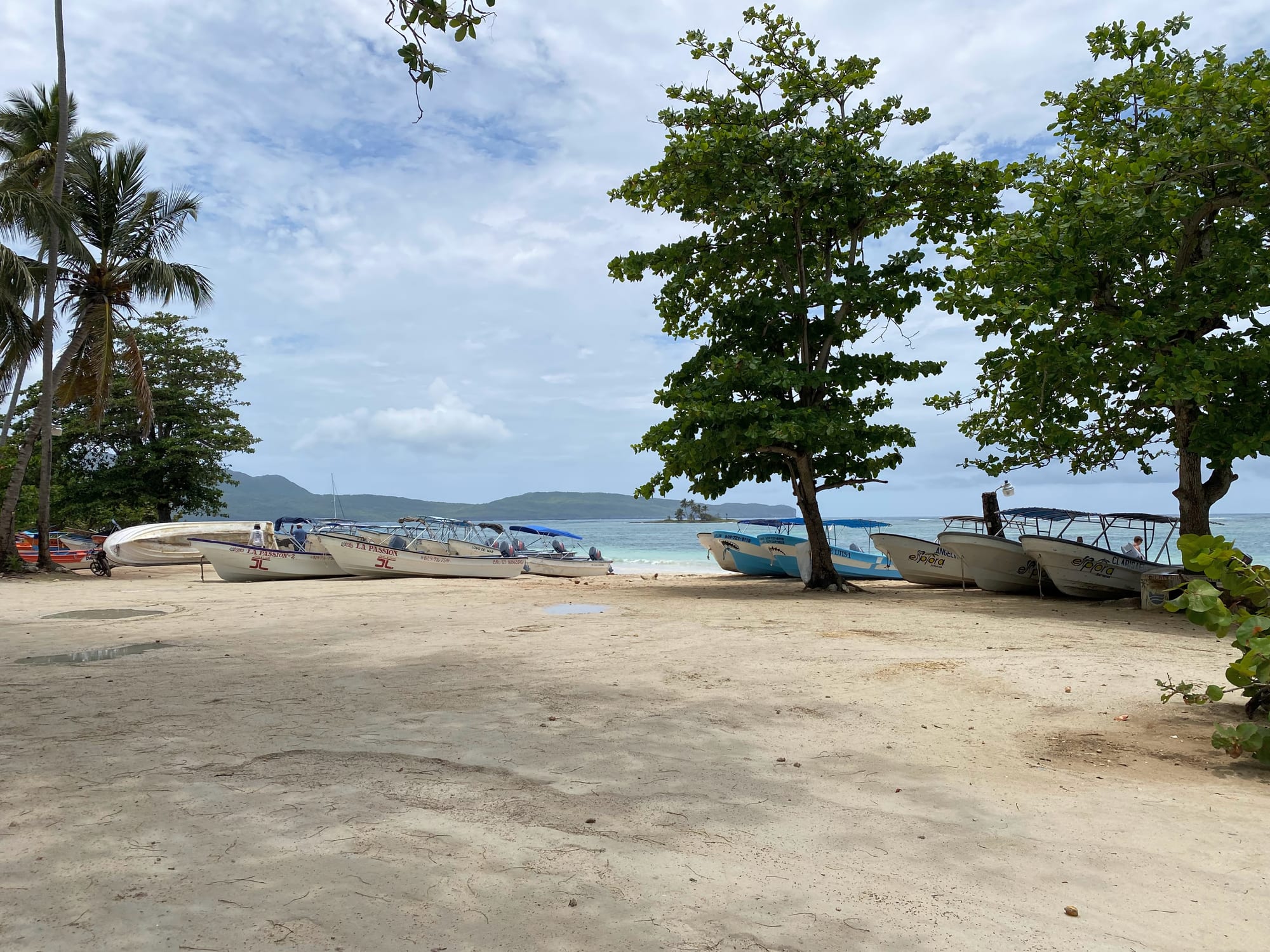
Las Galeras is smaller and more low-key than Las Terrenas, with guesthouses, apartments and small hotels in the village, alongside a single large all-inclusive resort. The main extras are boat trips and taxis to the outer beaches, diving and, in winter, whale watching.
- Daily Budget Midrange
- USD 110–220 (small hotel, restaurant meals, a boat trip to the outer beaches or a whale-watching trip)
- Daily Budget Shoestring
- USD 40–75 (dorm or simple guesthouse, comedor lunches, guaguas and motoconchos)
Bring enough cash before arriving, since ATMs are few and foreign cards are often refused; agree taxi and motoconcho fares before setting off.
📅 Best Time to Visit
The humpback whale season, from about January to mid-April, is the high season and the busiest time in the village. March and April are drier and good for the beaches. December and Easter are the busiest holiday weeks, summer is hot and quiet, and late autumn is the rainiest stretch.
⏳ Suggested Number of Days
Two or three days are enough for the village and its nearest beaches. Allow four or five to reach the remote beaches by boat or trail, dive, and go whale watching in season. The slow road back to Samaná town makes short stays tiring.
- First Visit
- 2–3 days
- With Surroundings
- 4–5 days
🚆 Transportation
Most of the village, including its two town beaches, is within a 20- or 30-minute walk. Motoconchos, motorbike taxis, go almost anywhere, and locals also run taxis in private cars. The outer beaches are reached by road, by boat from Playa Grande or on foot, and many visitors hire a car in a larger city to avoid repeated taxi fares.
The road from Samaná town is easy to follow but potholed in places, so take care, especially on two wheels.
🛬 Airport & Station Connections
Samaná El Catey International Airport, west of Sánchez, serves Samaná Province. Coaches run from Santo Domingo to Samaná town, about three hours on the motorway, and guaguas, local minibuses, cover the last stretch to Las Galeras in about an hour, running from morning to late afternoon.
🚶 Walkability
The village is small and easy on foot: the main road, Playa Grande and La Playita are all within half an hour's walk of one another. Playa Rincón is much too far to walk, and the other outer beaches mean long hikes on forest trails, best done in daylight with water and sturdy shoes.
🛡️ Safety
The main tourist areas are heavily policed and generally safe, but the Dominican Republic has significant crime, and petty theft, scams, and occasional armed robbery affect visitors, particularly in Santo Domingo and Santiago. The Samaná peninsula is generally calm, with petty theft and burglary of holiday rentals the main concerns. Natural risks matter more: strong currents on Atlantic beaches, hurricanes and flooding in the wet season, and poorly maintained boats on some excursions.
Swim where locals do and away from rip currents, wear a helmet on motoconchos, and choose boat operators with life jackets. Check current official travel advice before travelling.
🌦️ Climate
A wet, green stretch of the coast. The trade winds bring rain to the Samaná peninsula year-round, heaviest from autumn into winter as northerly fronts arrive, while temperatures stay warm and steady through the year.
- Summer
- on the Samaná peninsula, hot and humid, 30–32°C, with showers and a hurricane risk from June to November
- Winter
- on the Samaná peninsula, warm, 27–29°C, with frequent showers, especially from November to January
🤝 Local Customs
Las Galeras is a mixed village: most people are Dominican, with Haitian residents and settlers from Italy, France, the United States, Canada, Britain, Belgium and Switzerland. Spanish is the main language, and greetings matter — a 'buenos días' on entering a shop or colmado is expected. Beachwear belongs on the beach, not in shops or the village.
Ask before photographing fishermen or residents, and settle prices for boat trips and rides before setting off.
💳 Common Payment Methods
The currency is the Dominican peso. Some businesses take cards but many, including some hotels, do not. ATMs are few and many foreign cards are refused, so it is better to arrive with cash; a money transfer shop in the village also changes US dollars and euros.