💰 Budget
The town itself is cheap: simple hotels, injera and coffee cost very little. What raises costs is the Omo Valley — a hired 4x4 with driver and guide, park entry and scout fees for Mago, village entry fees and, by local custom, a payment for each photograph taken in the villages. Budgeting for those separately from the town's own low prices is sensible.
- Daily Budget Midrange
- USD 85–170 (a lodge, a 4x4 with driver and guide, park and village fees)
- Daily Budget Shoestring
- USD 20–35 (basic hotel, local eateries, shared minibuses)
Agree the guide's role, the photography arrangement and all fees before entering any village, and carry plenty of small notes, as change is scarce.
📅 Best Time to Visit
December to February is the most reliable period, with dry tracks towards Mago and the Omo villages. The heavier rains from about March to May turn the tracks to mud and can cut off parts of the lowlands, with lighter rains around October and November. Market days shape any visit more than the season does.
⏳ Suggested Number of Days
The town can be seen in a day, with a second for the museum and a market. Three or four allow trips into the surrounding lowlands, which involve long drives on rough tracks. Market days, road conditions and the rains change the number.
- First Visit
- 1–2 days
- With Surroundings
- 3–4 days
🚆 Transportation
Jinka is small enough to walk, with bajaj three-wheelers for longer hops and to the airstrip. Minibuses and buses leave early from the centre for Key Afer, Konso, Arba Minch and Turmi, and can be slow and crowded. Anything beyond the main roads — Mago, the riverside villages — is done by hired 4x4 with a driver, arranged through lodges or local guides in town.
Hire vehicles and guides through an established operator or lodge rather than on the street, and set out early, as journeys on the tracks take far longer than the distances suggest.
🛬 Airport & Station Connections
Jinka Airport lies about four kilometres south of the centre and receives domestic flights from Addis Ababa; a new terminal was opened there in 2024. Schedules change, so it is worth confirming shortly before travel. By road the town is reached on the highway south through Hawassa and Arba Minch and then via Konso and Key Afer, a journey of two long days by bus from Addis Ababa or a full day from Arba Minch.
🚶 Walkability
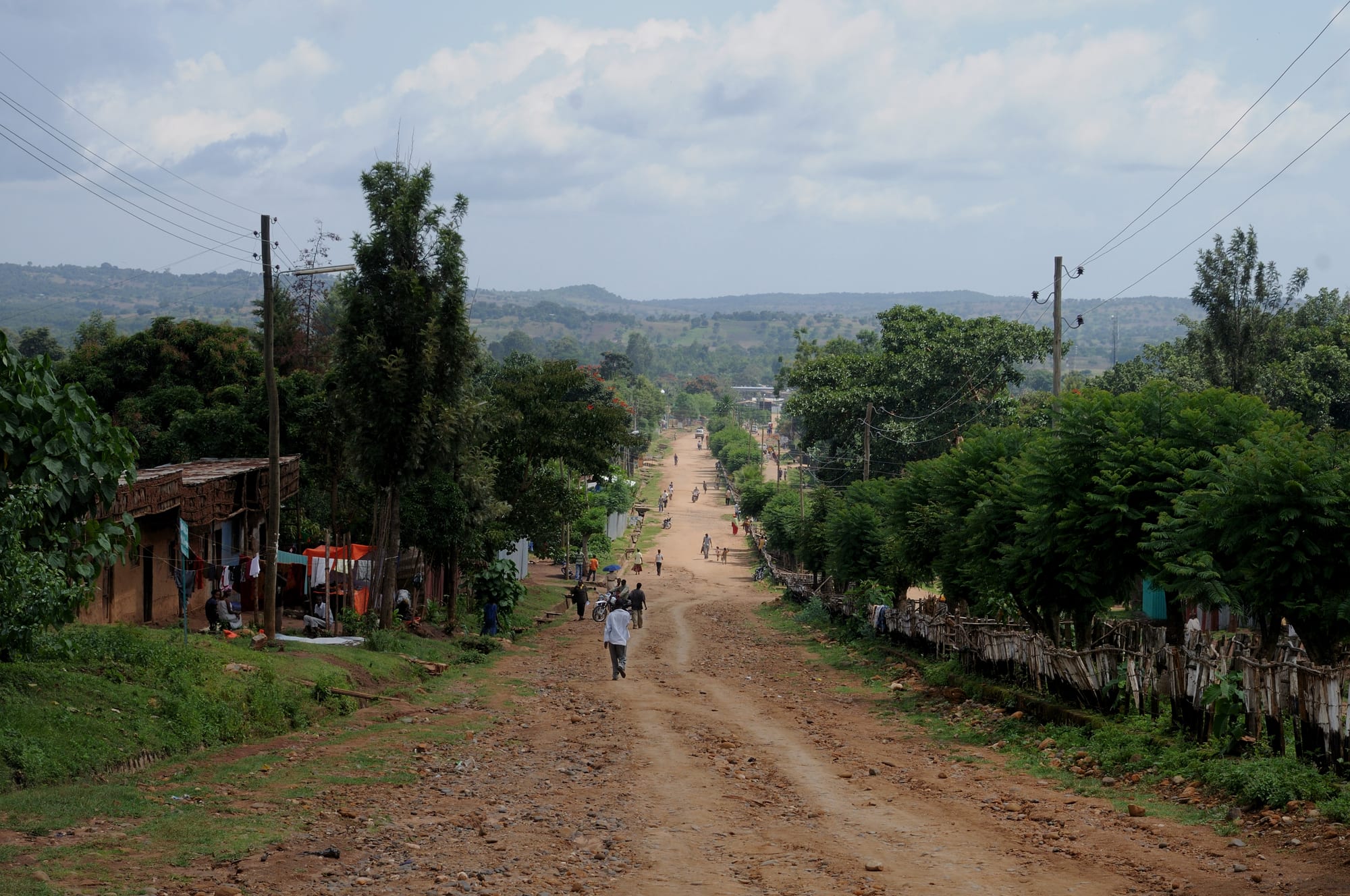
The centre is compact and easily covered on foot: the market, hotels, restaurants and bus stop are within a few hundred metres of each other, and the museum is a steady climb up the ridge behind the town. Streets are unpaved in places, dusty in the dry season and muddy in the rains, and there is little street lighting after dark.
🛡️ Safety
The south is generally calmer than the north of Ethiopia, but not uniformly so: intercommunal clashes over land and cattle occur in the Omo lowlands and along the Kenyan border, and roads can be closed by unrest at short notice. Road accidents on the tracks are a serious risk, and the lowlands are hot, remote and thinly served by medical care.
Check current advisories closely and route around conflict-affected regions. Travel in the Omo with a reputable local guide, avoid the border areas, and do not drive after dark. Check current official travel advice before travelling.
🌦️ Climate
Jinka sits high enough, at around 1,500 metres, to be warm rather than hot, and noticeably cooler than the Omo lowlands below it. The south has two rainy seasons: heavier rains from about March to May and lighter ones around October and November.
- Summer
- warm and often cloudy, commonly 24–29°C by day, with showers in the wetter months
- Winter
- drier and warm, around 27–31°C by day, hotter down in the lowlands
🤝 Local Customs
Jinka sits in Ari country, and Amharic is the language of administration and trade, with English spoken at the museum, in lodges and by guides. Protestant churches are strong, alongside Orthodox parishes and older beliefs in the countryside. Greetings come before any business, and the coffee ceremony frames a serious visit. Dress is modest in town and in villages.
Photography of people in the Omo villages is a paid and negotiated matter that raises real questions of consent and dignity: ask permission every time, accept refusal, agree the arrangement through a guide beforehand, and treat a village visit as meeting people rather than viewing a spectacle. Do not photograph soldiers, checkpoints or government buildings.
💳 Common Payment Methods
The currency is the Ethiopian birr, and this is a cash town: hotels, guides, fees, vehicles and the market all expect notes. Cards are not generally accepted. There are banks and ATMs in Jinka, but they can be out of service, so many visitors draw cash in Arba Minch or Addis Ababa and carry small denominations for fees and change.