💰 Budget
Levuka is inexpensive. Accommodation is limited to a few small hotels, guesthouses and homestays, meals on Beach Street cost very little, and shared carriers and buses are cheap. The main outlay is getting there — a domestic flight or the ferry and bus combination from Viti Levu — and any boat hire for the smaller islands.
- Daily Budget Midrange
- USD 110–200 (the better rooms in town or a nearby island lodge, meals out, a boat trip or guided walk)
- Daily Budget Shoestring
- USD 35–60 (guesthouse or homestay, shared carriers, market and eating-house food)
Bring enough cash from Suva: banking and card facilities in Levuka are limited and machines can be out of service.
📅 Best Time to Visit
May to October is drier and the seas across the strait are calmer, which matters for the ferry and for boats to the smaller islands. Fiji Day in October has particular resonance here. The November to April wet season is hotter and stickier, with heavy rain on the hills behind town and the possibility of cyclones.
⏳ Suggested Number of Days
The historic town itself is small enough to see in a day at a slow pace. A second or third night allows for the island's interior, a beach on the far coast or a boat to a nearby islet, and for the travel time that any crossing to Ovalau involves.
- First Visit
- 1–2 days
- With Surroundings
- 3 days
🚆 Transportation
Everything in town is done on foot. Beyond it, shared carriers — flatbed trucks with benches — run to the villages around Ovalau, and a single daily bus comes in from the west of the island in the morning and returns in the late afternoon, used mainly by schoolchildren and cannery workers. Taxis wait on the main street and can be hired for the trip to Nasova, the airstrip or Lovoni. Boats are arranged informally at the waterfront.
Ask at a guesthouse when the day's carriers leave, as services thin out in the afternoon and stop early in the evening.
🛬 Airport & Station Connections
Ovalau lies off the east coast of Viti Levu. Small aircraft fly from Viti Levu to Levuka Airfield, also known as Bureta, on the island's west side, twenty-two kilometres by road from the town. The alternative is a bus and ferry combination: a road transfer from Suva to the Natovi landing, the crossing to Buresala on Ovalau, and a carrier or minibus over the hills into town. Small boats also cross from Viti Levu in good weather.
🚶 Walkability
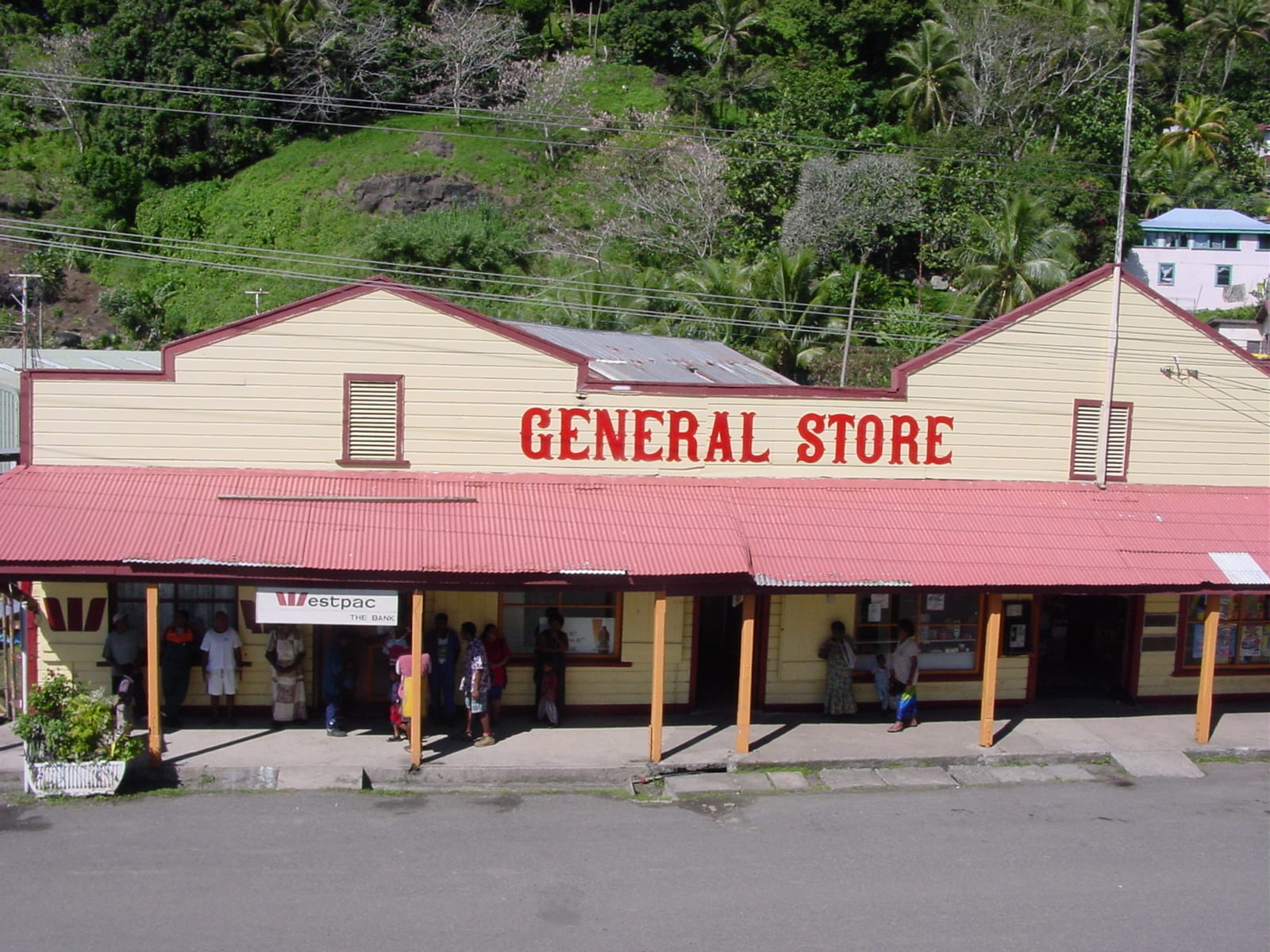
One of the most walkable places in Fiji. The historic street runs for a little over a kilometre along the shore, with almost everything on it, and traffic is light. The verandahs give shade and shelter from showers. The hillside routes are steep and stepped, and unlit after dark, so a torch is useful at night.
🛡️ Safety
Levuka is a quiet town with little crime beyond occasional petty theft. The hazards are practical: the crossing from Viti Levu in rough weather, small boats without much safety equipment, slippery steps and tracks after rain, and distance from serious medical care, as the nearest hospitals of any size are in Suva. Cyclones in the wet season can cut transport and power.
Choose boat operators with lifejackets, walk the hill steps in daylight or with a torch, carry any medicines needed, and ask permission before entering village land. Check current official travel advice before travelling.
🌦️ Climate
Warm and humid all year, with rain in every month and more of it on the hills immediately behind the town. The south-east trade winds keep the middle of the year fresher. As this is the southern hemisphere, summer runs from December to February.
- Summer
- hot and humid — November to April brings daytime highs near 30°C, heavy showers and cyclone risk
- Winter
- warm and breezier — May to October brings highs of about 26–28°C, with passing showers and calmer seas
🤝 Local Customs
This is a small, church-going town where people greet each other in the street; 'bula' and a nod go a long way. Dress modestly away from the water, with shoulders covered and long shorts or a sulu, and take off hats and sunglasses in a village. Sundays are for church and family, and much of the town closes. Visiting a village, including Lovoni, means presenting kava for a sevusevu and waiting to be welcomed.
Tipping is not expected; ask before photographing people, houses or services; and remove shoes before entering a home or a village hall.
💳 Common Payment Methods
The currency is the Fijian dollar. Cash is the norm for meals, carriers, boats and market stalls. Banking and cash machines in town are limited and not always reliable, and card acceptance is patchy outside the larger guesthouses, so it is sensible to arrive with enough Fijian dollars for the whole stay.