💰 Budget
Bolgatanga is one of the cheapest towns in Ghana. Guesthouses are simple and inexpensive, food costs little, and motorbikes and shared taxis cover the town for small change. Baskets and leather goods are the temptation, and hiring a taxi for the day to Sirigu, Tongo or Paga is the main transport expense.
- Daily Budget Midrange
- USD 60–130 (better hotel, restaurant meals, a hired car with driver for village trips)
- Daily Budget Shoestring
- USD 20–40 (guesthouse, chop-bar and street food, tro-tros and shared taxis)
Draw cash in Bolgatanga before heading out to the villages and the border, where cash machines are scarce and mobile money is the usual alternative.
📅 Best Time to Visit
November to February, the cooler part of the dry season, is the most comfortable time, though the Harmattan brings dust haze and chilly nights. March and April are extremely hot. The rains from about May to September turn the savanna green but make village roads difficult.
⏳ Suggested Number of Days
A day covers the town, its market and craft stalls. One or two more allow for the painted village, the hills and the border area, which need hired transport and take longer than the distances suggest.
- First Visit
- 1 day
- With Surroundings
- 2–3 days
🚆 Transportation
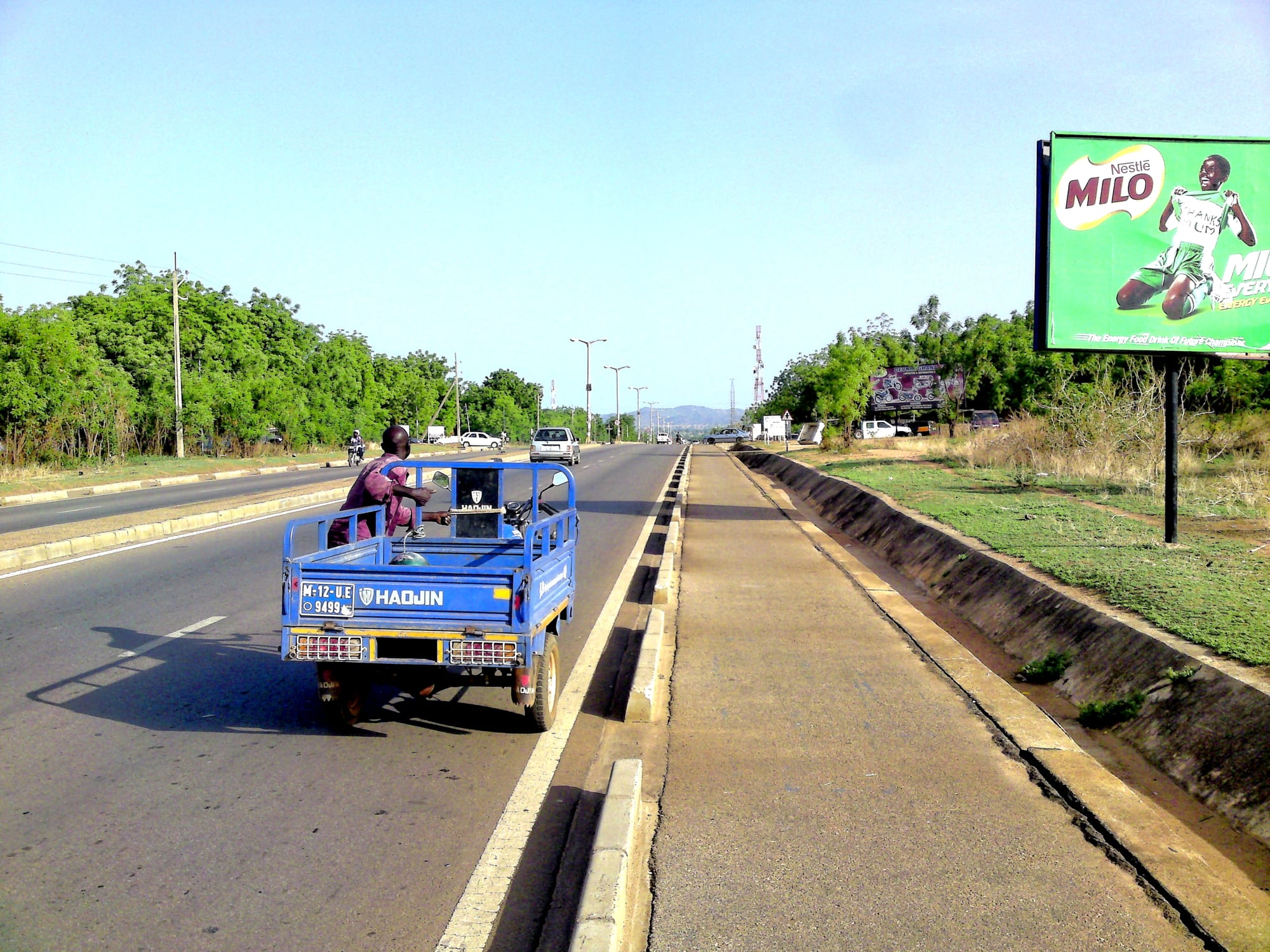
Motorbikes and motor tricycles dominate the streets, and shared taxis run routes across the town cheaply. Tro-tro minibuses and coaches leave the lorry park for Tamale, Navrongo, Paga, Bawku and the south, and taxis can be hired by the trip or the day for the villages, which have little scheduled transport.
Agree fares before setting off, travel between towns by day, and arrange a return journey when visiting villages, as transport back thins out in the afternoon.
🛬 Airport & Station Connections
Bolgatanga lies about 160 kilometres north of Tamale, roughly three hours by road, with coaches and minibuses running through the day, and long-distance coaches continue from Accra and Kumasi. The nearest airport is Tamale. The Paga crossing into Burkina Faso is about an hour north through Navrongo.
🚶 Walkability
The centre is flat, small and easily walked — the market, the lorry park and the offices are all within a few hundred metres of one another. Pavements are intermittent and shade is scarce, so the middle of the day is hard going in the heat, and the outer neighbourhoods are spread out enough that most people use a motorbike or shared taxi.
🛡️ Safety
The town itself is generally calm, with the usual pickpocketing risk in crowded markets and lorry parks and heavy motorbike traffic on the roads. The wider Upper East has specific concerns: a long-running chieftaincy dispute in and around Bawku, to the east, has caused repeated violence and curfews, and the districts along the Burkina Faso border carry a risk of spillover from the insurgency there.
Check current official advice on the Bawku area and the Burkina Faso border districts before going, follow curfews and local guidance, and stay with local guides at the shrines and in the hills. Check current official travel advice before travelling.
🌦️ Climate
Hot, dry savanna climate with one rainy season, from about May to September, and a long dry season for the rest of the year. The Harmattan blows dust from the Sahara between November and February, giving hazy days and cool nights, and March and April bring the fiercest heat before the rains.
- Summer
- the rains, about May to September: 24–33°C, humid, with heavy storms
- Winter
- the dry season, about November to April: 17–40°C, dusty and hazy, then very hot in March and April
🤝 Local Customs
This is Frafra country, where Gurune is the everyday language and greetings are long and important. Chiefs and earth priests, the tendana who hold authority over land and shrines, both matter, and shrines and sacred groves are entered only with a custodian's permission and sometimes under conditions. Christian, Muslim and traditional practice sit side by side.
Ask before photographing people, compounds or shrines, follow the custodians' instructions at Tengzug, dress modestly, and use the right hand for giving and receiving.
💳 Common Payment Methods
The currency is the Ghanaian cedi. Cash and mobile money run nearly everything; bank ATMs and card payment exist in the town centre but not in the villages. Small notes are needed for taxis, motorbikes and market stalls, and traders near the border may also handle West African CFA francs.