💰 Budget
There is effectively no tourism in Port-au-Prince at present. The few people who travel there — aid workers, diaspora Haitians, journalists and missionaries — usually rely on fortified hotels, private security and arranged vehicles, which makes any stay expensive. Cash in US dollars and gourdes is essential.
- Daily Budget Midrange
- USD 150–350+ (secured hotel and arranged transport)
- Daily Budget Shoestring
- USD 150+ (no realistic shoestring option given the security situation)
Any movement is planned around security; independent travel is not advisable.
📅 Best Time to Visit
In more normal times the drier months from December to March were the season. The city's wet season runs from March to November, with peaks in April–May and August–October and a lull in June and July. At present the security situation, not the weather, decides whether any visit is possible.
⏳ Suggested Number of Days
In calmer times two or three days covered the capital and four or five added the hills and nearby communes. Today the length of any stay is set by security arrangements rather than by sightseeing.
- First Visit
- 2–3 days
- With Surroundings
- 4–5 days
🚆 Transportation
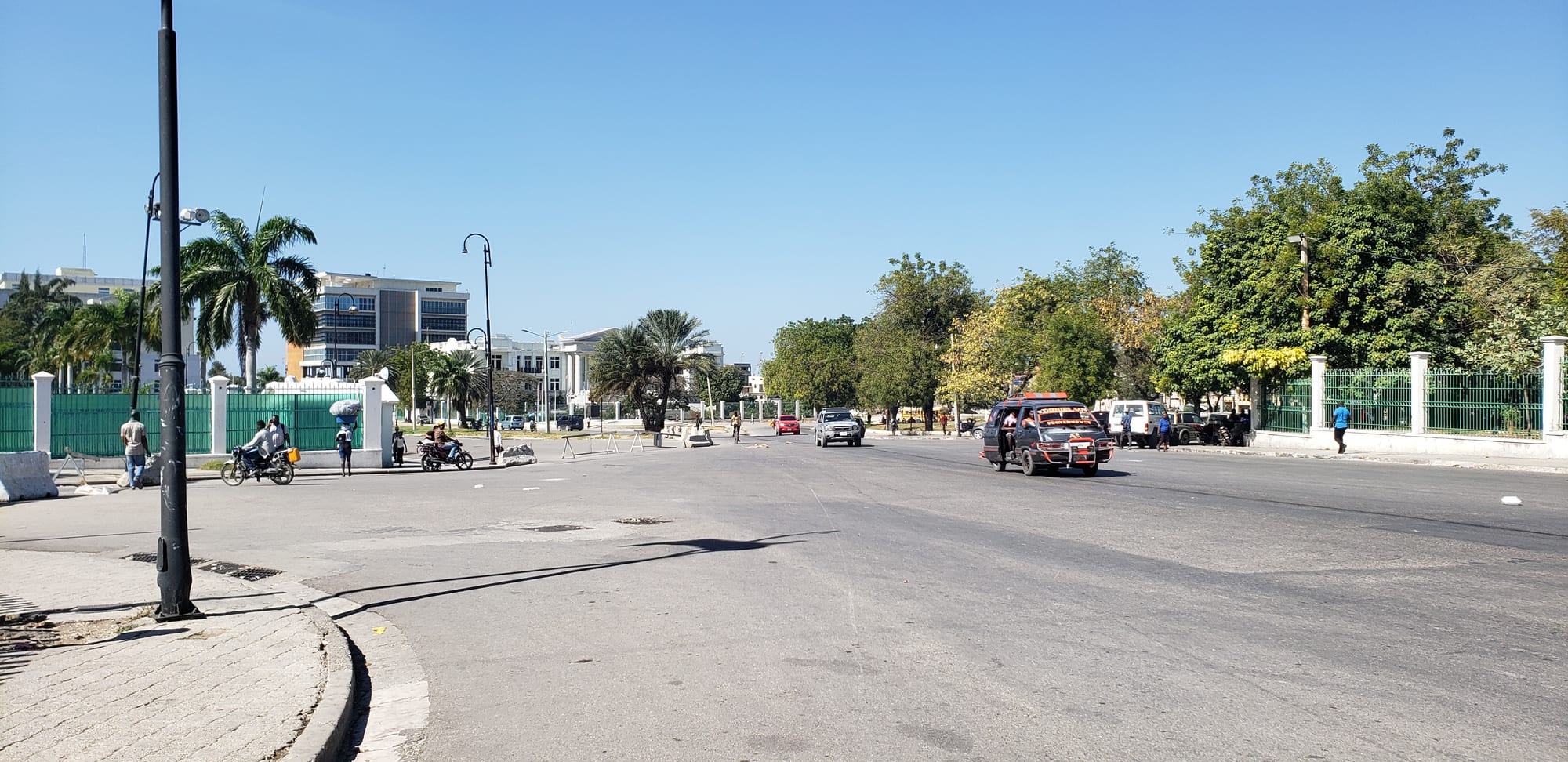
Gangs control most of the city and the main roads around it, and overland travel through Port-au-Prince is extremely dangerous. Residents rely on tap-taps — brightly painted shared pick-ups and buses on set routes — and motorbike taxis; the few outside visitors move only in arranged vehicles, and aid operations use helicopters to bypass blocked roads.
Overland travel through Port-au-Prince is extremely dangerous; movement is planned with professional security advice.
🛬 Airport & Station Connections
Toussaint Louverture International Airport lies north of the city. It was shut to commercial flights for long periods in 2024 after gang attacks, resumed commercial operations in June 2025; in November 2025 the Haitian airline that had restarted services there suspended all its flights after one of its aircraft was reportedly hit by bullets while taxiing. Whether any flights operate should be confirmed before any plans are made.
🚶 Walkability
The old downtown lies around the Champ de Mars, and in earlier years many districts were walked by residents. Today walking anywhere in the capital is governed by the security situation, and outside visitors do not move on foot between districts.
🛡️ Safety
This is the decisive fact about Haiti today. Since 2020 Port-au-Prince has been paralysed by gang violence: armed groups have been estimated to control as much as 90 per cent of the city, and kidnapping for ransom, killings, sexual violence and looting are widespread. The airport and the hill commune of Kenscoff have come under attack since 2024, and the palace grounds have been repeatedly threatened in 2025 and 2026. Most governments advise against all travel to the country.
Globeway covers Haiti so it can be understood, not to encourage travel there now. Anyone with an unavoidable reason to go should take professional security advice and read their government's current advisory in full. Check current official travel advice before travelling.
🌦️ Climate
A tropical savanna climate with fairly constant temperatures all year: warm and humid in the short dry season, hot and humid in the long wet season, which runs from March to November. The Atlantic hurricane season, June to November, brings a serious annual threat of storms.
- Summer
- hot and humid — Haiti's coast is typically 28–34°C, with heavy rain in April–May and August–October
- Winter
- December to February is the drier season, still warm and humid — coastal Haiti is typically 28–34°C — with cooler nights in the hills above the city
🤝 Local Customs
Kreyòl is the language of the street and French the language of government and formal life. Greetings matter: a 'bonjou' or 'bonswa' comes before any request. Vodou, Catholicism and evangelical Protestantism all have a strong presence, and Vodou ceremonies are religious rites, not shows.
Ask before photographing people, especially in markets and at religious ceremonies; dress modestly in churches.
💳 Common Payment Methods
The currency is the Haitian gourde, though prices are often quoted in the notional 'Haitian dollar' of five gourdes, and US dollars circulate widely. Cash is essential; cards work only in a few larger businesses, and the gourde has lost value steadily during the crisis.