💰 Budget
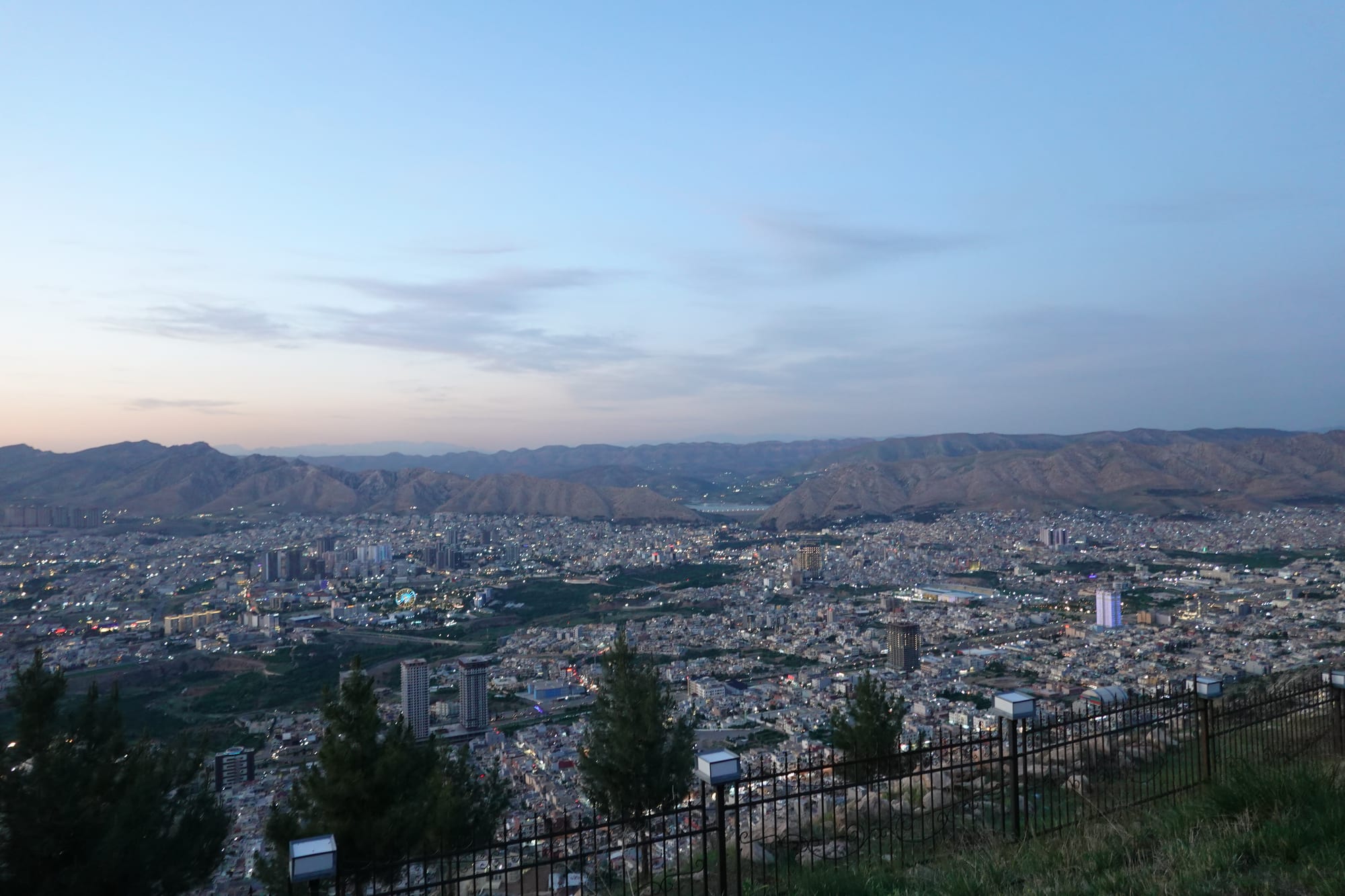
Duhok is a little cheaper than Erbil, with simple and mid-range hotels along the main roads and a few larger ones near the centre. Local food costs very little, and the main expense is a car with a driver for the mountains, Lalish or the border towns. Cash in dinars and dollars is essential.
- Daily Budget Midrange
- USD 110–230 (good hotel, restaurants, car and driver for day trips)
- Daily Budget Shoestring
- USD 40–70 (simple hotel, local restaurants, shared taxis)
Carry US dollars and change them into dinars in the bazaars; foreign cards work in few places outside the bigger hotels.
📅 Best Time to Visit
March to May, when the hills are green and the Newroz festival on 21 March fills the valleys with bonfires and picnics, and September to November for mild days and the fruit harvest. Summer is hot in the valley but pleasant in the mountains above. Since February 2026 the war between the United States and Israel and Iran and its allies has disrupted flights and travel across the Middle East, so current conditions matter more than the season.
⏳ Suggested Number of Days
A day or two covers the city itself, which is small. Three or four allow the mountain towns, valleys and shrines of the province that most visitors come for. Mountain roads and checkpoints add time to every trip.
- First Visit
- 1–2 days
- With Surroundings
- 3–4 days
🚆 Transportation
Taxis are the usual way to move around the city and are inexpensive, and shared taxis and minibuses leave from the garages for Erbil, about two and a half hours away, for Zakho and the Turkish border, and for the towns of the province. The mountain sights need a car and driver for the day, and the internal boundary with federal Iraq to the south has its own checkpoints.
Carry a passport at all times for checkpoints, and confirm before setting out whether a road to federal Iraq is open to foreigners.
🛬 Airport & Station Connections
Duhok has no commercial airport in service, though an international airport is being built near Semel; most visitors fly into Erbil, roughly two and a half hours away by road, and air travel across the region has been disrupted since the war that began in February 2026. The Ibrahim Khalil crossing near Zakho, about an hour north-west, carries road traffic to and from Turkey. Since 2025 a single Iraqi e-visa covers both federal Iraq and the Kurdistan Region.
🚶 Walkability
The centre and bazaar are compact and easily walked, and the valley floor is flat. The residential districts climb steep slopes on both sides, which makes walking hard work, pavements are uneven and traffic is heavy on the main roads, so taxis are used for anything outside the middle of town.
🛡️ Safety
Globeway covers this city so that it can be understood. The Kurdistan Region is the part of Iraq most visited by independent travellers and is relatively safe, though some governments still advise caution or against travel. Street crime against visitors is uncommon. Turkish military operations against armed Kurdish groups affect the mountains north of the city and have caused casualties in border districts, drone attacks on positions in the region followed the start of the regional war in February 2026, and old minefields remain in border areas.
Follow the current government travel advisories, keep well away from the Turkish and Iranian border zones, stay on marked paths in the mountains, and avoid demonstrations. Check current official travel advice before travelling.
🌦️ Climate
Cooler and wetter than most of Iraq, sheltered in its valley between ridges. Summers are hot and dry, winters cool and wet with snow on the mountains, and spring brings rain, green hillsides and wildflowers.
- Summer
- hot and dry, commonly 36–43°C by day, cooler in the hills above the city
- Winter
- cool and wet, around 3–13°C, with occasional snow in the city and more on the surrounding ranges
🤝 Local Customs
Duhok speaks Badini, a form of Kurmanji Kurdish, rather than the Sorani of Erbil and Sulaymaniyah, and is the more conservative of the region's cities in dress and manners. Most people are Sunni Muslims; Christians and Yazidis live in the city and the surrounding villages, many of them displaced after 2014. Modest dress is expected of everyone, and hospitality is pressed on guests.
Ask before photographing people, and do not photograph checkpoints, soldiers, police or government buildings. At Lalish visitors enter the shrine area barefoot and must not step on thresholds; dress modestly and cover the head at churches and mosques.
💳 Common Payment Methods
The currency is the Iraqi dinar, and US dollars are held and changed widely, especially at the bazaar money changers. Cards are accepted in a few larger hotels and rarely elsewhere, and ATMs are limited, so visitors bring clean, undamaged dollar notes and change them as they go.