💰 Budget
Ipoh is one of the cheapest cities of its size in Malaysia. Coffee-shop meals cost very little, and hotels — including restored shophouse guesthouses in Old Town — are well below Penang or Kuala Lumpur prices. The main extra costs are taxis or car hire, since the sights are scattered, and entry to the theme park at Tambun.
- Daily Budget Midrange
- USD 60–110 (heritage or business hotel, restaurant meals, Grab or a hire car, a cave temple and museum day)
- Daily Budget Shoestring
- USD 20–35 (guesthouse or hostel, coffee-shop and hawker meals, walking and Grab for the temples)
Rooms fill and prices rise over Chinese New Year and long weekends, when Malaysians come for the food; weekdays are cheap and quiet.
📅 Best Time to Visit
Ipoh is warm and humid all year and there is no bad season, only wetter months. December to March is generally the driest and most comfortable stretch. September to November brings the heaviest rain, usually in afternoon storms. Chinese New Year is lively but closes many of the best coffee shops for several days, which matters in a city visited for food.
⏳ Suggested Number of Days
A day or two covers the old town, the cave temples and a proper run of meals. Three or four allow the caves, waterfalls and royal town elsewhere in Perak, or a slower pace in the heat. Many visitors stop here on the train between Kuala Lumpur and Penang.
- First Visit
- 1–2 days
- With Surroundings
- 3–4 days
🚆 Transportation
The two old-town grids are walkable, but everything else is spread out and there is little useful public transport. Grab is cheap and the usual way to reach the cave temples, Tambun and the suburbs. Local buses run from the Medan Kidd terminal, slowly. Hiring a car makes sense for anyone heading into the Kinta Valley or further into Perak.
Cave temples and parks sit on fast roads with no pavements, so arrange the return trip as well; mobile coverage is good enough to call a Grab from most of them.
🛬 Airport & Station Connections
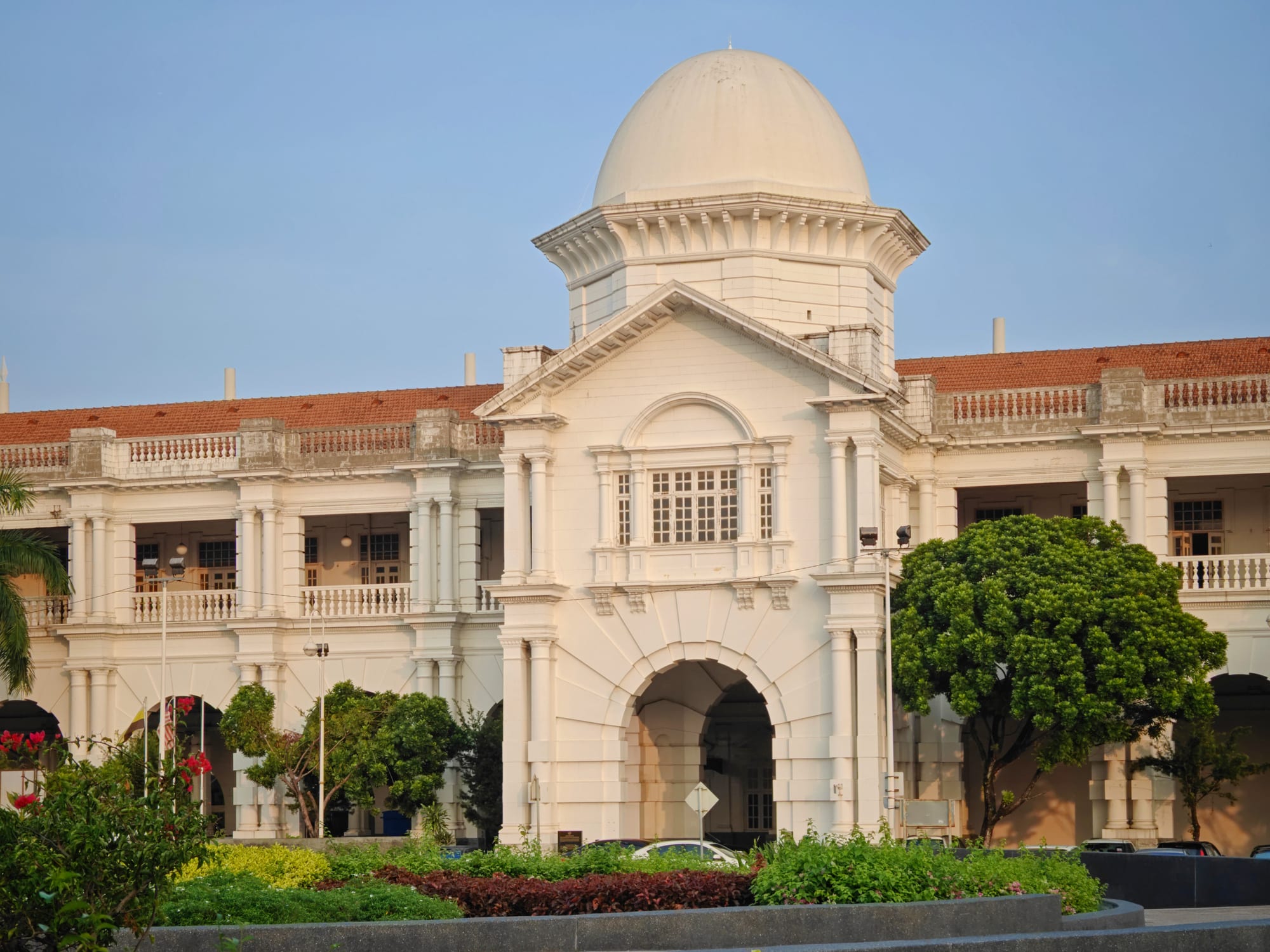
Electric ETS trains put Ipoh about two hours from Kuala Lumpur and about an hour and a half from Butterworth, opposite Penang, arriving at the colonial station in Old Town. Long-distance coaches use the Amanjaya terminal north of the city. Sultan Azlan Shah Airport, just south of the centre near Gunung Rapat, handles a small number of regional flights.
🚶 Walkability
Old Town and New Town are flat, gridded and easy to cover on foot, and the arcaded five-foot ways in front of the shophouses give some shade. Crossings are scarce, traffic moves quickly on the one-way streets and the arcades are often blocked by parked motorcycles. The heat and humidity make the middle of the day slow, and the cave temples and hills are too far to walk to.
🛡️ Safety
Ipoh is a quiet and generally safe city with little crime aimed at visitors. The usual problems are bag-snatching by motorcyclists on the older streets, opportunistic theft, and road traffic, which is the real risk for pedestrians. Monkeys around the cave temples and hill paths take food and loose bags, and limestone steps are slippery after rain.
Carry bags away from the road and take care crossing the one-way streets. Check the latest advice before booking any island or dive trip off eastern Sabah, wear bags on the traffic-free side, dress modestly around mosques and in the religious east-coast states, and note that drug trafficking carries a mandatory death penalty. Check current official travel advice before travelling.
🌦️ Climate
Equatorial, hot and humid all year, in a valley ringed by limestone hills that traps the heat and keeps nights warm. Rain comes as heavy afternoon and evening thunderstorms rather than long drizzle, and the wettest months are usually around April and again from September to November.
- Summer
- hot and sticky, typically 24–33°C, with thunderstorms most afternoons
- Winter
- slightly drier from about December to March, typically 23–32°C, still hot and humid
🤝 Local Customs
Ipoh is a largely Chinese city in a Malay state with a substantial Indian population, and Cantonese is widely heard in the coffee shops alongside Malay, Mandarin and English. Shoes come off at temples and in many homes; shoulders and knees should be covered at mosques and temples. Coffee-shop tables are shared without ceremony at busy times.
Tipping is not expected. Many of the best-known coffee shops and stalls open early and close by mid-afternoon, and some shut one day a week. Ask before photographing worshippers in the cave temples.
💳 Common Payment Methods
The currency is the Malaysian ringgit (RM). Cards are taken in hotels, malls and larger restaurants, and QR payment apps are widespread, but the old coffee shops, hawker stalls and markets that make the city worth visiting are mostly cash. ATMs are common in both town centres.