💰 Budget
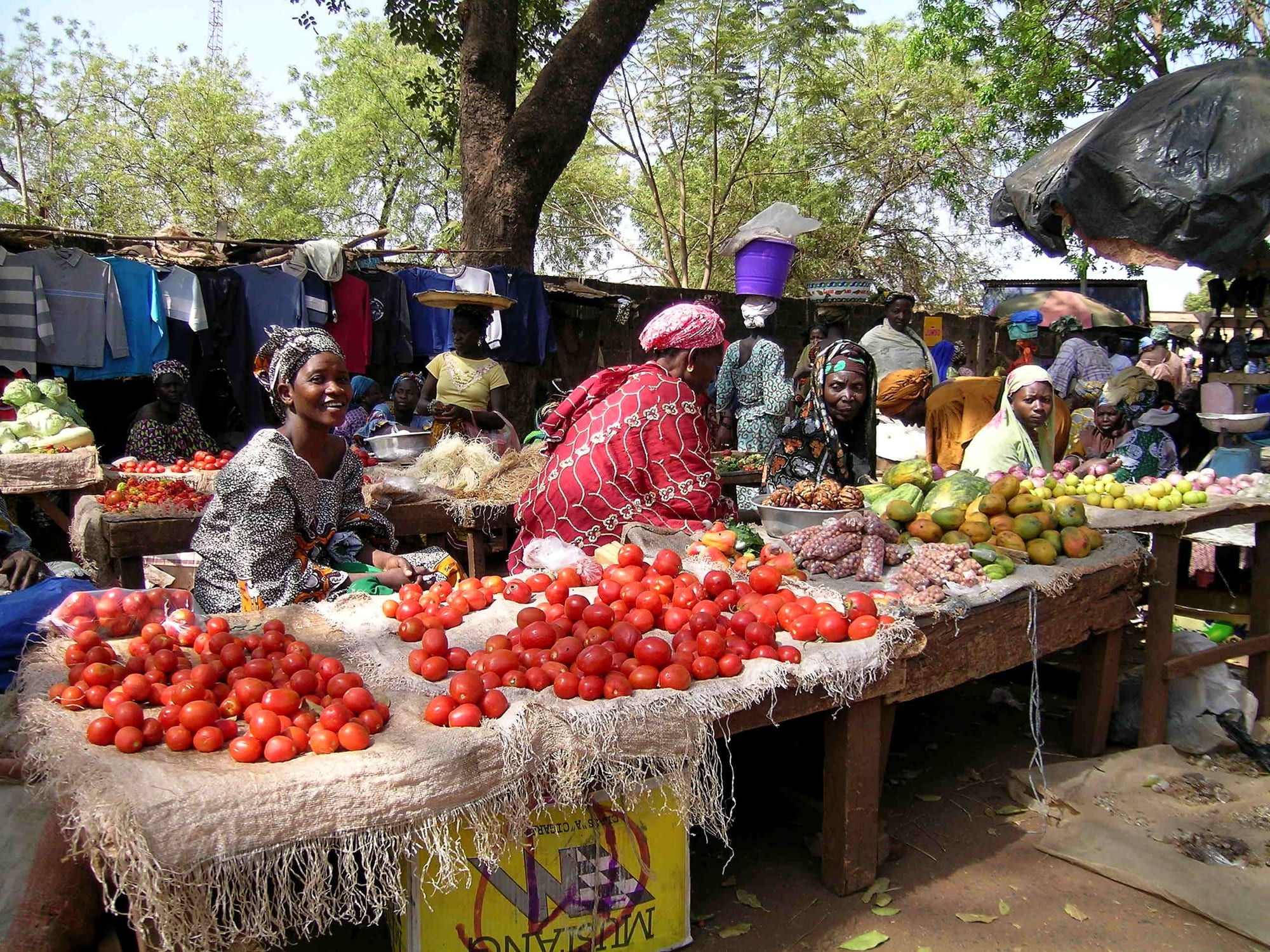
Sikasso is a working market town with no tourist economy. Local prices for food, transport and simple rooms are low, but anything arranged for a foreign visitor — a hired car with a driver, a security-conscious hotel, a local contact — costs far more and is the reason the middle range is so high. Fuel shortages have at times pushed transport prices up sharply.
- Daily Budget Midrange
- USD 170–350 (Bamako hotel, driver and a local fixer)
- Daily Budget Shoestring
- USD 50–90 (a basic guesthouse, market food, shared taxis and buses)
Bring cash in CFA francs from Bamako; bank branches exist but ATMs are unreliable and cards are rarely accepted.
📅 Best Time to Visit
November to February is the cooler, drier part of the year and the easiest for travel on the region's roads. The rains from June to October turn the country green and fill the waterfalls but make dirt tracks difficult, and March to May is very hot. Mangoes ripen towards the end of the dry season. Security, not the season, decides whether travel is possible.
⏳ Suggested Number of Days
A day or two is enough for the town itself, its market and the hill at its centre. Another day or two allows for the caves, the falls and the farming country around, if movement outside the town can be arranged safely.
- First Visit
- 1–2 days
- With Surroundings
- 2–3 days
🚆 Transportation
Shared taxis, minibuses and motorbikes serve the town and the villages around it, and long-distance buses run from the lorry parks towards Bamako, Bougouni, Koutiala and the borders. The airport has no scheduled flights. Distances within Sikasso are short but the outlying quarters are spread out.
Do not travel between towns after dark, and check local security advice before using any road out of Sikasso.
🛬 Airport & Station Connections
Sikasso lies about 375 kilometres south-east of Bamako on the paved trunk road that continues to Côte d'Ivoire and, by another branch, to Burkina Faso; the bus journey from the capital takes most of a day. The town's airport has no regular passenger service, so the only flights into Mali are to Bamako. Convoys on the region's roads have been attacked, and fuel supplies have been disrupted.
🚶 Walkability
The centre is small and flat enough to cross on foot in half an hour, and the market, the Mamelon and the main offices are close together. Beyond that the town spreads into low compounds along unpaved roads, and heat, dust and rainy-season mud make walking hard work; most people use a motorbike or a shared taxi.
🛡️ Safety
Most governments advise against all travel to Mali, including the south. Sikasso is calmer than the centre and north of the country, but the region is no longer spared: the al-Qaeda-linked JNIM imposed a blockade on fuel imports from the neighbouring countries in September 2025, crippling the state's functioning in the south until a prisoner-exchange truce lifted it, and from 25 April 2026 JNIM and the Azawad Liberation Front launched the largest coordinated offensive since 2012. The border areas with Burkina Faso and Côte d'Ivoire are particularly exposed. Kidnapping of foreigners is a real risk and armed robbery on the roads is common.
Globeway covers Mali so its history and culture can be understood — the empires, the manuscripts, the music, the mud architecture — not to suggest that a visit is currently possible or wise. Move only with trusted local contacts, avoid the border zones, and never travel by road at night. Check current official travel advice before travelling.
🌦️ Climate
The wettest part of Mali, with over a metre of rain a year and wooded savanna rather than Sahel scrub. One rainy season runs from about May or June to October, and the dry months bring Harmattan dust and then great heat.
- Summer
- rainy season June–October, humid and stormy, around 22–33°C, with the heaviest rain in August
- Winter
- dry from November to February, around 18–34°C with cool nights; hot and dusty from March to May, often above 38°C
🤝 Local Customs
Senufo and Minianka farming communities live here alongside Bambara, Fula and Dioula traders, and greetings in Bambara or Dioula open every exchange. Islam is the majority faith, but older practices remain strong in the countryside, and the Missirikoro caves are used for prayer by several traditions. Elders are greeted first, the right hand is used for eating and giving, and tea is poured in three rounds.
Dress modestly, ask before photographing people, and do not photograph soldiers, police or checkpoints. Sacred sites such as the caves and the Mamelon should be entered only with a local guide's agreement.
💳 Common Payment Methods
The currency is the West African CFA franc, pegged to the euro. Sikasso runs on cash: market traders, transport and small hotels take nothing else, bank branches in the centre can change euros, and mobile money is widely used by residents. Card payment is rare and ATMs cannot be relied on.