💰 Budget
Sainte-Anne has French resort prices in the high season. Holiday rentals and guesthouses are the usual places to stay, and many visitors cook for themselves. A hire car is close to essential for reaching the outlying beaches and the rest of the island.
- Daily Budget Midrange
- USD 150–300 (hotel or good rental, restaurant meals, car hire, boat trips)
- Daily Budget Shoestring
- USD 65–105 (guesthouse or rental room, snack-bar food, an economy hire car shared)
The beaches, the savanna walk and the village church cost nothing; arrive early at the Salines in the high season.
📅 Best Time to Visit
December to April, the drier Carême, has the best beach weather and is the peak season, busiest at Christmas, Carnival and Easter. May and November are quieter. Hurricane risk peaks from August to October, and Sargassum seaweed can foul some Atlantic-facing beaches, mainly in the warmer months.
⏳ Suggested Number of Days
Two or three days cover the village and the main beaches. A week allows for the coastal path and the rest of the south; the season, the state of the Atlantic beaches and access to a car change the number.
- First Visit
- 2–3 days
- With Surroundings
- 5–7 days
🚆 Transportation
A hire car is the practical way to get around: the beaches and the savanna are spread over the commune and buses and shared taxis are limited. Boats run from Cap Chevalier to Îlet Chevalier.
Leave the car with nothing inside at beach car parks, and allow extra time on the road to the Salines in the high season.
🛬 Airport & Station Connections
Martinique Aimé Césaire International Airport is in Le Lamentin, near Fort-de-France; most visitors drive south from there in a hire car.
🚶 Walkability
The village itself is small and easy on foot. The Salines are about 5 km away, and the eastern coves further still, so a car is needed — or a long walk on the Trace des Caps coastal path for those prepared for heat and little shade.
🛡️ Safety
Martinique is broadly safe for visitors, with break-ins to cars and holiday rentals and some violent crime in parts of Fort-de-France the main concerns. In Sainte-Anne the practical risks are thefts from parked cars and unattended beach bags, strong currents on the Atlantic side and the heat on exposed paths.
Leave nothing in parked cars or on the sand, check the surf before swimming on the Atlantic coast, carry water on the savanna walk and use insect repellent. Check current official travel advice before travelling.
🌦️ Climate
Across the island the climate is tropical, hot and humid, with temperatures around 28–31°C. The south is much drier than the rainforested north, and the far south of the commune is arid enough to be almost desert-like.
- Summer
- the wetter hivernage, June–November — around 28–31°C across the island, with heavier showers and the hurricane season
- Winter
- the drier Carême, December–April — around 28–31°C across the island, with less rain and steady trade winds
🤝 Local Customs
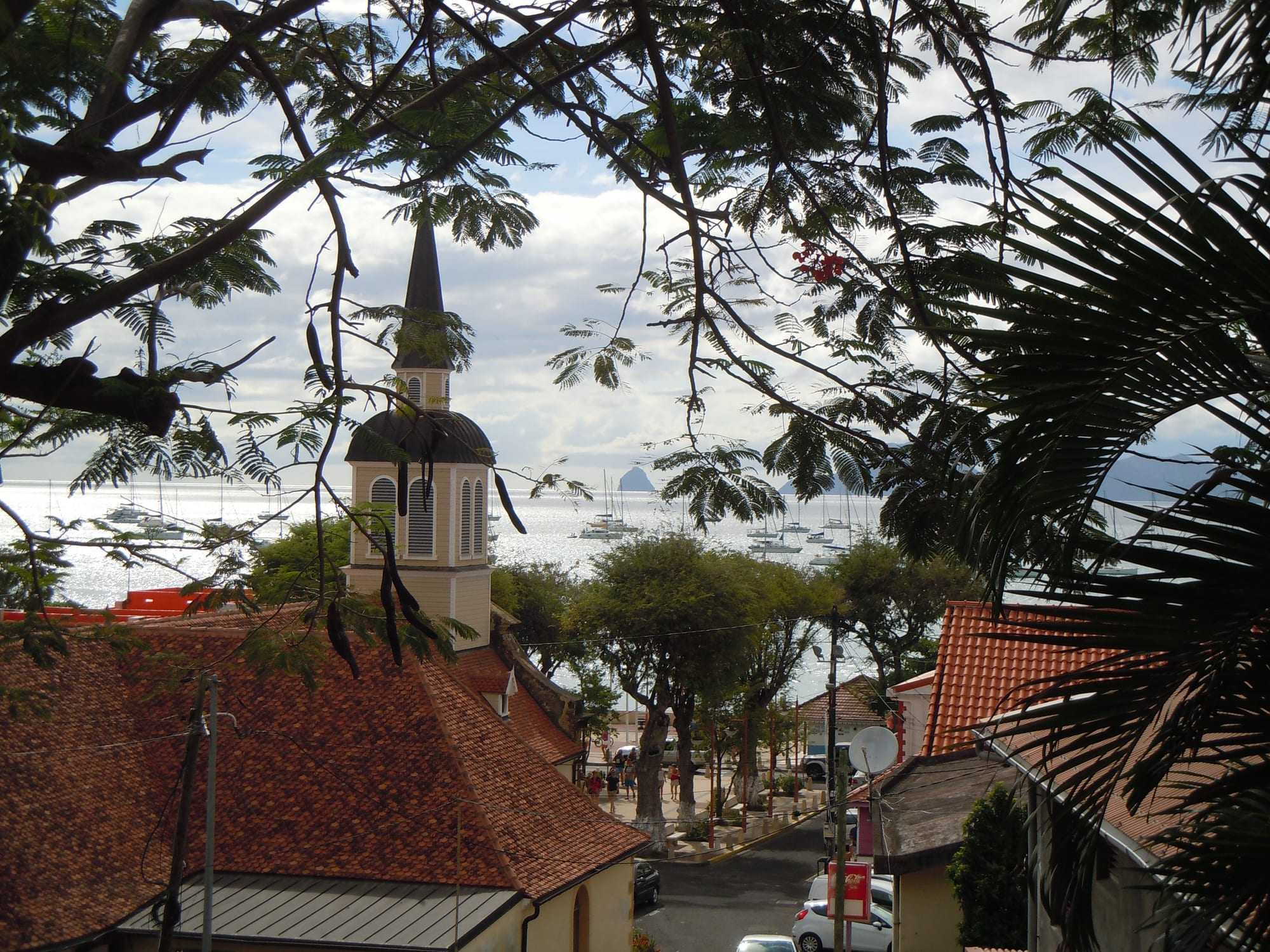
French is the official language and Martinican Creole the everyday one; English is understood in tourist spots but not widely. A 'bonjour' on entering a shop is expected, and the church remains at the centre of village life.
Wear a cover-up away from the beach and in the village, dress modestly for the church and the Calvary, and ask before photographing people.
💳 Common Payment Methods
The currency is the euro. Cards are accepted in most restaurants and shops; carry cash for snack bars, beach vendors and small village shops.